










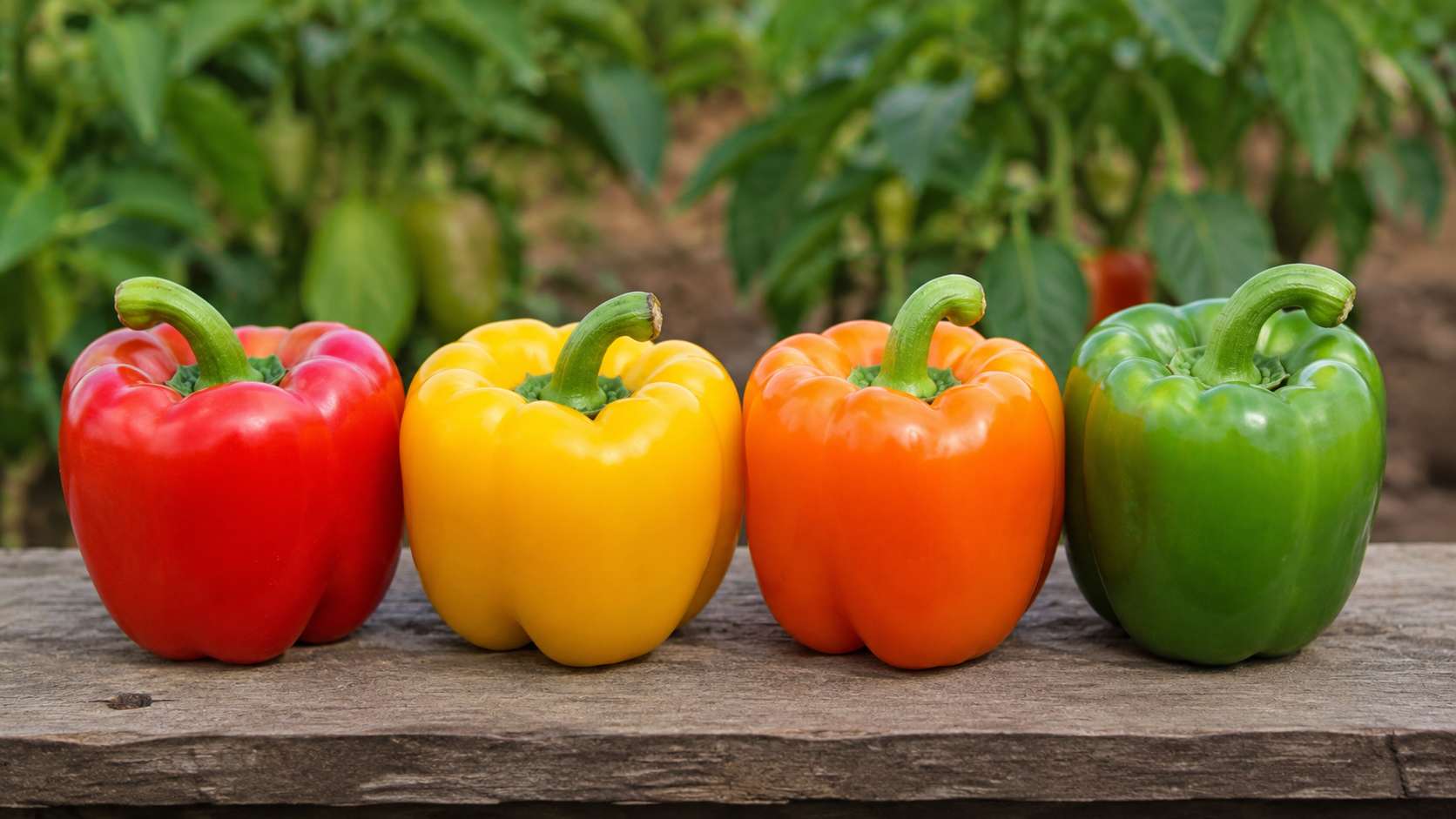
Slug: are-bell-peppers-fruits-or-vegetables
Have you ever picked up a bright red or green bell pepper at the grocery store and wondered whether it is actually a fruit or a vegetable? If so, you’re far from alone. It’s one of those questions that sparks friendly debates in kitchens, classrooms, and even gardening groups.
The confusion comes from the fact that science and cooking don’t always use the same definitions. While chefs group foods based on flavour and how they’re prepared, botanists classify them according to how they grow and reproduce. That difference explains why bell peppers can accurately be called both a fruit and a vegetable, depending on the context.
I’ve had this conversation many times with home cooks and students who were surprised to discover that bell peppers share the same botanical category as tomatoes, cucumbers, pumpkins, and even avocados. Once you understand how plants produce fruits, the answer becomes much clearer.
In this guide, you’ll learn:
- Whether bell peppers are fruits or vegetables
- The botanical definition of a fruit
- Why cooks classify them differently
- How bell peppers grow
- Their nutritional value
- How ripening changes their flavour
- Common myths and misconceptions
By the end of this article, you’ll understand not only the correct answer but also the fascinating science behind it.
Are Bell Peppers Fruits or Vegetables?
The short answer is straightforward:
Botanically, bell peppers are fruits.
Culinarily, they are vegetables.
Both statements are correct because they come from two different ways of classifying food.
Botanists study how plants reproduce, while chefs and home cooks focus on flavour, texture, and culinary use. Understanding this distinction helps explain why many familiar foods seem to fit into more than one category.
Why Bell Peppers Are Botanically Fruits
To understand why bell peppers are fruits, it’s helpful to know what scientists mean by the word fruit.
In botany, a fruit is the mature ovary of a flowering plant. After a flower is pollinated, the ovary develops into a structure that protects the seeds until they are ready for dispersal.
Bell peppers meet every part of this scientific definition because they:
- Develop from the flower of the pepper plant
- Form after pollination
- Contain numerous seeds inside
- Protect those seeds while they mature
Since bell peppers grow from the flower and contain seeds, botanists classify them as fruits.
This definition applies regardless of whether the fruit tastes sweet or savoury. Sweetness has nothing to do with botanical classification.
Scientific Classification of Bell Peppers
For readers interested in plant science, here’s where bell peppers fit in biological classification:
| Classification | Name |
|---|---|
| Kingdom | Plantae |
| Division | Magnoliophyta |
| Class | Magnoliopsida |
| Order | Solanales |
| Family | Solanaceae |
| Genus | Capsicum |
| Species | Capsicum annuum |
Bell peppers belong to the nightshade family (Solanaceae), the same plant family that includes tomatoes, eggplants, potatoes, and chilli peppers.
Knowing their scientific classification helps explain why these plants share many botanical characteristics.
Why Bell Peppers Are Considered Vegetables in Cooking
Although botanists classify bell peppers as fruits, chefs rarely think of them that way.
In the culinary world, foods are grouped according to how they taste and how they’re used in recipes.
Vegetables are generally foods that:
- Have a savoury or mild flavour
- Are served with main dishes
- Pair well with meats, grains, legumes, and pasta
- Are rarely used in desserts
Bell peppers fit these characteristics perfectly.
Whether you’re preparing jollof rice, fried rice, vegetable soup, stir-fries, grilled chicken, pasta, sandwiches, or fresh salads, bell peppers contribute colour, texture, and flavour rather than sweetness.
That’s why supermarkets usually display them alongside onions, carrots, cabbage, and other vegetables instead of placing them near apples, bananas, or oranges.
How Bell Peppers Grow
One of the easiest ways to understand why bell peppers are fruits is to look at how they develop on the plant.
The process begins when the pepper plant produces flowers. Once insects such as bees—or sometimes the wind—transfer pollen, fertilisation occurs.
After successful pollination:
- The flower begins to fade.
- The ovary starts to enlarge.
- Seeds begin forming inside.
- The surrounding tissue develops into the familiar bell pepper.
- As the fruit matures, its colour changes depending on the variety.
This growth pattern is exactly how botanical fruits develop.
Gardeners often notice tiny peppers forming where flowers once bloomed. Watching this transformation firsthand makes it much easier to understand why scientists classify bell peppers as fruits rather than vegetables.
Other Foods That Are Botanically Fruits
Bell peppers are far from unique.
Many foods that people commonly call vegetables are actually fruits from a botanical perspective because they also develop from flowers and contain seeds.
Examples include:
- Tomatoes
- Cucumbers
- Eggplants
- Zucchini
- Pumpkins
- Squash
- Okra
- Avocados
This surprises many people because these foods are usually cooked in savoury dishes instead of eaten as desserts.
The lesson is simple: botanical classification depends on plant biology—not taste.
Do Bell Peppers Change Classification as They Ripen?
No.
Whether a bell pepper is green, yellow, orange, or red, it remains a fruit throughout its life.
The colour simply indicates its stage of maturity.
Green Bell Peppers
Green peppers are harvested before reaching full maturity.
They usually have:
- A firmer texture
- A slightly bitter taste
- Lower natural sugar content
- Fewer carotenoid pigments than fully ripe peppers
Because of their crisp texture, green peppers are popular in stir-fries, stuffed pepper recipes, and cooked dishes where a firmer bite is preferred.
Yellow and Orange Bell Peppers
As peppers continue ripening, natural pigments develop, giving them their bright yellow or orange colours.
Compared with green peppers, they generally become:
- Sweeter
- Juicier
- Less bitter
- Richer in certain antioxidant compounds
These varieties are often enjoyed raw in salads, wraps, and sandwiches because of their pleasant sweetness.
Red Bell Peppers
Red bell peppers are fully mature.
In my own cooking, I’ve found that roasted red bell peppers develop a richer, sweeter flavour that works particularly well in soups, sauces, and grilled vegetable dishes. Their natural sweetness also makes them a favourite for fresh salads and healthy snacks.
Fully ripe red peppers typically contain:
- Higher levels of vitamin C
- More beta-carotene
- Greater concentrations of beneficial antioxidants such as capsanthin
- A softer texture
- A naturally sweeter taste
Although the colour and nutritional profile change during ripening, the botanical classification does not.
A green bell pepper and a red bell pepper are equally fruits from a scientific standpoint.
Nutritional Benefits of Bell Peppers
Whether you think of them as fruits or vegetables, bell peppers are among the most nutrient-dense foods you can include in your diet.
They provide an impressive combination of vitamins, minerals, fibre, and beneficial plant compounds while remaining naturally low in calories.
Excellent Source of Vitamin C
Bell peppers are particularly well known for their high vitamin C content.
Vitamin C supports several important functions in the body, including:
- Healthy immune function
- Collagen production
- Wound healing
- Iron absorption
- Maintenance of healthy skin, gums, and blood vessels
In fact, red bell peppers can provide more vitamin C per serving than many citrus fruits, making them an excellent addition to a balanced diet.
Nutritional Benefits of Bell Peppers (Continued)
Rich in Antioxidants
In addition to vitamin C, bell peppers contain several powerful antioxidants that help protect the body’s cells from oxidative stress. Oxidative stress occurs when unstable molecules called free radicals damage cells, a process associated with normal ageing and certain chronic diseases.
Some of the most important antioxidants found in bell peppers include:
- Beta-carotene – The body converts this compound into vitamin A, which supports healthy vision, immune function, and skin health.
- Lutein and Zeaxanthin – These carotenoids accumulate in the retina and play an important role in maintaining eye health, especially as people age.
- Capsanthin – Found mainly in ripe red bell peppers, this pigment gives them their vibrant colour and contributes to their antioxidant properties.
- Quercetin – A naturally occurring plant compound that has been studied for its antioxidant and anti-inflammatory effects.
Eating a variety of colourful fruits and vegetables—including bell peppers—is widely recommended as part of a healthy dietary pattern because different colours provide different beneficial plant compounds.
A Good Source of Dietary Fibre
Bell peppers also contribute dietary fibre, an essential nutrient that supports digestive health.
Fibre can help:
- Promote healthy digestion
- Support regular bowel movements
- Increase feelings of fullness after meals
- Contribute to a balanced eating pattern
Because bell peppers are low in calories but high in water and fibre, they make a satisfying addition to meals without adding excessive energy.
Naturally Low in Calories
If you’re trying to eat more nutritious foods without consuming many calories, bell peppers are an excellent choice.
They contain very little fat, no cholesterol, and relatively few calories while providing impressive amounts of vitamins and antioxidants. This makes them suitable for many healthy eating plans.
Important Vitamins and Minerals
Besides vitamin C, bell peppers provide smaller amounts of several essential nutrients, including:
- Vitamin A (from beta-carotene)
- Vitamin B6
- Folate
- Vitamin E
- Vitamin K
- Potassium
Together, these nutrients support many normal body functions, including energy metabolism, nerve function, blood clotting, and maintaining healthy cells.
Bell Peppers in African Cooking
Across Africa, bell peppers are valued for their colour, flavour, and versatility.
Growing up and cooking in Nigeria, I’ve seen how bell peppers can completely transform the appearance and taste of a meal. Green peppers are commonly blended into stew bases, while red and yellow peppers are often sliced into salads, fried rice, stir-fries, and grilled dishes. Their mild sweetness balances spicy ingredients without overpowering them.
Some popular dishes that frequently include bell peppers are:
- Nigerian jollof rice
- Fried rice
- Vegetable stews
- Stir-fried vegetables
- Chicken and beef sauces
- Kebabs (suya accompaniments)
- Omelettes
- Pasta dishes
- Sandwiches and wraps
- Fresh salads
Their bright colours also make meals more visually appealing, encouraging children and adults alike to eat more vegetables and fruits.
How to Choose Fresh Bell Peppers
Selecting fresh bell peppers helps you get the best flavour and nutritional value.
Look for peppers that are:
- Firm and heavy for their size
- Smooth with shiny skin
- Brightly coloured
- Free from wrinkles
- Without soft spots or mould
Avoid peppers with large bruises, shrivelled skin, or signs of decay, as these indicate reduced freshness.
How to Store Bell Peppers
Proper storage helps bell peppers stay fresh for longer.
For best results:
- Store unwashed peppers in the refrigerator’s vegetable drawer.
- Keep them dry until you’re ready to use them.
- Wash only before cooking or eating.
- Once cut, store leftovers in an airtight container and use them within a few days.
If you have more peppers than you can use, sliced bell peppers can also be frozen for future cooking.
Can You Grow Bell Peppers at Home?
Yes. Bell peppers are among the easiest vegetables—or rather, botanical fruits—to grow in a home garden.
They thrive in:
- Warm temperatures
- Plenty of sunlight
- Well-drained soil
- Regular watering
Whether planted in garden beds or containers, healthy pepper plants produce flowers that eventually develop into colourful fruits after pollination.
Watching this process firsthand is one of the best ways to understand why botanists classify bell peppers as fruits.
Common Misconceptions About Bell Peppers
Myth 1: If It Isn’t Sweet, It Can’t Be a Fruit
This is one of the most common misunderstandings.
Sweetness has nothing to do with the botanical definition of a fruit. Many fruits, including bell peppers, cucumbers, and tomatoes, are not particularly sweet.
Myth 2: Vegetables Don’t Have Seeds
Not always.
Some vegetables contain seeds, while others do not.
Botanical classification depends on which part of the plant is eaten.
For example:
- Carrots are roots.
- Spinach is a leaf.
- Celery is a stem.
- Broccoli consists mainly of flower buds.
- Bell peppers develop from flowers and contain seeds, making them fruits.
Myth 3: Cooking Changes Their Classification
Whether you roast, grill, fry, boil, or eat a bell pepper raw, its botanical classification remains the same.
Cooking changes flavour and texture—not plant biology.
Bell Peppers Compared with Similar Foods
| Food | Botanical Classification | Culinary Classification |
|---|---|---|
| Bell Pepper | Fruit | Vegetable |
| Tomato | Fruit | Vegetable |
| Cucumber | Fruit | Vegetable |
| Eggplant | Fruit | Vegetable |
| Pumpkin | Fruit | Vegetable |
| Zucchini | Fruit | Vegetable |
| Okra | Fruit | Vegetable |
| Avocado | Fruit | Often used as a vegetable |
This comparison highlights why scientific and culinary classifications often differ.
Why Does This Matter?
For everyday cooking, whether a bell pepper is called a fruit or a vegetable doesn’t change how you prepare it.
However, understanding the distinction can:
- Improve your knowledge of plant biology.
- Help students understand botanical concepts.
- Support gardening and horticulture learning.
- Clarify nutrition discussions.
- Settle common debates using scientific facts.
Knowledge like this reminds us that science often looks beneath the surface to explain how nature really works.
Frequently Asked Questions
Are green bell peppers fruits?
Yes. Green bell peppers develop from the flower of the pepper plant and contain seeds, making them botanical fruits.
Are red bell peppers healthier than green bell peppers?
Red bell peppers are generally richer in certain nutrients, including beta-carotene and vitamin C, because they are fully ripe. However, all colours are nutritious and can be part of a healthy diet.
Can you eat bell peppers raw?
Absolutely. Bell peppers are delicious raw in salads, sandwiches, wraps, and as snacks with healthy dips.
Are chilli peppers also fruits?
Yes. Like bell peppers, chilli peppers develop from flowers and contain seeds, so they are botanically classified as fruits.
Why are bell peppers sold with vegetables in supermarkets?
Supermarkets organise produce according to how shoppers use foods in cooking rather than their botanical classification.
Are bell peppers good for weight management?
Because they are low in calories, high in water, and provide fibre and essential nutrients, bell peppers fit well into many balanced eating plans.
Conclusion
So, are bell peppers fruits or vegetables?
The answer depends on which system of classification you’re using.
From a botanical perspective, bell peppers are fruits because they develop from the flower of the plant and contain seeds. From a culinary perspective, they are treated as vegetables because of their mild flavour and their role in savoury dishes.
Both answers are correct within their respective contexts.
More importantly, bell peppers are among the most nutritious and versatile foods you can enjoy. Whether you add them to jollof rice, vegetable stews, salads, sandwiches, stir-fries, or grilled meals, they provide colour, flavour, fibre, vitamins, and beneficial plant compounds that support a healthy diet.
The next time someone asks whether a bell pepper is a fruit or a vegetable, you’ll have the scientific explanation—and the confidence to explain why both answers are right.
References
The information in this article is based on established botanical principles and nutrition guidance from reputable sources, including:
- USDA FoodData Central
- Harvard T.H. Chan School of Public Health
- Royal Horticultural Society (RHS)
- Missouri Botanical Garden
- Encyclopaedia Britannica
- Peer-reviewed nutrition and plant science literature