






Home » Special Needs

Inclusive Education vs. Special Education: What’s the Real Difference

Education is no longer one-size-fits-all. In today’s diverse classrooms, parents and educators are faced with an important question: Should a child learn in an inclusive classroom—or benefit from specialized instruction? While inclusive education and special education are often confused, they serve different purposes. Understanding how they work—and when each is appropriate—can make a powerful difference…

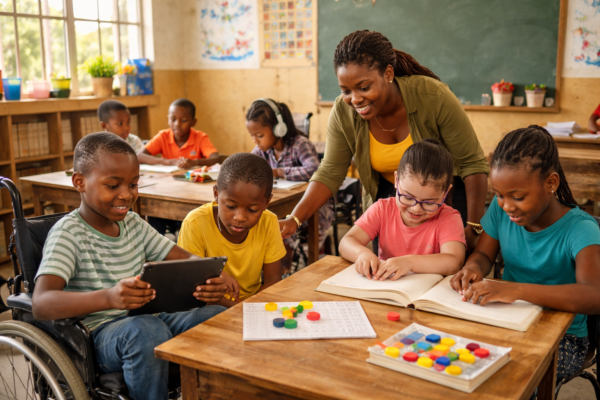
Diverse classroom with students of different abilities learning together with teacher support, illustrating inclusive education vs special education

Behavioral Support Strategies That Work in Special Education Classes

Supporting positive behavior in special education classrooms is essential for creating a safe, structured, and inclusive learning environment. Students with diverse needs—such as autism, ADHD, or emotional and behavioral disorders—often experience challenges with communication, emotional regulation, and social interaction. Without the right support, these challenges can lead to disruptive behaviors. However, when educators use evidence-based…

Special education teacher using visual supports and positive behavior strategies in an inclusive classroom

How to Support Students With Autism in the Classroom

Creating an inclusive classroom is not simply a goal—it is a professional responsibility. Over the past decade working in inclusive elementary and middle school classrooms, I have seen firsthand how small, intentional adjustments can dramatically improve outcomes for students on the autism spectrum. Students with autism spectrum disorder (ASD) can thrive academically, socially, and emotionally…

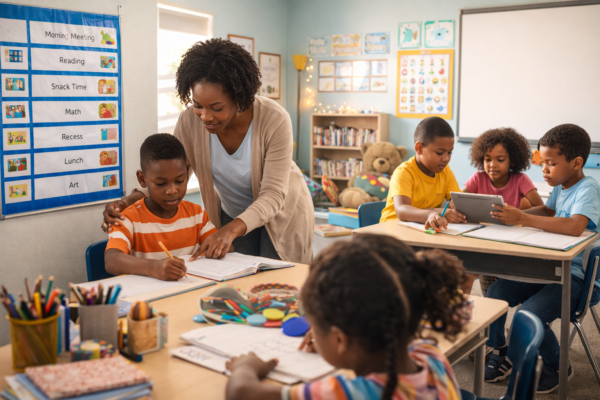
Elementary classroom with visual schedule and teacher supporting a student with autism during structured learning activity

Can AI Help Students with Disabilities? Evidence-Based Guide to Inclusive Education

Short answer: Yes — when implemented thoughtfully, artificial intelligence (AI) can significantly improve accessibility, personalization, communication, and independence for students with disabilities. But AI is not a magic solution. Its effectiveness depends on ethical design, educator training, accessibility standards, and proper oversight. This guide explores: Why Inclusive Education Still Faces Barriers According to the World…

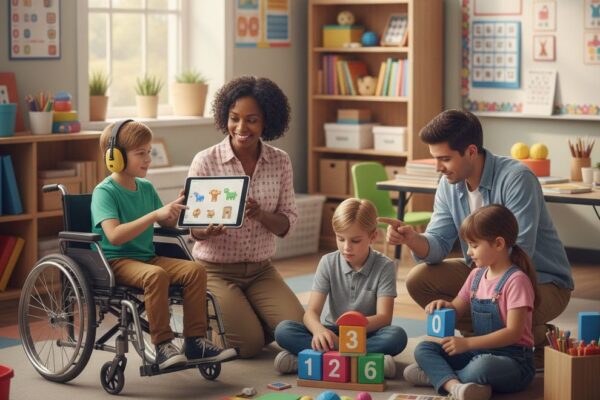
Student with dyslexia using AI text-to-speech software in an inclusive classroom supported by adaptive learning technology

Top 10 Special Education Tools and Materials Every Teacher Needs

Teaching students with diverse learning needs requires more than goodwill and patience—it requires intentional tools that remove barriers to learning. In my experience working with inclusive classrooms and supporting students with varying abilities, the right materials can completely transform engagement, independence, and confidence. Special education tools are not “extra” resources; they are essential supports that…

Special education teacher using assistive technology, visual aids, and sensory tools to support students with diverse learning needs in an inclusive classroom

Memory-Boosting Activities for Toddlers (Ages 1–3): Practical Play That Works

Memory doesn’t appear overnight — it develops gradually as young children interact with people, objects, and routines in their everyday world. During my years observing and working closely with toddlers in home and early-learning settings, I’ve seen how small, playful moments — singing a familiar song, searching for a favorite toy, or retelling a short…

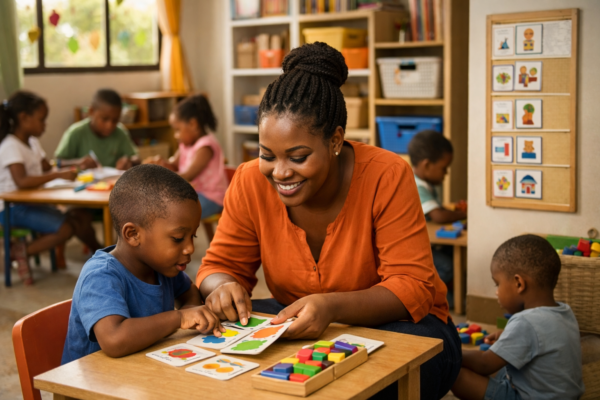
Parent engaging a toddler in a memory-boosting learning activity using toys and puzzles

Practical Strategies to Support Children Who Find Reading Difficult

Reading is a foundational skill that influences a child’s academic success, confidence, and lifelong learning habits. Yet for many children, learning to read does not come easily. Difficulties with reading can stem from a range of factors, including developmental differences, limited exposure to books, learning disorders, or emotional challenges. When not addressed early and thoughtfully,…

Adult supporting a young child while reading a book together in a calm learning environment