


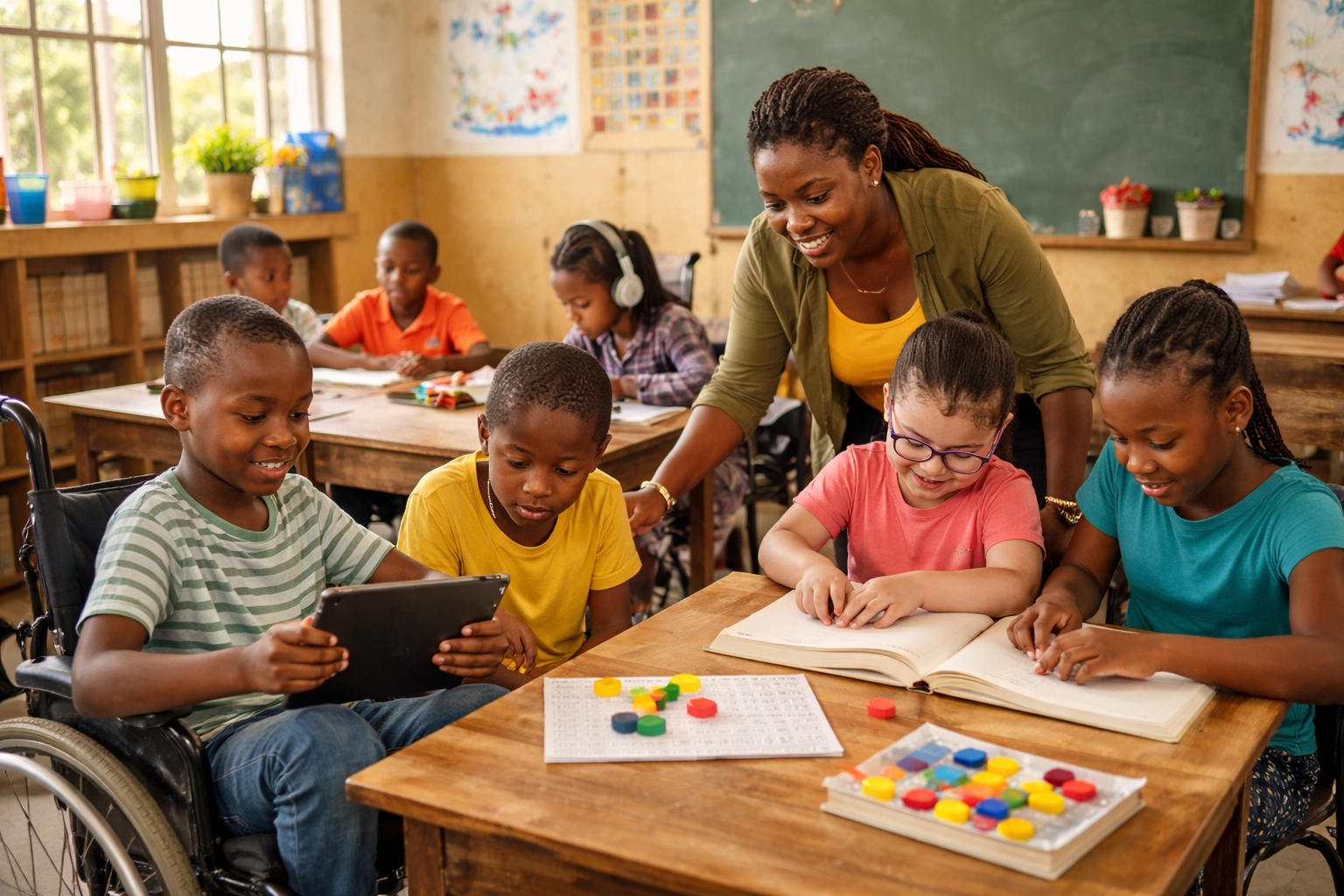
Education is no longer one-size-fits-all. In today’s diverse classrooms, parents and educators are faced with an important question:
Should a child learn in an inclusive classroom—or benefit from specialized instruction?
While inclusive education and special education are often confused, they serve different purposes. Understanding how they work—and when each is appropriate—can make a powerful difference in a child’s academic success, confidence, and social development.
What Is Inclusive Education?
Inclusive education is a teaching approach where students of all abilities learn together in the same classroom, with support systems in place to meet diverse needs.
According to UNESCO, inclusive education ensures that “all learners, regardless of their abilities or backgrounds, have equal access to quality education.”
What Inclusive Classrooms Look Like (Real Insight)
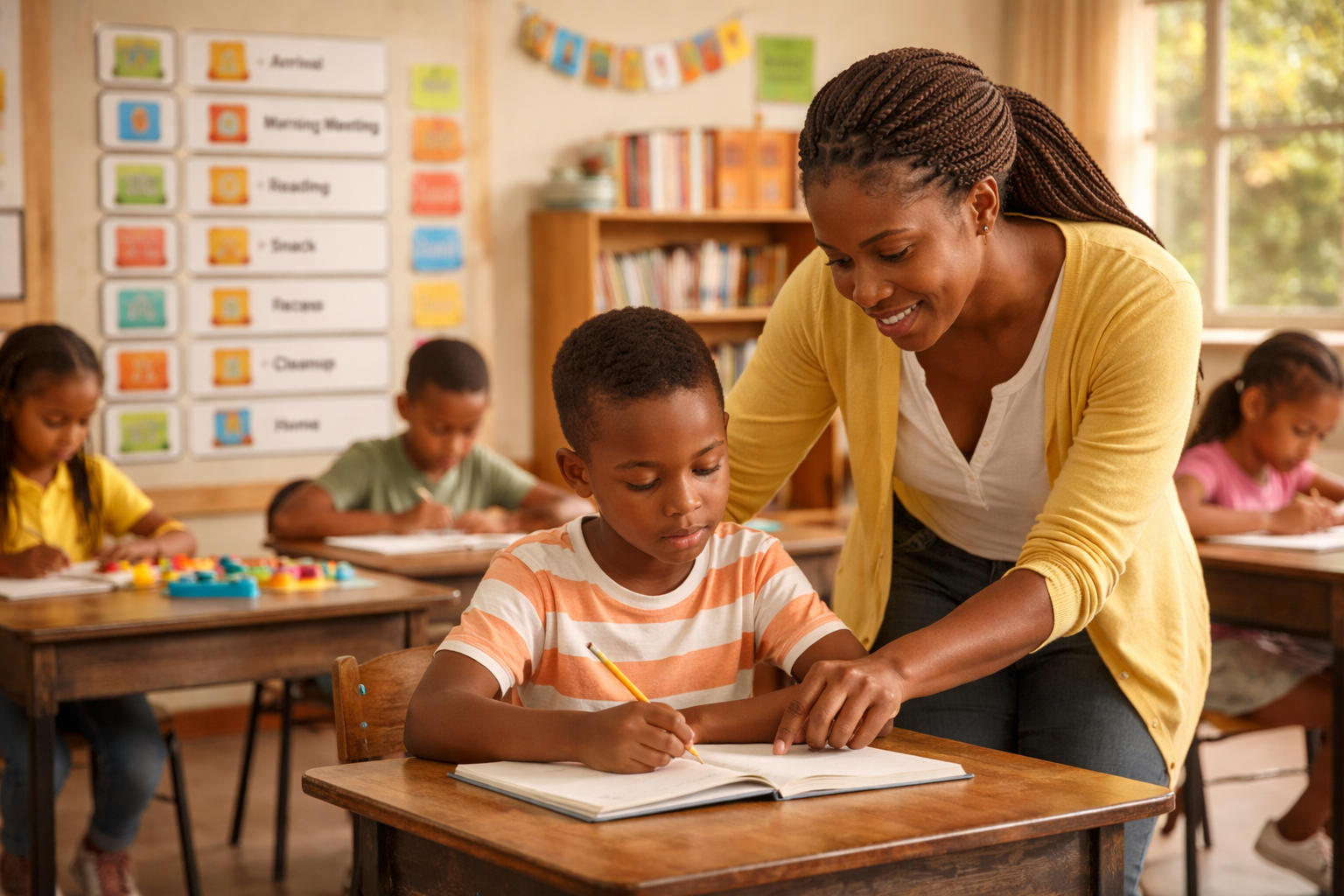
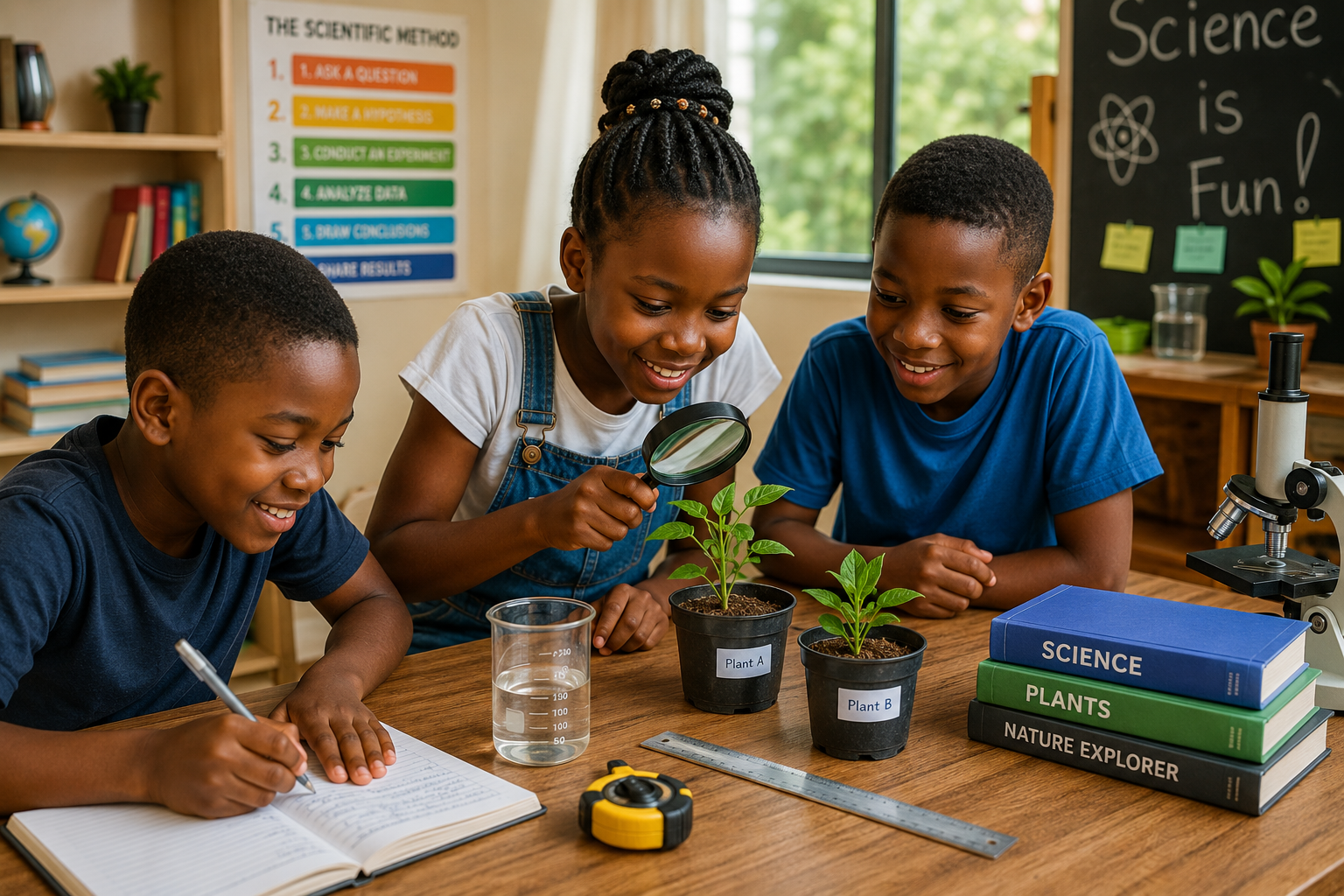
In many modern classrooms, teachers don’t teach one way—they teach multiple ways at once. For example:
- A lesson may include visuals, audio, and hands-on activities
- Students may work in mixed-ability groups
- Assessments may be flexible (oral, written, or project-based)
This approach is often guided by Universal Design for Learning (UDL), a framework that helps teachers design lessons that work for everyone, not just the average student.
Key Benefits (Backed by Research)
- Improved social interaction and peer relationships
- Reduced stigma toward disabilities
- Better emotional development
Research supported by organizations like the World Health Organization shows that inclusive environments can enhance social and developmental outcomes, especially when properly implemented.
What Is Special Education?
Special education is a structured, individualized approach designed specifically for students with identified learning disabilities or developmental challenges.
It provides targeted interventions, often guided by formal plans such as an Individualized Education Program (IEP).
What Makes Special Education Different?
- Customized learning goals for each student
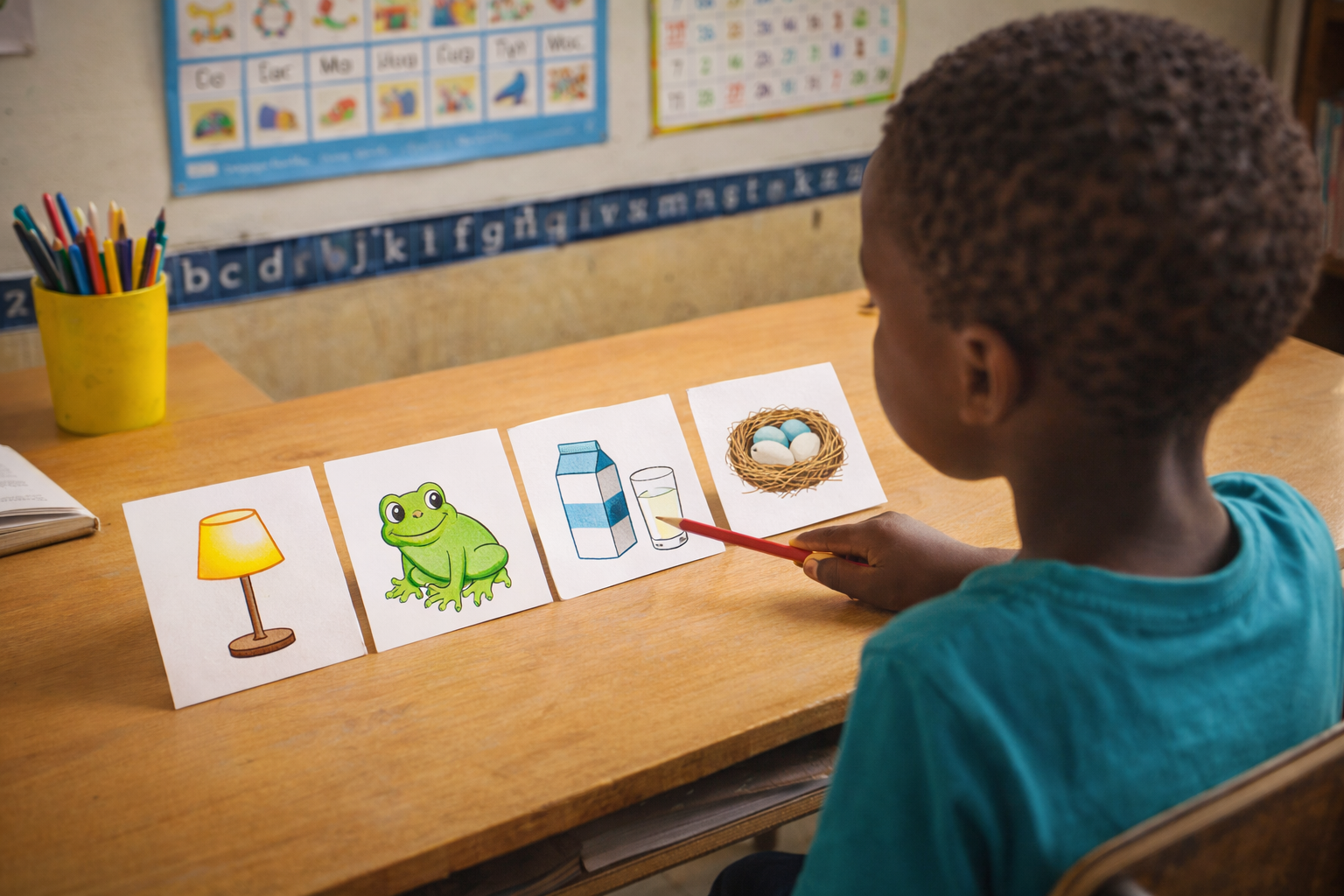
- One-on-one or small-group instruction
- Access to specialists (speech therapists, behavioral experts, etc.)
- Structured environments tailored to specific needs
For example, a child with a speech delay may receive:
- Weekly therapy sessions
- Modified communication tasks
- Progress tracking with measurable goals
Why It Matters
The U.S. Department of Education emphasizes that special education ensures students receive “a free appropriate public education tailored to their individual needs.”
Inclusive Education vs. Special Education: Key Differences
| Area | Inclusive Education | Special Education |
|---|---|---|
| Learning Environment | General classroom | Separate or specialized setting |
| Teaching Style | Adapted for all learners | Highly individualized |
| Social Interaction | High peer interaction | May be limited |
| Support Level | Moderate, within classroom | Intensive, targeted |
| Goal | Participation and belonging | Skill development and intervention |
Can Both Approaches Work Together?
Yes—and in fact, they often should.
Many schools use a “continuum of support”, combining both approaches. This means:
- A child may spend most of the day in a regular classroom
- But receive extra help through specialized sessions
Real-World Example
A student with learning difficulties might:
- Attend regular classes with peers
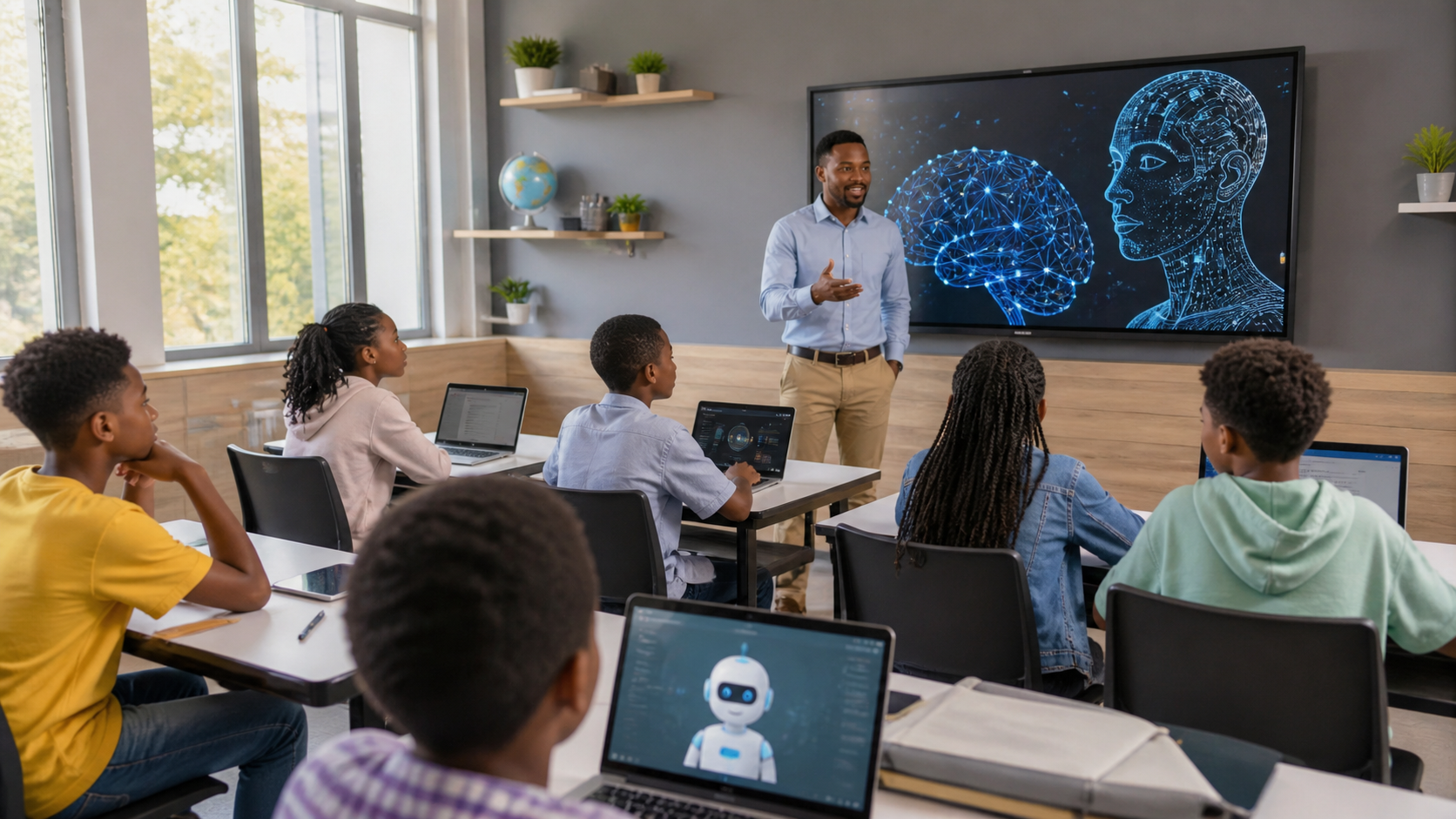
- Use assistive technology during lessons
- Receive additional tutoring from a specialist
This blended model provides both inclusion and targeted support, which research shows can lead to better overall outcomes.
The Challenges (And Honest Realities)
Inclusive Education Challenges
- Large class sizes can limit individual attention
- Teachers may lack specialized training
- Resources (like aides or technology) may be insufficient
Important: Inclusion only works well when properly supported. Without resources, it can fall short.
Special Education Challenges
- Students may feel isolated from peers
- Risk of labeling or stigma
- Limited exposure to general classroom experiences
Important: Over-separation can affect social development if not balanced carefully.
How to Choose the Right Option for a Child
There is no universal answer—but here’s a practical decision guide:
Choose Inclusive Education If:
- The child can participate in group learning with support
- Social interaction is a priority
- The school has trained teachers and resources
Choose Special Education If:
- The child needs intensive, individualized instruction
- There are specific developmental or learning challenges
- Progress requires structured intervention
Questions Every Parent Should Ask a School
Before deciding, ask:
- “Do you support inclusive classrooms with trained staff?”
- “How are Individualized Education Programs (IEPs) implemented?”
- “Can my child move between general and specialized support if needed?”
- “What resources are available (therapists, aides, technology)?”
These questions help ensure the system fits the child—not the other way around.
Why This Difference Matters More Than Ever
Understanding these two approaches helps:
- Parents make informed decisions
- Teachers design effective learning strategies
- Schools build supportive systems
- Children receive the right level of support
Education is not just about grades—it’s about confidence, independence, and belonging.
Final Verdict: It’s Not Inclusive vs. Special—It’s Both
The biggest misconception is thinking you must choose one over the other.
The most effective education systems today combine:
- The inclusiveness of shared learning environments
- The precision of individualized support
When done right, this balance ensures that every child—regardless of ability—has a real chance to succeed.
References
- UNESCO – Inclusive Education Guidelines
- World Health Organization – Child Development & Inclusion
- U.S. Department of Education – Special Education Policies
FAQ Section
What is the main difference between inclusive education and special education?
Inclusive education teaches all students together in one classroom, while special education provides individualized instruction, often in separate settings, for students with specific learning needs.
Is inclusive education better than special education?
Neither is universally better. Inclusive education promotes social interaction, while special education offers targeted support. The best choice depends on the child’s needs.
Can a child be in both inclusive and special education?
Yes. Many schools use a blended approach where a child learns in a general classroom but receives additional specialized support when needed.
What are the benefits of inclusive education?
Inclusive education helps reduce stigma, improves social skills, and prepares students for real-world diversity while supporting different learning needs.
What is an IEP in special education?
An Individualized Education Program (IEP) is a structured plan that outlines specific learning goals, accommodations, and support services for a student with special needs.
What are the challenges of inclusive education?
Common challenges include large class sizes, limited resources, and lack of teacher training, which can affect how well inclusion is implemented.