


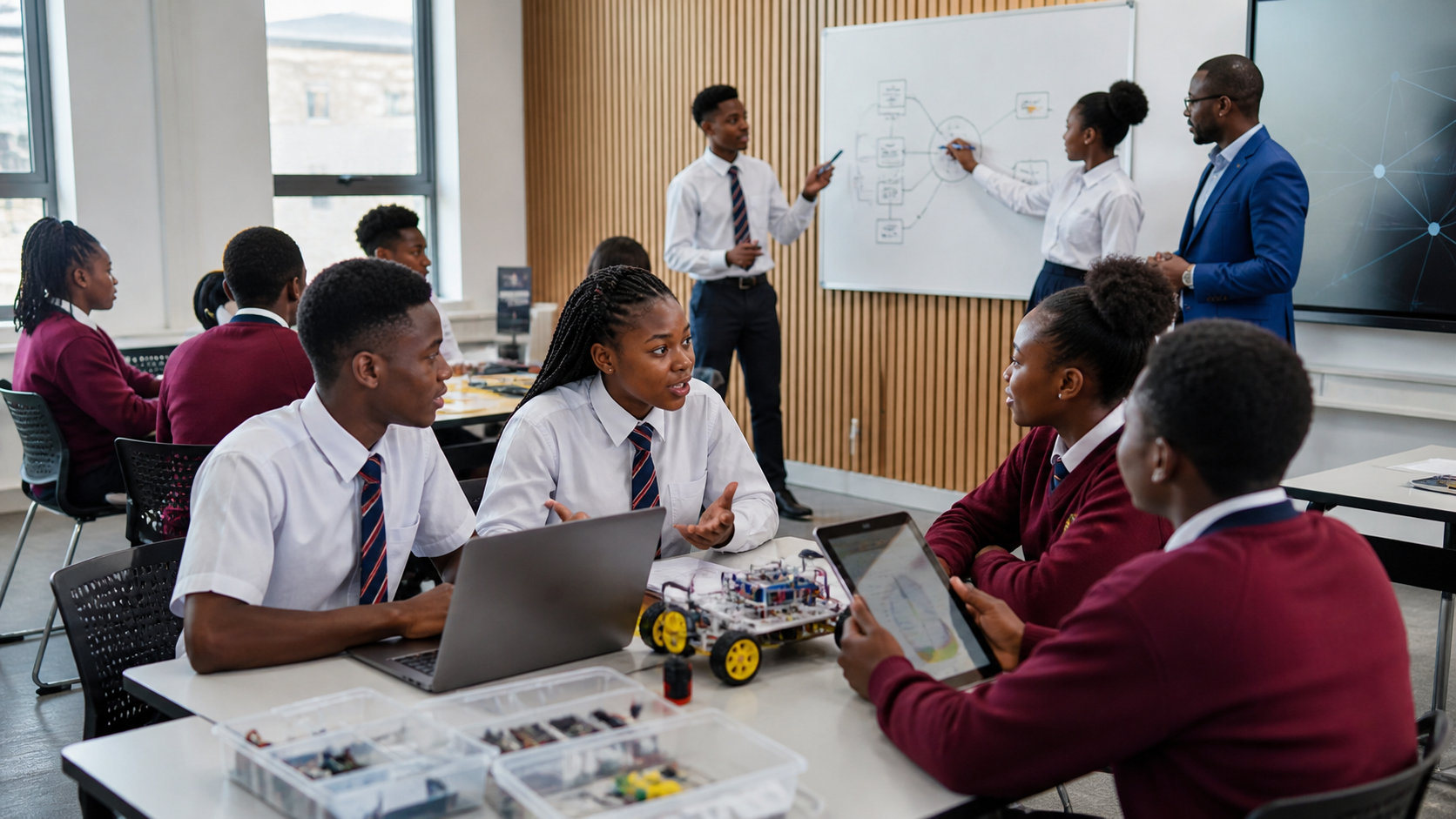
For years, many students grew up believing that high marks alone determined intelligence and future success. In many African classrooms, academic performance was often judged almost entirely by examination scores. Students who memorized lessons effectively usually performed well, while those with practical talents, creativity, or leadership abilities were sometimes overlooked.
However, education is beginning to change.
Over the past few years, many teachers, parents, and school administrators have started recognizing a major problem: students may pass exams successfully but still struggle to apply knowledge in real-life situations. During conversations with educators and students in both public and private schools, one concern repeatedly emerges — many learners can recall information for tests but lack confidence in problem-solving, communication, teamwork, and critical thinking.
This growing concern is pushing schools across Africa and other parts of the world to rethink what meaningful education truly looks like.
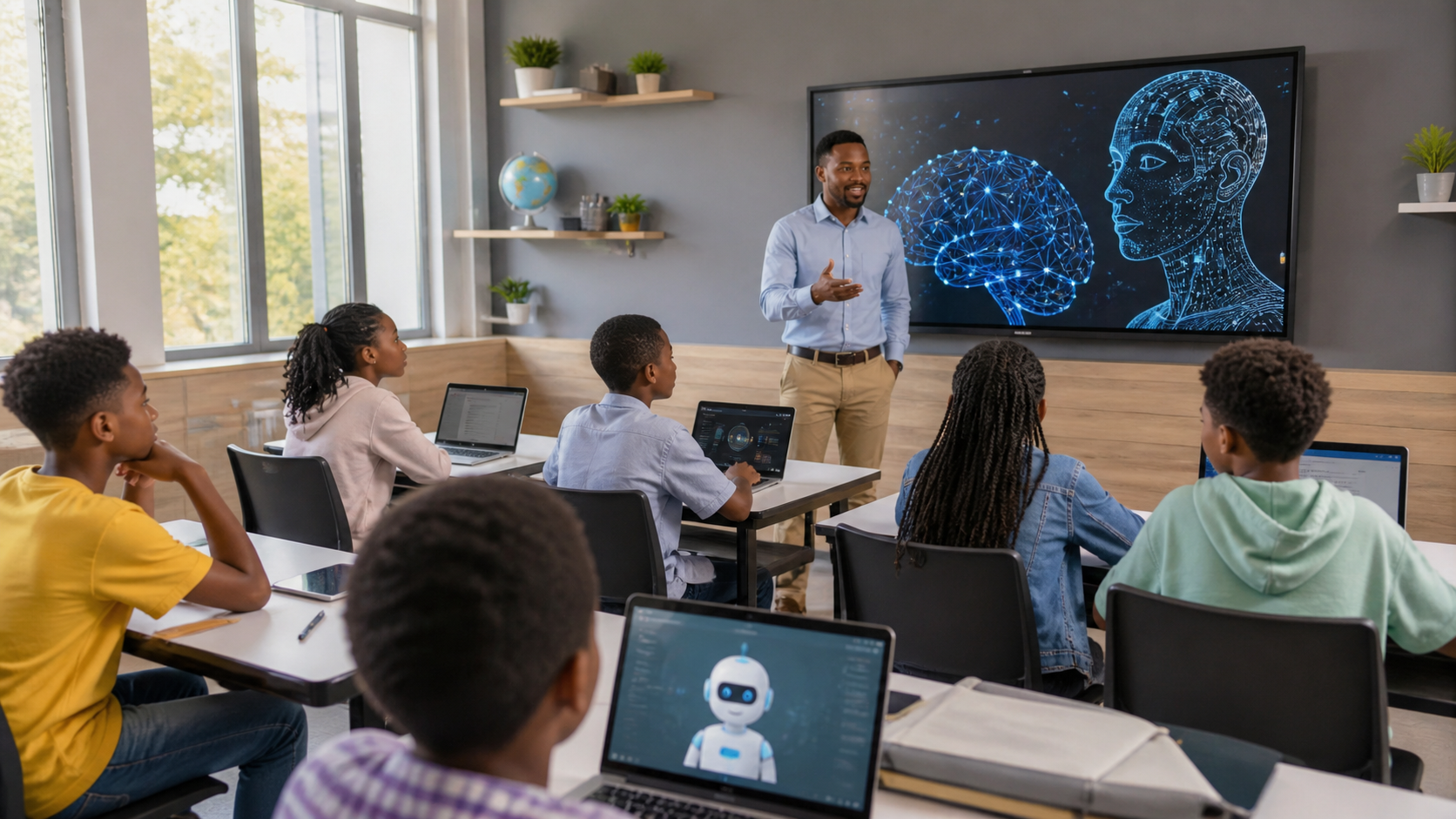
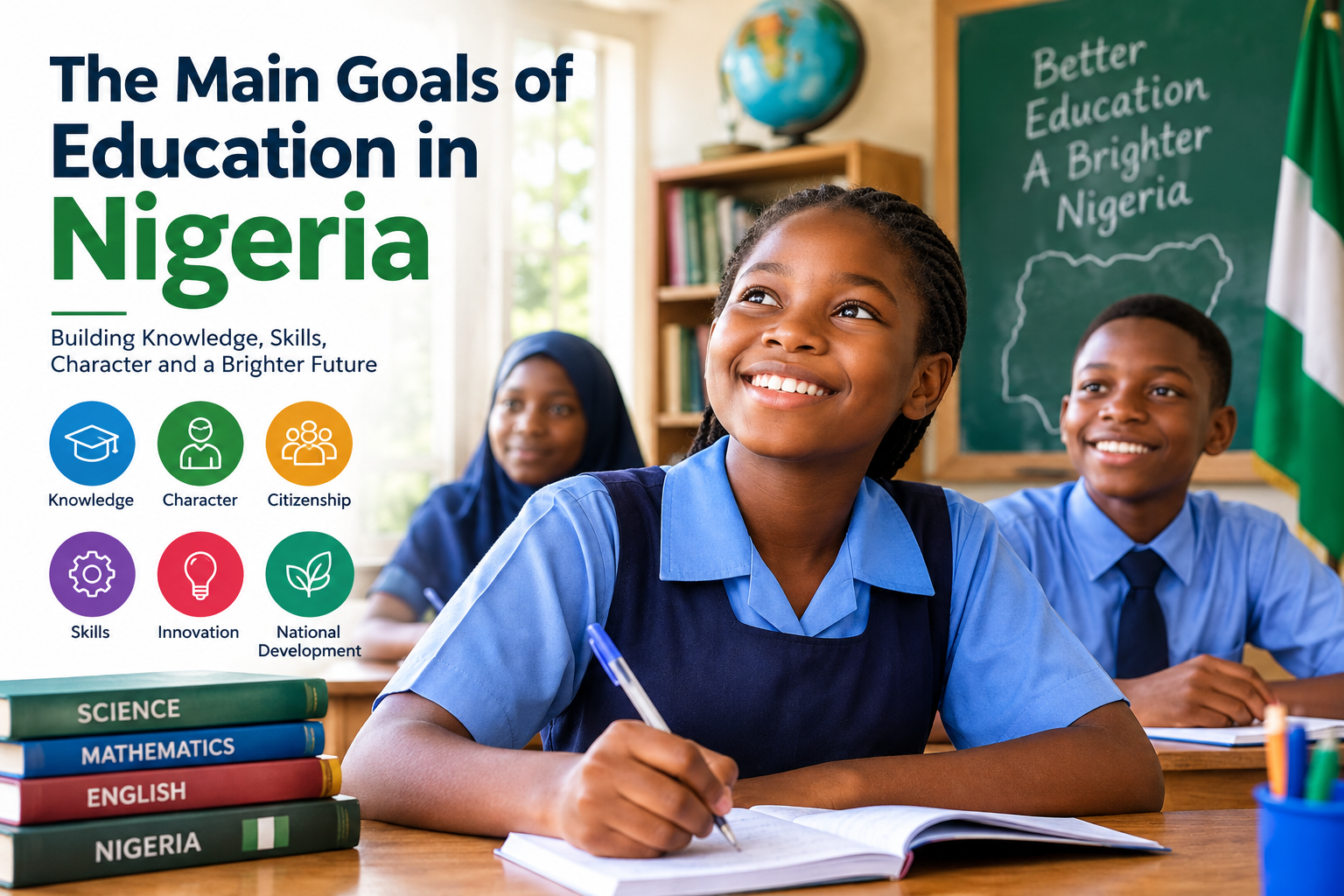
Today, classrooms are gradually shifting from memorization-based learning toward deeper understanding, practical skills, creativity, and student participation. Educational experts, global organizations, and employers increasingly agree that success in the modern world requires more than strong exam performance alone.
According to the World Economic Forum’s Future of Jobs Report, employers now place increasing importance on analytical thinking, creativity, problem-solving, communication, and adaptability — skills that traditional exam-focused systems often fail to fully develop.
Why Traditional Education Focused Heavily on Marks
Examinations became central to education systems for understandable reasons. In many African countries, test results historically determined:
- Admission into secondary schools and universities
- Scholarship opportunities
- Government employment eligibility
- Professional advancement
- Social recognition
As a result, schools often prioritized syllabus completion and examination preparation above deeper understanding.
In many classrooms, lessons followed a familiar pattern:
- Teachers explained notes
- Students copied information
- Learners memorized content
- Exams measured recall ability
While this system helped some students achieve academic success, it also created important limitations.
Common Challenges of Marks-Based Learning
Many educators now acknowledge that excessive exam pressure can contribute to:
- Fear of making mistakes
- Reduced creativity
- Limited classroom participation
- Weak critical thinking skills
- High student anxiety
- Overdependence on memorization
UNESCO has repeatedly emphasized that education should not only prepare learners for examinations but also help them develop life skills, creativity, citizenship, and problem-solving abilities needed in modern society.
In interviews conducted by several African education researchers, teachers often report that students become more engaged when lessons involve participation rather than passive note-taking. Learners tend to retain information longer when they actively apply concepts instead of memorizing them temporarily for tests.
What Real Learning Actually Means
Real learning goes beyond remembering information long enough to pass an exam. It focuses on helping students understand concepts deeply and apply them in practical situations.
A student experiencing meaningful learning is more likely to:
- Analyze problems independently
- Ask thoughtful questions
- Work effectively with others
- Communicate ideas clearly
- Adapt to new situations
- Think creatively
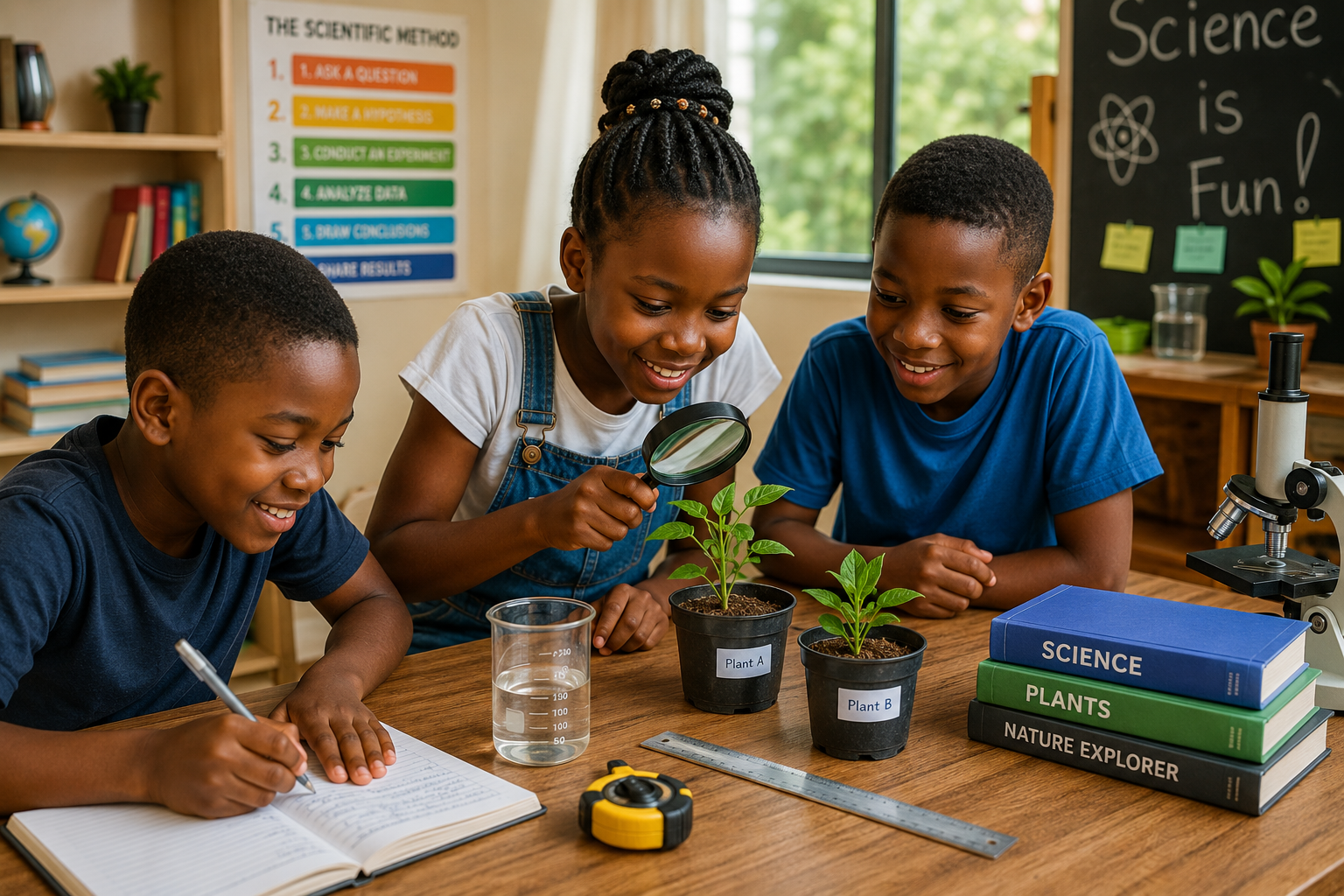
For example, instead of only memorizing scientific definitions, students may conduct experiments, observe results, and explain findings in their own words. In language classes, learners may improve communication through storytelling, presentations, debates, or collaborative discussions.
During a classroom observation at a secondary school learning workshop, students participating in group problem-solving activities showed noticeably higher engagement compared to traditional lecture-only sessions. Teachers involved in the workshop explained that participation increased student confidence and improved lesson retention.
This reflects a broader global shift toward student-centered learning.
Why Critical Thinking Is Becoming More Important
One of the biggest changes in modern education is the growing emphasis on critical thinking.
Instead of simply accepting information, students are increasingly encouraged to:
- Analyze ideas
- Evaluate evidence
- Form independent opinions
- Solve unfamiliar problems
Teachers now ask deeper questions such as:
- Why do you think this happened?
- What evidence supports this idea?
- How could this problem be solved differently?
- How does this lesson connect to real life?
Educational researchers widely consider critical thinking an essential “21st-century skill.” According to the OECD, students who develop strong analytical and problem-solving abilities are often better prepared for evolving workplaces and changing economies.
This matters especially in Africa, where rapid technological growth and entrepreneurship are creating new opportunities that require innovation and adaptability.
How Technology Is Changing Learning
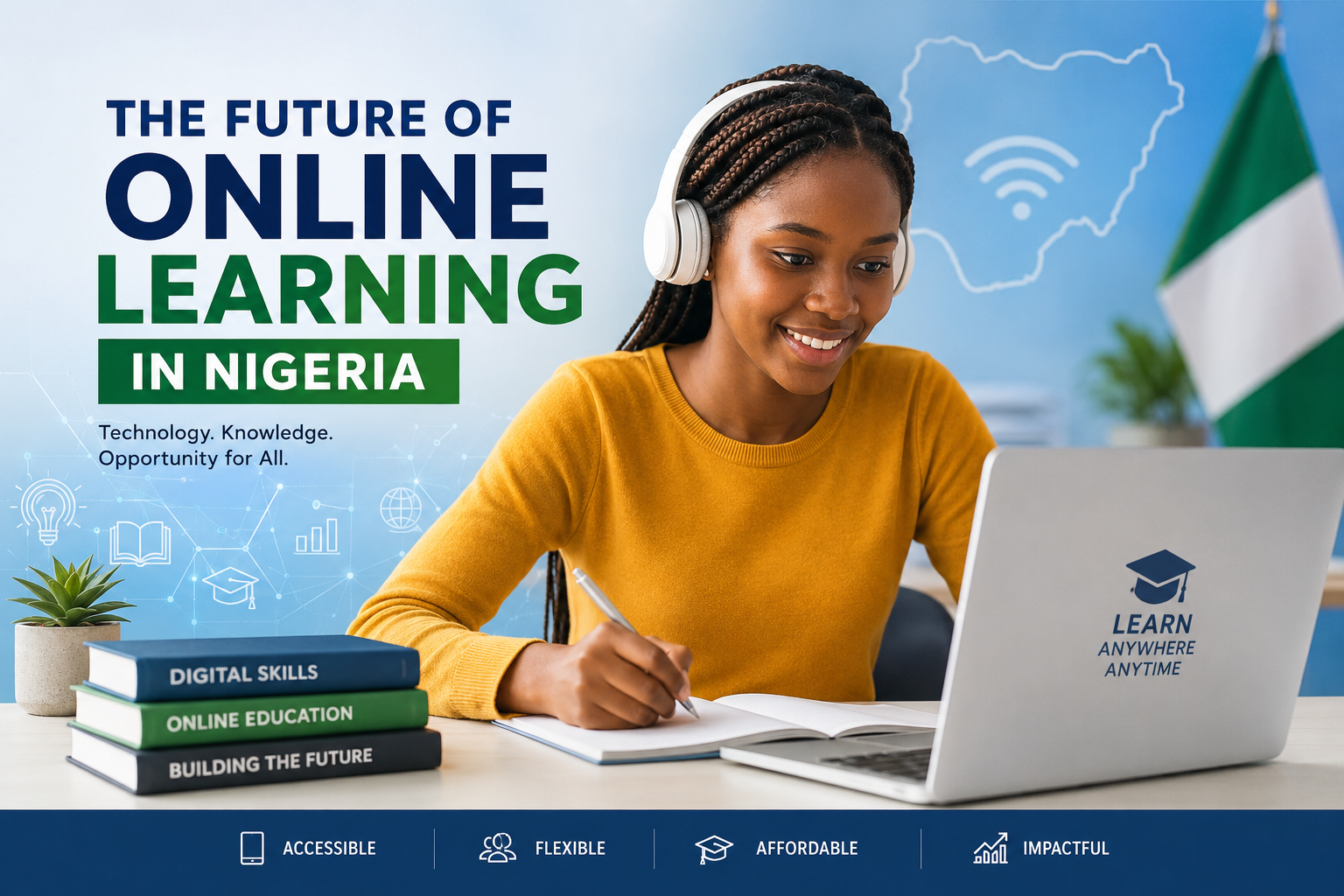
Technology is also reshaping classrooms across many African communities.
Although access remains uneven, schools increasingly use:
- Educational videos
- Interactive quizzes
- Digital libraries
- Virtual science simulations
- Online learning platforms
- Mobile learning tools
In some schools, teachers now distribute assignments through messaging platforms like WhatsApp when students lack access to advanced e-learning systems. During remote learning periods, many learners relied primarily on smartphones rather than computers to continue their education.
However, educational experts caution that technology alone does not guarantee better learning outcomes.
UNICEF and UNESCO both emphasize that digital tools are most effective when combined with strong teaching methods, teacher training, and student support systems. Poorly implemented technology can sometimes increase educational inequality, particularly in underserved communities with limited internet access.
This highlights an important reality: technology should support learning, not replace quality teaching.
The Growing Importance of Skills-Based Education
Communication Skills
Modern workplaces increasingly require strong communication abilities.
As a result, many schools now encourage:
- Public speaking
- Presentations
- Team discussions
- Storytelling
- Collaborative projects
These activities help students express themselves more confidently and improve interpersonal skills.
Creativity and Innovation
Employers and entrepreneurs increasingly value innovation and adaptability.
Many schools are introducing:
- Coding clubs
- Entrepreneurship programs
- Creative writing workshops
- Design projects
- Art and media activities
These opportunities allow students to discover talents that traditional exams may not fully measure.
Practical Problem-Solving
Real life rarely presents multiple-choice questions with predetermined answers.
That is why many educators now emphasize practical application rather than memorization alone.
For example:
- Mathematics lessons may include budgeting exercises
- Agricultural science may involve farming demonstrations
- Business studies may include small entrepreneurship projects
These experiences help students connect classroom knowledge with everyday life.
The Changing Role of Teachers
Teachers remain central to educational transformation.
However, their role is evolving from information delivery toward mentorship, facilitation, and student guidance.
Modern educators are increasingly expected to:
- Encourage curiosity
- Support different learning styles
- Build student confidence
- Promote participation
- Create safe learning environments
- Provide constructive feedback
This transition requires continuous professional development.
According to UNESCO education reports, teacher training remains one of the most important factors influencing learning quality globally.
Several educators have also noted that student participation improves significantly when classrooms feel psychologically safe — environments where learners can ask questions without fear of embarrassment or punishment.
Challenges Slowing Educational Progress
Despite progress, many schools still face major obstacles.
Large Class Sizes
In overcrowded classrooms, teachers may struggle to provide individual attention or organize interactive learning effectively.
Limited Resources
Some schools still lack:
- Reliable electricity
- Science laboratories
- Internet connectivity
- Computers
- Updated learning materials
These shortages make educational reform more difficult.
Examination Pressure
Even as schools encourage deeper learning, examinations continue to heavily influence academic progression and career opportunities.
Many parents and students still prioritize grades because examination performance remains tied to scholarships, admissions, and employment opportunities.
This creates tension between:
- meaningful learning
and - exam preparation
Teacher Workload
Heavy workloads and limited training can make it difficult for teachers to fully adopt student-centered teaching methods.
Without adequate institutional support, educational reforms may remain difficult to sustain.
Why This Shift Matters for Africa
Africa has one of the youngest populations in the world, according to United Nations population data.
This presents both an opportunity and a challenge.
As industries evolve, future workers will increasingly need:
- Digital literacy
- Creativity
- Communication skills
- Adaptability
- Entrepreneurial thinking
- Technological competence
Education systems that focus only on memorization may struggle to prepare students for rapidly changing economies.
The African Development Bank has repeatedly highlighted the importance of skills development in addressing youth unemployment and improving economic growth across the continent.
Students who develop practical and adaptable skills may be better prepared for:
- Technology careers
- Entrepreneurship
- Agriculture innovation
- Healthcare
- Digital services
- Remote work opportunities
Meaningful education can therefore contribute not only to personal success but also to national development.
How Parents Can Encourage Real Learning at Home
Parents and guardians also play an important role in shaping learning experiences.
Encourage Curiosity
Allow children to ask questions freely and explore ideas without excessive criticism.
Children often develop stronger confidence when curiosity is supported rather than discouraged.
Value Growth Beyond Grades
Praising effort, improvement, creativity, and persistence can help children build resilience and motivation.
Build Reading Habits
Reading outside school expands vocabulary, imagination, and independent thinking.
Books, newspapers, educational magazines, and digital learning materials can all contribute to broader understanding.
Teach Practical Life Skills
Everyday activities can become learning opportunities.
Children can develop valuable skills through:
- Budgeting
- Cooking
- Gardening
- Household planning
- Problem-solving tasks
These experiences strengthen independence and critical thinking.
The Future of Education
Education is likely to become increasingly flexible, personalized, and skills-focused.
Experts predict that future classrooms may place greater emphasis on:
- Hybrid learning
- Collaboration
- Digital literacy
- Creativity
- Emotional intelligence
- Lifelong learning
Examinations will probably remain important, but they are no longer viewed as the sole measure of intelligence or potential.
Increasingly, educators recognize that every learner possesses different strengths, interests, and learning styles.
The goal of modern education is gradually shifting from producing students who simply pass exams toward developing individuals who can adapt, innovate, communicate, and contribute meaningfully to society.
Conclusion
The shift from marks-based education toward real learning represents one of the most important changes happening in modern classrooms.
Across Africa and beyond, schools are increasingly recognizing that memorization alone is no longer enough to prepare students for the realities of modern life and work.
Research, educational experts, and classroom experiences all point toward the same conclusion: students learn more effectively when they actively participate, think critically, solve problems, and apply knowledge practically.
Although challenges such as limited resources, examination pressure, and teacher workload still exist, the movement toward meaningful education continues to grow.
Real learning is not simply about achieving high scores. It is about helping students develop the knowledge, confidence, creativity, and practical skills needed to navigate an increasingly complex world.
As classrooms continue evolving, education may become less about memorizing answers — and more about preparing young people to think, adapt, and thrive.