







Home » Phonics

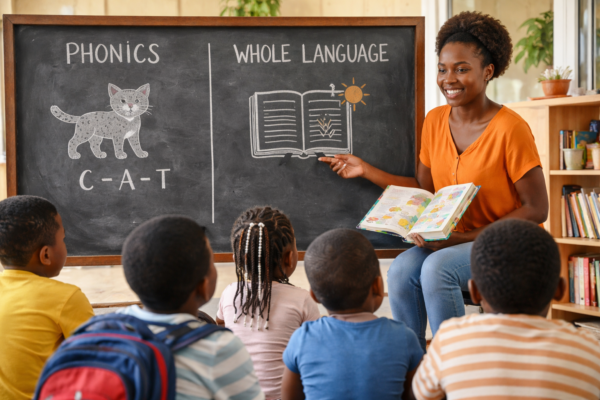
Finding the Right Balance in Early Reading: How Much Phonics Instruction Do Students Really Need?

Learning to read is one of the most important milestones in a child’s education. Strong reading skills allow students to understand new ideas, succeed academically, and develop confidence in their learning abilities. Because reading is such a foundational skill, educators have spent decades researching the most effective ways to teach it. One of the most…

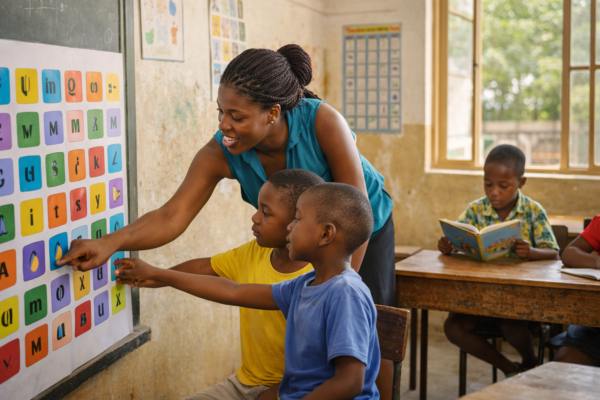
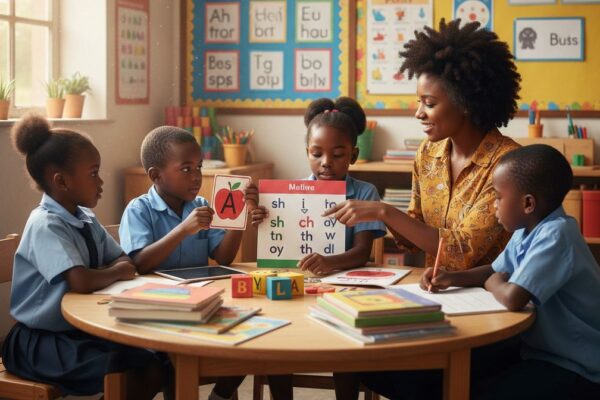
Elementary teacher guiding young students through phonics reading lesson using letter sounds and word blending chart in classroom.

Phonics for Struggling Readers: Practical Strategies to Build Confidence and Fluency

Learning to read is one of the most important milestones in a child’s educational journey. While many children gradually develop reading skills through exposure and practice, others struggle with recognizing words, connecting letters to sounds, or reading fluently. These challenges can affect not only academic performance but also a child’s self-confidence. When reading becomes frustrating,…

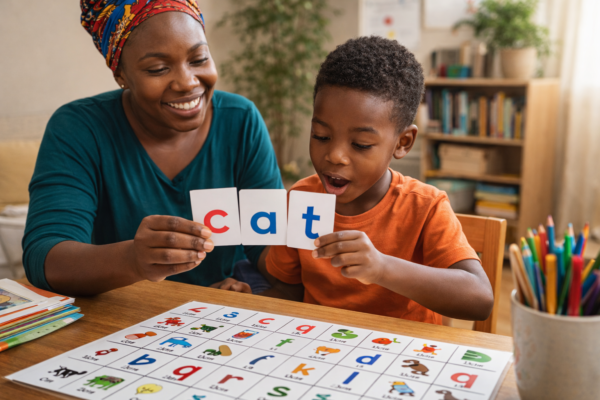
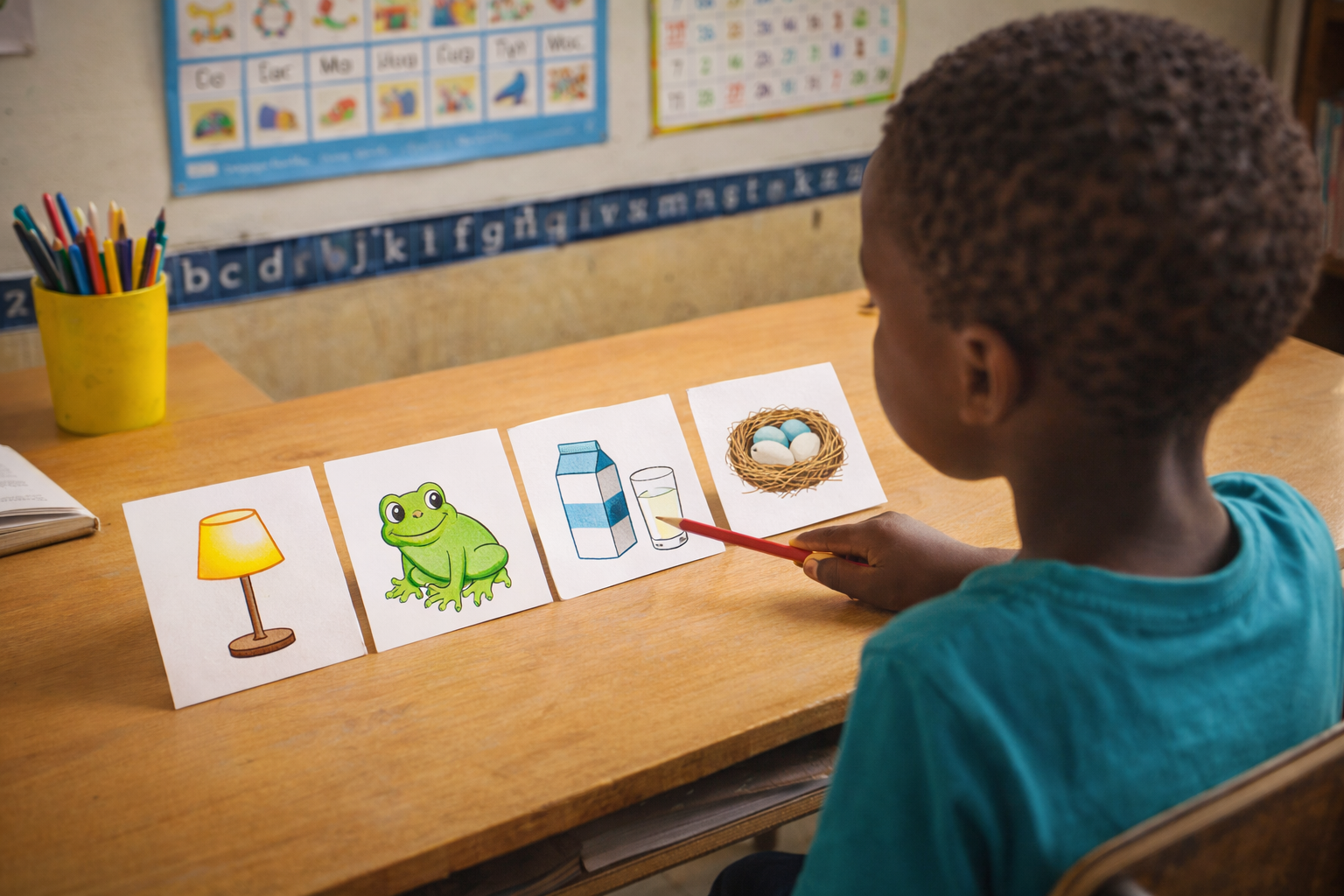
Teacher helping a struggling reader practice phonics sounds using letter cards to improve reading confidence and fluency.

Creative and Effective Ways to Teach Kids Phonics

Teaching children to read is one of the most impactful responsibilities in early education. As a literacy-focused approach, phonics instruction plays a central role in helping children decode words, build reading fluency, and develop long-term comprehension skills. In my experience working with early readers (ages 4–7), I’ve seen a clear pattern: children make faster, more…

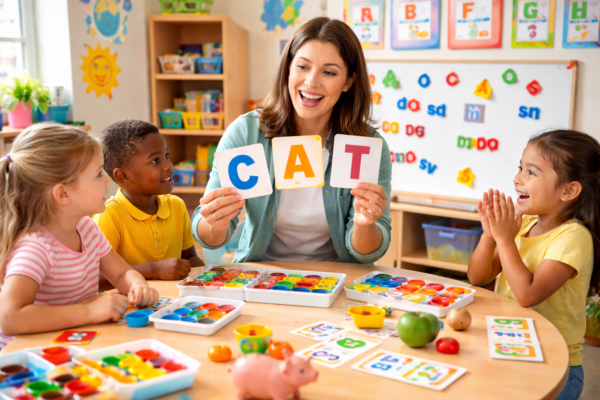
Teacher using colorful letter cards and hands-on phonics activities with young children in a bright classroom setting

Reading Skills: A Fresh Look at Phonics and Why It Matters

Understanding how children learn to read is one of the most important—and often misunderstood—questions facing parents and educators today. Through years of observing early readers and reviewing evidence-based literacy practices, one conclusion consistently stands out: phonics instruction plays a foundational role in successful reading development. In classrooms and homes where phonics is taught systematically, children…

A teacher guiding young students through phonics reading activities, focusing on letter sounds and early literacy development.

Decodable Texts Explained: Why They Matter in Phonics Instruction

Learning to read is one of the most critical milestones in a child’s education. Yet for many early learners—and especially for children who struggle with reading—the connection between letters and sounds can feel confusing and overwhelming. Through working with early readers and reviewing evidence-based literacy practices, one instructional tool consistently stands out: decodable texts. Decodable…

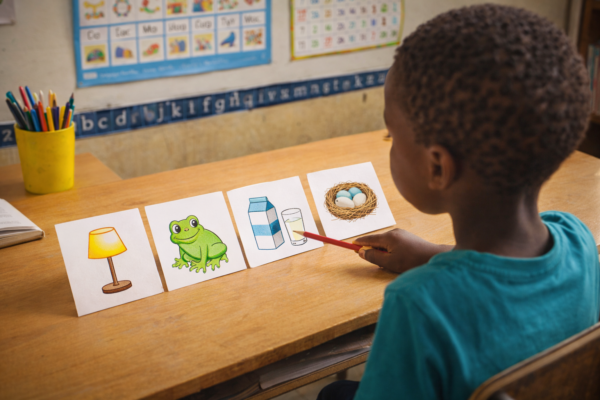
Decodable Texts used in phonics instruction to help early readers build decoding and reading confidence

How Phonics Helps With Reading Comprehension and Word Decoding

Learning to read is one of the most important skills a person develops in life. It affects academic success, communication, confidence, and lifelong learning. At the heart of strong reading ability lies phonics—a foundational approach that helps readers understand how letters and sounds work together. While phonics is often associated with early childhood education, its…

How phonics instruction improves reading comprehension and word decoding skills in early readers

Creative Phonics Games and Games to Improve Letter-Sound Recognition

Learning to read begins with understanding how letters and sounds work together. For many children, especially early learners, phonics instruction becomes more effective and enjoyable when it is delivered through play. Creative phonics games help children connect letters to their sounds naturally, building a strong foundation for reading, spelling, and overall literacy. This article explores…

Young children playing phonics games in a classroom, using letter cards and visual aids to improve letter-sound recognition and early reading skills