







Raising a child is one of the most meaningful responsibilities a parent can undertake. Children need more than food, clothing, education, and a safe home. They also need guidance, encouragement, boundaries, emotional support, moral instruction, and opportunities to develop independence.
The challenge is that there is no single parenting method that works perfectly for every child.
Children have different personalities, abilities, needs, experiences, and stages of development. What works for a five-year-old may not work for a teenager. Effective parental guidance therefore requires parents to remain attentive, flexible, patient, and willing to learn.
Religious and moral traditions have long emphasized the responsibility of adults to guide younger generations. One example is the wisdom found in Proverbs 22:6:
“Train up a child in the way he should go: and when he is old, he will not depart from it.” — Proverbs 22:6, KJV
While religious texts can offer valuable moral and spiritual insights, good parental guidance also involves practical parenting principles supported by child-development knowledge and everyday experience.
Here are 15 effective strategies parents can use to guide children toward becoming responsible, confident, compassionate, and independent adults.
1. Lead by Example
Children learn by observing the adults around them.
Parents who want their children to become honest, respectful, patient, responsible, and compassionate should demonstrate those qualities in their own behavior.
For example, telling a child to speak respectfully while regularly shouting at other people sends conflicting messages.
Instead of simply saying:
“Be respectful.”
Try demonstrating respectful communication during disagreements.
Likewise, if you want your child to develop healthy habits, allow them to see you practicing those habits yourself.
Children may not remember every lecture their parents give them, but they often remember what parents consistently demonstrate.
Practical tip
Before correcting a child’s behavior, ask yourself:
“Is this a behavior I regularly demonstrate?”
That simple question can make parenting more intentional.
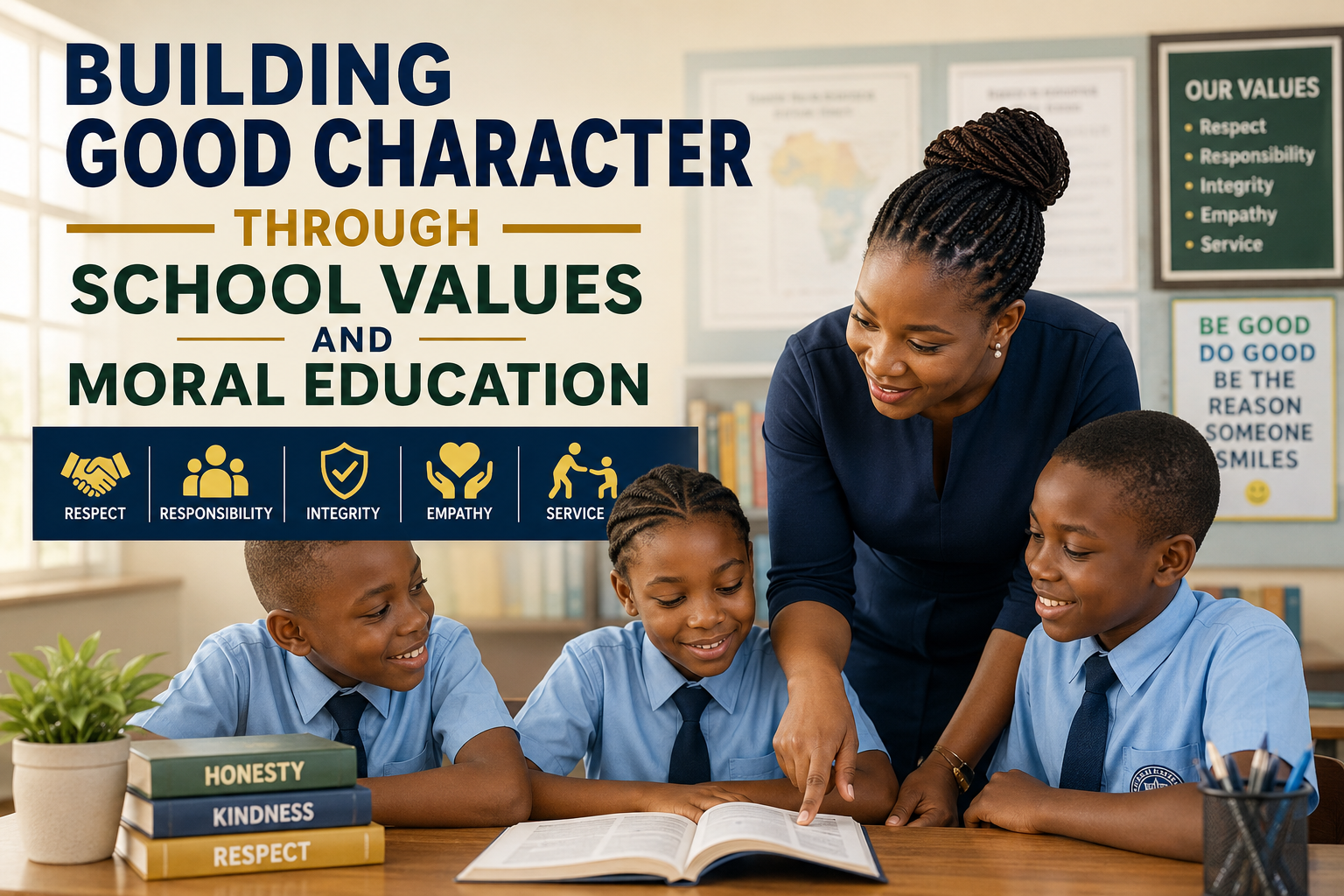
2. Teach Children Values and Moral Principles
Children need help understanding the difference between right and wrong.
Parents can teach values such as:
- Honesty
- Kindness
- Respect
- Responsibility
- Compassion
- Fairness
- Self-control
- Gratitude
- Integrity
- Respect for others
Religious families may teach these principles through sacred texts, worship, prayer, and religious traditions. Families who are less religious may use ethical discussions, cultural traditions, community values, and everyday experiences.
The important thing is to explain why a value matters rather than simply demanding obedience.
For example, instead of saying:
“Don’t lie because I said so,”
parents can explain how dishonesty damages trust and relationships.
3. Communicate Openly With Your Children
Good parental guidance begins with good communication.
The advice in James 1:19 provides a useful principle for communication:
“Let every man be swift to hear, slow to speak, slow to wrath.”
Although this comes from a religious text, the principle of listening carefully before reacting is valuable in almost every family.
When a child comes to you with a problem, resist the temptation to immediately lecture or criticize.
Instead:
- Listen carefully.
- Ask questions.
- Acknowledge their feelings.
- Understand what happened.
- Then provide appropriate guidance.
A child who feels heard is more likely to continue communicating with a parent when more serious problems arise.
4. Establish Clear and Consistent Boundaries
Children need boundaries.
Rules help children understand expectations and learn that actions have consequences.
Depending on their age, children may need clear expectations regarding:
- Bedtime
- Homework
- Household responsibilities
- Screen time
- Internet use
- Respectful communication
- Personal hygiene
- Friendships
- Money
- School attendance
- Family responsibilities
Rules should be understandable and appropriate for the child’s age.
Consistency is equally important.
If a rule changes every day depending on a parent’s mood, children may struggle to understand expectations.
Remember
Firm does not have to mean harsh.
Parents can maintain boundaries while remaining calm, respectful, and affectionate.
5. Correct Children With Patience and Respect
Children make mistakes. Mistakes are part of learning.
The purpose of correction should be to help children understand what went wrong and develop better ways of responding in the future.
Healthy correction can involve:
- Explaining the problem
- Discussing consequences
- Setting reasonable limits
- Helping the child repair harm
- Teaching alternative behavior
- Encouraging better choices
Parents should avoid humiliating, insulting, or frightening children.
A child who makes a mistake should learn:
“I made a poor choice, and I can learn from it.”
rather than:
“I am a bad person.”
That distinction can have a significant effect on a child’s developing sense of self-worth.
6. Teach Children Responsibility
Responsibility should be taught gradually.
Children can be given age-appropriate responsibilities at home and in other areas of life.
You might encourage a young child to:
- Put away toys
- Keep personal belongings organized
- Help with simple household tasks
Older children may be responsible for:
- Completing assignments
- Managing personal schedules
- Helping around the home
- Caring for pets
- Managing an allowance
- Keeping commitments
The goal is not to overload children with responsibilities. It is to gradually teach them that they have a role to play in their family and community.
7. Teach Children How to Make Decisions
Parents naturally want to protect their children from bad decisions.
However, making every decision for a child can make it difficult for that child to develop independent judgment.
Instead, teach children how to think through decisions.
When appropriate, ask:
“What choices do you have?”
“What could happen if you choose this option?”
“How might this affect another person?”
“What would be the responsible thing to do?”
As children grow older, they should gradually become more capable of evaluating risks, considering consequences, and making responsible choices.
8. Encourage Spiritual and Personal Reflection
For families who value religion or spirituality, children can be encouraged to develop their own understanding of faith, purpose, gratitude, compassion, and personal responsibility.
This might include:
- Prayer
- Reading sacred texts
- Religious services
- Meditation
- Family discussions
- Community service
- Spiritual reflection
However, spiritual development should also leave room for children to ask questions.
Children naturally become curious about life, morality, suffering, purpose, and belief.
Rather than being afraid of difficult questions, parents can use them as opportunities for meaningful conversations.
Families who are not religious can similarly encourage children to reflect on personal values, purpose, ethics, relationships, and their responsibilities toward others.
9. Teach Children Gratitude
Children can easily become focused on what they want next.
Parents can help them develop gratitude by encouraging them to recognize the people, opportunities, experiences, and resources they already have.
Simple practices include asking:
“What are you grateful for today?”
Families may also create a gratitude journal or discuss positive experiences during family meals.
Gratitude does not mean teaching children to ignore genuine difficulties.
Rather, it helps them recognize positive aspects of life while learning to appreciate others.
10. Provide Guidance About Technology and Social Media
Modern parenting includes digital parenting.
Children can encounter inappropriate material, cyberbullying, scams, misinformation, unhealthy relationships, and excessive screen use online.
Parents should therefore take an active interest in their children’s digital lives.
Depending on the child’s age, parents can discuss:
- Online privacy
- Password security
- Cyberbullying
- Appropriate content
- Stranger danger
- Sharing personal information
- Social media behavior
- Screen-time habits
- Digital footprints
The objective should not simply be to control technology.
Children also need to learn how to use technology responsibly when parents are not watching.
11. Help Children Build Healthy Friendships
Friendships become increasingly important as children grow.
Parents should help children understand the characteristics of healthy relationships.
A healthy friendship generally involves:
- Mutual respect
- Trust
- Kindness
- Appropriate boundaries
- Honest communication
- Support
- Reciprocity
Children should also learn to recognize unhealthy behavior, including manipulation, bullying, intimidation, humiliation, and persistent disrespect.
Parents should avoid choosing every friend for their children. Instead, help them develop the judgment necessary to recognize healthy relationships.
12. Encourage Education and Curiosity
Education extends beyond school examinations.
Parents can encourage children to ask questions, read widely, explore their interests, learn practical skills, and develop problem-solving abilities.
Create an environment where saying:
“I don’t know. Let’s find out.”
is perfectly acceptable.
Children should understand that not knowing something is not failure.
Curiosity is often the beginning of learning.
Parents can support this by:
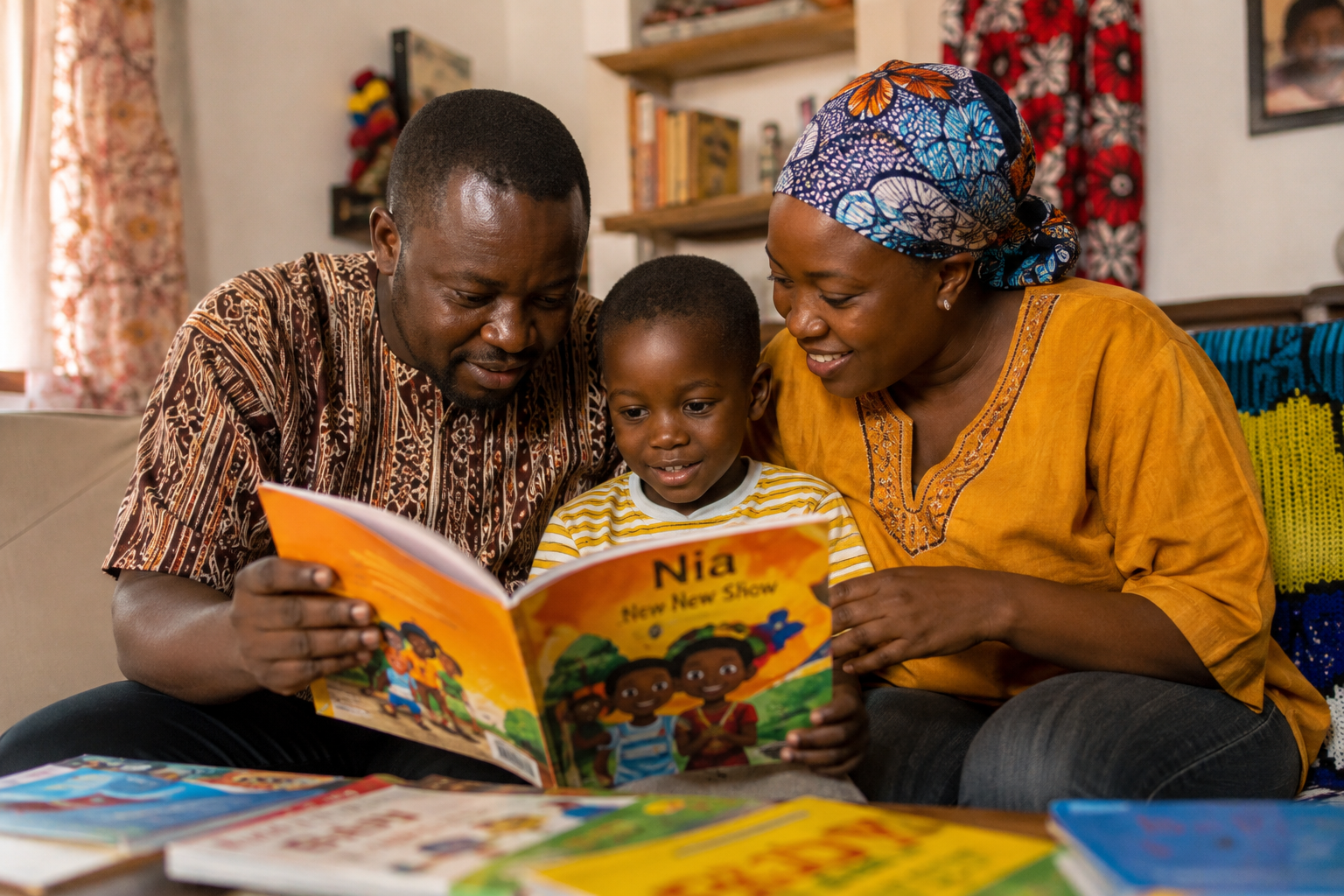
- Reading with children
- Visiting libraries and museums
- Encouraging hobbies
- Discussing current events appropriately
- Supporting creative activities
- Encouraging questions
- Celebrating effort and progress
13. Teach Compassion and Service
Children should learn that life is not only about personal achievement.
They can also learn to care about other people.
Parents can encourage compassion through simple activities such as:
- Helping someone who needs assistance
- Sharing appropriately
- Volunteering as a family
- Supporting community initiatives
- Caring for animals
- Helping younger children
- Visiting or assisting elderly relatives
Religious traditions often place strong emphasis on compassion and service, but these values can also be taught through secular ethical education and community involvement.
The objective is to help children understand that their actions can positively or negatively affect other people.
14. Create Meaningful Family Time
Children need quality relationships with their parents.
A busy family schedule can make meaningful interaction difficult, but family connection does not always require expensive activities.
Parents can create meaningful moments by:
- Eating meals together
- Taking walks
- Playing games
- Cooking together
- Reading together
- Discussing the day’s experiences
- Having family meetings
- Celebrating achievements
- Practicing family traditions
Sometimes the simplest moments become the memories children carry into adulthood.
The important thing is to create opportunities for children to feel seen, heard, loved, and valued.
15. Encourage Children and Celebrate Their Progress
Children need correction, but they also need encouragement.
Parents should recognize effort, improvement, perseverance, kindness, creativity, and responsible behavior.
Instead of focusing only on outcomes, acknowledge the process.
For example:
“I noticed how hard you worked on that project.”
can be more meaningful than:
“You got the highest score.”
Encouragement should be sincere rather than excessive praise.
Children need to know that their worth does not depend entirely on grades, achievements, popularity, appearance, or material success.
15 Key Lessons for Parents
Effective parental guidance is not about raising perfect children.
It is about helping children gradually develop the knowledge, character, emotional skills, values, and confidence they need to navigate life.
The 15 strategies discussed in this article are:
- Lead by example.
- Teach values and moral principles.
- Communicate openly.
- Establish clear boundaries.
- Correct with patience and respect.
- Teach responsibility.
- Develop decision-making skills.
- Encourage spiritual and personal reflection.
- Teach gratitude.
- Provide digital guidance.
- Encourage healthy friendships.
- Support education and curiosity.
- Teach compassion and service.
- Create meaningful family time.
- Encourage children and celebrate progress.
What the Bible Says About Guiding Children
Although this article is written for a broad religious and family audience, several biblical passages provide useful reflections on parenting and the responsibility of adults toward children.
Proverbs 22:6
“Train up a child in the way he should go: and when he is old, he will not depart from it.”
This passage emphasizes intentional guidance and instruction.
Ephesians 6:4
“And, ye fathers, provoke not your children to wrath: but bring them up in the nurture and admonition of the Lord.”
This passage highlights the importance of raising children through instruction rather than provoking them unnecessarily.
James 1:19
“Let every man be swift to hear, slow to speak, slow to wrath.”
This offers a useful principle for family communication: listen carefully before reacting.
Proverbs 13:20
“He that walketh with wise men shall be wise: but a companion of fools shall be destroyed.”
This passage can encourage conversations about friendships, influence, and wise choices.
Editorial note: Scripture quotations should be checked against the specific Bible translation used by your publication before publishing. If using a copyrighted modern translation, confirm that the quotation falls within that translation’s permitted quotation limits and attribution requirements.
Frequently Asked Questions About Parental Guidance for Children
What is parental guidance?
Parental guidance is the process through which parents or caregivers help children develop appropriate behavior, values, decision-making skills, emotional maturity, responsibility, independence, and social skills.
Why is parental guidance important?
Children are still developing the skills they need to understand relationships, manage emotions, evaluate choices, and deal with challenges. Consistent parental guidance provides structure while allowing children to gradually become independent.
What are the most important parenting strategies?
Some of the most important strategies include modeling good behavior, maintaining open communication, establishing appropriate boundaries, teaching responsibility, encouraging healthy relationships, supporting education, and providing emotional support.
How should parents discipline children?
Discipline should teach rather than simply punish. Parents can establish clear expectations, use reasonable consequences, explain inappropriate behavior, and help children understand how to make better choices.
How can parents guide children without being too controlling?
Parents can provide age-appropriate boundaries while giving children opportunities to make choices. As children mature, parents can gradually increase their independence and responsibility.
How can parents guide children in the digital age?
Parents should talk openly about online safety, privacy, cyberbullying, inappropriate content, social media, screen time, and responsible digital behavior. The goal should be to develop good digital judgment rather than relying entirely on surveillance.
How can parents support their children’s spiritual development?
Families can explore faith and spirituality through prayer, religious education, sacred texts, worship, service, reflection, and conversations about values. Children should also be given opportunities to ask questions and develop thoughtful understanding.
Final Thoughts
Parental guidance is a continuous journey.
There will be days when parenting feels easy and other days when it feels overwhelming. Children will make mistakes, test boundaries, ask difficult questions, and sometimes make choices that concern their parents.
These moments do not necessarily mean that parents have failed.
They are opportunities for teaching, communication, correction, encouragement, and growth.
The ultimate goal of parental guidance is not to control every aspect of a child’s life. It is to help children gradually develop the wisdom and character necessary to make responsible decisions for themselves.
A parent provides the foundation.
A child eventually learns how to build upon it.
A Short Reflection for Parents
Take a moment to consider:
Am I listening to my child as much as I am instructing them?
Do my actions reflect the values I expect my child to develop?
Are my rules clear and consistent?
Does my child know that they can come to me when they make a mistake?
Am I preparing my child to make wise decisions independently?
These questions can help parents continually improve their approach to raising children.
Author Bio
About the Author
Blessing Sunday is a family, parenting, and personal development writer passionate about creating practical, values-based content that helps parents and families navigate everyday challenges. Through accessible research and thoughtful writing, Blessing Sunday explores parenting, child development, family relationships, education, character development, and personal growth.
Reviewed by: Luke Madaki
Professional title: Master’s in Conflict Resolution
Editorial focus: Parenting, family wellbeing, child development, and educational content
Last reviewed: September 2026
Editorial Statement
Our editorial team aims to provide accurate, useful, respectful, and responsibly presented information. Articles concerning parenting and child development are reviewed for clarity, factual accuracy, appropriate sourcing, and age-appropriate recommendations.
Religious references are presented in their appropriate context and are not intended to replace professional medical, psychological, educational, or safeguarding advice.
Recommended source categories include:
- American Academy of Pediatrics (AAP) — child health, development, family relationships, digital media, and parenting.
- UNICEF — child rights, parenting, child development, education, and child protection.
- World Health Organization (WHO) — child and adolescent health and development.
- Harvard Center on the Developing Child — child development, relationships, resilience, and early childhood development.
- U.S. Centers for Disease Control and Prevention (CDC) — child development and positive parenting resources.
- Bible or other recognized sacred-text sources — for religious quotations and references.
Written by: Blessing Sunday
Reviewed by: Luke Madaki
Published: 2/9/2026
Last Updated: 2/9/2026
Editorial Disclaimer
This article provides general educational information about parenting and family guidance. Every child and family is different, and parenting decisions should take into account the child’s age, developmental needs, circumstances, culture, and safety. Where a child faces significant emotional, behavioral, developmental, educational, or safeguarding concerns, parents and caregivers should seek advice from an appropriately qualified professional.