




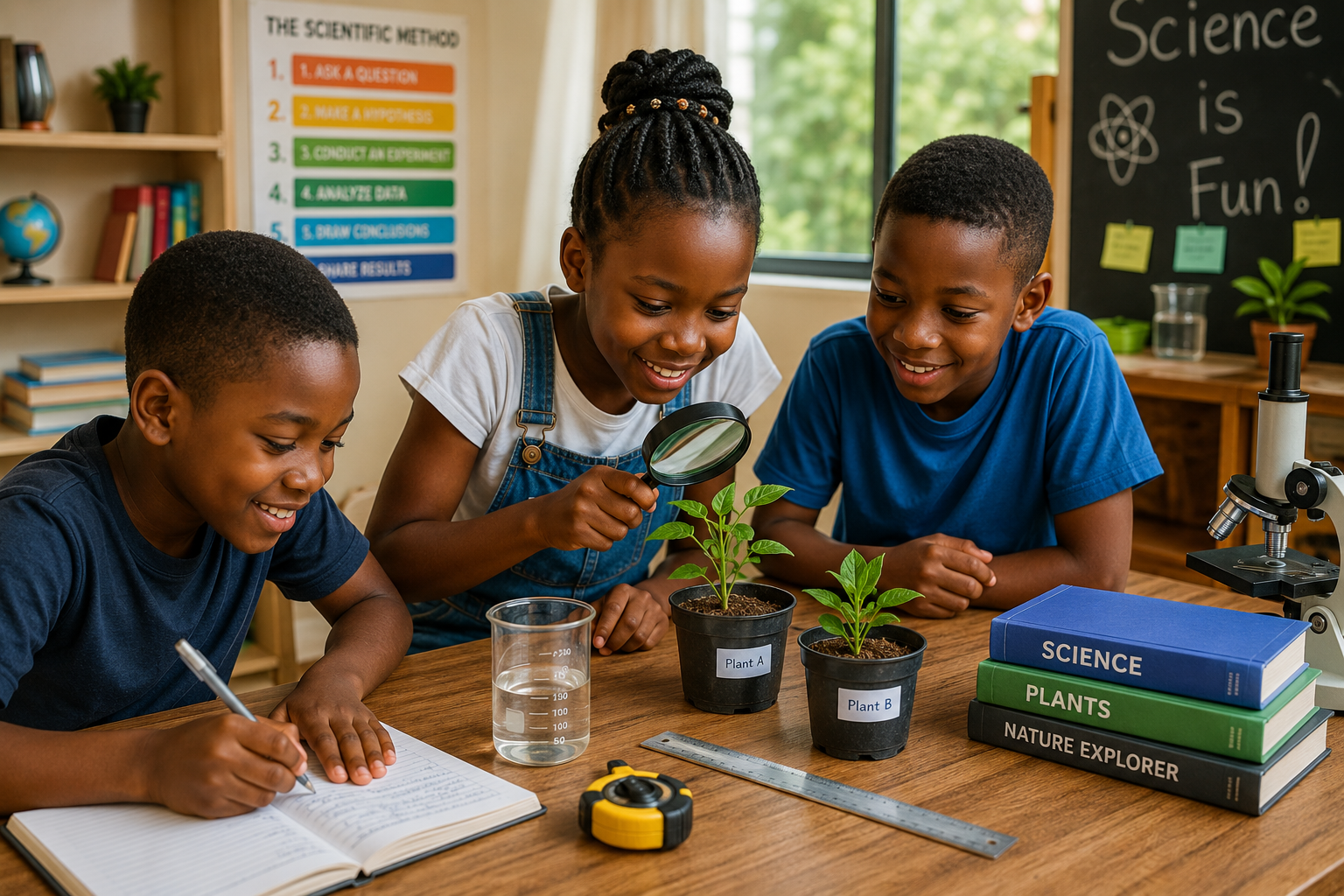


Raising children successfully involves much more than helping them perform well in school. While academic education is important, children also need practical life skills that prepare them for everyday responsibilities, healthy relationships, emotional resilience, and independent adulthood.
Many parents discover that children gain confidence faster when they are trusted with small responsibilities early in life. Something as simple as allowing a toddler to help clean up toys or encouraging a teenager to manage a weekly budget can gradually build independence and self-esteem over time.
According to the American Academy of Pediatrics, children develop confidence and resilience when they are allowed to practice age-appropriate independence and problem-solving skills. Experts also emphasize that life skills are best taught gradually through daily routines, guidance, and real-world experiences rather than strict lectures alone.
This article explores essential life skills children should learn at different stages of development, including practical examples parents and caregivers can introduce naturally at home.
Why Life Skills Matter During Childhood
Life skills help children navigate everyday situations with greater confidence and responsibility. These abilities influence how children communicate, solve problems, manage emotions, and handle future adult responsibilities.
Research from UNICEF highlights that children who develop practical and social skills early are often better prepared to adapt to challenges, build healthy relationships, and make responsible decisions later in life.
Parents and caregivers often notice several positive changes when children are encouraged to practice independence consistently:
- Increased confidence
- Better emotional control
- Improved communication
- Stronger decision-making abilities
- Greater responsibility at home and school
Rather than expecting children to suddenly become independent adults, teaching life skills gradually allows them to develop maturity step by step.
Life Skills for Toddlers and Preschoolers (Ages 2–5)
The early years are one of the best times to introduce simple routines and responsibilities. At this age, children learn primarily through repetition, observation, and encouragement.
Building Simple Daily Responsibilities
Small household tasks help young children understand responsibility and cooperation.
Age-appropriate examples include:
- Putting toys away after playtime
- Placing dirty clothes in a laundry basket
- Carrying their own cup or plate
- Helping wipe small spills
- Feeding pets with supervision
Many parents find that turning chores into games makes children more willing to participate. For example, saying “Let’s see how fast we can clean up together” often works better than repeated commands.
These small responsibilities help children begin developing independence in a positive and supportive way.
Encouraging Communication Skills
Children should also learn how to express their emotions, needs, and frustrations respectfully.
Parents can encourage communication skills by teaching children:
- Basic polite phrases like “please” and “thank you”
- How to ask for help calmly
- Simple emotional vocabulary such as happy, sad, angry, frustrated, or scared
- How to listen when others are speaking
Child development experts from the Child Mind Institute emphasize that helping children identify emotions early can improve emotional regulation and social development later in life.
One helpful approach many caregivers use is naming emotions during daily situations:
“You seem frustrated because the toy isn’t working.”
This helps children gradually understand and communicate their feelings more effectively.
Teaching Basic Hygiene Habits
Good hygiene habits established early often become lifelong routines.
Important hygiene skills include:
- Washing hands properly
- Brushing teeth regularly
- Covering the mouth when coughing or sneezing
- Bathing consistently
- Tidying personal spaces
According to the Centers for Disease Control and Prevention, consistent hygiene routines help reduce illness and promote healthy development.
Parents often achieve better results when hygiene routines are predictable and consistent rather than enforced only during problems or illness.
Important Life Skills for Early School-Age Children (Ages 6–9)
As children enter school, they become more capable of handling structured tasks, routines, and basic problem-solving independently.
Learning Time Management and Organization
Children in this age group benefit from learning how to manage simple responsibilities without constant reminders.
Helpful skills include:
- Packing school bags independently
- Following morning and bedtime routines
- Setting simple alarms
- Completing homework on time
- Organizing school materials
Many parents notice children become more cooperative when routines are visual and predictable. Simple checklists or charts can help children feel more responsible for their own tasks.
These habits gradually strengthen discipline and personal accountability.
Introducing Money Awareness
Financial literacy can begin much earlier than many parents realize.
Children do not need advanced financial lessons at this stage, but they can begin understanding:
- The difference between needs and wants
- Saving money gradually
- Counting money during purchases
- Why budgeting matters
For example, giving a child a small weekly allowance and encouraging them to save part of it can introduce delayed gratification and financial discipline naturally.
Research from the Consumer Financial Protection Bureau suggests that money habits and financial behaviors often begin forming during childhood.
Encouraging Problem-Solving Skills
Children should gradually learn how to think through challenges instead of depending entirely on adults for solutions.
Parents can support this by:
- Allowing children to make small decisions
- Asking guiding questions instead of immediately solving problems
- Encouraging patience during difficult tasks
- Praising effort and persistence
For example, if a child struggles with a puzzle or school assignment, parents can ask:
“What do you think you could try next?”
This helps build confidence, resilience, and critical thinking abilities.
Practical Life Skills for Preteens (Ages 10–12)
Preteens are often ready for greater independence and more practical real-world responsibilities.
Learning Basic Cooking Skills
Simple cooking tasks teach responsibility, safety, nutrition awareness, and self-care.
Children at this stage can begin learning how to:
- Prepare simple breakfasts or snacks
- Use kitchen tools safely with supervision
- Read basic food labels
- Understand healthy eating habits
- Clean up after cooking
Many families find that involving children in meal preparation also encourages healthier eating choices because children become more interested in foods they helped prepare.
The American Heart Association notes that involving children in food preparation may help encourage healthier lifelong eating habits.
Understanding Safety and Emergencies
Preteens should begin learning how to stay calm and respond appropriately during emergencies.
Important lessons include:
- Knowing emergency phone numbers
- Understanding home safety rules
- Recognizing unsafe situations
- Basic first-aid awareness
- What to do if lost in public
Parents can make safety discussions less frightening by using calm, realistic examples rather than fear-based warnings.
For instance:
“If there’s smoke in the house, your first job is to get outside safely and call for help.”
Practical preparation often helps children feel more confident rather than anxious.
Developing Emotional Intelligence
As children grow older, emotional awareness becomes increasingly important.
Parents can help children learn how to:
- Handle disappointment respectfully
- Apologize sincerely
- Understand other people’s feelings
- Manage frustration without aggression
- Communicate calmly during conflict
Many caregivers notice that children respond better to emotional coaching when adults model calm behavior themselves.
For example, saying:
“I’m upset right now, so I’m taking a moment to calm down before we continue talking.”
This demonstrates healthy emotional regulation in real time.
Psychologists from the American Psychological Association emphasize that emotional regulation skills contribute to healthier relationships and improved coping abilities.
Essential Life Skills for Teenagers (Ages 13–18)
Teenagers are preparing for adulthood, making this stage especially important for practical, emotional, and financial independence.
Managing Personal Responsibilities
Teenagers should gradually learn how to manage parts of daily life independently.
Important responsibilities include:
- Doing laundry
- Cleaning personal spaces
- Managing study schedules
- Keeping track of appointments
- Taking responsibility for personal belongings
Parents often find that teenagers become more responsible when expectations are consistent and explained clearly rather than enforced through constant criticism.
These responsibilities prepare teenagers for university, work, and independent living.
Financial Responsibility for Teenagers
Teenagers should develop stronger financial management skills before adulthood.
Important financial lessons include:
- Creating simple budgets
- Saving toward personal goals
- Responsible debit card or bank account use
- Understanding impulsive spending
- Comparing prices before purchases
One practical strategy many parents use is helping teenagers divide money into categories:
- Spending
- Saving
- Giving
This simple system teaches financial balance and planning.
According to the National Financial Educators Council, early financial education can improve long-term money management behaviors and financial confidence.
Communication and Social Skills
Strong communication skills are essential during adolescence and adulthood.
Teenagers benefit from learning how to:
- Communicate respectfully during disagreements
- Listen actively
- Set healthy boundaries
- Ask for help when needed
- Handle peer pressure confidently
These skills help teenagers navigate friendships, online interactions, workplace environments, and future relationships more effectively.
Digital Responsibility and Internet Safety
Modern teenagers spend significant time online, making digital literacy and internet safety critical life skills.
Parents should discuss:
- Online privacy and personal information
- Recognizing scams and phishing attempts
- Misinformation and manipulated content
- Respectful behavior online
- Healthy screen-time boundaries
Experts from Common Sense Media recommend having ongoing conversations about internet safety instead of relying only on restrictions or punishments.
For example, discussing real-world examples of online scams can help teenagers recognize warning signs more effectively.
How Parents Can Teach Life Skills Effectively
Children learn life skills most effectively through observation, consistency, encouragement, and practice.
Lead by Example
Children often copy adult behavior more than adult instructions.
Demonstrating patience, responsibility, honesty, and emotional control teaches powerful lessons naturally.
For example, children who regularly observe adults budgeting responsibly or communicating respectfully during disagreements are more likely to adopt those behaviors themselves.
Allow Mistakes and Learning Opportunities
Children need opportunities to try, fail, and improve.
Parents who solve every problem immediately may unintentionally prevent children from developing resilience and independence.
Mistakes can become valuable teaching moments when handled calmly and constructively.
Teach Skills Gradually
Life skills should match a child’s age and emotional maturity.
Introducing responsibilities step by step prevents overwhelm and helps children build confidence steadily over time.
Children often respond better when new responsibilities expand slightly on skills they have already mastered.
Encourage Independence While Providing Support
Supporting independence does not mean removing guidance completely.
Instead, it means allowing children to practice skills while knowing help is available if needed.
This balance helps children develop both confidence and emotional security.
Common Mistakes Parents Make When Teaching Life Skills
Even well-meaning parents sometimes unintentionally make life-skill development harder.
Common mistakes include:
- Doing everything for children
- Expecting perfection too quickly
- Comparing children to siblings or peers
- Using shame during mistakes
- Teaching too many responsibilities at once
Children learn best when responsibilities are introduced gradually, consistently, and with patience.
The Long-Term Benefits of Teaching Life Skills Early
Children who develop practical life skills early are often better prepared for adulthood and everyday responsibilities.
These skills contribute to:
- Greater self-confidence
- Better decision-making
- Stronger emotional resilience
- Improved communication
- Increased independence
- Better adaptability during challenges
Most importantly, life skills help children become capable adults who can manage both practical and emotional aspects of life successfully.
Conclusion
Helping children develop life skills is one of the most valuable forms of preparation parents and caregivers can provide. While schools teach academic subjects, many essential abilities are learned through everyday experiences at home.
From teaching toddlers basic responsibility to helping teenagers manage finances and digital safety, every stage of childhood offers opportunities to build confidence, resilience, and independence.
Parents do not need to teach everything perfectly. In most cases, children learn best through consistent guidance, patience, real-world practice, and supportive encouragement over time.
Ultimately, raising capable children is not about perfection. It is about giving them the practical tools, emotional strength, and confidence they need to navigate life successfully.