






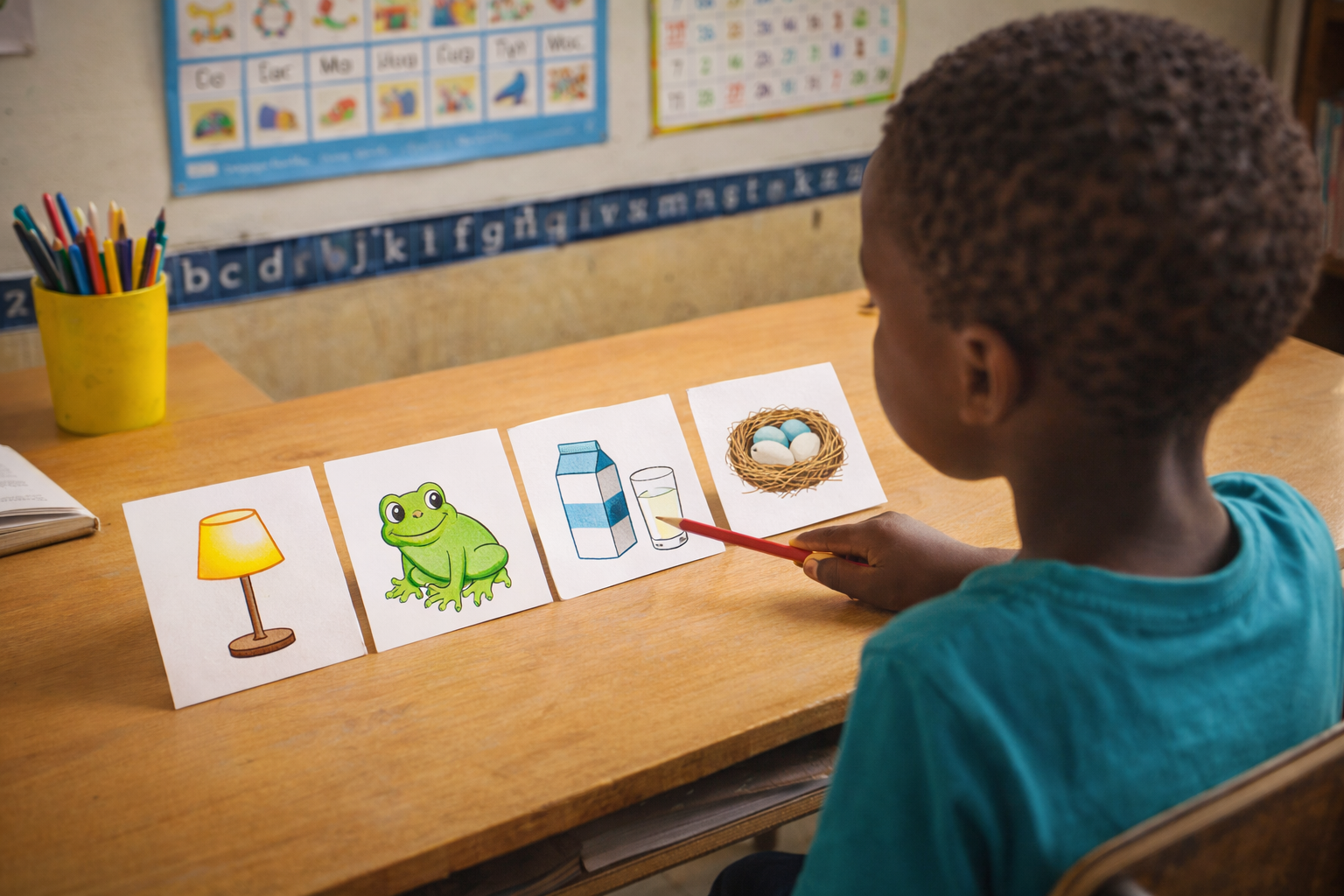




Teaching children how to read is one of the most critical responsibilities in education. Yet for decades, schools have debated the most effective way to build strong literacy skills. Today, that debate is being reshaped by a large and growing body of research known as the science of reading.
Unlike past approaches driven by trends or philosophy, this shift is grounded in decades of interdisciplinary research from cognitive science, linguistics, and education. Influential findings from the National Reading Panel and organizations like the International Dyslexia Association have established a clear, evidence-based framework for how children learn to read—and how teachers can teach more effectively.
This article explores not just the theory, but how these methods are actively transforming classrooms, backed by research and real teaching experiences.
What Is Evidence-Based Reading Instruction?
Evidence-based reading instruction refers to teaching practices that are systematic, explicit, and grounded in scientific research on how the brain learns to read.
The National Reading Panel Report identified five essential components of effective reading instruction:
- Phonemic awareness – recognizing and manipulating sounds in spoken language
- Phonics – understanding the relationship between letters and sounds
- Fluency – reading with speed, accuracy, and proper expression
- Vocabulary – understanding word meanings
- Comprehension – making meaning from text
These components are often illustrated through frameworks like Scarborough’s Reading Rope, which shows how decoding and language comprehension must work together for skilled reading.
Why Reading Instruction Needed a Shift
For years, many classrooms relied on approaches that encouraged students to guess words using pictures or context clues. While these methods worked for some learners, long-term data revealed a serious issue: many students were not developing strong decoding skills.
According to findings summarized by the Institute of Education Sciences, a significant percentage of students struggled with reading proficiency by the end of primary school.
A Real Classroom Scenario
In one early-grade classroom, a teacher noticed that several students could “read” familiar storybooks fluently—but stumbled when given new, unfamiliar texts.
They relied heavily on pictures and memorization rather than decoding words.
After introducing structured phonics instruction, the same students began sounding out words independently within weeks. Their reading accuracy improved, and their confidence increased noticeably.
This kind of transformation is exactly what research predicts.
What Research Reveals About How Children Learn to Read
Scientific research shows that reading is not a natural process like speaking. The brain must build new neural pathways to connect visual symbols (letters) with sounds and meaning.
Experts in cognitive science describe this process as orthographic mapping—where repeated exposure to letter-sound patterns helps words become instantly recognizable.
Why Phonics and Decoding Matter
The International Dyslexia Association emphasizes that explicit, systematic phonics instruction is essential, especially for struggling readers.
Students who receive structured phonics instruction are more likely to:
- Decode unfamiliar words accurately
- Read more fluently over time
- Develop stronger comprehension skills
Without this foundation, many learners fall back on guessing strategies, which limit long-term progress.
The Power of Early Intervention
Research consistently shows that early intervention is one of the most effective ways to prevent reading difficulties.
According to the Institute of Education Sciences:
- Students who receive targeted reading support in early grades are significantly more likely to reach proficiency
- Delayed intervention often leads to widening achievement gaps
Classroom Insight
A literacy specialist working with first-grade students reported that children who received daily 20-minute structured reading sessions showed measurable improvement within a single term—especially those previously identified as “at risk.”
The earlier the support begins, the easier it is to close learning gaps.
How Classrooms Are Adapting Today
Schools across many countries are now aligning their teaching methods with research-backed practices.
Structured Literacy in Action
Structured literacy is one of the most widely adopted approaches. It involves:
- Explicit instruction (teachers clearly explain concepts)
- Systematic progression (skills taught in a logical sequence)
- Continuous assessment
What It Looks Like in Practice
In a structured literacy classroom:
- A lesson may begin with sound drills (phonemic awareness)
- Followed by letter-sound instruction (phonics)
- Then guided reading practice
- Ending with comprehension discussion
Teachers actively guide students rather than expecting them to infer patterns on their own.
The Growing Role of Teacher Training
One of the biggest insights from research is that effective reading instruction depends heavily on teacher knowledge.
Organizations like the International Dyslexia Association stress that many teachers historically were not trained in the science of reading.
What’s Changing
Modern training programs now focus on:
- How the brain learns to read
- Evidence-based teaching strategies
- Identifying early signs of reading difficulty
Real-World Impact
Teachers who undergo this training often report:
- Greater confidence in teaching reading
- Improved student outcomes
- More targeted support for struggling learners
Using Data to Drive Better Instruction
Another major shift is the increased use of data and assessment.
Instead of waiting until students fail, teachers now:
- Conduct regular reading assessments
- Track progress over time
- Adjust instruction immediately
Example from the Classroom
A teacher using weekly reading assessments noticed a pattern: several students struggled with vowel sounds.
Instead of moving forward, the teacher revisited that specific skill using targeted exercises. Within two weeks, assessment scores improved significantly.
This is what evidence-driven teaching looks like in practice.
Benefits for Students
The impact of evidence-based reading instruction is clear and measurable.
Stronger Foundations
Students develop reliable decoding and comprehension skills that support all academic subjects.
Increased Confidence
When students can read independently, they participate more and engage more deeply in learning.
Long-Term Success
Research consistently links early literacy proficiency to:
- Higher academic achievement
- Better critical thinking skills
- Improved lifelong learning outcomes
Challenges Schools Still Face
Despite its benefits, implementation is not always easy.
Common Barriers
- Resistance to changing long-standing teaching methods
- Limited access to training or resources
- Inconsistent application across classrooms
Why Consistency Matters
Research shows that partial implementation reduces effectiveness. For best results, schools must adopt these practices systematically.
How Teachers and Parents Can Apply These Insights
To make this article more actionable, here are practical steps:
For Teachers
- Use explicit phonics instruction daily
- Assess reading skills regularly
- Provide targeted intervention early
For Parents
- Encourage reading at home daily
- Practice letter-sound relationships with children
- Choose books appropriate to the child’s reading level
The Future of Reading Instruction
The shift toward evidence-based literacy is part of a broader movement toward research-informed education.
As more schools adopt these practices, teaching becomes:
- More precise
- More measurable
- More effective
Educators are no longer relying on assumptions—they are using proven strategies grounded in science.
Conclusion
The science of reading is transforming classrooms by aligning teaching methods with how the brain actually learns to read.
By integrating structured literacy, early intervention, and data-driven instruction, educators can dramatically improve student outcomes.
This approach does not replace teacher expertise—it strengthens it with evidence.
And when teaching is guided by both experience and research, students gain the strongest possible foundation for lifelong learning.