

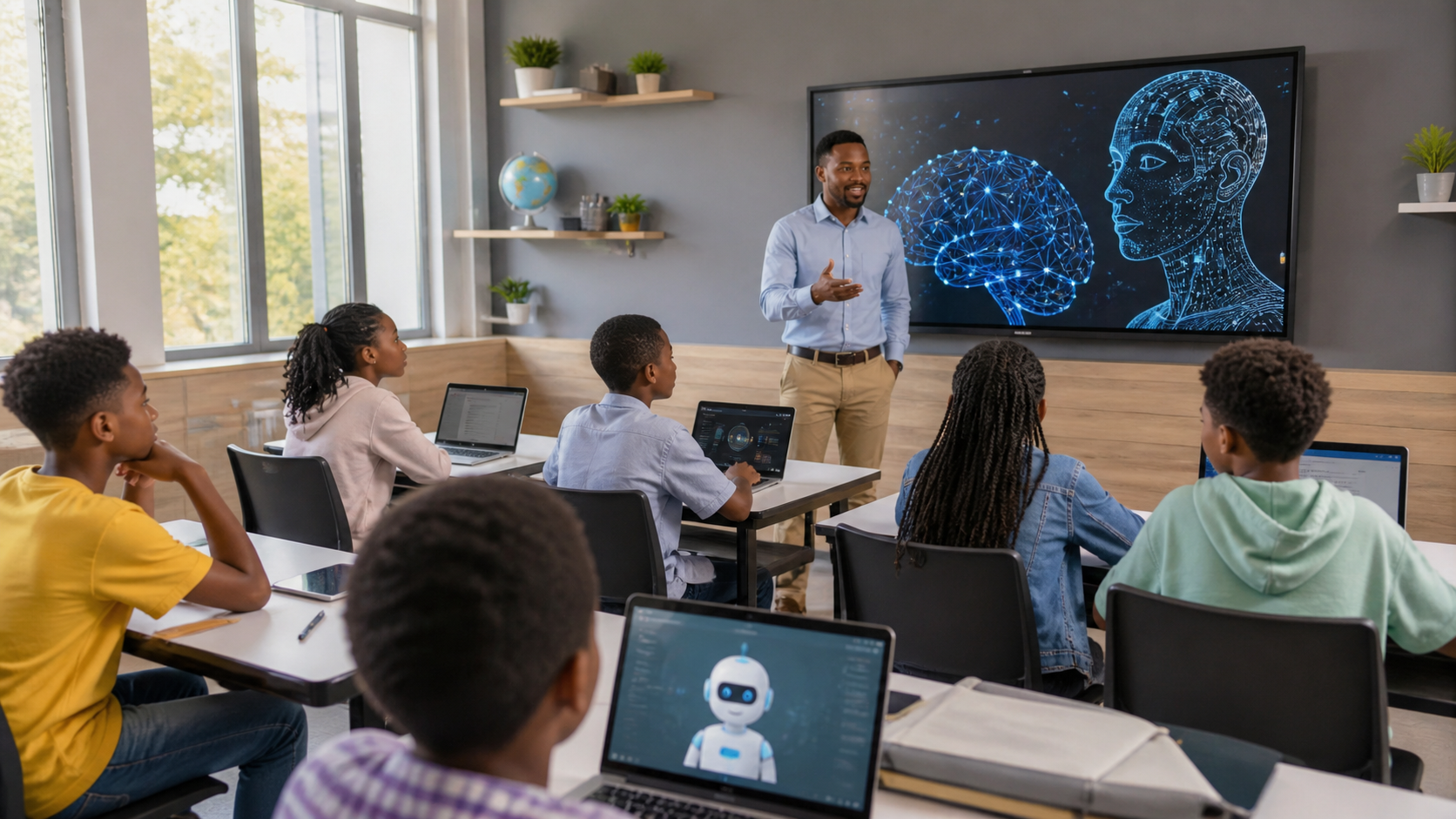







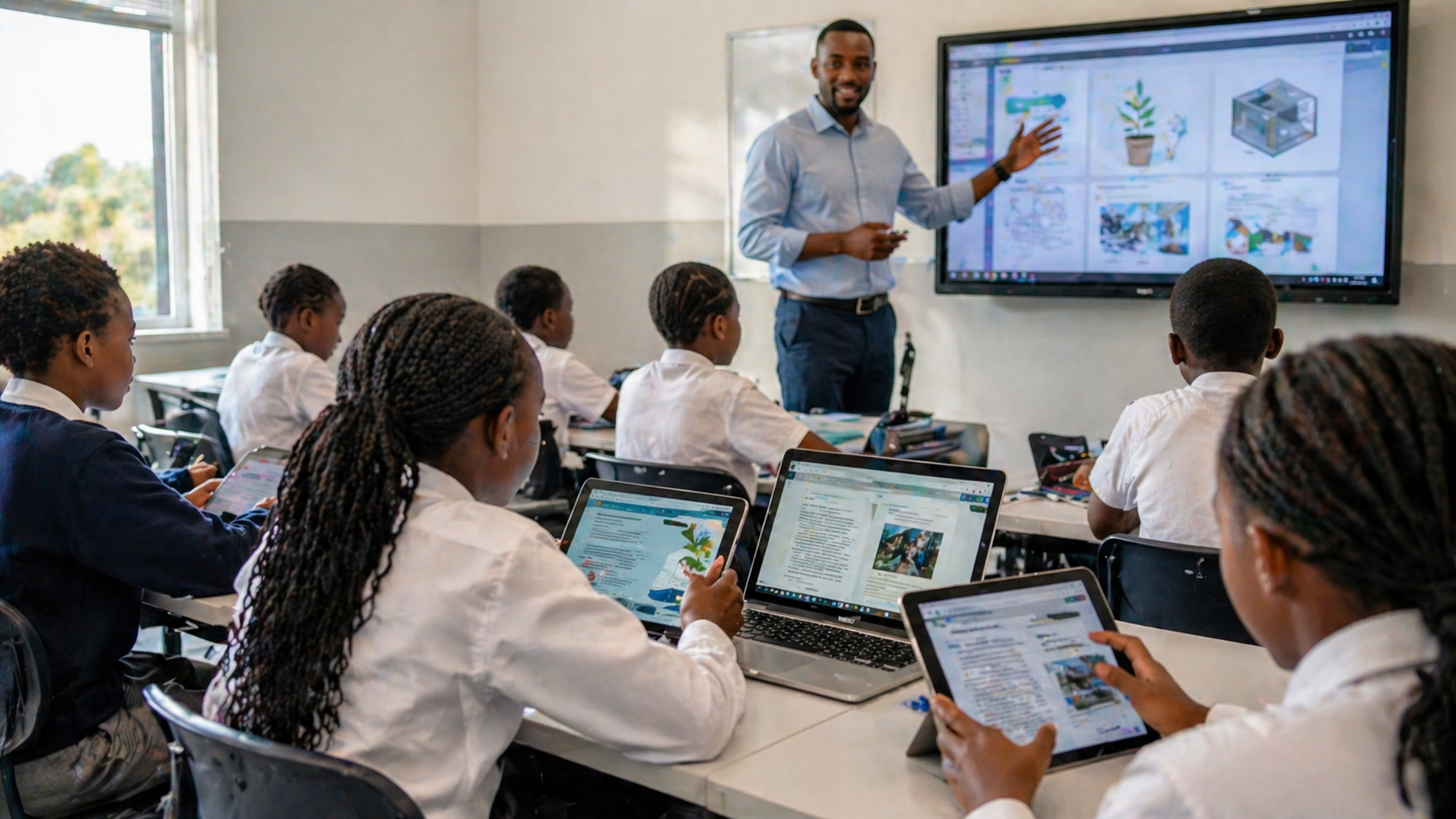
Education is evolving rapidly, shaped by technology and the changing needs of learners. In many parts of Africa and across the world, traditional classroom methods are being complemented—and sometimes transformed—by digital tools. One of the most significant developments in this shift is e-learning.
In several Nigerian schools, for example, teachers now combine chalkboard lessons with mobile-based assignments shared through messaging apps. During periods of school disruption, many students relied on recorded video lessons and online quizzes to continue learning. These real-world adaptations highlight how e-learning is no longer optional—it is becoming essential.
E-learning, or electronic learning, refers to the use of digital platforms, devices, and internet-based tools to deliver educational content. It offers flexibility, accessibility, and new ways to engage students. For educators and learners alike, understanding its role is key to navigating today’s educational landscape.
This article explores how e-learning is shaping modern classrooms, its benefits, challenges, and how it can be effectively integrated to improve learning outcomes.
What Is E-Learning?
E-learning involves the use of electronic technologies to access educational content either inside or outside traditional classrooms. It includes:
- Online courses and virtual classrooms
- Educational mobile apps
- Video-based learning platforms
- Interactive Learning Management Systems (LMS)
- Digital textbooks and resources
Modern e-learning platforms often use adaptive technologies—systems that track student performance and adjust content difficulty accordingly. This allows learners to receive personalized support based on their progress.
Importantly, e-learning is not designed to replace teachers but to enhance teaching methods and improve student understanding.
The Growing Importance of E-Learning in Education
Bridging the Access Gap
One of the most important roles of e-learning is increasing access to education. In many African communities, students face challenges such as:
- Limited number of qualified teachers
- Inadequate learning materials
- Long distances to schools
According to UNESCO, millions of learners in Sub-Saharan Africa still lack access to quality education resources. E-learning helps bridge this gap by delivering lessons through digital platforms, allowing students to learn regardless of location.
In practice, some rural schools now preload educational content onto tablets or use offline servers, enabling students to access lessons even without a constant internet connection.
Supporting Flexible Learning
E-learning allows students to learn at their own pace. This flexibility benefits:
- Students who need more time to understand concepts
- Learners balancing school with work or family responsibilities
- Individuals pursuing lifelong learning
Unlike traditional classrooms, where lessons move at a fixed pace, digital platforms allow learners to revisit lessons, pause videos, and practice repeatedly until they gain confidence.
Key Benefits of E-Learning in Modern Classrooms
1. Enhanced Student Engagement
Digital tools make learning more interactive and engaging. Features such as videos, quizzes, animations, and simulations help students understand complex topics more easily.
For example:
- Science concepts can be visualized through animations
- Language learning can include pronunciation audio tools
- Mathematics can be practiced through gamified exercises
Teachers who integrate short video explanations into lessons often notice increased participation, especially among students who are less active in traditional settings.
2. Access to a Wide Range of Resources
E-learning provides access to a vast amount of information beyond traditional textbooks. Students can explore:
- Online libraries
- Educational videos
- Research articles
- Practice exercises
This exposure encourages independent learning and helps students develop critical thinking and research skills.
3. Personalized Learning Experience
Every student learns differently. Many modern platforms use data-driven systems to:
- Track student performance in real time
- Identify learning gaps
- Recommend targeted lessons
This adaptive learning approach ensures that students spend more time on areas they find difficult, improving overall performance.
Research supported by the World Bank shows that structured digital learning programs can significantly improve student outcomes when combined with teacher guidance.
4. Improved Teacher Efficiency
E-learning tools help teachers manage their workload more effectively by:
- Automating grading processes
- Tracking student progress digitally
- Organizing teaching materials in one place
This allows teachers to focus more on instruction and student support rather than administrative tasks.
5. Preparation for the Digital World
Digital literacy is increasingly important in today’s workforce. According to the OECD, digital skills are now essential for employability in many industries.
By using e-learning tools, students develop skills such as:
- Navigating digital platforms
- Conducting online research
- Communicating using technology
These skills prepare them for future academic and career opportunities.
Practical Applications of E-Learning in Classrooms
Blended Learning
Blended learning combines traditional teaching with digital tools.
Example approach:
- A teacher introduces a topic in class
- Students watch supporting videos at home
- Online quizzes are used to assess understanding
This method reinforces learning and allows students to engage with content multiple times.
Virtual Classrooms
Virtual classrooms enable real-time interaction through video conferencing tools. They are especially useful for:
- Remote learning
- Distance education programs
- Emergency situations where physical classes are not possible
Mobile Learning
In countries like Nigeria, mobile phones are widely accessible. Mobile learning allows students to:
- Access lessons on their phones
- Complete quizzes
- Receive feedback instantly
In low-bandwidth areas, teachers often share compressed videos or text-based lessons through messaging platforms, making learning more accessible.
Challenges of E-Learning in Africa
While e-learning offers many benefits, several challenges remain.
Limited Internet Access
Reliable internet connectivity is still a major barrier in some regions. Without stable access, students may struggle to fully participate in online learning.
Cost of Devices
Not all students can afford smartphones, tablets, or computers, creating a digital divide.
Lack of Technical Skills
Both teachers and students may require training to use e-learning tools effectively. Without proper guidance, technology may not deliver its full benefits.
Distractions and Self-Discipline
Online learning requires focus and discipline. Without structured supervision, students may become distracted.
How to Improve the Effectiveness of E-Learning
Invest in Infrastructure
Governments and institutions can expand internet access and provide affordable devices to students.
Teacher Training
Teachers should be trained not just to use technology, but to integrate it effectively into lesson delivery.
Use Offline Solutions
Schools can adopt offline e-learning methods such as:
- Preloaded educational content on devices
- Local servers with stored lessons
- Downloadable resources
Encourage Active Learning
To keep students engaged, teachers can:
- Assign group projects
- Use interactive quizzes
- Encourage discussions and feedback
The Future of E-Learning in Modern Classrooms
E-learning is expected to grow as technology becomes more accessible. Innovations such as:
- Artificial intelligence (AI) in education
- Virtual and augmented reality
- Advanced adaptive learning systems
are already beginning to reshape how students learn.
In Africa, increasing mobile penetration and expanding internet infrastructure present a major opportunity to improve education. With the right strategies, e-learning can create a more inclusive and effective system.
Conclusion
E-learning has become an essential part of modern classrooms, offering new ways to access knowledge, engage students, and improve learning outcomes. Rather than replacing traditional teaching, it strengthens it by providing flexibility, personalization, and access to a broader range of resources.
While challenges such as limited internet access and device affordability remain, practical solutions—such as offline learning and teacher training—can help bridge the gap.
As education continues to evolve, embracing e-learning will be critical in preparing students for the demands of the modern world.