







Kindness is often described as something we learn over time—shaped by culture, upbringing, and life experience. Yet, if you spend even a short time around children, you may notice something surprising: many of them express empathy and compassion naturally, without being taught step-by-step.
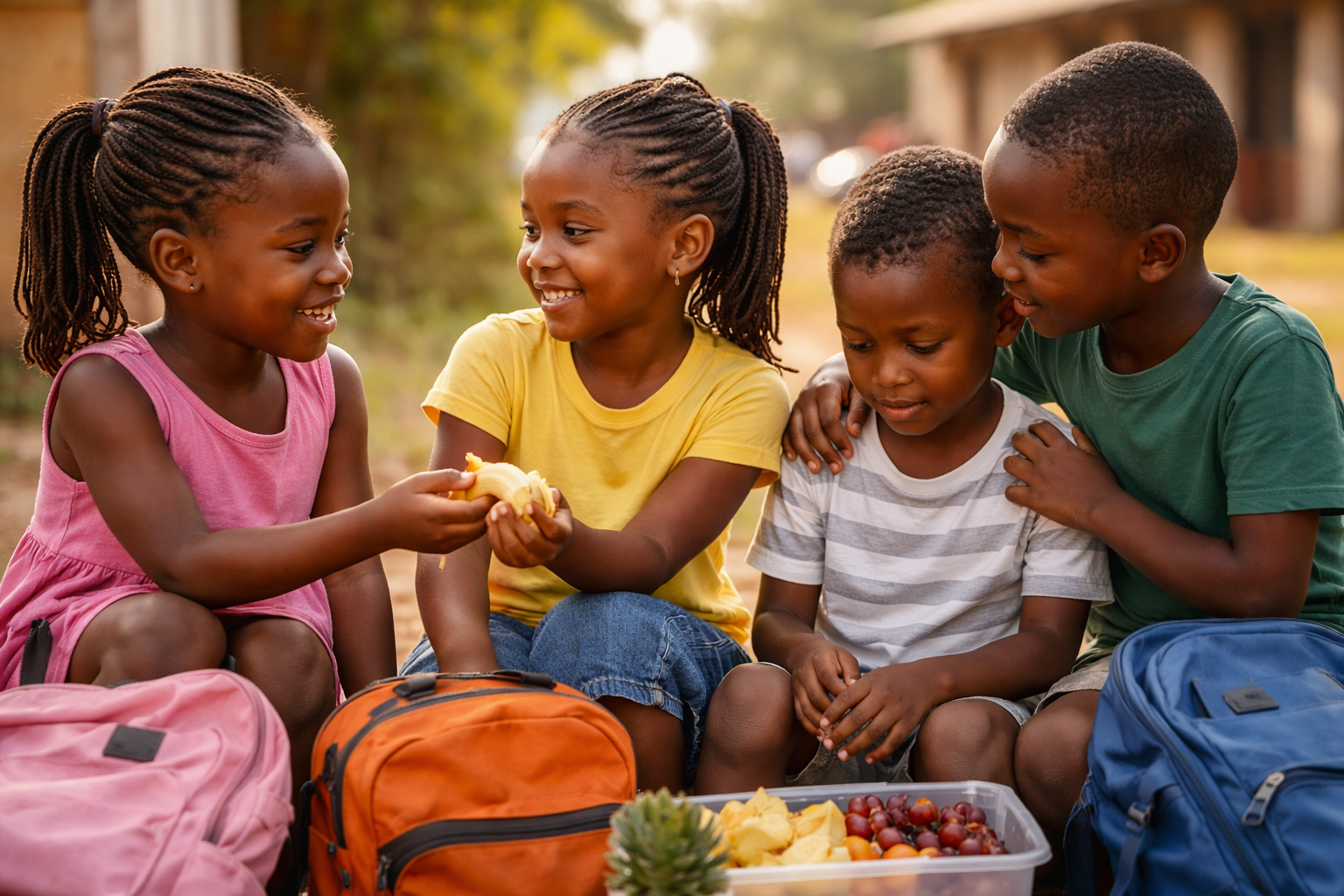
I remember observing a group of young children during a school activity. One child had forgotten their lunch and sat quietly, trying not to draw attention. Without hesitation, another child split their meal in half and shared it—no praise, no prompting, no expectation of reward. It was a simple moment, but it revealed something powerful: kindness, in its purest form, is often instinctive.
This article explores how children demonstrate genuine compassion through everyday actions—and what adults can learn from their example.
Why Children Often Show Genuine Compassion
Children are still developing socially and emotionally, which means their responses are often more direct and less filtered. Unlike adults, they are less influenced by social expectations, status, or bias.
Research in developmental psychology suggests that early signs of empathy can appear in children as young as 18–24 months. At this stage, toddlers may try to comfort someone who is upset or mimic emotional expressions—early indicators of emotional awareness.
Several factors contribute to this natural compassion:
- Emotional openness: Children tend to express feelings honestly, without suppressing them
- Fewer learned biases: While not completely free of bias, younger children are generally less conditioned by social divisions
- Curiosity about others: They often seek to understand rather than judge
Because of this, their kindness often feels sincere, immediate, and unforced.
Everyday Moments That Reveal Children’s Kindness
Kindness rarely shows up as grand gestures. More often, it appears in small, meaningful actions that reflect genuine care.
1. Sharing Without Being Asked
Children sometimes share their snacks or toys—even items they value—without being prompted. This behavior reflects an early understanding of fairness and the idea that others’ needs matter too.
2. Comforting Someone in Distress
When another child is upset, many children instinctively respond—offering a hug, sitting quietly beside them, or trying to help in their own way.
Studies in child psychology show that this type of response is linked to emotional mirroring, where children recognize and react to the feelings of others.
3. Including Others Who Feel Left Out
In playgrounds or classrooms, it’s common to see a child invite someone sitting alone to join a game.
This simple act demonstrates social empathy—the ability to notice and respond to someone else’s emotional state.
4. Expressing Concern for Strangers
Children may ask questions or show concern when they see someone struggling, even if they don’t know them. While this varies depending on upbringing, it often reflects a natural tendency toward care and curiosity.
5. Helping Without Expecting Recognition
Unlike adults, who may sometimes look for acknowledgment, children often help simply because it feels right. Their motivation is internal rather than reward-driven.
What Makes Children’s Kindness Unique?
Children’s compassion stands out for several reasons:
Unfiltered
They act on instinct rather than overthinking. This leads to genuine and immediate responses.
Inclusive
Younger children, especially, tend to interact without strong social divisions—though environment and exposure can influence this over time.
Simple but Powerful
A small gesture—like sharing food or offering a smile—can have a meaningful emotional impact.
Lessons Adults Can Learn From Children
As people grow older, responsibilities, stress, and social conditioning can make kindness feel more complicated than it really is. Observing children can serve as a reminder that compassion doesn’t have to be difficult.
Here’s how adults can apply these lessons in everyday life:
1. Practice Simple, Immediate Empathy
Instead of overanalyzing situations, respond in small ways:
- Listen when someone is speaking
- Offer support when someone seems overwhelmed
- Acknowledge people’s feelings
Real-life example:
If a colleague seems stressed, a simple “Are you okay?” can go a long way.
2. Avoid Quick Judgments
Children often accept others more easily. While adults must use judgment in certain situations, reducing unnecessary assumptions can improve relationships.
3. Value Small Acts of Kindness
Kindness doesn’t have to be dramatic to matter:
- Holding a door
- Sharing resources
- Offering encouragement
These small actions build trust and connection over time.
4. Be Present in the Moment
Children respond to what is happening now. Practicing mindfulness—paying attention to people and situations around you—makes it easier to act with genuine care.
The Role of Environment in Nurturing Kindness
Although children may show early signs of empathy, their environment plays a major role in how those behaviors develop.
According to child development research, consistent exposure to kindness helps reinforce compassionate behavior.
Positive Reinforcement
Encouraging kind actions helps children understand their value and repeat them.
Role Modeling
Children learn by observing adults. Demonstrating empathy in everyday situations teaches more than words alone.
Emotional Support
When children feel safe expressing emotions, they become better at recognizing and responding to the feelings of others.
Why Kindness Matters in Society
Kindness is not just a personal trait—it plays a key role in building healthy communities.
Research links compassionate behavior to:
- Improved relationships
- Better communication
- Increased trust and cooperation
In workplaces, schools, and families, small acts of kindness can create a more supportive and connected environment.
Conclusion
Children often remind us that kindness and compassion are not complicated—they are natural human responses that can be expressed in simple ways.
Through small, everyday actions, they demonstrate empathy that is honest, inclusive, and impactful. While adults gain experience and knowledge over time, we can also benefit from reconnecting with this simplicity.
In a world that often feels busy and disconnected, these lessons are worth remembering:
kindness doesn’t require perfection or planning—it starts with small, sincere actions, and anyone can practice it.