








Autism has long been studied through the lens of behavior—how individuals communicate, interact, and respond to the world around them. While this approach has shaped diagnosis and support systems for decades, a growing body of research suggests it may not tell the full story.
In my own observations working with students and speaking with caregivers, I’ve often noticed that behaviors labeled as “challenging” were frequently responses to something less visible—overwhelming noise, confusing instructions, or sensory discomfort. This aligns with what many researchers are now exploring: that autism is not only behavioral, but deeply rooted in sensory and neurological processes.
This evolving perspective matters not only for researchers and clinicians, but also for families, educators, and anyone seeking a clearer understanding of autism. By looking beyond traditional frameworks, we can begin to appreciate a more complete and human-centered picture.
Moving Beyond Traditional Views of Autism
For decades, autism has largely been defined by observable traits such as:
- Differences in social communication
- Repetitive behaviors
- Restricted interests
These characteristics form the basis of diagnostic criteria outlined in manuals like the DSM-5 (Diagnostic and Statistical Manual of Mental Disorders).
However, focusing only on outward behavior can overlook underlying processes that shape how autistic individuals experience the world.
Researchers such as Simon Baron-Cohen have emphasized that behavioral traits are often the result of deeper cognitive and neurological differences—not the root cause themselves.
Instead of asking only what behaviors are present, scientists are increasingly asking why those behaviors occur in the first place.
The Role of Sensory Processing in Autism
One of the most significant areas gaining attention is sensory processing—the way the brain receives and interprets information from the senses.
According to the American Psychiatric Association, sensory sensitivities are now officially recognized as part of autism diagnostic criteria.
Many autistic individuals report differences in how they experience:
- Sound (e.g., hypersensitivity to background noise)
- Light (e.g., discomfort with bright or flickering lights)
- Touch (e.g., strong reactions to textures)
- Movement and balance
In classroom settings I’ve observed, for example, a student who appeared disengaged during lessons became noticeably more responsive once background noise was reduced—highlighting how sensory overload can directly affect participation.
Why This Matters
Understanding sensory processing helps explain behaviors that might otherwise be misunderstood. What may appear as withdrawal or inattention can often be an adaptive response to overwhelming stimuli.
Research published in journals such as Frontiers in Neuroscience has shown that atypical sensory processing is common in autism and can significantly influence attention, learning, and emotional regulation.
Brain Function and Internal Experience
Another important shift in autism research focuses on how the brain processes information internally.
Studies using brain imaging have identified differences in neural connectivity—how different regions of the brain communicate. Research from institutions like National Institute of Mental Health suggests that autistic individuals may process information in more detail-focused or less globally integrated ways.
Researchers are exploring areas such as:
- Information processing speed
- Attention distribution
- Perception patterns
A Different Way of Processing, Not a Deficit
Some experts argue that these differences should not always be framed as deficits.
For example, Temple Grandin has described thinking in highly visual and detail-oriented ways—an approach that has contributed to her success in engineering and animal science.
Common strengths reported in research include:
- Strong attention to detail
- Deep focus on specific interests
- Unique problem-solving approaches
Recognizing these strengths allows for a more balanced and respectful understanding of autism.
Rethinking Social Difficulties
Social challenges are often considered a defining feature of autism. However, newer perspectives suggest these difficulties may not exist in isolation.
They can be influenced by:
- Sensory overload in social environments
- Differences in communication styles
- Mismatched expectations between autistic and non-autistic individuals
The Double Empathy Problem
The concept of the double empathy problem, introduced by Damian Milton, suggests that communication breakdowns are mutual.
Rather than viewing autistic individuals as lacking social understanding, this theory proposes that both autistic and non-autistic people may struggle to understand each other’s perspectives.
This insight has important implications. In practice, I’ve seen communication improve significantly when both sides adjust expectations—for example, when instructions are made more explicit or when alternative communication styles are accepted.
The Importance of Listening to Lived Experiences
A key shift in modern autism research is the inclusion of autistic voices.
Firsthand accounts provide insights that cannot be captured through observation alone. Many autistic individuals describe:
- Sensory overload as physically and emotionally intense
- Social interaction as effortful but meaningful
- A preference for understanding over correction
Organizations like Autistic Self Advocacy Network emphasize the principle: “Nothing about us without us.”
Listening to lived experiences not only improves research accuracy but also builds trust and respect.
Implications for Education and Support
A deeper understanding of autism has practical benefits in everyday settings, especially in education and care.
More Effective Learning Environments
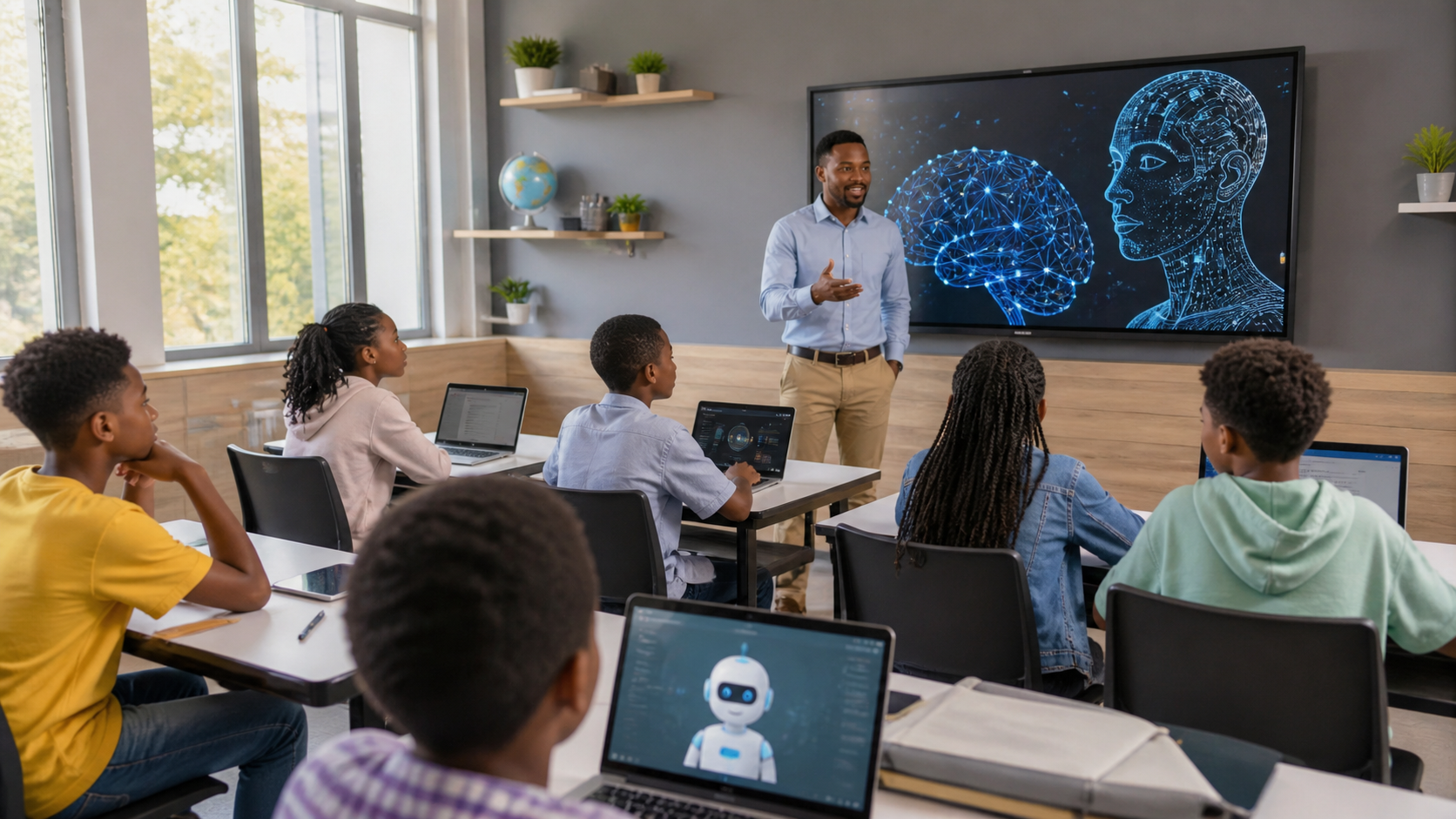
Recognizing sensory and cognitive differences can help educators create supportive classrooms. In practice, small adjustments can make a significant difference:
- Reducing background noise or visual clutter
- Allowing flexible communication (e.g., written responses instead of verbal)
- Providing structured and predictable routines
For example, a simple change like offering noise-reducing headphones can transform a student’s ability to focus.
Personalized Support Strategies
Research consistently shows that individualized approaches are more effective than one-size-fits-all models.
Support strategies may include:
- Sensory accommodations (quiet spaces, lighting adjustments)
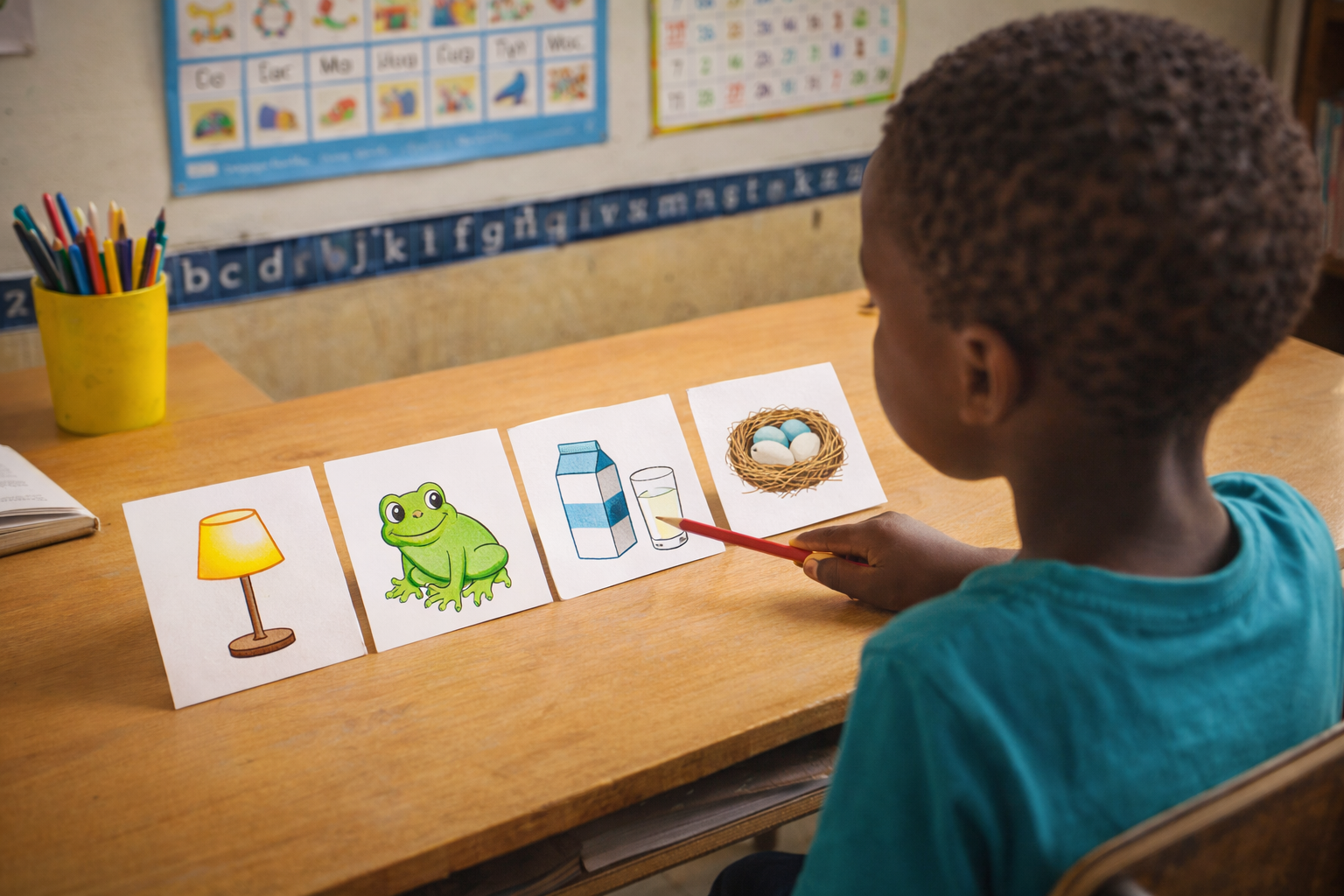
- Visual aids and step-by-step instructions
- Using personal interests as learning tools
Shifting from “Fixing” to Understanding
Historically, many approaches to autism focused on modifying behavior to fit social norms. While some interventions remain helpful, this mindset is increasingly being reconsidered.
Modern perspectives emphasize:
- Understanding the root causes of behavior
- Supporting well-being and comfort
- Respecting neurodiversity
The World Health Organization highlights the importance of inclusive environments that support individuals rather than forcing conformity.
The Future of Autism Research
As research evolves, several key directions are emerging:
- Greater focus on brain and sensory systems
- Inclusion of diverse autistic perspectives
- Development of personalized interventions
- Increased recognition of strengths alongside challenges
Large-scale initiatives, including those supported by global health and research institutions, continue to expand our understanding of autism as a complex and multifaceted condition.
Conclusion
Autism is far more complex than a list of observable behaviors. A growing body of research suggests that by focusing only on what we can see, we may overlook deeper biological and sensory factors that shape the autistic experience.
By exploring how the brain processes information, how sensory input is experienced, and how individuals interpret the world, we gain a richer and more accurate understanding.
From both research and real-world experience, one thing is becoming clear: meaningful support begins with understanding. When we listen more closely, adapt more thoughtfully, and remain open to new perspectives, we create environments where autistic individuals are not just supported—but genuinely understood.