









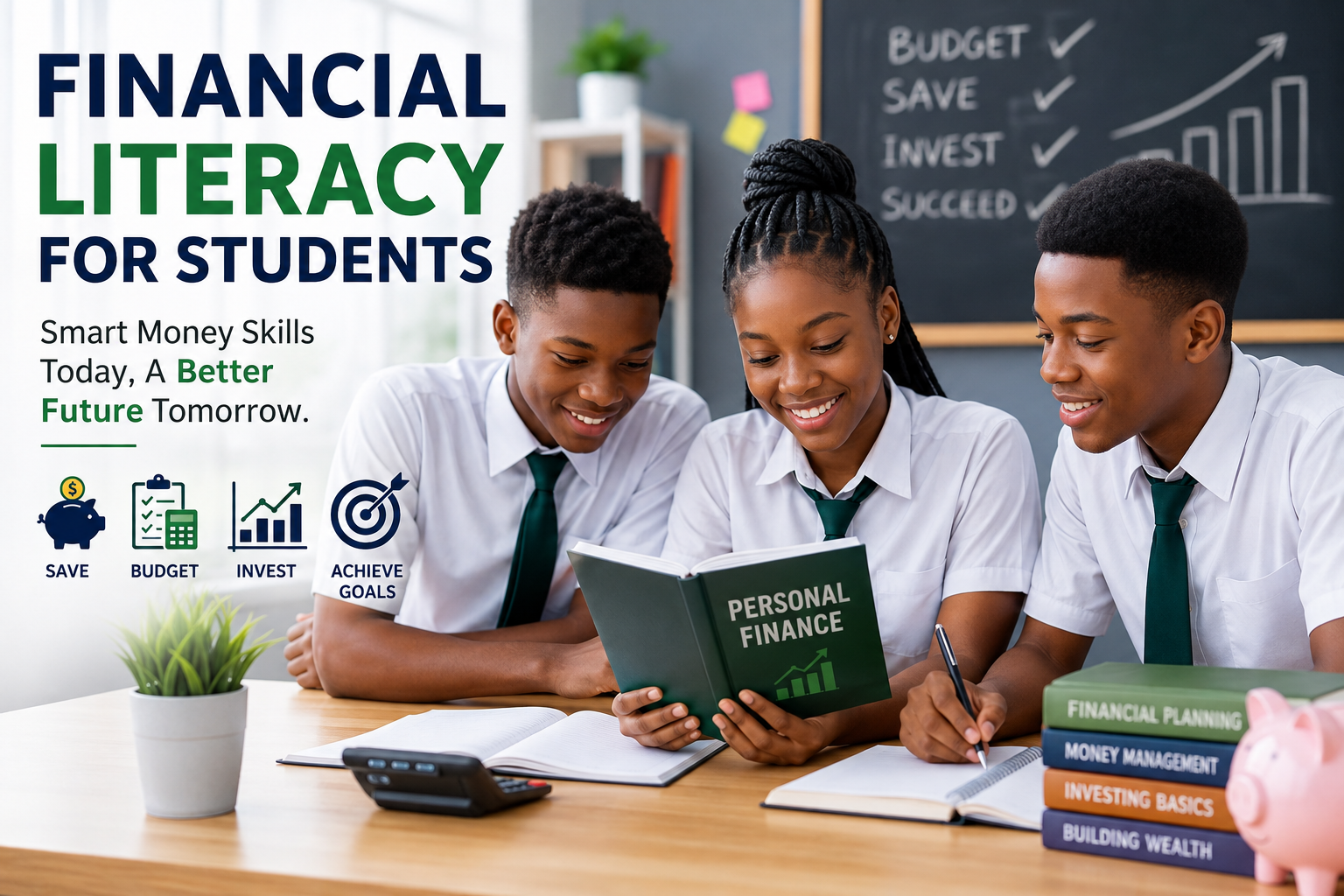
Financial literacy is no longer an optional life skill—it is a necessity. In today’s digital economy, students are making financial decisions much earlier than previous generations. From receiving allowances and scholarships to earning money through part-time jobs, freelancing, or small businesses, young people regularly interact with money. Yet many leave school without learning how to budget, save, invest, or avoid financial mistakes.
Over the years, while interacting with students, educators, and parents in educational communities, one common pattern has become clear: many students can solve complex academic problems but struggle to manage even small amounts of money wisely. Some spend their entire weekly allowance within a few days, while others find it difficult to distinguish between essential needs and unnecessary wants. These experiences highlight an important reality—financial literacy deserves the same attention as mathematics, science, and language education.
This challenge is not unique to one country. Across Africa, many young adults begin university or their first jobs with limited knowledge of personal finance. As a result, they may accumulate unnecessary debt, fall victim to financial scams, or miss opportunities to build healthy financial habits early in life.
According to the Organisation for Economic Co-operation and Development (OECD), financial literacy combines the knowledge, skills, attitudes, and behaviours needed to make sound financial decisions and improve financial well-being. Likewise, organizations such as the World Bank and Central Bank of Nigeria (CBN) continue to emphasize financial education as an important tool for promoting financial inclusion and economic development.
Whether you aspire to become a doctor, engineer, entrepreneur, teacher, software developer, artist, or public servant, understanding how money works will help you make better decisions throughout your life.
In this comprehensive guide, you’ll learn:
- What financial literacy means
- Why it matters for students
- Essential money management skills
- How to avoid common financial mistakes
- Practical ways to build healthy financial habits
- How parents and schools can support financial education
- How technology is changing personal finance
What Is Financial Literacy?
Financial literacy is the ability to understand and manage money effectively. It involves making informed decisions about earning, spending, saving, borrowing, investing, and protecting financial resources.
Being financially literate does not mean being wealthy. Instead, it means understanding how money works and making decisions that improve your financial well-being over time.
A financially literate student understands:
- How to prepare a realistic budget
- Why saving regularly is important
- The difference between needs and wants
- How banks and digital financial services operate
- How interest works on savings and loans
- Basic investment principles
- The importance of financial planning
- How to protect personal financial information
These skills become increasingly valuable as students transition into adulthood.
Why Financial Literacy Matters for Students
Money influences nearly every aspect of adult life, from paying school fees and rent to starting a business or buying a home. Developing financial skills early makes these responsibilities easier to manage.
Better Decision-Making
Financial literacy encourages students to think before spending.
Imagine receiving ₦10,000 as your monthly allowance. Without a spending plan, it may disappear within a week on snacks, entertainment, or impulse purchases. However, a student with a budget is more likely to allocate money for transportation, study materials, savings, and emergencies before spending on non-essential items.
Learning to compare prices, evaluate value for money, and avoid emotional spending builds lifelong decision-making skills.
Reduced Financial Stress
Money problems can distract students from learning. Worrying about transportation, textbooks, examination fees, or daily expenses often affects concentration and academic performance.
A simple budget and regular saving habit can reduce financial anxiety by helping students prepare for expected and unexpected expenses.
While financial literacy cannot eliminate every financial challenge, it equips students with practical strategies for managing limited resources more effectively.
Greater Independence
Financial literacy helps students become more confident and self-reliant.
Instead of depending entirely on parents or guardians for every financial decision, students learn to manage their own allowances, prioritize expenses, and plan for future goals.
These habits build confidence that extends beyond money management into other areas of life.
Preparation for Adult Responsibilities
As students move into higher education or employment, they encounter new financial responsibilities such as:
- Paying rent
- Managing salaries
- Paying utility bills
- Applying for student loans where available
- Saving for future goals
- Filing taxes in some circumstances
Learning these skills early reduces costly mistakes later in life.
Essential Financial Skills Every Student Should Learn
1. Budgeting
A budget is simply a plan for how your money will be spent over a specific period.
One practical budgeting exercise often recommended by financial educators is keeping track of every expense for one week. Many students are surprised to discover how much money is spent on small, unplanned purchases such as snacks, drinks, subscriptions, or transport.
A basic student budget should include:
Income
Examples include:
- Weekly allowance
- Monthly allowance
- Scholarships
- Part-time work
- Small business income
- Gifts
Essential Expenses
These include:
- School materials
- Transportation
- Internet data
- Meals
- Personal care
- Examination fees
Savings
Financial experts generally encourage saving before spending whenever possible. Even setting aside a small percentage of income consistently helps develop financial discipline.
Personal Spending
This includes entertainment, hobbies, outings, and optional purchases.
Sample Monthly Budget
| Category | Amount (₦) |
|---|---|
| Allowance | 30,000 |
| Savings | 6,000 |
| Transport | 7,000 |
| Feeding | 9,000 |
| School Materials | 5,000 |
| Personal Expenses | 3,000 |
This example demonstrates how planning ahead can help students balance their priorities without overspending.
2. Saving Money
Saving is one of the strongest foundations of financial success.
Many students believe they need a large income before they can save. In reality, the habit of saving matters more than the amount saved.
Someone who consistently saves ₦500 every week develops stronger financial discipline than someone who earns much more but saves nothing.
Savings can help students pay for:
- Examination registration
- Textbooks
- Professional certifications
- Emergency medical expenses
- Laptops
- Business startup costs
- University applications
Financial institutions often recommend setting clear savings goals because people are more likely to save consistently when working toward a specific objective.
3. Understanding Needs and Wants
One of the simplest but most powerful financial lessons is learning to distinguish between needs and wants.
Needs
Needs are essential for daily living or achieving important goals.
Examples include:
- Food
- School fees
- Transport
- Healthcare
- Learning materials
Wants
Wants improve comfort or enjoyment but are not essential.
Examples include:
- Expensive smartphones
- Designer clothing
- Gaming subscriptions
- Luxury accessories
- Frequent entertainment
This does not mean students should never spend money on enjoyable things. Rather, understanding the difference helps them make informed choices, especially when resources are limited.
A useful question before making any purchase is:
“Do I need this now, or do I simply want it?”
Asking this simple question can prevent many unnecessary expenses.
4. Setting Financial Goals
Financial goals provide motivation and direction.
Without goals, saving often feels difficult because there is no clear purpose.
Examples of student financial goals include:
- Buying a laptop for school
- Paying examination fees
- Funding a professional certification
- Starting a small online business
- Building an emergency fund
- Saving toward university education
A practical approach is to make goals SMART—Specific, Measurable, Achievable, Relevant, and Time-bound. For example, instead of saying, “I want to save money,” a student could set a goal such as, “I will save ₦2,000 every month for six months to buy a scientific calculator.” This creates a clear plan and makes progress easier to track.
5. Understanding Banking and Digital Financial Services
Today’s students are growing up in a digital world where banking extends far beyond visiting a physical branch. Understanding how financial institutions and digital services work is essential for managing money safely and effectively.
Students should become familiar with:
- Savings accounts
- Current accounts
- Debit cards
- Mobile banking apps
- Internet banking
- Digital wallets
- Electronic transfers
Opening a bank account can also help students develop responsible money management habits, such as tracking income and expenses and keeping savings secure.
However, convenience should always be matched with caution. Students should learn to protect their PINs and passwords, avoid sharing sensitive banking information, and be alert to phishing messages and online scams.
Understanding Credit and Debt
Credit allows you to borrow money today with the promise of repaying it later, often with interest. Used wisely, credit can help people achieve important goals such as paying for higher education or starting a business. However, poor borrowing decisions can create long-term financial challenges.
Students should understand the following concepts before taking on any debt:
Interest Rates
Interest is the cost of borrowing money. A higher interest rate means you will repay more than you originally borrowed. Before accepting a loan or using a credit facility, always understand how interest is calculated.
Loan Repayment Terms
Every loan has conditions that explain how and when it should be repaid. Missing payments can result in additional charges and may affect your financial reputation.
Responsible Borrowing
Borrow only when necessary and only if you have a realistic plan to repay the money. Avoid borrowing for non-essential purchases such as luxury items or expensive gadgets.
Avoiding Predatory Lending
Students should be cautious of unlicensed lenders or online platforms promising “instant loans with no conditions.” These offers may involve hidden charges or unfair repayment terms. Always verify that a financial service provider is regulated by the appropriate authorities before borrowing.
Developing these habits early helps students make informed financial decisions throughout adulthood.
Why Students Should Learn About Investing
Saving protects money, while investing aims to grow money over time.
Although many students may not have enough income to begin investing immediately, understanding the basic principles prepares them for future opportunities.
Some important investment concepts include:
Compound Growth
One of the most powerful principles in finance is compound growth, where money earns returns, and those returns generate additional returns over time. Starting early, even with small amounts, can make a significant difference over many years.
Risk and Reward
Every investment carries some level of risk. Generally, investments with the potential for higher returns also involve greater risk. Students should learn to balance potential rewards with the possibility of losses.
Diversification
Rather than putting all money into one investment, diversification involves spreading investments across different assets to reduce risk.
Beware of “Get-Rich-Quick” Schemes
Across Africa, fraudulent investment schemes continue to target young people with unrealistic promises of guaranteed high returns in a short time. If an investment sounds too good to be true, it probably is.
Take time to research investment opportunities, verify that they are regulated where applicable, and seek advice from qualified financial professionals before investing.
Financial Literacy and Entrepreneurship
Entrepreneurship is becoming an increasingly attractive career path for many African students. Whether selling handmade products, offering digital services, tutoring classmates, or running an online business, financial literacy is essential for success.
Managing Business Income
One common mistake made by new entrepreneurs is mixing personal and business money. Keeping separate records makes it easier to understand whether a business is truly profitable.
Controlling Costs
Successful entrepreneurs monitor their expenses carefully. Recording every purchase, comparing suppliers, and avoiding unnecessary spending helps improve profitability.
Planning for Growth
Financial planning enables businesses to invest in equipment, marketing, technology, and staff at the right time rather than making impulsive decisions.
Preparing for Unexpected Challenges
Every business experiences difficult periods. Maintaining an emergency fund and planning ahead can help entrepreneurs continue operating during slower seasons or unexpected events.
Common Financial Mistakes Students Should Avoid
Financial challenges often begin with small habits that seem harmless but become costly over time.
Some of the most common mistakes include:
- Spending all available income immediately.
- Failing to prepare a monthly budget.
- Ignoring the importance of saving.
- Buying items simply because friends have them.
- Borrowing without understanding repayment obligations.
- Falling for online scams or unrealistic investment opportunities.
- Ignoring daily spending habits.
- Sharing banking passwords or one-time verification codes with others.
Recognizing these mistakes early allows students to develop healthier financial habits.
Practical Ways Students Can Improve Financial Literacy
Improving financial knowledge does not require a large income. Small, consistent actions can lead to lasting financial confidence.
Read Reliable Financial Resources
Choose books, educational websites, and publications produced by reputable financial institutions and educational organizations.
Create and Follow a Budget
Track every source of income and every expense for at least one month. This simple exercise often reveals spending patterns that can be improved.
Practise Saving Regularly
Even saving a small amount each week helps build discipline and creates a financial safety net.
Learn from Trusted Adults
Parents, teachers, financial professionals, and mentors can provide practical advice based on real-life experience.
Gain Practical Experience
Managing an allowance, participating in entrepreneurship clubs, operating a small business, or volunteering in school financial activities provides valuable hands-on learning.
Remember, financial literacy improves through practice—not just reading.
The Role of Parents and Schools
Financial education is most effective when families and schools work together.
How Parents Can Help
Parents can:
- Discuss money openly and honestly.
- Encourage children to save regularly.
- Demonstrate responsible spending habits.
- Involve children in simple household budgeting decisions.
- Teach delayed gratification by encouraging children to save for desired items.
Children often learn financial habits by observing adults. Positive financial behaviour at home creates lasting lessons.
How Schools Can Help
Schools play a vital role by:
- Integrating personal finance into learning activities.
- Organising financial literacy seminars and workshops.
- Inviting bankers, entrepreneurs, accountants, and financial educators to speak with students.
- Supporting entrepreneurship clubs and business competitions.
- Encouraging practical projects that teach budgeting, saving, and responsible spending.
Financial literacy complements academic learning by preparing students for everyday life.
Financial Literacy in the Digital Age
Technology has transformed how people earn, save, spend, and invest money.
Many students now use:
- Mobile banking applications
- Digital wallets
- Online payment platforms
- E-commerce websites
- Mobile money services
While these technologies offer convenience, they also require responsible use.
Students should:
- Use strong passwords.
- Enable two-factor authentication where available.
- Never share PINs or verification codes.
- Verify payment requests before sending money.
- Be cautious of phishing emails, fake websites, and online scams.
- Download financial applications only from trusted sources.
Developing good digital financial habits helps protect personal information and reduces the risk of fraud.
Student Financial Success Checklist
Use this checklist each month:
☐ I created a monthly budget.
☐ I tracked my spending.
☐ I saved part of my income or allowance.
☐ I avoided unnecessary purchases.
☐ I compared prices before buying.
☐ I protected my banking information.
☐ I reviewed my financial goals.
☐ I learned one new money management skill.
Small improvements each month can lead to significant financial progress over time.
A Simple 30-Day Savings Challenge
To build the habit of saving, try this challenge:
- Week 1: Save a small fixed amount each day, no matter how little.
- Week 2: Reduce one unnecessary expense, such as buying snacks or drinks, and add the money saved to your savings.
- Week 3: Record every expense you make for seven consecutive days.
- Week 4: Review your spending, identify areas where you can save more, and set a new savings goal for the following month.
The objective is not to save a large amount immediately but to build consistency and discipline.
Building Lifelong Financial Confidence
Financial literacy is not about memorising financial terms or becoming wealthy overnight. It is about developing the confidence to make informed decisions throughout life.
Students who practise responsible financial habits are better prepared to:
- Save consistently.
- Spend wisely.
- Prepare for emergencies.
- Evaluate financial opportunities carefully.
- Avoid unnecessary debt.
- Support future educational and career goals.
- Build long-term financial security.
Strong financial habits also contribute to stronger families, healthier communities, and more resilient economies.
Conclusion
Financial literacy is one of the most valuable life skills a student can develop. While academic knowledge opens doors to opportunities, knowing how to manage money helps students make the most of those opportunities.
From budgeting and saving to understanding banking, credit, investing, and digital finance, every financial skill learned today becomes an investment in tomorrow.
Across Africa, there is growing recognition that financial education should begin early. By working together, parents, schools, governments, and communities can equip young people with the knowledge and confidence they need to make informed financial decisions throughout their lives.
Remember that financial success is rarely built through one big decision. It is built through many small, consistent, and informed choices made over time. Start today by creating a simple budget, setting a savings goal, and committing to learning something new about money every week. The habits you build now can shape your financial future for years to come.
Frequently Asked Questions (FAQs)
1. What is financial literacy?
Financial literacy is the ability to understand and effectively manage personal finances, including budgeting, saving, borrowing, investing, and protecting money.
2. Why is financial literacy important for students?
It helps students make informed financial decisions, avoid unnecessary debt, develop saving habits, and prepare for future responsibilities such as higher education, employment, or entrepreneurship.
3. At what age should financial education begin?
Financial education can begin in childhood with simple lessons about saving, spending, and distinguishing between needs and wants. These lessons can become more advanced as children grow older.
4. How can students improve their financial literacy?
Students can improve by reading reliable financial resources, following a budget, saving consistently, learning from trusted mentors, and gaining practical experience through small financial responsibilities.
5. Can financial literacy help prevent financial scams?
Yes. Understanding basic financial concepts and practising safe digital financial habits can help students identify fraudulent schemes and make safer financial decisions.
6. Is investing suitable for students?
Students should first understand the principles of investing before committing money. Learning about risk, diversification, and long-term investing prepares them to make informed investment decisions in the future.
References
To strengthen the credibility of this article, the information is consistent with guidance and educational resources from reputable organizations, including:
- Organisation for Economic Co-operation and Development (OECD) – Financial Literacy Framework and financial education resources.
- World Bank – Research on financial inclusion and financial capability.
- UNESCO – Education for sustainable development and lifelong learning initiatives.
- Central Bank of Nigeria (CBN) – Financial literacy and financial inclusion programmes.
- Nigeria Deposit Insurance Corporation (NDIC) – Consumer awareness and banking education resources.
- United Nations Children’s Fund (UNICEF) – Youth skills and life skills development resources.