










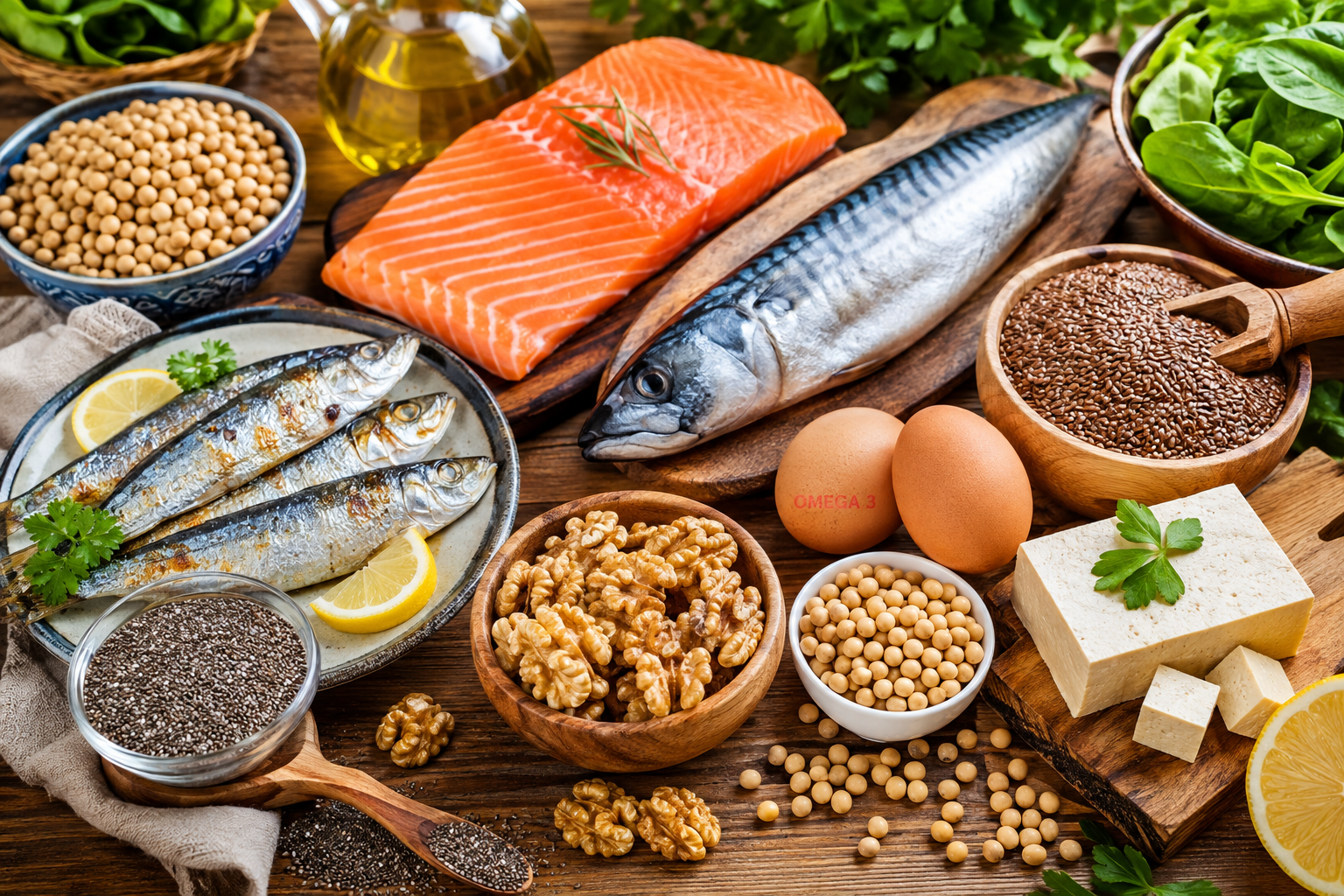
Omega-3 fatty acids are among the most important nutrients your body needs, yet many people consume less than the recommended amount. These healthy fats support the normal function of your heart, brain, eyes, and many other organs. From childhood through older adulthood, getting enough omega-3s is an important part of maintaining good health.
Although fish oil and other omega-3 supplements are widely available, health professionals generally recommend getting nutrients from whole foods whenever possible. Whole foods provide a combination of healthy fats, protein, vitamins, minerals, and other beneficial compounds that work together to support overall health.
For families across Africa, choosing nutritious foods that are both affordable and accessible is often just as important as choosing healthy ones. Fortunately, many omega-3-rich foods—including sardines, mackerel, soybeans, walnuts, flaxseeds, and chia seeds—are increasingly available in local markets and supermarkets, making it easier to build healthier meals without dramatically increasing grocery costs.
Whether you’re looking to improve your family’s nutrition, support heart health, or simply eat a more balanced diet, this guide ranks six of the best omega-3-rich foods based on their nutritional value, scientific evidence, affordability, and practicality for everyday meals.
Why You Can Trust This Guide
This article is based on current nutrition guidance from leading public health and nutrition organizations, including the National Institutes of Health Office of Dietary Supplements, the American Heart Association, the World Health Organization, and national dietary guidelines. It is intended for educational purposes and should not replace personalized advice from a qualified healthcare professional.
In addition to reviewing evidence from these trusted organizations, this guide emphasizes practical, everyday eating habits that are realistic for households across Africa. Wherever possible, you’ll find suggestions that take into account affordability, availability, and common local meal patterns.
What Are Omega-3 Fatty Acids?
Omega-3 fatty acids are essential fats, meaning your body cannot produce enough of them on its own. Instead, you must obtain them through the foods you eat or, in some cases, dietary supplements recommended by a healthcare professional.
There are three primary types of omega-3 fatty acids, each serving different roles in the body.
EPA (Eicosapentaenoic Acid)
EPA is found mainly in oily fish and seafood such as sardines, salmon, mackerel, and herring. Research suggests that EPA plays an important role in supporting normal cardiovascular function and regulating inflammatory processes that help the body respond to injury and illness.
DHA (Docosahexaenoic Acid)
DHA is another omega-3 fat found primarily in fish and seafood. It is a major structural component of the brain and retina, making it particularly important during pregnancy, infancy, and early childhood when the brain and eyes are developing rapidly. Adults also require DHA throughout life to support normal brain and eye function.
ALA (Alpha-Linolenic Acid)
ALA is the primary omega-3 found in plant foods such as flaxseeds, chia seeds, walnuts, soybeans, and canola oil.
Unlike EPA and DHA, ALA must first be converted by the body before it can perform many of the same functions. However, this conversion is relatively inefficient. Studies suggest that only a small percentage of ALA is converted into EPA, and an even smaller amount becomes DHA. This is why people who eat little or no fish should pay particular attention to including a variety of ALA-rich foods in their diets and may wish to discuss their omega-3 intake with a qualified healthcare professional.
Because each type of omega-3 has unique benefits, eating a variety of omega-3-rich foods is generally the best approach.
Why Omega-3 Fatty Acids Matter
Scientists have studied omega-3 fatty acids for decades, and evidence continues to show that they play an important role in maintaining overall health as part of a balanced dietary pattern.
Adequate omega-3 intake may help support:
- Normal heart function
- Healthy brain function throughout life
- Eye health and vision
- Healthy pregnancy and fetal brain development
- Normal growth and development in children
- Healthy joints and mobility
- Skin structure and function
- Overall nutritional balance
It’s important to remember that omega-3 fatty acids are not a cure or guaranteed treatment for disease. Instead, they are one part of a healthy lifestyle that also includes regular physical activity, adequate sleep, stress management, and a balanced diet rich in fruits, vegetables, whole grains, lean proteins, and healthy fats.
How Much Omega-3 Do You Need?
Your daily omega-3 needs depend on factors such as age, sex, pregnancy, and breastfeeding.
General guidance for ALA (the essential omega-3) includes:
| Group | Recommended Daily Intake (ALA) |
|---|---|
| Adult men | 1.6 grams |
| Adult women | 1.1 grams |
| Pregnant women | 1.4 grams |
| Breastfeeding women | 1.3 grams |
While there is no universally agreed Recommended Dietary Allowance (RDA) for EPA and DHA individually, many health organizations encourage eating at least two servings of oily fish each week as part of a healthy dietary pattern.
If you have cardiovascular disease, elevated triglycerides, or other medical conditions, your healthcare provider may recommend a different intake based on your individual needs.
Ranking Criteria
To make this ranking practical—not just scientific—we evaluated each food using five important criteria:
- Omega-3 content: How much beneficial omega-3 the food provides.
- Bioavailability: How efficiently the body can use its omega-3 fats.
- Overall nutrition: Additional vitamins, minerals, protein, and other nutrients.
- Affordability and accessibility: Availability in supermarkets and local markets, especially across Africa.
- Ease of including in everyday meals: Practicality for busy households.
Rather than focusing solely on laboratory nutrient values, this ranking reflects foods that people can realistically enjoy on a regular basis.
1. Fatty Fish (The Best Overall Source)
Fatty fish remains the gold standard for omega-3 nutrition because it naturally provides both EPA and DHA, the forms your body can use most efficiently.
Top choices include:
- Salmon
- Sardines
- Mackerel
- Herring
- Trout
- Anchovies
Certain varieties of tuna also contain omega-3s, although levels vary depending on the species.
Why Fatty Fish Ranks #1
In addition to omega-3 fatty acids, oily fish provide:
- High-quality complete protein
- Vitamin D
- Vitamin B12
- Selenium
- Iodine
- Potassium
This combination makes fatty fish one of the most nutrient-dense foods available.
Practical Tip for African Households
For many families, salmon may be expensive or difficult to find. Fortunately, canned sardines, fresh mackerel, and locally available fish often provide excellent amounts of omega-3 at a much lower cost. These options can be used in stews, soups, grilled dishes, or served with rice, yam, plantain, pap, or whole-grain meals.
Choosing affordable fish that your family will actually eat consistently is usually more beneficial than occasionally purchasing expensive varieties.
Shopping Tips
When buying fish:
- Look for firm flesh and a fresh smell.
- Frozen fish can be just as nutritious as fresh fish when properly stored.
- Canned sardines packed in water or olive oil are convenient pantry staples with a long shelf life.
Mercury Considerations
Most people benefit from eating fish regularly. However, some larger predatory fish may contain higher levels of mercury than smaller species.
Pregnant women, breastfeeding mothers, and young children should follow local health guidance on seafood choices and prioritize lower-mercury options such as sardines and many varieties of mackerel where appropriate.
Sustainability Matters
Whenever possible, choose responsibly sourced seafood. Sustainable fishing practices help protect marine ecosystems while ensuring future generations continue to benefit from nutritious seafood.
Simple Serving Ideas
Try these easy meal ideas:
- Grilled mackerel with steamed vegetables
- Sardine and tomato stew served with rice
- Baked salmon with sweet potatoes
- Fish pepper soup with vegetables
- Whole-grain sandwiches filled with sardines and fresh vegetables
2. Chia Seeds
Chia seeds are among the richest plant-based sources of ALA omega-3 fatty acids, making them an excellent option for people who eat little or no fish.
Although tiny, these seeds are packed with nutrition.
A single serving provides:
- Plant-based omega-3 fats
- Dietary fiber
- Calcium
- Magnesium
- Iron
- Plant protein
- Antioxidants
Why Chia Seeds Rank So Highly
One of chia seeds’ greatest advantages is their versatility. They require no cooking and can be added directly to many everyday meals.
They work well in:
- Oatmeal
- Yogurt
- Smoothies
- Pap (ogi)
- Breakfast cereal
- Fruit salads
- Homemade bread
- Overnight oats
When soaked in liquid, chia seeds absorb several times their weight in water, forming a soft, gel-like texture that many people enjoy in puddings and breakfast bowls.
Practical Tip
If you’ve never eaten chia seeds before, start with a small amount—about one tablespoon—and increase gradually while drinking plenty of water. Because chia seeds are rich in fiber, introducing them slowly may help reduce digestive discomfort in people who are not used to high-fiber foods.
Buying and Storage Tips
- Buy chia seeds from reputable retailers with high product turnover.
- Store them in an airtight container away from heat and moisture.
- For maximum freshness, refrigerate opened packages if you live in a hot or humid climate.
- Properly stored chia seeds can remain fresh for many months.
3. Flaxseeds
Flaxseeds (also called linseeds in some regions) are another outstanding plant-based source of ALA omega-3 fatty acids. They have been consumed for centuries and are valued for their combination of healthy fats, fiber, and beneficial plant compounds.
One of flaxseed’s unique nutritional advantages is its high concentration of lignans, natural compounds with antioxidant properties that help protect cells from oxidative stress as part of a balanced diet.
In addition to omega-3s, flaxseeds provide:
- Dietary fiber
- Plant protein
- Magnesium
- Phosphorus
- Manganese
- Lignans
- B vitamins
Why Flaxseeds Rank #3
Flaxseeds are highly nutritious, affordable in many areas, and remarkably versatile. They can easily be incorporated into both traditional and modern recipes without significantly changing the flavor of meals.
Because flaxseeds contain both soluble and insoluble fiber, they also support digestive health when consumed as part of a varied diet and accompanied by adequate water intake.
Whole or Ground: Which Is Better?
Although both forms are nutritious, ground flaxseed is generally easier for the body to digest than whole flaxseed. Whole seeds may pass through the digestive system without being fully broken down, reducing the amount of nutrients your body absorbs.
If purchasing whole flaxseeds, you can grind small batches at home using a clean coffee grinder or food processor.
Practical Ways to Eat Flaxseed
Ground flaxseed blends well into many everyday meals, including:
- Pap (ogi)
- Oatmeal
- Smoothies
- Yogurt
- Pancake batter
- Homemade bread
- Moi moi batter
- Breakfast cereal
Adding one to two tablespoons to meals is an easy way to increase your intake of omega-3s and fiber without dramatically changing your eating habits.
Buying Tips
When shopping:
- Choose sealed packages from reputable brands.
- Check the expiration date.
- Avoid products with signs of moisture or damaged packaging.
Fresh flaxseed has a mild, nutty aroma. If it smells bitter or rancid, it should not be consumed.
Storage Tips
Because flaxseed contains delicate healthy fats, proper storage is important.
For the best quality:
- Store whole flaxseed in a cool, dry place.
- Keep ground flaxseed in an airtight container.
- Refrigerate or freeze ground flaxseed after opening.
- Use within the recommended storage period shown on the packaging.
Proper storage helps preserve both flavor and nutritional quality.
4. Walnuts
Walnuts are one of the few tree nuts that naturally provide meaningful amounts of ALA omega-3 fatty acids. Their combination of healthy fats, protein, vitamins, minerals, and plant compounds makes them one of the healthiest snack options available.
Besides omega-3s, walnuts also provide:
- Healthy unsaturated fats
- Protein
- Vitamin E
- Copper
- Magnesium
- Manganese
- Polyphenols
Why Walnuts Deserve a Place in the Top Six
Walnuts are incredibly convenient.
Unlike many nutritious foods, they require:
- No cooking
- No refrigeration before opening
- Very little preparation
This makes them an excellent option for busy students, office workers, and families looking for healthier snack alternatives.
Replacing highly processed snacks with a moderate serving of walnuts can also contribute to a more balanced eating pattern.
Easy Ways to Enjoy Walnuts
Try adding walnuts to:
- Oatmeal
- Breakfast cereal
- Salads
- Homemade granola
- Fruit bowls
- Baked goods
- Smoothies
They also pair well with yogurt and can be sprinkled over vegetable dishes for added texture.
Portion Guidance
Although walnuts are highly nutritious, they are also energy-dense.
For most adults, a small handful (about 28 grams or one ounce) makes an appropriate serving as part of a balanced diet.
Buying Tips
Choose walnuts that:
- Feel heavy for their size.
- Have no signs of mold.
- Smell fresh rather than oily or bitter.
If purchasing shelled walnuts, buy from retailers with good product turnover to reduce the likelihood of rancidity.
Storage Advice
Healthy fats can spoil when exposed to heat and air.
Store walnuts:
- In airtight containers.
- Away from sunlight.
- In the refrigerator or freezer if storing for several months.
5. Soybeans and Soy Foods
Soybeans are among the world’s most nutritious legumes and provide a valuable source of plant-based omega-3 fatty acids, high-quality protein, and several important vitamins and minerals.
Healthy soy foods include:
- Boiled soybeans
- Edamame
- Tofu
- Fortified soy milk
- Tempeh
In many African countries, soybeans are increasingly used in home cooking because they are affordable, versatile, and nutritious.
Why Soybeans Rank #5
Although soybeans contain ALA rather than EPA or DHA, they remain an excellent dietary choice, particularly for people who eat little or no seafood.
Their nutritional profile includes:
- Complete plant protein
- Iron
- Potassium
- Magnesium
- Folate
- B vitamins
- Calcium (in fortified products)
Because soy provides both protein and healthy fats, it can help diversify meals while supporting overall nutritional quality.
Practical Meal Ideas
Soy foods can be enjoyed in many ways:
- Add tofu to vegetable stir-fries.
- Drink fortified soy milk with breakfast.
- Include boiled soybeans in salads.
- Blend cooked soybeans into soups.
- Add soy flour to selected baked goods.
These simple additions make it easier to increase plant-based protein and omega-3 intake throughout the week.
Choosing Healthy Soy Products
Whenever possible:
- Choose minimally processed soy foods.
- Select unsweetened soy milk.
- Read nutrition labels for added sugars and sodium.
- Look for calcium-fortified varieties when appropriate.
Are Soy Foods Safe?
For most healthy individuals, moderate consumption of soy foods is considered safe and can be part of a healthy dietary pattern.
People with specific medical conditions or dietary concerns should consult a qualified healthcare professional for individualized advice.
6. Omega-3-Enriched Eggs
Omega-3-enriched eggs come from hens fed diets containing ingredients such as flaxseed, algae, or other omega-3-rich feeds. As a result, these eggs contain higher amounts of omega-3 fatty acids than conventional eggs.
Although they contain less omega-3 than fatty fish, enriched eggs provide an easy and familiar way to increase intake for many households.
Nutritional Benefits
Omega-3-enriched eggs also provide:
- High-quality complete protein
- Choline
- Vitamin B12
- Vitamin D
- Selenium
- Riboflavin
Choline deserves special mention because it supports normal brain development and liver function.
Why They Made the List
Many people already eat eggs regularly.
Choosing omega-3-enriched eggs instead of standard eggs allows families to increase omega-3 intake without making major dietary changes.
For individuals who dislike fish or have limited access to seafood, enriched eggs can be a practical addition to a varied diet.
Meal Ideas
Use omega-3 eggs in:
- Vegetable omelets
- Boiled egg breakfasts
- Whole-grain sandwiches
- Salads
- Egg fried rice with vegetables
- Homemade wraps
Pairing eggs with vegetables and whole grains creates a more balanced and nutrient-rich meal.
Shopping Tips
Not all eggs contain additional omega-3.
Before purchasing:
- Read the label carefully.
- Look specifically for “Omega-3 Enriched.”
- Compare nutrition panels if multiple brands are available.
Storage Tips
Store eggs:
- In their original carton.
- Inside the refrigerator.
- Away from foods with strong odors.
Use them before the expiration date for the best quality and food safety.
Honorable Mentions
Although they did not make the top six, several other foods can contribute to your overall omega-3 intake and support a balanced diet.
These include:
- Canola oil
- Hemp seeds
- Seaweed
- Algae-based foods
- Brussels sprouts
- Kidney beans (small amounts)
- Spinach (small amounts)
While these foods generally contain less omega-3 than the top-ranked options, including a variety of nutrient-rich plant foods helps improve overall dietary quality.
Practical Shopping Guide: Choosing the Best Omega-3 Foods
When shopping for omega-3-rich foods, keep these simple tips in mind:
✔ Prioritize Whole Foods
Whenever possible, choose whole or minimally processed foods instead of heavily processed products marketed as “healthy.”
✔ Read Food Labels
For packaged foods such as eggs, soy milk, and canned fish:
- Check serving sizes.
- Compare sodium levels.
- Watch for added sugars in flavored products.
- Look for clear nutrition information.
✔ Buy What Fits Your Budget
Healthy eating doesn’t have to be expensive.
Affordable options like sardines, locally available mackerel, soybeans, and ground flaxseed often provide excellent nutritional value at a lower cost than premium imported products.
The best omega-3 food is one that is nutritious, affordable, and realistic for your family to enjoy consistently.
Cooking Tips to Preserve Omega-3s
Healthy fats are sensitive to excessive heat.
To help preserve nutritional quality:
- Grill instead of deep-frying when possible.
- Bake or steam fish.
- Add chia or flaxseed after cooking hot cereals.
- Store seeds and nuts properly.
- Avoid repeatedly reusing cooking oil.
Simple cooking methods not only help maintain nutrients but also support a healthier overall eating pattern.
Key Takeaways So Far
After evaluating nutritional quality, ease of use, affordability, and scientific evidence, the six best omega-3-rich foods are:
- Fatty Fish
- Chia Seeds
- Flaxseeds
- Walnuts
- Soybeans and Soy Foods
- Omega-3-Enriched Eggs
Each food contributes differently. Rather than relying on a single “superfood,” aim to include a variety of these nutrient-rich options throughout the week to help meet your nutritional needs.
Can You Get Enough Omega-3 Without Eating Fish?
Yes—but it requires thoughtful meal planning.
Fish is the richest natural source of EPA and DHA, the two forms of omega-3 that your body can use most efficiently. People who regularly eat oily fish generally find it easier to meet their omega-3 needs than those who avoid seafood.
However, if you follow a vegetarian or vegan eating pattern—or simply don’t enjoy fish—you can still increase your omega-3 intake by including plenty of ALA-rich foods in your meals.
Good plant-based sources include:
- Chia seeds
- Flaxseeds
- Walnuts
- Soybeans
- Tofu
- Edamame
- Canola oil
Because the body converts only a small amount of ALA into EPA and DHA, nutrition experts generally recommend eating these foods regularly rather than occasionally.
For individuals with higher omega-3 requirements or very limited dietary sources, a healthcare professional may recommend an algae-based omega-3 supplement, which provides DHA and, in some products, EPA without using fish.
The goal isn’t necessarily to eat fish every day—it is to develop a balanced eating pattern that consistently includes foods naturally rich in omega-3 fatty acids.
Omega-3 During Pregnancy and Breastfeeding
Omega-3 fatty acids play an important role during pregnancy and breastfeeding because they contribute to the normal development of a baby’s brain and eyes.
DHA is particularly important during the third trimester of pregnancy and throughout early infancy, when rapid brain growth occurs.
Many healthcare professionals encourage pregnant women to include low-mercury seafood as part of a balanced diet while following national food safety guidance.
Good choices often include:
- Sardines
- Herring
- Trout
- Salmon
- Anchovies
Some fish with higher mercury levels should be eaten less frequently. If you’re pregnant, planning a pregnancy, or breastfeeding, discuss your dietary choices with your healthcare provider to determine what is most appropriate for your individual situation.
Women who do not eat fish may benefit from discussing algae-based DHA supplements with their healthcare provider.
Omega-3 for Babies and Children
Healthy eating habits begin early.
Omega-3 fatty acids support normal growth and development, making them an important part of children’s diets.
Age-appropriate sources include:
- Soft, cooked fish (prepared safely and free of bones)
- Omega-3-enriched eggs
- Yogurt mixed with small amounts of ground flaxseed (when appropriate for the child’s age)
- Chia pudding prepared according to safe feeding recommendations
- Nut butters where appropriate and introduced according to pediatric guidance
Parents should always prepare foods in age-appropriate forms to reduce choking risks and follow guidance from their child’s healthcare provider regarding food introduction.
Teaching children to enjoy a variety of nutritious foods from an early age helps establish lifelong healthy eating habits.
Are Omega-3 Supplements Necessary?
Not necessarily.
For many healthy adults, eating omega-3-rich foods regularly provides sufficient amounts as part of a balanced dietary pattern.
However, supplements may be appropriate in certain situations, including:
- People who rarely or never eat fish
- Individuals following strict vegan diets
- Some people with elevated triglyceride levels (under medical supervision)
- Certain pregnant or breastfeeding women based on professional advice
- Individuals with specific nutritional needs identified by a healthcare provider
It’s important to remember that supplements are intended to complement—not replace—a healthy diet.
Before taking any omega-3 supplement, consult a qualified healthcare professional, especially if you:
- Take blood-thinning medication
- Have a bleeding disorder
- Are pregnant or breastfeeding
- Have a chronic medical condition
- Are preparing for surgery
High-dose omega-3 supplements should only be used under professional supervision.
A One-Day African-Friendly Omega-3 Meal Plan
Eating more omega-3 doesn’t require expensive imported foods. Here’s an example of how you can include several omega-3-rich foods in one day using ingredients that are increasingly available across many African communities.
Breakfast
- Pap (ogi) topped with one tablespoon of ground flaxseed
- Boiled omega-3-enriched egg
- Fresh fruit
- Unsweetened soy milk
Omega-3 sources: Flaxseed, enriched egg, soy milk
Mid-Morning Snack
- A small handful of walnuts
- Orange or banana
Omega-3 source: Walnuts
Lunch
- Grilled mackerel
- Brown rice
- Mixed vegetable salad
Omega-3 source: Mackerel
Afternoon Snack
- Plain yogurt mixed with chia seeds
Omega-3 source: Chia seeds
Dinner
- Bean and vegetable stew with tofu
- Whole-grain bread or boiled yam
Omega-3 source: Soy foods
This sample meal plan demonstrates that increasing omega-3 intake can be achieved through small, practical choices spread throughout the day.
Omega-3 Food Comparison Table
| Food | Main Omega-3 Type | Key Nutrients | Best For |
|---|---|---|---|
| Fatty Fish | EPA + DHA | Protein, Vitamin D, B12, Selenium | Highest natural omega-3 source |
| Chia Seeds | ALA | Fiber, Calcium, Magnesium | Plant-based diets |
| Flaxseeds | ALA | Fiber, Lignans, Protein | Breakfast meals |
| Walnuts | ALA | Healthy fats, Copper, Magnesium | Healthy snacks |
| Soybeans | ALA | Protein, Iron, Potassium | Vegetarian meals |
| Omega-3 Eggs | EPA, DHA (small amounts) | Protein, Choline, Vitamin D | Convenient everyday option |
Common Mistakes That Reduce Omega-3 Intake
Even people who try to eat healthily sometimes miss opportunities to include enough omega-3-rich foods.
Here are some common mistakes and simple ways to avoid them.
1. Eating Fish Too Infrequently
Having fish only once every few months is unlikely to provide consistent omega-3 intake.
Instead, aim to include oily fish about one to two times each week, in line with healthy eating recommendations.
2. Depending Only on Supplements
Some people assume fish oil capsules eliminate the need for healthy eating.
Whole foods remain the preferred source for most healthy individuals because they provide protein, vitamins, minerals, and other beneficial nutrients that supplements do not fully replace.
3. Ignoring Plant-Based Sources
Even if you eat fish, foods like flaxseed, walnuts, chia seeds, and soybeans add valuable nutrients and increase dietary variety.
4. Improper Storage
Healthy fats can deteriorate over time.
Store:
- Flaxseed in airtight containers.
- Walnuts in cool conditions.
- Chia seeds away from moisture.
- Fish according to food safety recommendations.
Proper storage helps preserve both flavor and nutritional quality.
5. Overcooking Fish
Very high cooking temperatures may reduce the quality of healthy fats.
Grilling, steaming, baking, or gently pan-cooking fish are generally good cooking methods.
Who Should Be Especially Mindful of Omega-3 Intake?
While everyone benefits from a balanced diet, some groups may need to pay closer attention to omega-3 intake.
These include:
- Pregnant women
- Breastfeeding mothers
- Young children
- Older adults
- People who rarely eat seafood
- Vegetarians
- Vegans
Individuals with medical conditions affecting nutrition or fat absorption should seek personalized dietary advice from a qualified healthcare professional.
Frequently Asked Questions About Omega-3 (Expanded)
Can I eat omega-3-rich foods every day?
Yes. Many omega-3-rich foods, including chia seeds, flaxseeds, walnuts, soy foods, and omega-3-enriched eggs, can be enjoyed regularly as part of a balanced diet. Fish consumption should follow local dietary recommendations.
Is frozen fish as healthy as fresh fish?
Generally, yes.
Fish that is frozen soon after harvesting retains much of its nutritional value, including omega-3 fatty acids, making frozen fish an excellent option when fresh fish is unavailable.
Which is better: chia seeds or flaxseeds?
Both are excellent sources of ALA omega-3s.
Chia seeds require no grinding and absorb liquid easily, while ground flaxseed provides additional lignans and is often more affordable in some regions.
Including both in your diet provides variety and nutritional benefits.
Are canned sardines healthy?
Yes.
Canned sardines remain one of the most affordable and nutritious omega-3-rich foods. They also provide calcium (when the soft bones are eaten), protein, and vitamin D.
When possible, compare labels and choose varieties with lower sodium if you need to limit salt intake.
Can children eat chia seeds and flaxseeds?
They can be included in age-appropriate ways, but parents should introduce new foods gradually and follow guidance from pediatric healthcare professionals regarding safe preparation and serving sizes.
Practical Takeaway
You don’t need an expensive diet or complicated meal plan to enjoy the benefits of omega-3-rich foods.
By combining affordable fish, plant-based sources, healthy cooking methods, and consistent eating habits, most people can significantly improve the quality of their diet while supporting long-term health.
The key is consistency—not perfection.
Conclusion
Omega-3 fatty acids are essential nutrients that play an important role in supporting overall health throughout every stage of life. From helping maintain normal heart and brain function to supporting eye health and healthy development during pregnancy, these beneficial fats deserve a place in a balanced eating pattern.
Among all natural food sources, fatty fish remains the best overall choice because it provides EPA and DHA—the forms of omega-3 your body can use most efficiently. However, nutritious plant-based options such as chia seeds, flaxseeds, walnuts, and soy foods also make valuable contributions, particularly for people who eat little or no seafood. Omega-3-enriched eggs provide another practical option for increasing intake.
Rather than searching for a single “superfood,” focus on building a varied eating pattern that includes a range of nutrient-rich foods. Small, sustainable improvements—such as replacing processed snacks with walnuts, adding ground flaxseed to breakfast, or enjoying grilled sardines once or twice each week—can make a meaningful difference over time.
Healthy eating is not about perfection. It is about making informed choices consistently. By combining wholesome foods, sensible cooking methods, and an active lifestyle, you can support your long-term health while enjoying meals that are both nutritious and satisfying.
References and Further Reading
The information in this article is consistent with guidance and educational resources published by:
- National Institutes of Health (NIH), Office of Dietary Supplements – Omega-3 Fatty Acids Fact Sheet.
- World Health Organization (WHO) – Healthy Diet guidance.
- American Heart Association (AHA) – Fish and Omega-3 recommendations.
- Dietary Guidelines for Americans.
- Food and Agriculture Organization of the United Nations (FAO) – Healthy and sustainable diets.
Medical Disclaimer
This article is intended for educational and informational purposes only. It should not be interpreted as medical advice, diagnosis, or treatment.
Nutritional needs vary from person to person. Always consult a qualified physician, registered dietitian, or other licensed healthcare professional before making significant dietary changes, particularly if you are pregnant, breastfeeding, have a chronic health condition, or take prescription medications.
Frequently Asked Questions (Schema-Ready)
What food has the most omega-3?
Fatty fish such as sardines, salmon, mackerel, and herring are among the richest natural sources of EPA and DHA omega-3 fatty acids.
Can vegetarians get enough omega-3?
Yes. Vegetarians can obtain ALA omega-3 from foods such as chia seeds, flaxseeds, walnuts, soybeans, and canola oil. Some may also choose algae-based supplements after consulting a healthcare professional.
Are omega-3 supplements better than food?
For most healthy adults, whole foods are the preferred source because they provide additional nutrients beyond omega-3 fats. Supplements may be appropriate for certain individuals based on medical advice.
How often should I eat omega-3-rich foods?
Aim to include omega-3-rich foods regularly throughout the week. Many dietary guidelines recommend eating oily fish one to two times weekly as part of a healthy eating pattern.
Can children eat omega-3-rich foods?
Yes. Age-appropriate sources such as properly prepared fish and other omega-3-rich foods can be included as part of a balanced diet. Parents should follow pediatric feeding guidance.
Final Thoughts
Good nutrition doesn’t have to be complicated. By making informed food choices and building healthy habits one meal at a time, you can enjoy the many benefits of omega-3-rich foods while supporting your overall well-being.
Whether your goal is protecting your heart, nourishing your brain, supporting your family’s health, or simply eating a more balanced diet, these six foods provide a practical and delicious place to start.