







Home » Parenting » Page 3

What Are the 5 Pillars of Parenting? A Guide To Raising Responsible Children

Parenting advice is everywhere—but what principles are actually supported by research and real-world experience? If you’re wondering whether you’re being too strict, too lenient, or simply inconsistent, you’re not alone. Many parents struggle to balance warmth and discipline while preparing their children for independence. Developmental psychology and decades of research consistently point to five foundational…
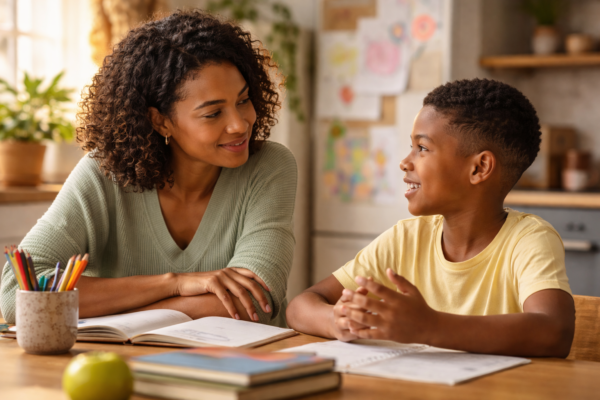
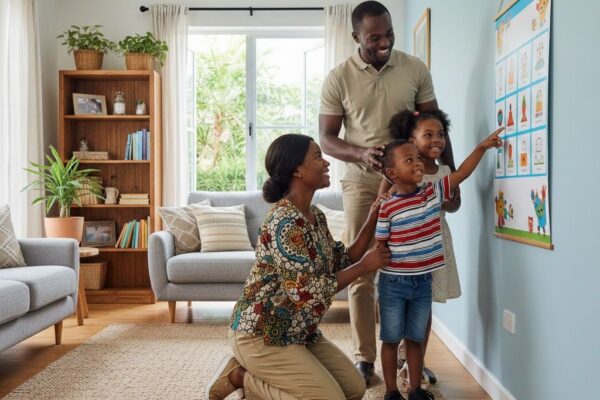
Parent sitting at eye level with child, practicing positive communication and supportive parenting based on the five pillars of parenting

When Happiness Comes First: Rethinking Modern Parenting Through a Psychological Lens

For many modern parents, one goal sits above all others: raising a happy child. From minimizing disappointment to stepping in quickly when discomfort arises, happiness has become a central measure of “good parenting.” This instinct is deeply understandable. In my experience observing family dynamics, speaking with parents, and reviewing psychological research on child development, I’ve…

Parent calmly supporting a child through frustration to build emotional resilience and healthy development

Learning a Second Language: Is Age Really the Deciding Factor?

Learning a second language is widely recognized as one of the most valuable skills a person can develop. It enhances communication, expands cultural understanding, and supports cognitive health throughout life. Yet one question continues to dominate discussions among parents, educators, and adult learners alike: Is it better to learn a second language as a child…

Comparison of children and adults learning a second language, showing differences in pronunciation, learning methods, and cognitive advantages.

Effective Parenting Strategies for Middle Schoolers

The middle school years can feel like unfamiliar territory for many parents. Based on years of observing how children change between ages 11 and 14—both in academic settings and at home—it becomes clear that this stage is not simply “older childhood,” but the beginning of adolescence. Emotional sensitivity increases, peer influence intensifies, and children begin…

Effective Parenting is having a supportive conversation with a middle school child about school, emotions, and growing independence

Parenting Habits That Can Undermine a Child’s Emotional Well-Being

As parents and caregivers, most of us genuinely want our children to feel happy, confident, and emotionally secure. Through observing family dynamics, studying psychological research, and engaging with real-world parenting experiences, one pattern becomes clear: emotional well-being is shaped less by single mistakes and more by repeated everyday interactions. Psychological research consistently shows that children…

Parent listening empathetically to a child, illustrating healthy parenting habits that support emotional well-being and secure emotional development.

Positive Discipline at Home: Setting Healthy Limits Without Conflict

Parenting often feels like a daily balancing act. On one hand, children need guidance, boundaries, and safety. On the other, they crave independence, understanding, and respect. Many households find themselves stuck in a cycle where the word “no” becomes the default response—followed closely by resistance, tears, or tension. Positive discipline offers a different path, one…

Parent calmly guiding a child with positive discipline, showing cooperation and communication in a peaceful home environment

Mindful Parenting: How Staying Calm Shapes Your Child’s Emotional Future

Parenting often feels like a constant balancing act—guiding behavior, managing emotions, and keeping daily life moving, often all at once. Speaking from experience, some of the hardest parenting moments don’t happen during major crises, but in ordinary situations: a child refusing to listen, a meltdown at the worst possible time, or a long day ending…

Parent practicing mindful breathing with a child to encourage calm and emotional regulation at home

7 Ways to Boost Children’s Emotional Well-Being Through Everyday Activities

Supporting a child’s mental and emotional health isn’t something that happens by accident—it grows through intentional, engaging experiences that help kids understand their feelings, connect with others, and build resilience. In today’s world where stress, social pressures, and constant stimulation are part of daily life, proactive wellbeing habits are more important than ever. This guide…

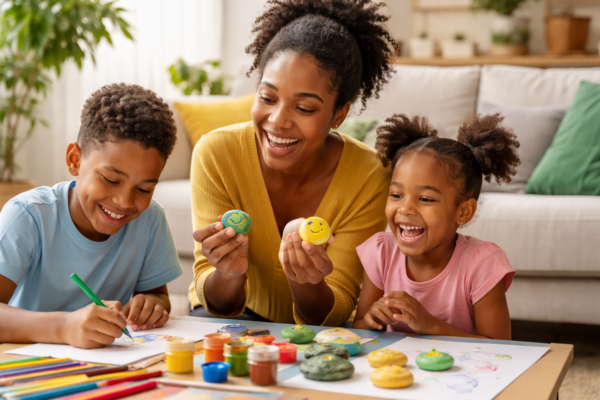
Children engaging in creative and mindful activities such as drawing, journaling, and outdoor play to support emotional wellbeing and mental health.

Raising Lifelong Learners: How Parents Can Inspire a Strong Love for Learning

Education plays a far greater role in a child’s life than grades on a report card. It shapes how children think, solve problems, manage emotions, and prepare for the responsibilities of adulthood. For parents, understanding why learning matters—and how daily actions influence a child’s attitude toward education—can make a lasting difference. This article explores practical,…

Parents supporting a child while studying at home, creating a positive learning environment that encourages education, curiosity, and discipline.