










Tourism is no longer just about leisure—it is a multi-trillion-dollar global industry that directly shapes how cities grow, how cultures evolve, and how communities survive economically. According to the World Tourism Organization (UNWTO), tourism accounts for over 10% of global GDP and employment, making it one of the most influential sectors worldwide.
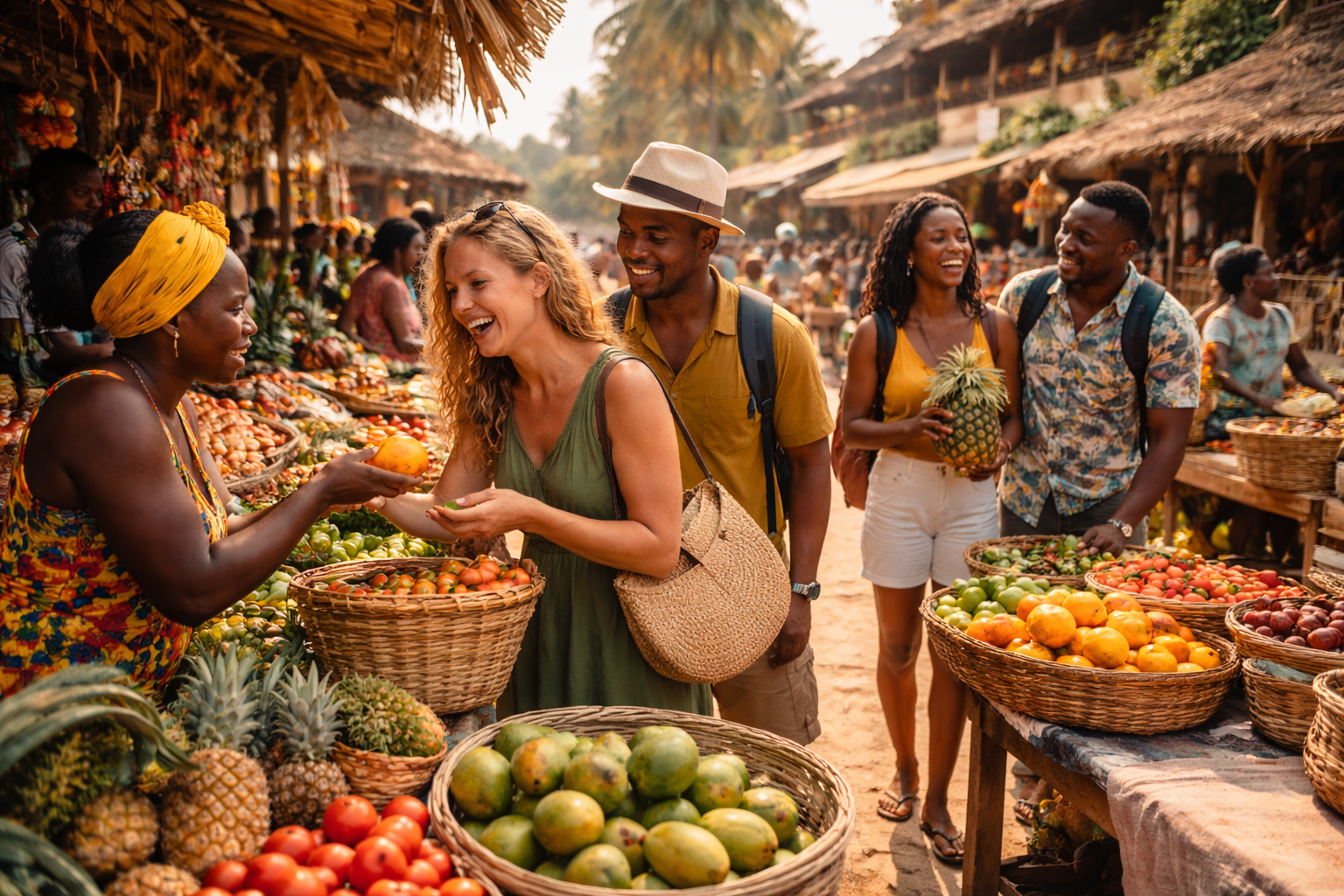
But beyond the statistics, tourism has real, visible effects. During visits to popular destinations, it’s common to see local markets thriving because of visitors—or, in contrast, neighborhoods struggling with rising rents and overcrowding.
This is where tourism geography becomes essential. It helps us understand not just where people travel, but how those movements impact real lives, economies, and cultures.
What Is Tourism Geography?
Tourism geography studies the relationship between people, places, and travel patterns. It focuses on:
- Why tourists choose certain destinations
- How destinations evolve over time
- The interaction between visitors and local environments
It combines:
- Physical geography (landscapes, climate, ecosystems)
- Human geography (culture, economy, population dynamics)
A key concept in this field is the “tourism multiplier effect”—the idea that money spent by tourists circulates through the local economy, benefiting multiple sectors beyond just hotels or airlines.
How Tourism Impacts Local Economies
Tourism can transform economies—but the impact depends on how it is managed.
Economic Benefits of Tourism
1. Job Creation at Scale
Tourism supports over 300 million jobs globally (World Travel & Tourism Council). These include:
- Hotel staff and tour guides
- Transport operators
- Food vendors and artisans
Real-world example:
In parts of East Africa, safari tourism has created thousands of jobs—from park rangers to local craft sellers—reducing reliance on agriculture alone.
2. Increased Local Revenue
Tourist spending flows into:
- Accommodation
- Food services
- Entertainment and attractions
Case Study: Dubai
Once heavily oil-dependent, Dubai diversified its economy through tourism. Today, tourism contributes significantly to its GDP, driven by attractions, shopping, and global events.
3. Infrastructure Development
Governments often invest in:
- Roads and airports
- Electricity and water systems
- Public transport
Personal observation insight:
In many developing regions, roads built initially to support tourism later become essential for local trade and daily commuting, improving overall quality of life.
4. Growth of Small Businesses
Tourism enables local entrepreneurship:
- Handmade crafts
- Cultural tours
- Food businesses
Example:
In Morocco, small family-run riads (guesthouses) have flourished due to tourism, allowing locals to directly benefit rather than relying solely on large corporations.
Economic Challenges of Tourism
1. Overdependence on Tourism
Countries heavily reliant on tourism face risks during crises.
Example: COVID-19 Pandemic
Global tourism dropped by over 70% in 2020 (UNWTO), devastating economies like Thailand and the Maldives.
2. Rising Cost of Living
Tourism can drive up:
- Rent and property prices
- Food and transportation costs
Example: Barcelona, Spain
Short-term rentals for tourists have pushed housing prices beyond what many locals can afford.
3. Unequal Distribution of Income
Large international companies often capture a significant share of profits.
This is known as “economic leakage”—when tourism revenue leaves the local economy instead of benefiting residents.
Cultural Impacts of Tourism
Tourism doesn’t just bring money—it reshapes identity, traditions, and daily life.
Positive Cultural Effects
1. Preservation of Cultural Heritage
Tourism creates financial incentives to protect:
- Historical landmarks
- Traditional crafts
- Festivals
Example: Egypt
Revenue from tourism helps fund the preservation of ancient sites like the pyramids.
2. Cultural Exchange
Tourism fosters interaction between people of different backgrounds.
This can:
- Reduce stereotypes
- Promote global understanding
- Encourage language learning
3. Revival of Traditions
In some communities, tourism has revived fading traditions.
Example:
Traditional dances and crafts in parts of Indonesia have been preserved because tourists show interest in authentic cultural experiences.
Negative Cultural Effects
1. Cultural Commodification
Traditions may be altered to meet tourist expectations.
- Performances become staged
- Cultural meaning may be diluted
2. Loss of Authentic Identity
Younger generations may adopt foreign lifestyles due to constant exposure to tourists.
3. Social Disruption
Overtourism can lead to:
- Crowded public spaces
- Strain on local resources
- Tension between residents and visitors
Example: Venice, Italy
Mass tourism has led to population decline as locals move away from overcrowded areas.
Environmental Impact: A Critical Connection
Tourism geography also considers environmental consequences.
Positive Contributions
- Funding for conservation (e.g., national parks)
- Wildlife protection initiatives
- Increased awareness of sustainability
Negative Impacts
- Pollution and waste
- Overuse of water and energy
- Damage to ecosystems
Example:
Coral reefs in Southeast Asia have been damaged due to uncontrolled tourism activities.
The Rise of Sustainable Tourism
To address these challenges, experts advocate for sustainable tourism—a model that balances economic growth with cultural and environmental protection.
Key Principles
- Support local businesses
- Respect cultural traditions
- Minimize environmental impact
- Ensure fair economic distribution
Practical Example
Rwanda’s Gorilla Tourism Model
Tourism revenue is shared with local communities, while strict visitor limits protect wildlife. This approach has successfully combined conservation with economic development.
Practical Case Studies of Tourism Impact
1. Coastal Tourism (West Africa Example)
In coastal regions of West Africa:
- Tourism boosts income through beach resorts
- However, it also leads to erosion and environmental strain
2. Heritage Tourism (Global Cities)
Cities rich in history attract millions of visitors, but must manage:
- Overcrowding
- Infrastructure stress
- Cultural preservation
3. Rural Tourism (Community Growth)
Rural tourism helps:
- Reduce urban migration
- Diversify income
- Promote local culture
How Travelers Can Make a Positive Impact
Travelers play a critical role in shaping tourism outcomes.
Responsible Travel Tips
- Support locally owned businesses
- Learn and respect local customs
- Reduce plastic use and waste
- Avoid exploitative attractions
- Choose eco-friendly accommodations
Insight:
Even small decisions—like buying from a local vendor instead of a chain store—can significantly increase the economic benefit to communities.
Conclusion
Tourism geography reveals a powerful truth: travel is never neutral. Every trip has economic, cultural, and environmental consequences.
When managed well, tourism can:
- Lift communities out of poverty
- Preserve cultural heritage
- Promote global understanding
But without careful planning, it can also:
- Increase inequality
- Damage ecosystems
- Erode cultural identity
The future of tourism depends on balance—and that responsibility is shared by governments, businesses, and travelers alike.
By making informed and responsible choices, we can ensure that tourism remains not just an industry—but a force for sustainable global development.