








Why Education Reform in Africa Matters Now
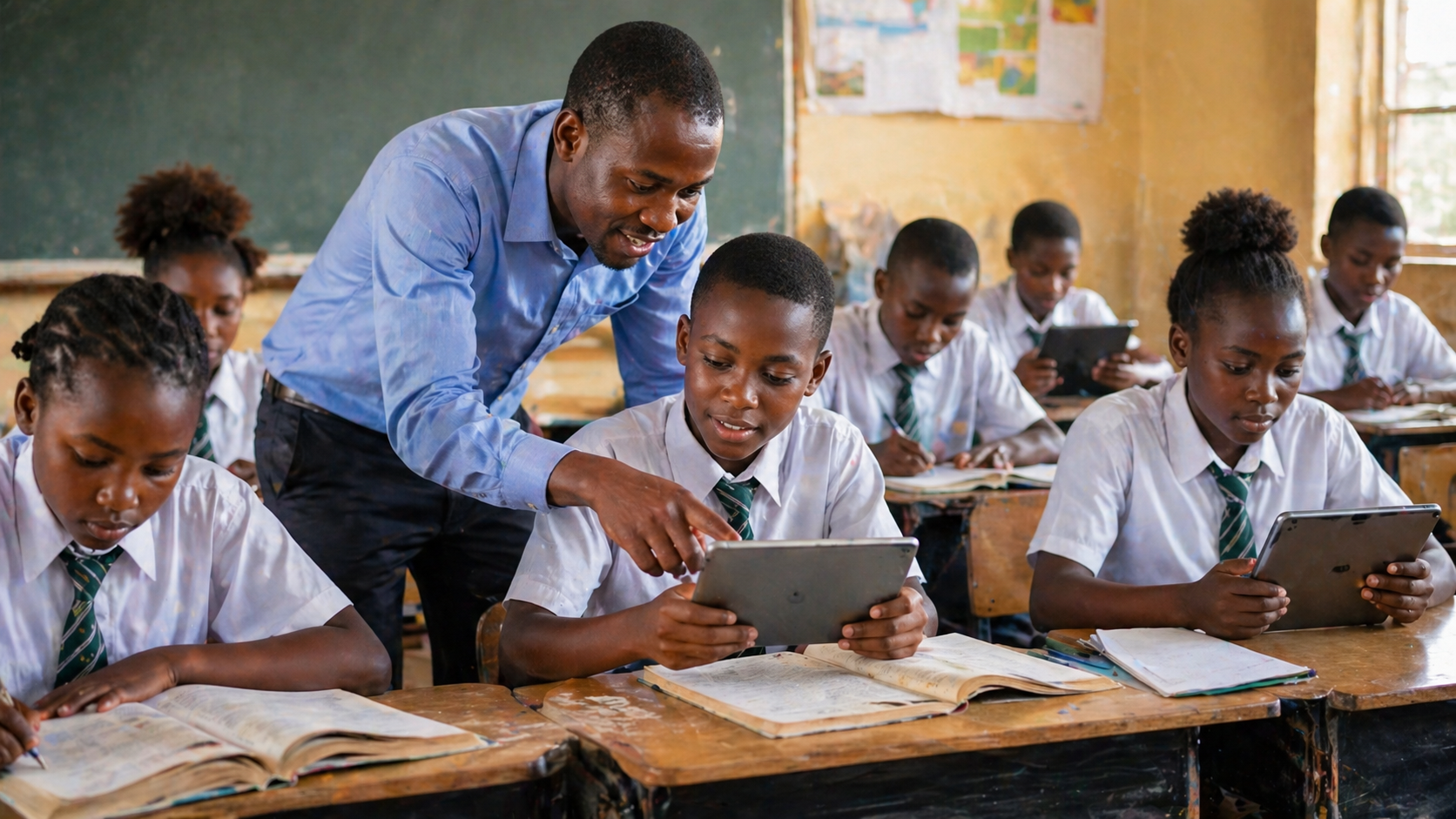
In a public secondary school on the outskirts of Abuja, a teacher manages a classroom of over 60 students with limited textbooks and inconsistent electricity. Yet, despite these constraints, students show remarkable determination to learn. This contrast—between potential and systemic challenges—captures the reality of education across much of Africa today.
Education remains one of the most powerful drivers of economic growth and social mobility. According to the World Bank, each additional year of schooling can increase an individual’s earnings by up to 10%. However, the continent still faces deep structural issues that limit the full impact of education systems.
This article explores the key issues shaping education policy and reform in Africa, backed by real data, expert insights, and practical implications for stakeholders.
The Role of Education Policy in Africa’s Development
Education policy determines how schools function, what students learn, and how resources are distributed. Strong policies can reduce inequality, improve workforce readiness, and accelerate national development.
However, weak implementation remains a major challenge. The UNESCO reports that Sub-Saharan Africa has the highest rate of education exclusion globally, with millions of children still out of school.
Key Issues Shaping Education Policy and Reform
1. Access to Education: Progress with Persistent Gaps
Over the past two decades, access to primary education has improved significantly. Policies like free basic education in countries such as Kenya and Ghana have increased enrollment.
- According to UNICEF, over 98 million children in Sub-Saharan Africa are still out of school.
- Rural areas remain the most affected, where schools are often far apart and under-resourced.
- Girls face additional barriers, including early marriage and cultural norms.
What’s Changing?
Governments are shifting from “access only” to “equitable access”, focusing on:
- Girls’ education programs
- Inclusive education for children with disabilities
- Community-based schooling models
2. Quality of Education: The Learning Crisis
Getting children into school is only half the battle. Learning outcomes remain alarmingly low.
The World Bank estimates that “learning poverty” in Sub-Saharan Africa exceeds 80%, meaning most 10-year-olds cannot read and understand a simple text.
Root Causes:
- Overcrowded classrooms (often 50–80 students per teacher)
- Shortage of qualified teachers
- Limited teaching materials
Reform Efforts:
- Teacher training and certification programs
- National learning assessments
- Curriculum modernization
3. Curriculum Relevance: Bridging School and Real Life
Traditional curricula in many African countries have focused heavily on memorization. Today, economies demand practical and adaptable skills.
Countries like Rwanda and Kenya are adopting competency-based curricula (CBC) that emphasize:
- Critical thinking
- Digital literacy
- Problem-solving
- Entrepreneurship
This shift reflects a growing recognition that education must align with labor market realities, especially in economies with high youth unemployment.
4. Funding and Resource Allocation: A Structural Challenge
Education funding remains one of the biggest constraints.
- The UNESCO recommends allocating 15–20% of national budgets to education, but many countries fall below this benchmark.
- Infrastructure gaps persist:
- مدارس without electricity
- Limited access to clean water
- Inadequate classroom space
Emerging Solutions:
- Public-private partnerships
- International funding support (e.g., Global Partnership for Education)
- Better tracking of education spending
5. Teacher Training and Retention: The Human Factor
Teachers are the backbone of any education system, yet shortages remain critical.
- Sub-Saharan Africa needs millions of additional teachers to meet demand, according to UNESCO.
- Many teachers face:
- Low salaries
- Delayed payments
- Limited professional development
Policy Responses:
- Incentives for rural teachers
- Continuous training programs
- Improved working conditions
A well-supported teacher workforce directly improves student outcomes.
6. Technology in Education: Opportunity Meets Reality
The COVID-19 pandemic accelerated digital learning across Africa.
Countries introduced:
- Radio and TV-based lessons
- Online learning platforms
- Mobile education tools
However, the digital divide remains significant:
- Only a fraction of households have reliable internet access
- Devices remain expensive
Despite this, technology is becoming central to long-term education strategies, especially in urban areas.
7. Governance and Policy Implementation: The Missing Link
Many African countries have well-designed education policies—but struggle with execution.
Common challenges include:
- Weak institutional capacity
- Corruption or mismanagement
- Poor monitoring systems
What Works:
- Data-driven decision-making
- Community involvement in school management
- Transparent accountability systems
Effective reform depends not just on policy design—but on consistent implementation.
8. Equity and Inclusion: Leaving No Child Behind
Modern education reforms increasingly prioritize inclusion.
Key focus areas:
- Girls’ education
- Children with disabilities
- Marginalized and conflict-affected communities
Programs supported by organizations like UNICEF have shown that:
- Scholarships and school feeding programs improve attendance
- Inclusive classrooms improve long-term outcomes
Emerging Trends in African Education Reform
1. Skills-Based Education
There is a shift toward vocational and technical training, helping students transition into employment or entrepreneurship.
2. Decentralization
Countries like Nigeria are empowering local governments and school administrators to make decisions tailored to community needs.
3. Partnerships
Collaboration between governments, NGOs, and private sector players is increasing, bringing innovation and funding into the system.
Practical Insights for Stakeholders
For Parents
- Monitor your child’s learning progress weekly
- Attend school meetings and engage teachers
- Support learning at home, especially reading and digital skills
For Students
- Develop skills beyond academics (e.g., tech, communication)
- Use free online learning platforms when available
- Stay adaptable in a changing job market
For Policymakers
- Balance access with quality improvements
- Invest in teachers as a top priority
- Ensure policies are realistic, funded, and measurable
Conclusion: The Future of Education in Africa
Education reform in Africa is at a critical turning point. While access has improved, challenges in quality, funding, and implementation continue to shape outcomes.
The path forward requires:
- Stronger investment
- Better governance
- Inclusive and skills-focused education systems
As the World Bank emphasizes, improving education is one of the most effective ways to reduce poverty and drive sustainable development.
For Africa to unlock its full potential, education systems must evolve—not just to educate, but to empower.
Frequently Asked Questions
1. Why is education reform important in Africa?
Education reform is essential in Africa to improve access, enhance learning quality, and equip students with practical skills needed for employment and economic growth. According to the World Bank, better education directly reduces poverty and increases earning potential.
2. What are the biggest challenges facing education in Africa?
Major challenges include:
- Limited access in rural areas
- Poor learning outcomes
- Teacher shortages
- Inadequate funding
- Lack of infrastructure
The UNESCO highlights that millions of children remain out of school across the continent.
3. What is learning poverty in Africa?
Learning poverty refers to the inability of children to read and understand a simple text by age 10. In Sub-Saharan Africa, this rate exceeds 80%, according to the World Bank.
4. How is technology improving education in Africa?
Technology is enabling:
- Online learning platforms
- Mobile education apps
- Remote learning via radio and TV
However, challenges like internet access and device affordability still limit its full impact.
5. What solutions can improve education systems in Africa?
Effective solutions include:
- Investing in teacher training
- Increasing education funding
- Updating curricula to include practical skills
- Expanding digital learning access
- Strengthening policy implementation