






Home » Education » Page 5

How to Master Quantitative Reasoning for Primary 6: 6 Proven Steps

Quantitative reasoning is one of the most important academic skills a child develops in upper primary school. In my experience working with Primary 6 pupils preparing for entrance examinations and end-of-year assessments, the difference between average and high-performing pupils is rarely “intelligence.” It is almost always structured reasoning practice. According to the National Council of…

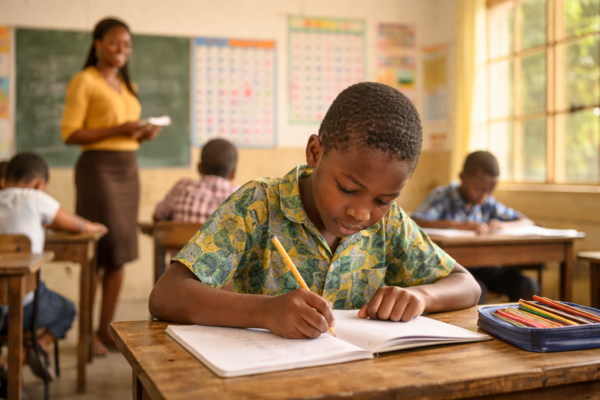
Primary 6 pupil solving quantitative reasoning math problems with fractions and number patterns in a classroom setting

Best Language Learning Apps in 2026: Expert Guide to Choosing the Right One

Learning a new language no longer requires enrolling in expensive classroom courses. Today, high-quality mobile apps make it possible to build vocabulary, improve pronunciation, and practice conversation from your smartphone. But not all language learning apps are equally effective. After personally testing multiple platforms over several months — including structured daily practice, speech exercises, and…

Smartphone displaying Duolingo, Babbel, Rosetta Stone, and Busuu apps for learning languages, surrounded by study materials.

Learning French as a Subject in School: Benefits, Challenges, and Long-Term Value

Choosing a foreign language in school is an important academic decision. For many students and parents, learning French as a subject in school raises an important question: Is it truly worth the effort? Based on classroom experience, educational research, and global language data, the answer is often yes — when approached with consistency and realistic…

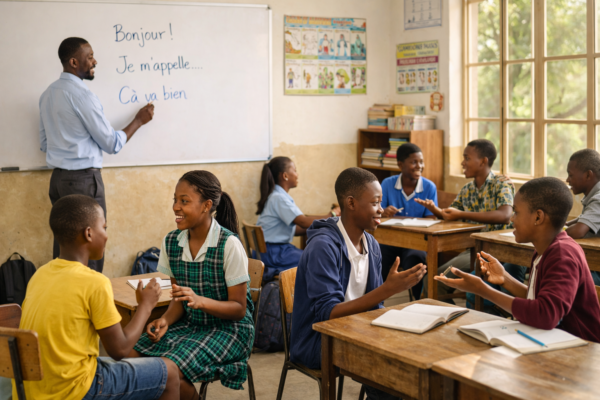
Students learning French as a subject in school practicing speaking skills in a modern classroom

Is Learning a Skill or a Talent? What Science Really Says

Is learning a skill or a talent? You’ve probably asked this after watching someone master an instrument quickly, solve complex math problems effortlessly, or speak confidently without notes. It’s easy to assume: “They’re just naturally talented.” But research in psychology, neuroscience, and education suggests a more nuanced answer. Understanding whether learning is a skill, a…

Illustration comparing natural talent and developed skill, showing two individuals practicing piano to explain whether learning is a skill or talent.

Amazing Africa Day Celebration Ideas for Teachers

Africa Day, celebrated annually on May 25, marks the founding of the Organization of African Unity in 1963—now known as the African Union. While the day commemorates political unity across the continent, in schools it serves a broader educational purpose: promoting cultural understanding, historical awareness, and global citizenship. Over the past several years working with…

Plan a meaningful Africa Day at school with creative classroom activities, cultural projects, timeline ideas, and engaging lessons for students.

What Games Do Kids Play at School in Africa? (A Look at Playground Life Across the Continent)

If you walk into almost any primary school playground across Africa during recess, you’ll hear the same sounds: laughter, cheering, rhythmic clapping, and the thud of a ball—sometimes handmade from tied plastic bags. Having visited schools in both urban and rural communities in West and East Africa, one thing becomes clear very quickly: play is…

Primary school children in Africa playing football and traditional Ampe game during recess in a rural school playground.

What Are Examples of Creative Activities for Kids in School?

Creative activities in school are more than enrichment — they are essential tools for developing critical thinking, collaboration, and long-term academic success. As an educator who has implemented project-based and arts-integrated learning in elementary and middle school classrooms, I’ve consistently observed that students engage more deeply when creativity is embedded into instruction rather than treated…

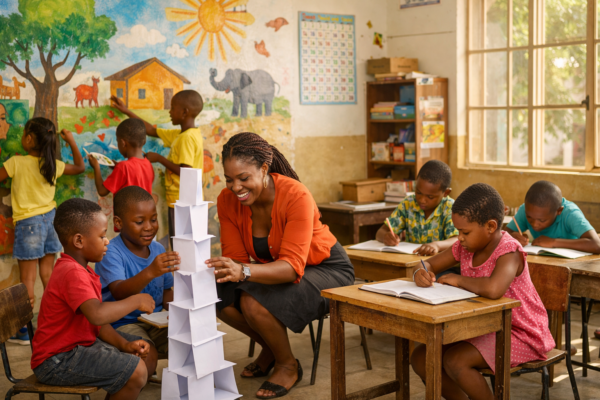
Elementary school students participating in creative classroom activities including mural painting, STEM tower building, and creative writing projects.

What Is the Big Five in Education? Meaning, Research, and Practical Classroom Applications

When educators refer to the “Big Five” in education, they are usually talking about the Big Five personality traits. This scientifically validated psychological framework explains differences in behavior, motivation, and learning styles. These traits — known formally as the Five-Factor Model (FFM) — are: Originally developed through decades of personality research and refined by psychologists…

Illustration showing diverse students demonstrating the Big Five personality traits in a classroom setting, including collaboration, independent study, creativity, organization, and emotional regulation.

What Are the 7 Elements of Learning? A Framework for Students and Educators

Learning is not a mysterious talent reserved for a few gifted individuals. It is a structured cognitive process that follows identifiable psychological and neurological principles. When those principles are understood and applied deliberately, learning becomes faster, deeper, and more durable. As someone who has worked with students preparing for exams and professionals developing new skills,…

Diagram showing the 7 elements of learning—attention, motivation, prior knowledge, active engagement, practice, feedback, and application—arranged in a circular cognitive learning framework.

What Is the Most Exciting Thing Happening in Education Today?

Education is undergoing one of the most significant transformations in its history. While innovations such as virtual reality, gamified apps, and online universities continue to expand, one development stands above the rest: Personalized learning powered by artificial intelligence (AI). Unlike traditional one-size-fits-all instruction, personalized learning uses data, adaptive algorithms, and learning science to tailor education…

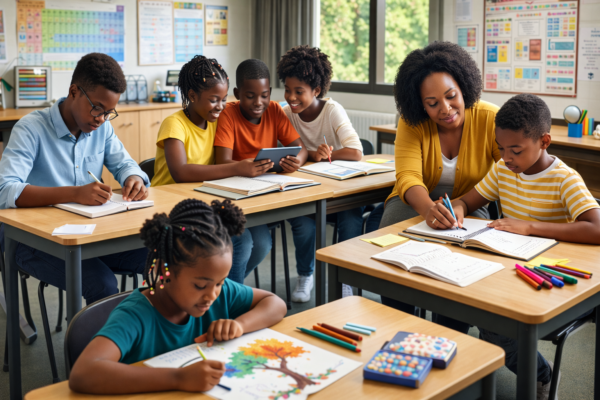
Teacher guiding students in a modern classroom using AI-powered adaptive learning technology to personalize education