
Noah Wuyep

Home » Archives for Noah Wuyep » Page 11

What Might the Future of Education Look Like Based on Current Trends?

Education is undergoing rapid transformation. Technology, shifting workforce demands, and global challenges are reshaping the way people learn and teach. With AI, hybrid learning, data-driven insights, and lifelong education becoming mainstream, one important question arises — what might the future of education look like based on current trends? In this post, we explore the latest…

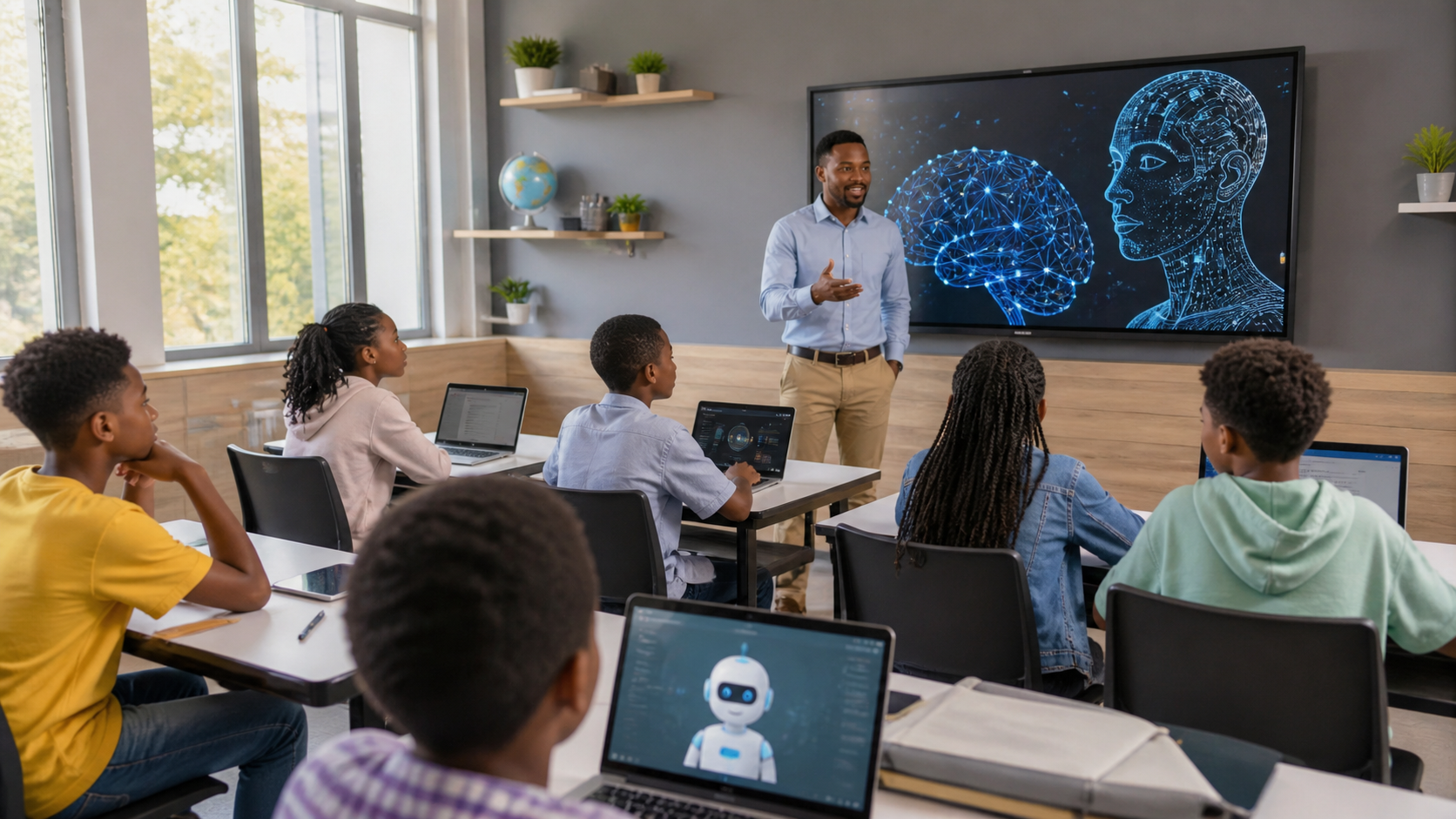
“Students using AI-powered tools and digital technology in a modern classroom representing the future of education.”

Unlocking High-Quality Teaching in Africa

High-quality teaching is the single most important in-school factor that determines whether children learn. Yet across many parts of Africa, classrooms still struggle with large pupil numbers, uneven teacher preparation, weak professional development, and repeated disruptions from conflict and climate shocks. Solving these problems is not a mystery — the research points to clear, scalable…

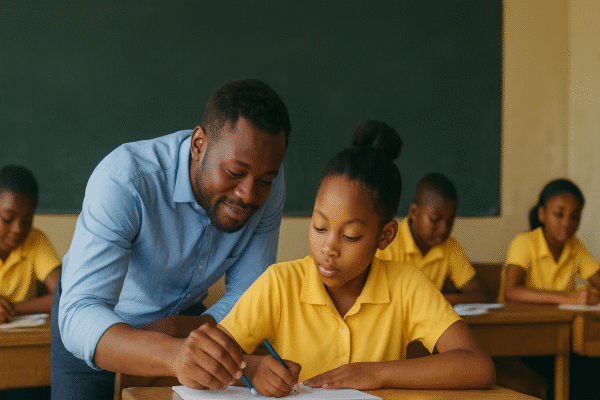
Teacher coaching a primary school classroom in Africa: instructor modelling a reading lesson while children follow along in their textbooks.

Virtual Reality in Education: Can It Replace Traditional Teaching?

The Future of Learning Is Already Here What if students could travel back to ancient civilizations, perform virtual surgeries, or explore space without leaving the classroom? That’s the power of Virtual Reality (VR) in education. As the demand for innovative learning methods grows, VR is emerging as a strong alternative—potentially even a replacement—for traditional teaching….

The-Rise-of-Virtual-Reality-Education:-Can-It-Truly-Replace-Traditional-Teaching?

The Brain Benefits of Speaking Multiple Languages at Home During Childhood

We live in a world where borders are becoming more digital than physical. People communicate, work, and learn across countries—and languages. For children growing up today, multilingualism is not only an advantage but a powerful brain-development booster. Research shows that early exposure to more than one language shapes cognitive growth, improves emotional intelligence, and builds…

Child reading a bilingual book at home with parents, symbolizing early childhood brain development through multilingual learning.

The Surge in Foreign Education: Nigerians Spend Billions on Education Abroad

In the last decade, foreign education has become the aspiration of thousands of Nigerian students and families. Once reserved for a select elite, studying abroad has now evolved into a mainstream trend — fueled by globalization, dissatisfaction with local educational systems, and the belief that international credentials create better career opportunities. But this trend comes…

Nigerian students studying abroad in a modern university classroom representing the rise of foreign education.

The Importance of Climate Science Education in Nigerian Schools

Climate change is not a distant problem — it is already affecting communities across Nigeria. Floods, droughts coastal erosion and shifting rainfall patterns are disrupting livelihoods, food production, and schooling. Teaching Climate Science in schools equips learners with the knowledge and skills to understand these changes and act locally. This article explains why Climate Science…

From Chalk to Smartboards: What It Really Takes to Scale Digital Education in Africa

For decades, the image of an African classroom has been remarkably consistent: chalk dust, blackboards, crowded wooden desks, and overextended teachers. Yet in recent years, across ministries of education, donor-funded pilots, and edtech initiatives I’ve directly reviewed and observed, a more urgent question has emerged: can Africa leap from chalk to smartboards — and beyond…

from-chalk-to-smartboards-digital-education-africa