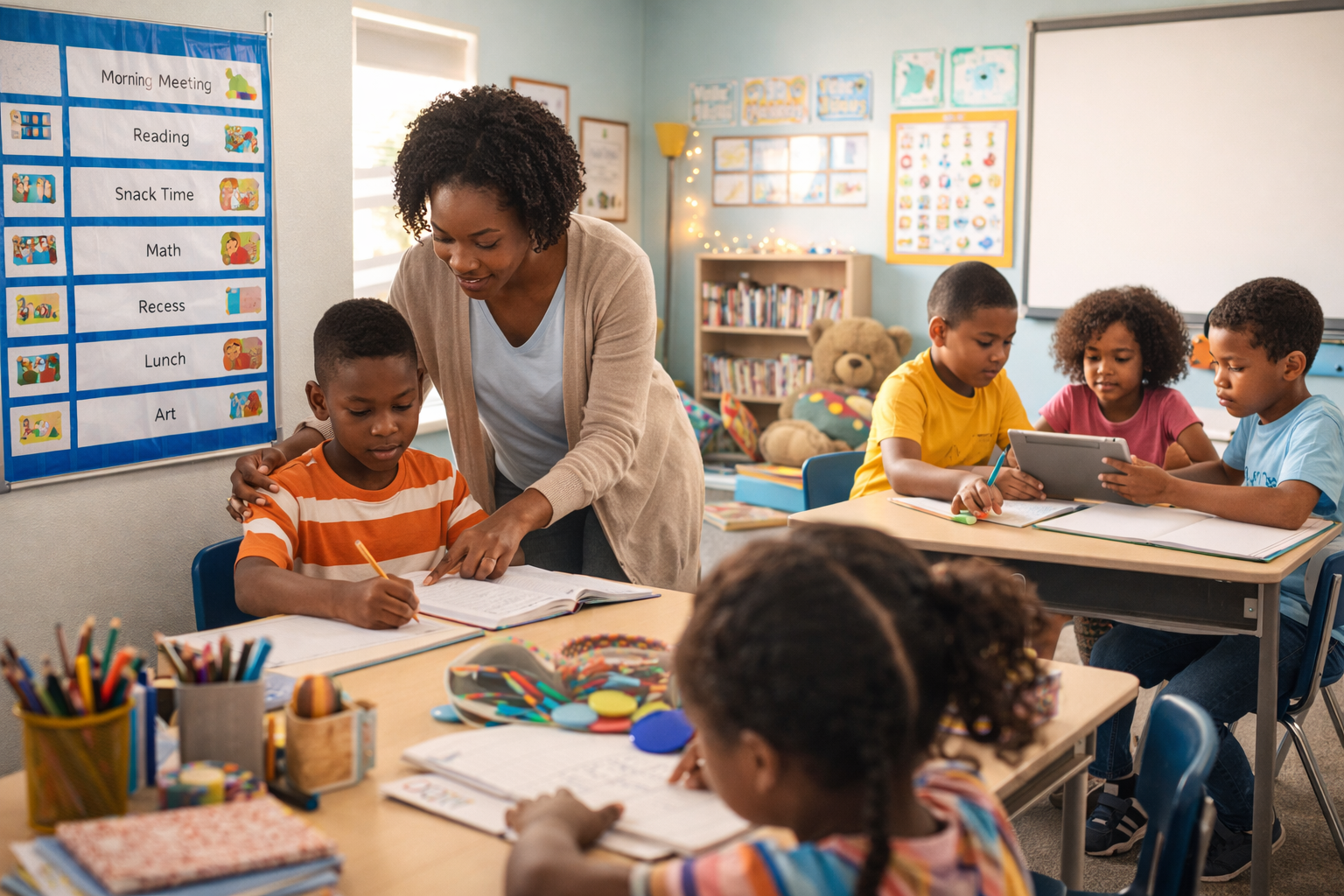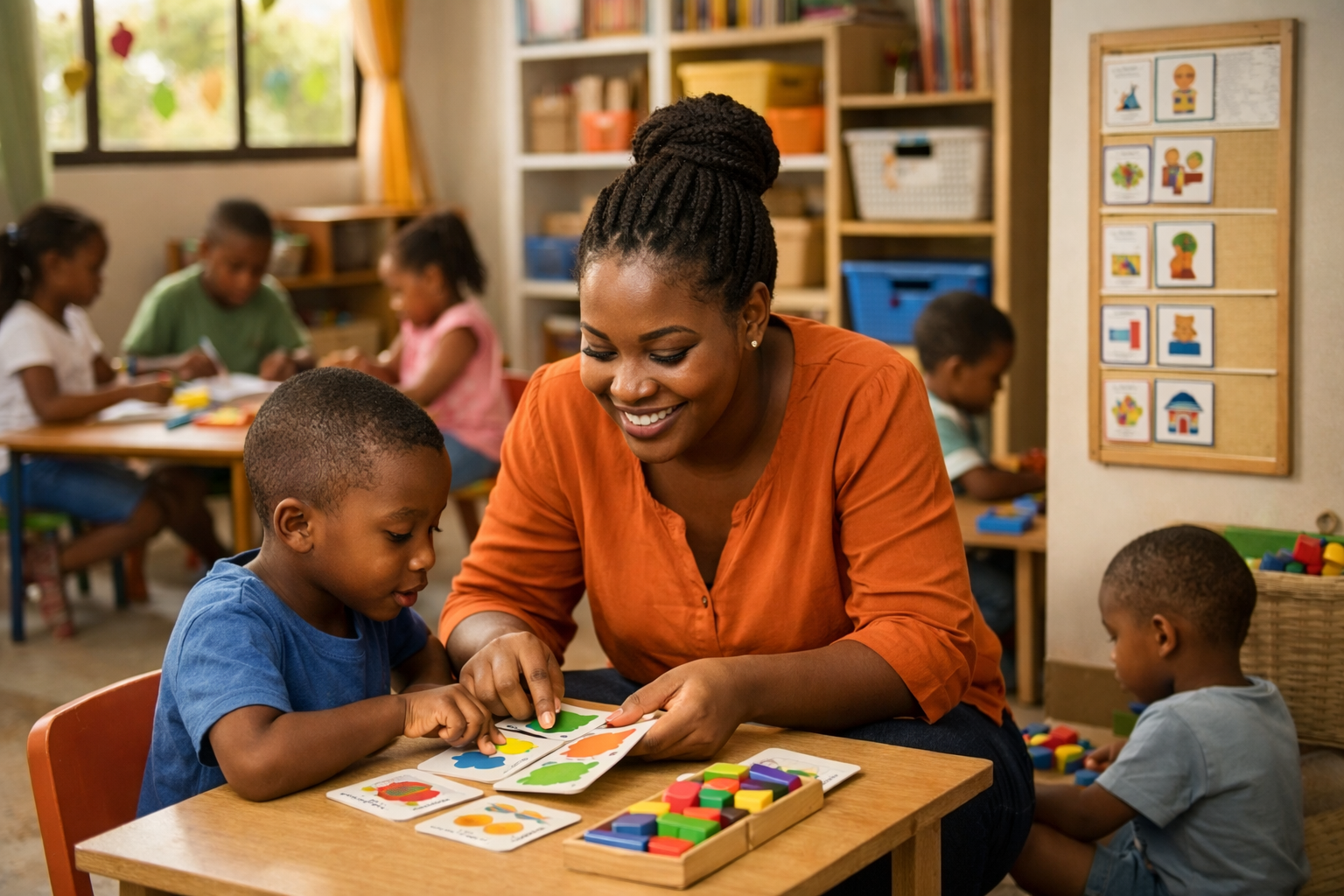






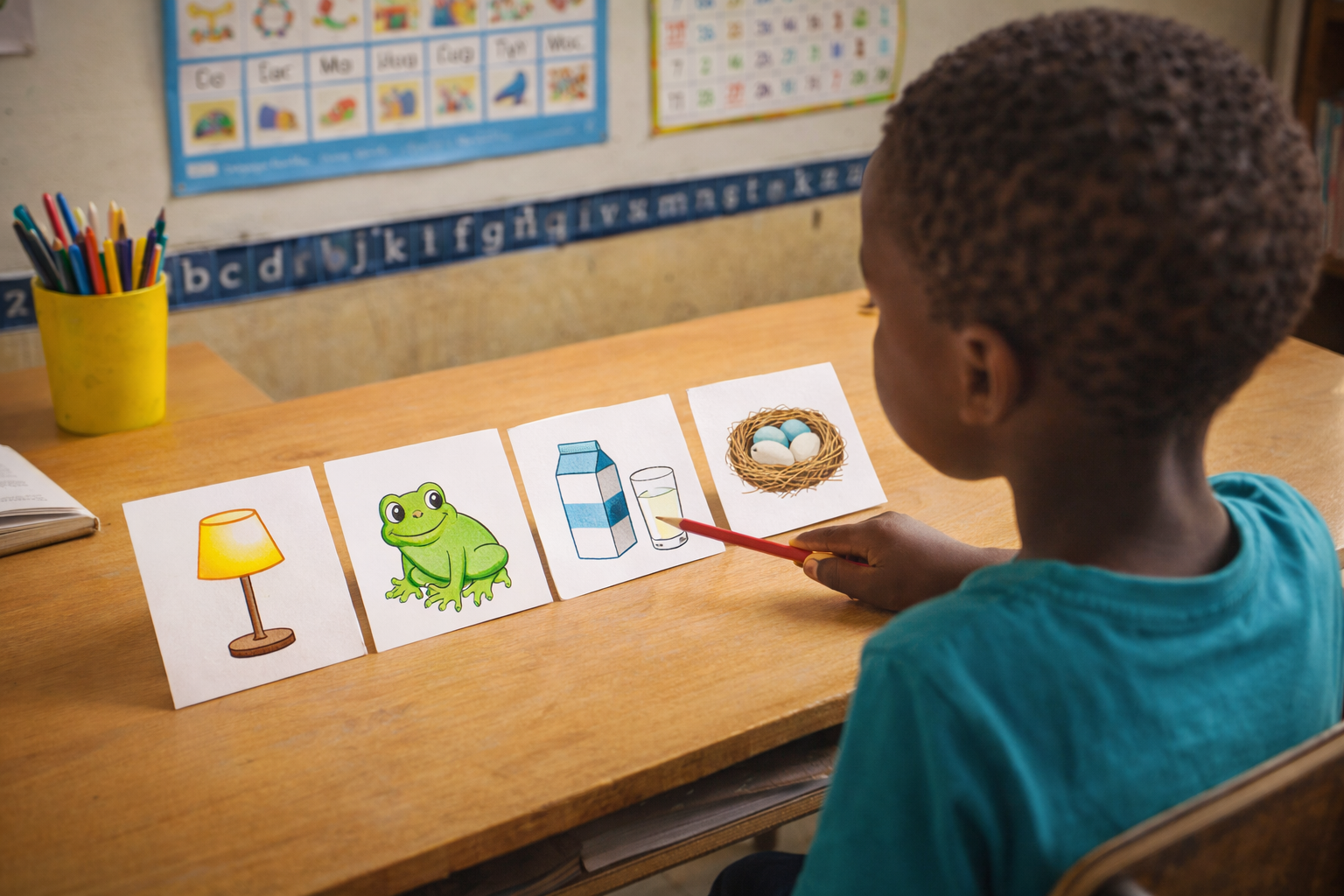
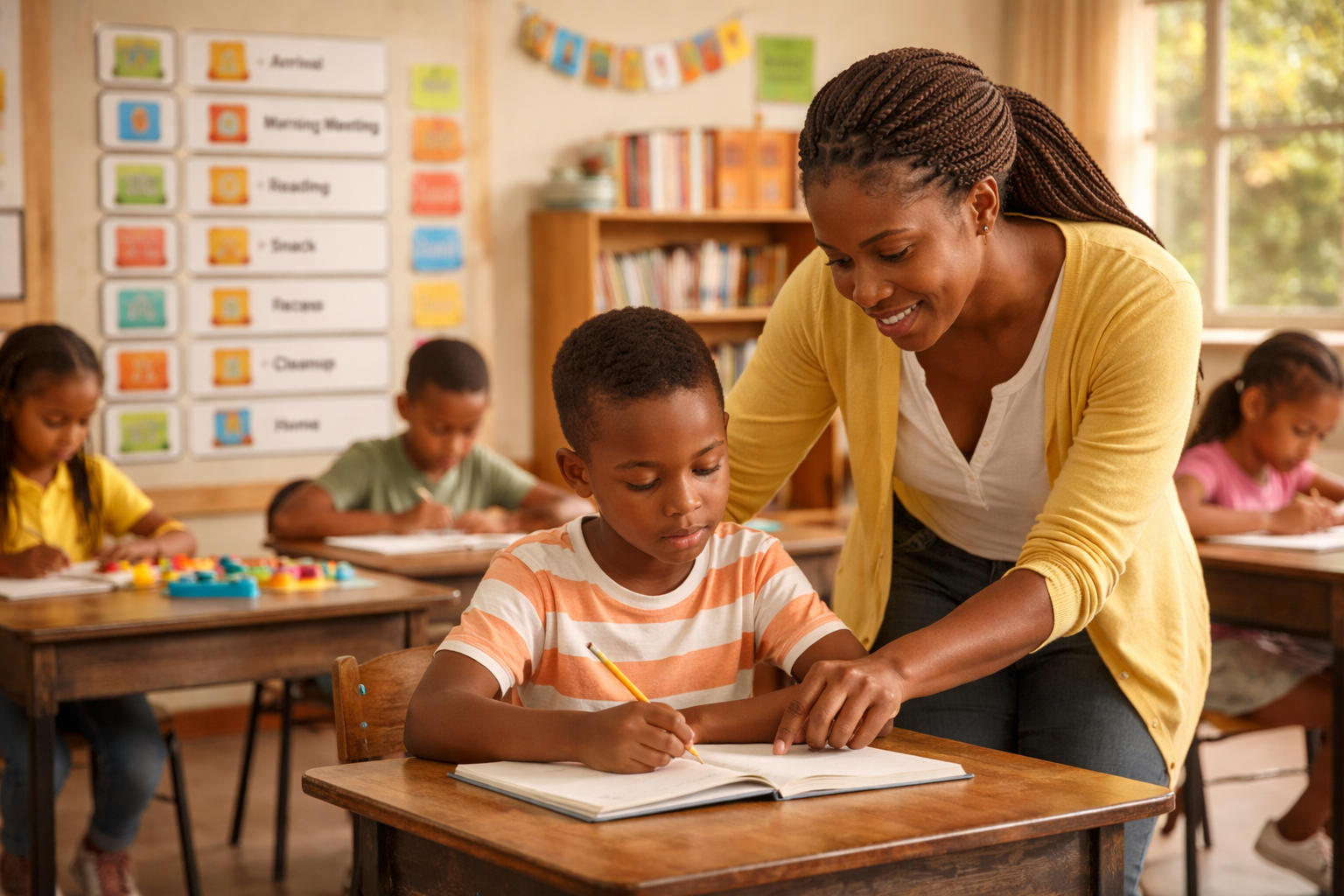


Supporting positive behavior in special education classrooms is essential for creating a safe, structured, and inclusive learning environment. Students with diverse needs—such as autism, ADHD, or emotional and behavioral disorders—often experience challenges with communication, emotional regulation, and social interaction.
Without the right support, these challenges can lead to disruptive behaviors. However, when educators use evidence-based behavioral strategies, students can develop independence, confidence, and self-regulation skills.
This guide combines research-backed methods, classroom experience, and practical tools to help teachers, caregivers, and school staff effectively support student behavior.
Understanding Behavior in Special Education (Why Behavior Happens)
One of the most important principles in special education is this:
Behavior is a form of communication
Students may act out or withdraw because they are:
- Struggling to express needs
- Overwhelmed by sensory input
- Avoiding difficult tasks
- Seeking attention or connection
This understanding is strongly supported by behavioral science and is foundational in Applied Behavior Analysis (ABA).
According to behavior analysis research, behaviors are influenced by environmental triggers and consequences, not just intention.
My Classroom Insight: What Actually Works
In real classroom settings, one pattern appears consistently:
Students respond better to predictability and positive reinforcement than to punishment.
For example:
- A student who frequently leaves their seat often isn’t being “defiant”
- Instead, they may need:
- Movement breaks
- Clear expectations
- Reinforcement for small successes
When these supports are introduced, behavior typically improves within weeks—not instantly, but consistently.
The Role of Positive Behavioral Interventions and Supports (PBIS)
A widely used framework in schools is Positive Behavioral Interventions and Supports (PBIS).
PBIS focuses on:
- Preventing problem behavior
- Teaching expected behavior
- Reinforcing positive actions
Research from the U.S. Department of Education shows that PBIS improves school climate and reduces behavioral incidents when implemented consistently.
Key Behavioral Support Strategies (Backed by Research)
1. Establish Clear and Predictable Expectations
Students benefit from structure and clarity.
Practical Tools:
- Post 3–5 simple classroom rules
- Use visual icons (e.g., “raise hand,” “sit quietly”)
- Model behaviors daily
Instead of: “Behave properly”
Say: “Raise your hand before speaking”
2. Use Visual Supports (Essential for Many Learners)
Visual supports reduce confusion and increase independence.
Classroom Tools:
- Visual schedules
- First-Then boards
- Task breakdown charts
Research in special education shows visual supports improve task completion and reduce anxiety, especially for students with autism.
3. Apply Positive Reinforcement (Core ABA Principle)
Positive reinforcement increases desired behaviors by rewarding them.
Examples:
- Verbal praise
- Token systems
- Preferred activities
Behavioral research consistently shows reinforcement is more effective than punishment for long-term behavior change.
Pro Tip:
Reinforce immediately and consistently.
4. Use Functional Behavior Assessment (FBA)
A Functional Behavior Assessment (FBA) identifies why a behavior occurs.
Steps:
- Observe behavior
- Identify triggers (antecedents)
- Analyze consequences
- Determine function:
- Attention
- Escape
- Sensory
- Access to items
Once you know the cause, you can teach a replacement behavior.
5. Create Individualized Behavior Intervention Plans (BIPs)
Every student is different—so strategies must be tailored.
A Strong BIP Includes:
- Target behavior
- Triggers
- Replacement skills
- Reinforcement plan
These are typically developed with:
- Teachers
- School psychologists
- Parents
6. Teach Social and Emotional Skills Directly
Many students struggle not because they “won’t behave,” but because they don’t yet have the skills.
Teach explicitly:
- Emotional regulation
- Communication
- Problem-solving
Programs based on Social Emotional Learning (SEL) have been shown to improve both behavior and academic outcomes.
7. Maintain a Structured Environment
Consistency reduces anxiety and behavioral outbursts.
Strategies:
- Fixed daily routines
- Transition warnings (“2 minutes left”)
- Timers and visual cues
8. Offer Choices to Increase Engagement
Giving choices reduces resistance and builds autonomy.
Examples:
- “Start with reading or math?”
- “Work at desk or carpet?”
Even small choices can prevent power struggles.
9. Use De-escalation Techniques
When behavior escalates, your response matters more than the behavior.
Effective Strategies:
- Stay calm and neutral
- Give space
- Avoid arguing
- Redirect attention
Crisis prevention research shows that calm responses reduce escalation faster than confrontation.
10. Collaborate with Families and Specialists
Consistency across environments is critical.
Practical Actions:
- Weekly communication logs
- Shared behavior strategies
- Parent-teacher collaboration
Common Mistakes to Avoid
Avoid these evidence-based pitfalls:
- Inconsistent rules
- Overuse of punishment
- Ignoring small progress
- Expecting immediate change
Behavioral change is gradual and requires reinforcement over time.
Practical Classroom Scenarios (Real Application)
Scenario 1: Student Leaves Seat Frequently
Solution:
- Visual schedule
- Timer for work periods
- Movement breaks every 10–15 minutes
- Reward for staying seated
Scenario 2: Student Has Emotional Outbursts
Solution:
- Teach calming strategies
- Use a “calm-down corner”
- Reinforce self-regulation
Scenario 3: Student Refuses Work
Solution:
- Break tasks into smaller steps
- Offer choices
- Use “First-Then” strategy
Step-by-Step Implementation Plan (Classroom-Ready)
Week 1:
- Establish rules and routines
- Introduce visual supports
Week 2:
- Start reinforcement system
- Observe behaviors
Week 3:
- Conduct basic FBA
- Adjust strategies
Week 4:
- Introduce individualized supports
Classroom Tools You Can Use Immediately
Visual Tools
- Printed schedules
- Behavior charts
- First-Then boards
Reinforcement Tools
- Token boards
- Reward menus
Tech Tools
- Timer apps
- Behavior tracking apps
Benefits of Effective Behavioral Support
For Students:
- Improved focus
- Better emotional control
- Increased confidence
For Teachers:
- Fewer disruptions
- More teaching time
- Stronger relationships
For Classrooms:
- Calm, structured environment
- Inclusive learning space
Conclusion
Behavioral support in special education is not about control—it’s about understanding and skill-building.
By using:
- Evidence-based frameworks (PBIS, ABA, FBA)
- Consistent reinforcement
- Structured environments
Educators can help students develop the tools they need to succeed.
With patience, consistency, and the right strategies, every student can make meaningful progress.