

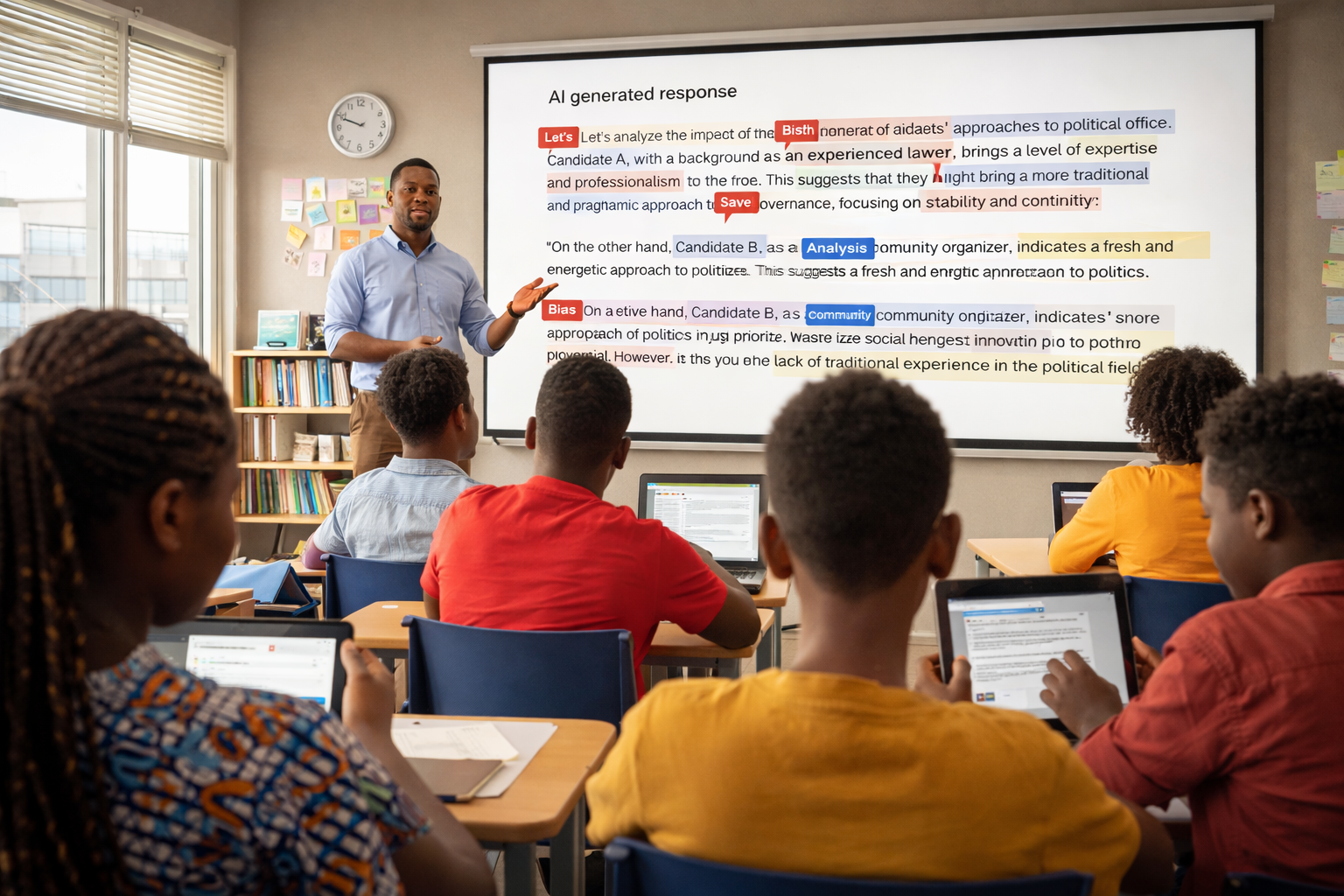




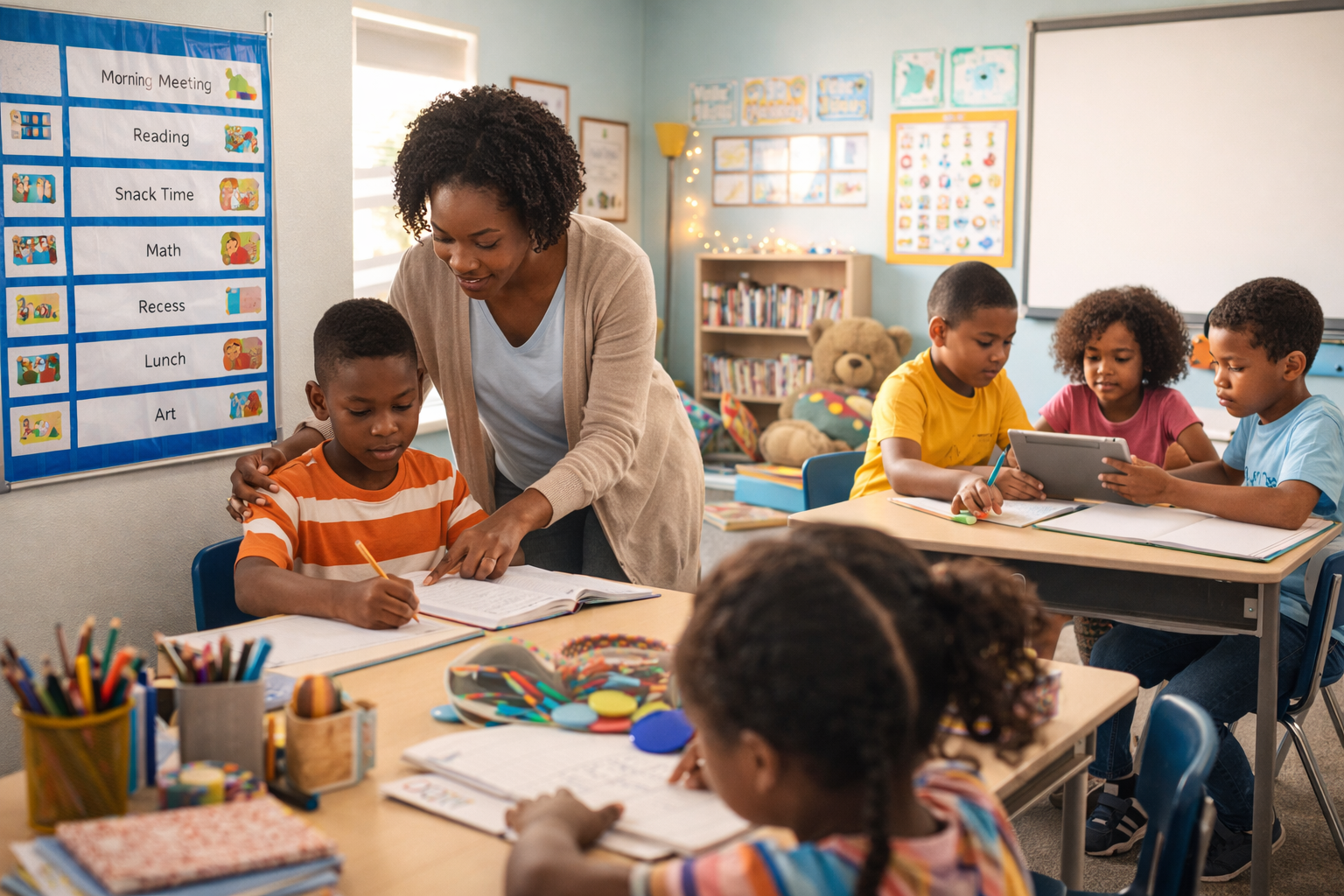


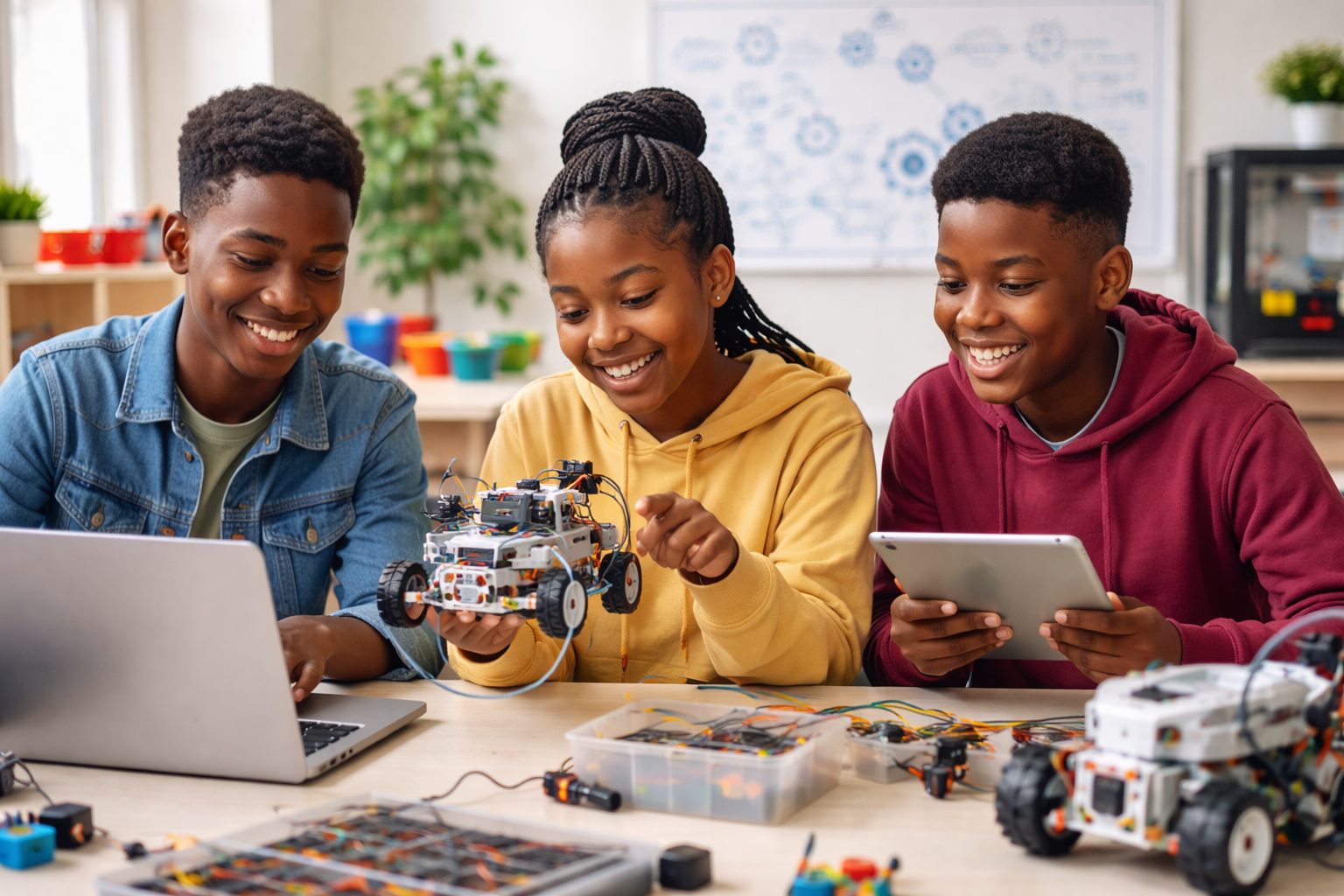
In today’s innovation-driven economy, education cannot afford to lag behind technological change. Over the past several years, working with STEM educators and observing classroom technology implementations, one pattern has become clear: classrooms that integrate robotics and coding consistently produce more engaged, confident, and capable problem-solvers than those relying solely on traditional instruction.
Modern STEM classrooms are no longer defined by textbooks and chalkboards alone. Instead, they are dynamic learning environments where students actively design, test, fail, iterate, and succeed using robotics, coding, and engineering design principles. These tools are not optional enhancements; they are foundational to how learners develop the skills required for careers in science, technology, engineering, and mathematics (STEM).
This article examines how robotics and coding shape modern STEM education, drawing from classroom-level experience, established educational research, and widely recognized STEM frameworks.
What Defines a Modern STEM Classroom?
A modern STEM classroom emphasizes hands-on, inquiry-based, and interdisciplinary learning. Unlike traditional models that isolate subjects, STEM instruction integrates science, technology, engineering, and mathematics into connected, real-world problem-solving experiences.
Based on classroom observations and educator feedback, effective STEM classrooms consistently include:
- Project-based and inquiry-driven learning
- Collaborative student teams
- Real-world problem contexts
- Technology-enabled experimentation
- Student-centered instruction
When robotics and coding are embedded into this framework, abstract concepts become tangible, measurable, and meaningful.
Why Robotics Is Essential in STEM Education
1. Robotics Strengthens Problem-Solving and Critical Thinking
In classrooms where robotics is actively used, students are required to design systems, test assumptions, debug failures, and improve performance. During a robotics module observed in a middle-school STEM program, students who initially struggled with abstract problem-solving demonstrated measurable improvement after working through iterative robot-design challenges.
Educational research supports these observations. Studies published in peer-reviewed journals such as the International Journal of Advanced Computer Science and Applications report that robotics-based learning significantly improves analytical thinking, persistence, and creative problem-solving skills.
2. Robotics Enables Experiential Learning
Robotics provides immediate, physical feedback. When a robot fails to move or respond as intended, students can directly trace errors in logic, mechanics, or code. This cause-and-effect learning accelerates conceptual understanding and reinforces scientific reasoning far more effectively than passive instruction.
3. Robotics Builds Collaboration and Communication Skills
Robotics projects are rarely solo activities. Students take on roles such as programmer, builder, tester, or project coordinator. These collaborative structures mirror real engineering environments and help students develop communication, leadership, and teamwork skills that are critical in STEM careers.
The Importance of Coding in Modern STEM Classrooms
1. Coding as a Foundational Literacy
Coding is no longer a niche skill; it is a fundamental form of literacy in a digital world. From healthcare systems to transportation networks, software underpins nearly every modern industry. Introducing coding early helps students understand—not just use—technology.
According to data published by Code.org, students exposed to computer science education are significantly more likely to pursue STEM-related fields later in their academic journey, particularly when exposure begins before high school.
2. Coding Develops Computational Thinking
Computational thinking involves breaking problems into logical steps, recognizing patterns, and designing efficient solutions. In classrooms where coding is integrated into math and science lessons, students demonstrate stronger logical reasoning and improved analytical skills, even outside programming tasks.
3. Coding Encourages Creativity and Inclusion
Contrary to common misconceptions, coding is not purely technical. In practice, students use code to create games, simulations, animations, and digital stories. This creative dimension broadens participation and helps engage learners who may not initially see themselves as “technical,” including girls and underrepresented groups.
How Robotics and Coding Work Together
Robotics and coding are most effective when taught together. Robots require code to function, and coding becomes more meaningful when students see their programs produce real-world actions.
In modern STEM classrooms, this integration allows students to:
- Program robots to navigate mazes or complete tasks
- Design automated systems that address environmental or community problems
- Simulate manufacturing or engineering processes
These activities help students understand technology as a problem-solving tool, not just a subject to memorize.
Research Evidence Supporting Robotics and Coding Integration
1. Improved STEM Achievement
A 2025 study published in Educational Technology & Society found that students participating in structured robotics programs outperformed peers in mathematics and science assessments. Researchers attributed this improvement to higher engagement and deeper conceptual understanding.
2. Increased Engagement and Attendance
Reports from organizations such as the National Science Foundation indicate that technology-rich classrooms experience higher student engagement, improved attendance, and reduced behavioral issues—especially when learning is tied to real-world applications.
3. Advancing Equity in STEM
Research in the International Journal of STEM Education shows that inclusive robotics and coding programs increase confidence and sustained participation among girls and students from underrepresented backgrounds, supporting long-term diversity in STEM fields.
Practical Examples in Modern STEM Classrooms
Project-Based Robotics Learning
Common classroom projects include:
- Designing robots to sort recyclable materials
- Programming autonomous vehicles through obstacle courses
- Building sensor-based systems to monitor environmental conditions
These projects integrate engineering, coding, mathematics, and data analysis in ways that closely resemble real STEM careers.
Cross-Curricular Integration
Robotics and coding naturally support other subjects:
- Mathematics: calculating speed, angles, and motion
- Science: analyzing sensor data and system responses
- Language Arts: writing design reports and presenting findings
This integration reinforces the interconnected nature of STEM learning.
Challenges and How Schools Can Address Them
1. Limited Resources
Robotics equipment and training require investment. Schools that succeed often leverage grants, phased implementation, and community partnerships.
2. Teacher Preparedness
Many educators lack formal training in robotics or coding. Targeted professional development is essential for effective implementation.
3. Curriculum Alignment
Technology activities must align with learning standards. Successful programs map robotics projects directly to curriculum outcomes and assessment criteria.
4. Equity of Access
Without intentional planning, technology programs can widen opportunity gaps. Schools must ensure that robotics and coding opportunities are accessible to all students, regardless of background.
Proven Strategies for Successful Implementation
- Invest in ongoing teacher training
- Use scalable tools such as micro:bit, Scratch, LEGO Education, and Arduino
- Partner with local universities, tech companies, and STEM organizations
- Encourage student leadership through clubs, competitions, and peer mentoring
The Future of Robotics and Coding in STEM Education
As automation, artificial intelligence, and digital systems continue to expand, education systems must adapt. Robotics and coding support essential future skills, including:
- Computational thinking
- Digital literacy
- Collaboration and creativity
- Innovation and adaptability
Emerging trends include AI-assisted learning, virtual simulations, and early-age robotics education, further reinforcing the central role of technology in learning.
Conclusion
The integration of robotics and coding in modern STEM classrooms is not a passing trend—it is a strategic necessity. Evidence from classrooms, research institutions, and workforce data consistently shows that these tools:
- Improve problem-solving and critical thinking
- Increase engagement and inclusivity
- Prepare students for real-world STEM careers
Robotics and coding empower students to move beyond consuming technology and become creators, innovators, and confident problem-solvers in a rapidly evolving digital world.