







Culture Beyond Monuments
During community festivals, family gatherings, and local ceremonies, I have personally witnessed how songs, stories, and rituals carry history in ways no monument ever could. Elders narrating origin stories, artisans teaching crafts by hand, and communities gathering for annual festivals all reveal a powerful truth: culture is not only preserved in objects, but lived through people.
In a world shaped by globalization, mass media, and rapid technological change, many communities risk losing the traditions, customs, and cultural practices that define their identity. While monuments, artifacts, and museums protect tangible history, intangible cultural heritage represents the living, practiced expressions of culture that are far more vulnerable to disappearance.
According to UNESCO, intangible cultural heritage is the “living heritage” of humanity, transmitted from generation to generation and constantly recreated by communities in response to their environment (UNESCO, Convention for the Safeguarding of the Intangible Cultural Heritage, 2003).
This article explores what intangible cultural heritage is, why it matters today, the threats it faces, and how communities and technology are working together to preserve it—drawing on global case studies, expert insights, and authoritative sources.
What Is Intangible Cultural Heritage?
UNESCO defines intangible cultural heritage as:
“The practices, representations, expressions, knowledge, and skills — as well as the instruments, objects, artifacts, and cultural spaces associated therewith — that communities recognize as part of their cultural heritage” (UNESCO, 2003).
Unlike physical heritage, intangible heritage is performed, practiced, and transmitted. It exists only when people actively engage in it.
UNESCO identifies five main domains:
- Oral traditions and expressions (including language and storytelling)
- Performing arts (music, dance, theatre)
- Social practices, rituals, and festive events
- Knowledge and practices concerning nature and the universe
- Traditional craftsmanship
Cultural anthropologists emphasize that intangible heritage differs from folklore or popular culture because it remains socially embedded and community-driven rather than archived or commercialized.
Why Intangible Cultural Heritage Matters in the 21st Century
1. Preserving Identity in a Globalized World
Globalization has increased cultural exchange but also accelerated cultural homogenization. Intangible heritage provides communities with a sense of identity, continuity, and belonging.
UNESCO reports that communities with strong cultural identity demonstrate greater social resilience and cohesion, particularly during economic or environmental crises (UNESCO, Global Report on Culture for Sustainable Development, 2022).
2. Strengthening Social Bonds
Shared traditions—festivals, rituals, and ceremonies—function as social glue. They transmit values such as cooperation, respect, and collective responsibility across generations.
Long before digital platforms existed, intangible heritage served as humanity’s original social network.
3. Supporting Sustainable Development
Many intangible heritage practices preserve indigenous knowledge systems that support environmental sustainability, including:
- Traditional farming and crop rotation
- Herbal medicine and natural healing
- Water conservation techniques
- Seasonal and ecological knowledge
The Intergovernmental Panel on Climate Change (IPCC) recognizes indigenous and traditional knowledge as valuable resources for climate adaptation strategies (IPCC, 2022).
4. Driving Economic Growth Through Cultural Tourism
Intangible heritage is a major contributor to the creative economy and cultural tourism. Festivals, performances, crafts, and culinary traditions generate employment and empower local communities.
The World Tourism Organization estimates that cultural tourism accounts for over $1.2 trillion annually in global revenue (UNWTO, Tourism and Culture Synergies, 2018).
5. Inspiring Creativity and Innovation
Rather than limiting innovation, tradition fuels it. Designers, filmmakers, musicians, and architects regularly draw inspiration from:
- Traditional textiles
- Folklore and oral narratives
- Ancestral symbols and motifs
This fusion of heritage and modern creativity ensures traditions remain relevant and evolving.
Global Examples of Intangible Cultural Heritage
- Zulu Reed Dance (South Africa): A ceremonial celebration of womanhood, identity, and unity.
- Turkish Coffee Culture: Recognized for its preparation rituals and role in social interaction (UNESCO, 2013).
- Kente Weaving (Ghana): A living textile tradition encoding history, philosophy, and social values.
- Yoga (India): A holistic physical, mental, and spiritual practice transmitted for thousands of years.
- Capoeira (Brazil): A blend of martial arts, music, and dance rooted in resistance and cultural survival.
- Oríkì Chanting (Nigeria): Praise poetry preserving Yoruba genealogy and history.
These traditions illustrate that intangible heritage is not static—it adapts, evolves, and remains meaningful today.
Threats Facing Intangible Cultural Heritage
Despite its value, intangible heritage faces serious challenges:
- Urbanization and Migration: Rural-to-urban migration disrupts traditional transmission.
- Language Loss: Linguists estimate that nearly half of the world’s 7,000 languages may disappear by the end of this century (UNESCO, 2022).
- Cultural Homogenization: Global media often marginalizes local traditions.
- Lack of Documentation: If not practiced, intangible heritage vanishes.
- Climate Change: Environmental shifts threaten season-based cultural practices.
How Intangible Cultural Heritage Is Being Preserved
UNESCO Safeguarding Frameworks
UNESCO maintains:
- The Representative List of the Intangible Cultural Heritage of Humanity
- The List of Intangible Heritage in Need of Urgent Safeguarding
- The Register of Good Safeguarding Practices
These frameworks provide recognition, funding, and technical support.
Community-Led Preservation
Best-practice research confirms that safeguarding is most effective when communities themselves lead preservation efforts (UNESCO, 2021).
Digital Preservation
Technology plays a growing role through:
- Virtual archives and digital museums
- 3D recordings of performances
- Language documentation apps
- Online storytelling platforms
Education and Knowledge Transfer
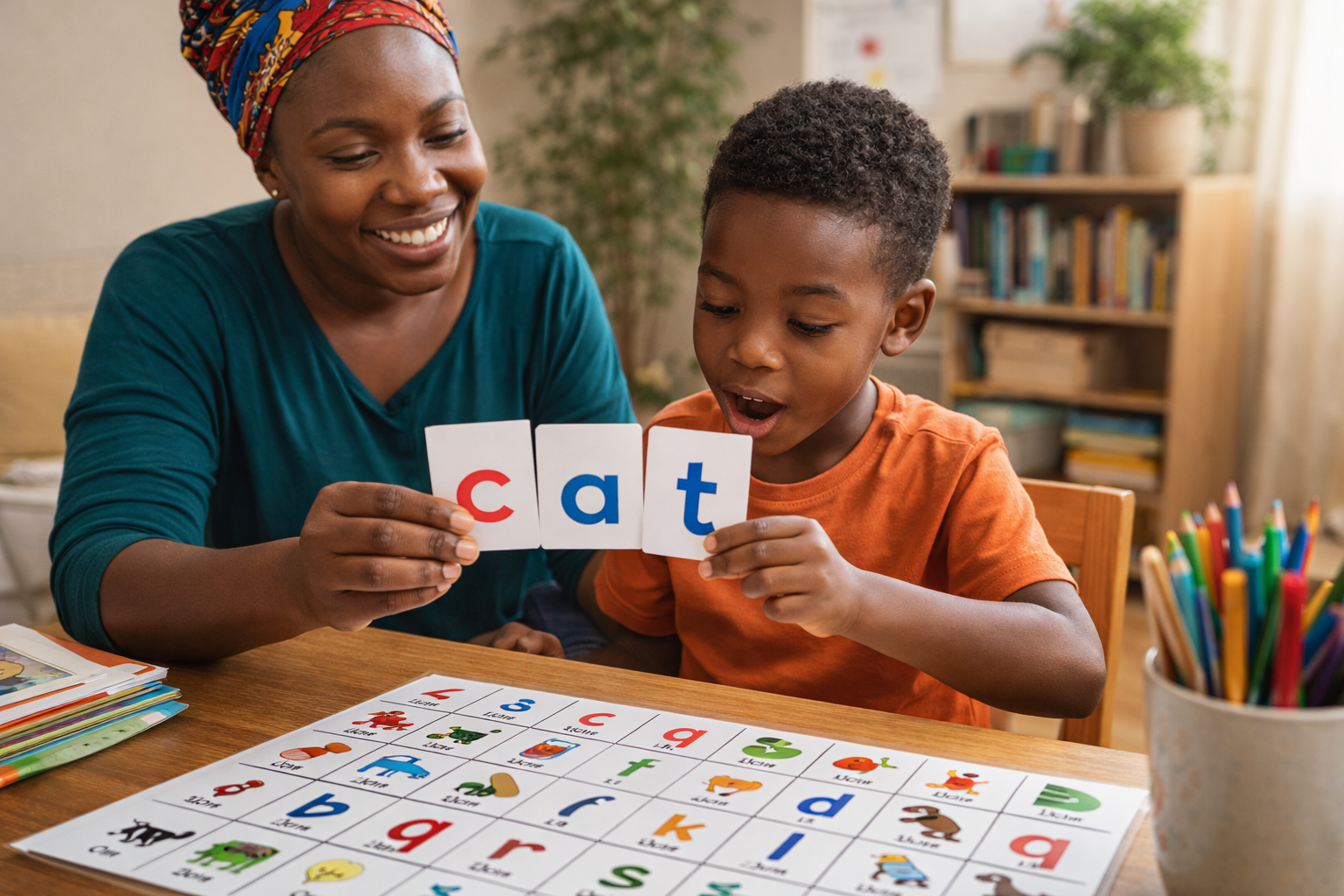
Schools and universities increasingly integrate traditional knowledge, crafts, and oral history into curricula, ensuring intergenerational transmission.
Intangible Heritage and the Digital Generation
Far from erasing culture, digital platforms are amplifying it:
- Social Media: Youth share dances, recipes, and oral history via TikTok and YouTube.
- Virtual Festivals: Online events expanded global access during the COVID-19 pandemic.
- AI and Language Preservation: Speech recognition and digital dictionaries help document endangered languages (UNESCO & Google Arts & Culture, 2023).
What You Can Do to Support Intangible Cultural Heritage
- Support local cultural festivals and artisans
- Learn and document traditional skills (ethically)
- Encourage heritage education in schools
- Share cultural knowledge responsibly online
- Advocate for policies that protect cultural diversity
Individual actions collectively contribute to global preservation.
Conclusion: The Living Soul of Humanity
While monuments tell stories of the past, intangible cultural heritage keeps culture alive in the present. It shapes identity, strengthens communities, supports sustainability, and fuels creativity.
Preserving intangible heritage is not merely a cultural obligation—it is a global responsibility. When one tradition disappears, humanity loses irreplaceable knowledge, creativity, and memory.
Safeguarding intangible cultural heritage means preserving the living soul of humanity—for today and for generations to come.