

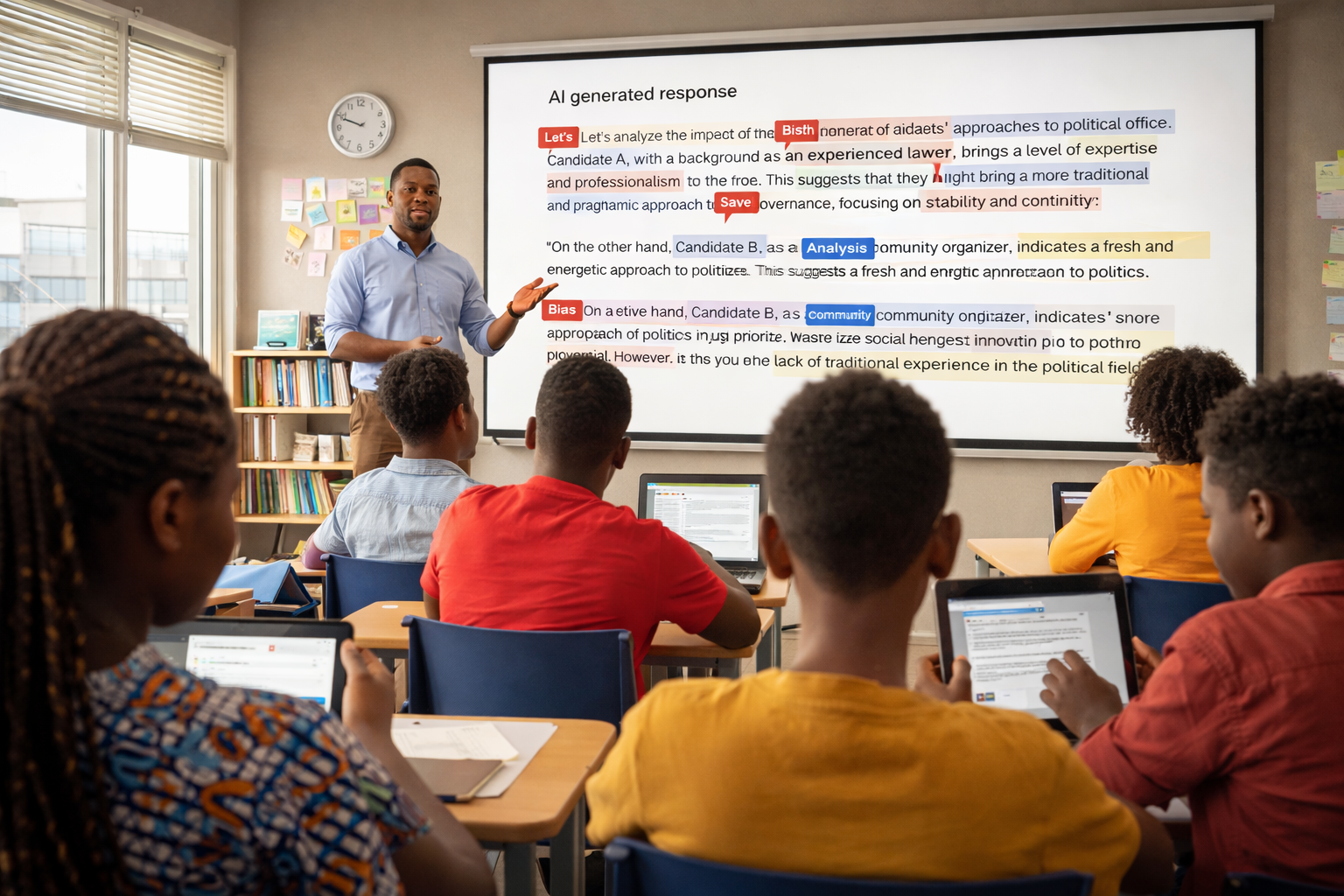







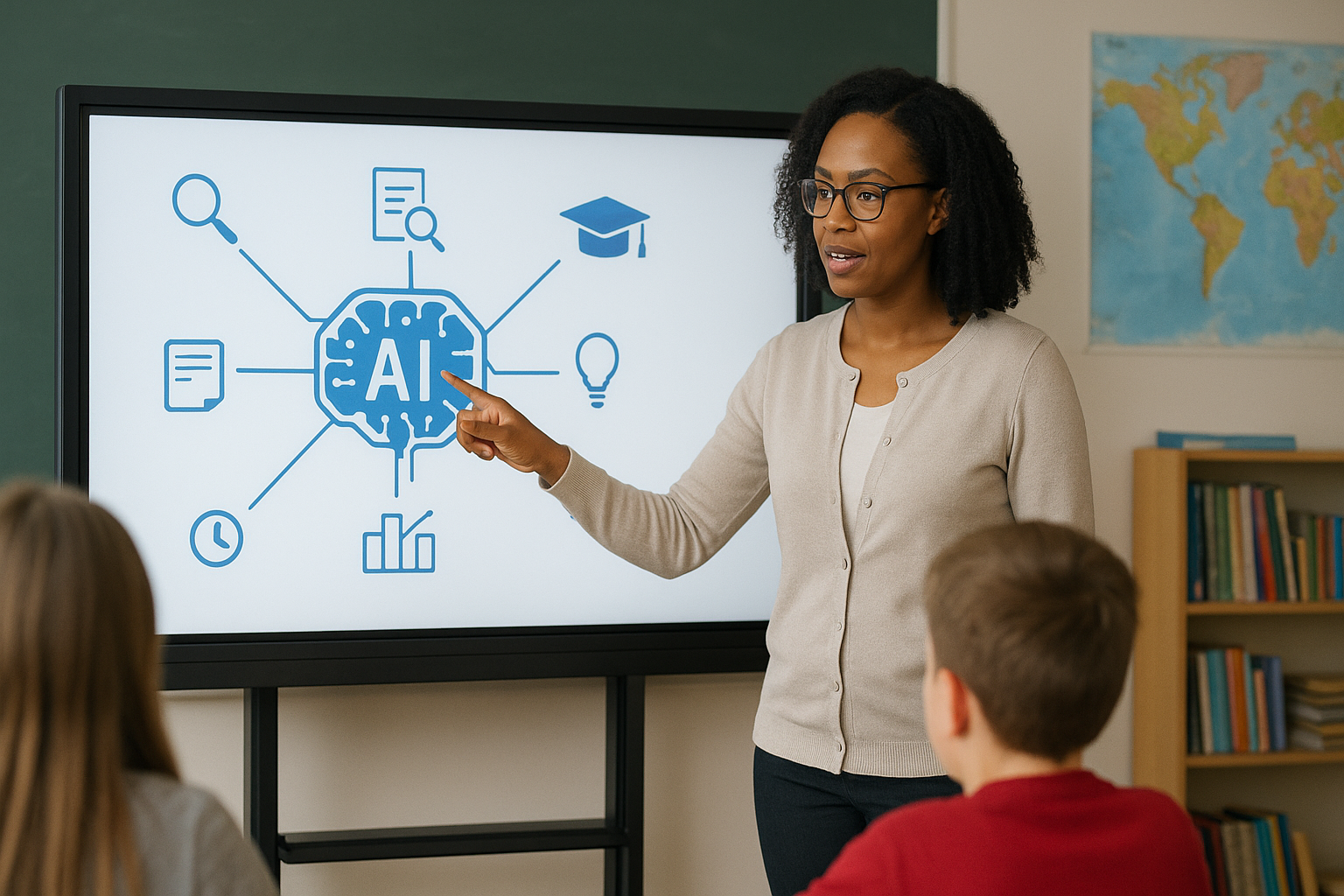
Digital innovation is reshaping how knowledge is created, shared, and evaluated. In classrooms and academic institutions around the world, educators are increasingly exploring intelligent digital tools to enhance teaching, streamline research, and improve learning outcomes. When used thoughtfully, these tools can support educators by saving time, offering new perspectives, and personalizing learning—without replacing professional judgment or human connection.
This article explores practical, ethical, and research-supported ways educators can incorporate intelligent technologies into teaching and academic research. It focuses on real-world applications, benefits, limitations, and best practices to ensure these tools add genuine value to education.
Understanding Intelligent Educational Tools
Intelligent educational tools refer to software systems that analyze data, recognize patterns, and generate useful outputs such as summaries, recommendations, or feedback. In education, they are commonly used to assist with:
- Lesson planning and content creation
- Academic research and literature review
- Assessment and feedback
- Student support and personalized learning
Rather than acting as decision-makers, these systems function best as supportive assistants that help educators work more efficiently and creatively.
Enhancing Lesson Planning and Instruction
Designing Engaging Learning Materials
Educators often spend significant time preparing lesson outlines, examples, and supporting resources. Intelligent tools can help by:
- Generating draft lesson ideas aligned with learning objectives
- Suggesting discussion questions or classroom activities
- Providing multiple explanations of complex concepts to suit different learning levels
These drafts should always be reviewed and refined by educators to ensure accuracy, curriculum alignment, and appropriateness for their students.
Supporting Differentiated Instruction
Every classroom includes learners with diverse abilities and learning styles. Intelligent tools can assist teachers in:
- Adapting content for advanced learners or those who need additional support
- Creating alternative explanations using visuals, analogies, or step-by-step guides
- Developing practice exercises at varying difficulty levels
This approach helps educators address individual learning needs without creating entirely separate lesson plans from scratch.
Improving Assessment and Feedback
Creating Balanced Assessments
Assessment design requires clarity, fairness, and alignment with learning goals. Educators can use intelligent tools to:
- Draft quiz questions, short-answer prompts, or case-based scenarios
- Review assessments for clarity and potential bias
- Generate sample solutions or marking guides
Final assessment decisions should always remain with the educator to maintain academic standards and integrity.
Delivering Timely and Constructive Feedback
Providing detailed feedback is essential but time-consuming, especially in large classes. Intelligent tools can help by:
- Suggesting feedback phrases based on common student errors
- Highlighting areas where students may need further explanation
- Summarizing recurring issues across multiple submissions
Educators can then personalize this feedback, adding context and encouragement that automated systems cannot provide.
Supporting Academic Research
Streamlining Literature Reviews
Conducting a literature review often involves sorting through large volumes of academic material. Intelligent research tools can assist by:
- Summarizing key points from scholarly articles
- Identifying recurring themes or debates in a field
- Helping researchers organize notes and references
These summaries should serve as starting points, not substitutes for reading original sources.
Assisting With Research Writing
Academic writing requires clarity, structure, and adherence to formal standards. Educators and researchers may use intelligent tools to:
- Improve sentence flow and readability
- Check grammar and academic tone
- Organize sections such as introductions or discussions
All research outputs must still reflect the author’s original thinking, analysis, and conclusions.
Promoting Student-Centered Learning
Encouraging Independent Study
When guided appropriately, intelligent tools can help students become more independent learners by:
- Offering explanations outside classroom hours
- Suggesting additional practice resources
- Helping students clarify concepts before seeking further help
Educators should teach students how to use these tools responsibly and critically.
Supporting Inclusive Education
Students with learning differences or language barriers may benefit from tools that:
- Simplify complex texts
- Translate content while preserving meaning
- Offer alternative formats such as summaries or visual explanations
Used correctly, these features can improve accessibility and participation without lowering academic expectations.
Ethical and Responsible Use in Education
Maintaining Academic Integrity
One of the most important considerations is ensuring that intelligent tools do not undermine learning outcomes. Educators can address this by:
- Setting clear guidelines on acceptable use
- Designing assessments that emphasize critical thinking and originality
- Encouraging transparency about how tools are used in coursework
Teaching ethical use prepares students for responsible engagement with technology beyond the classroom.
Addressing Data Privacy and Bias
Educators and institutions should also consider:
- Whether tools comply with data protection regulations
- How student data is collected, stored, and used
- Potential biases in automated outputs
Choosing reputable platforms and staying informed about privacy policies is essential for maintaining trust.
Professional Development for Educators
Building Digital Confidence
To use intelligent tools effectively, educators benefit from ongoing professional development. This may include:
- Workshops on educational technology integration
- Peer collaboration and knowledge sharing
- Staying updated on research related to digital learning tools
Confidence and understanding enable educators to make informed decisions rather than relying blindly on technology.
Evaluating Effectiveness
Not every tool will suit every context. Educators should regularly assess:
- Whether a tool genuinely improves learning or efficiency
- How students respond to its use
- Whether outcomes align with educational goals
Continuous evaluation ensures technology serves pedagogy—not the other way around.
Practical Tips for Successful Integration
To maximize benefits while minimizing risks, educators can follow these best practices:
- Start small and test tools in low-stakes settings
- Always review and edit generated content
- Combine digital assistance with human judgment
- Encourage critical thinking about tool outputs
- Keep learning objectives at the center of all decisions
Conclusion
Intelligent educational tools offer meaningful opportunities to enhance teaching, research, and learning when used responsibly. They can reduce administrative burdens, support personalized instruction, and assist with academic research—allowing educators to focus more on mentorship, creativity, and student engagement.
The key to successful integration lies in thoughtful use, ethical guidelines, and continuous reflection. By treating these tools as supportive resources rather than replacements for expertise, educators can harness their potential while preserving the core values of education: curiosity, integrity, and human connection.
When aligned with sound pedagogy and professional judgment, intelligent technologies can become valuable partners in modern education.