




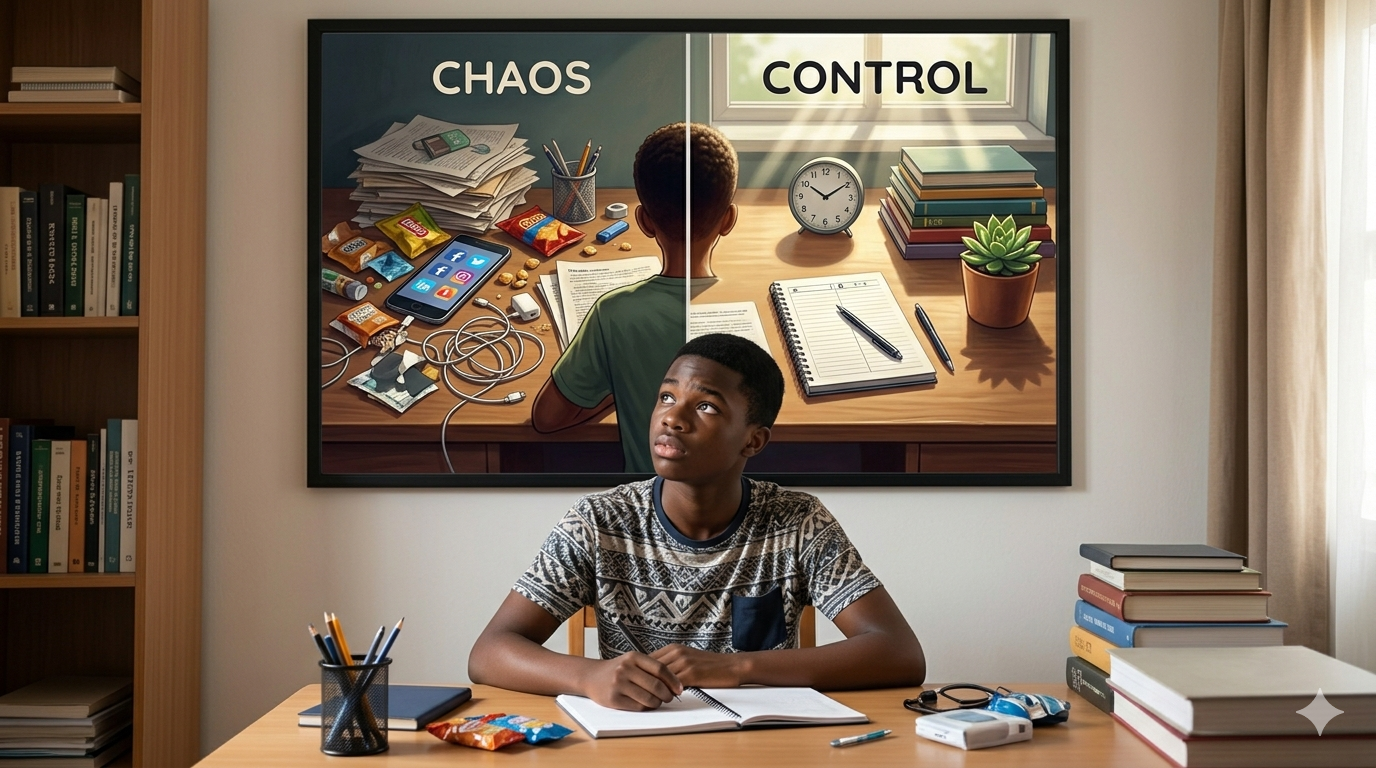




Breaking a bad habit can feel frustratingly difficult. You may promise yourself you’ll stop procrastinating, cut down on late-night snacking, or spend less time scrolling—only to fall back into the same pattern days later.
I’ve seen this pattern repeatedly—not just in others, but in my own attempts to change habits. The turning point comes when you stop relying on willpower alone and start understanding how your brain actually works.
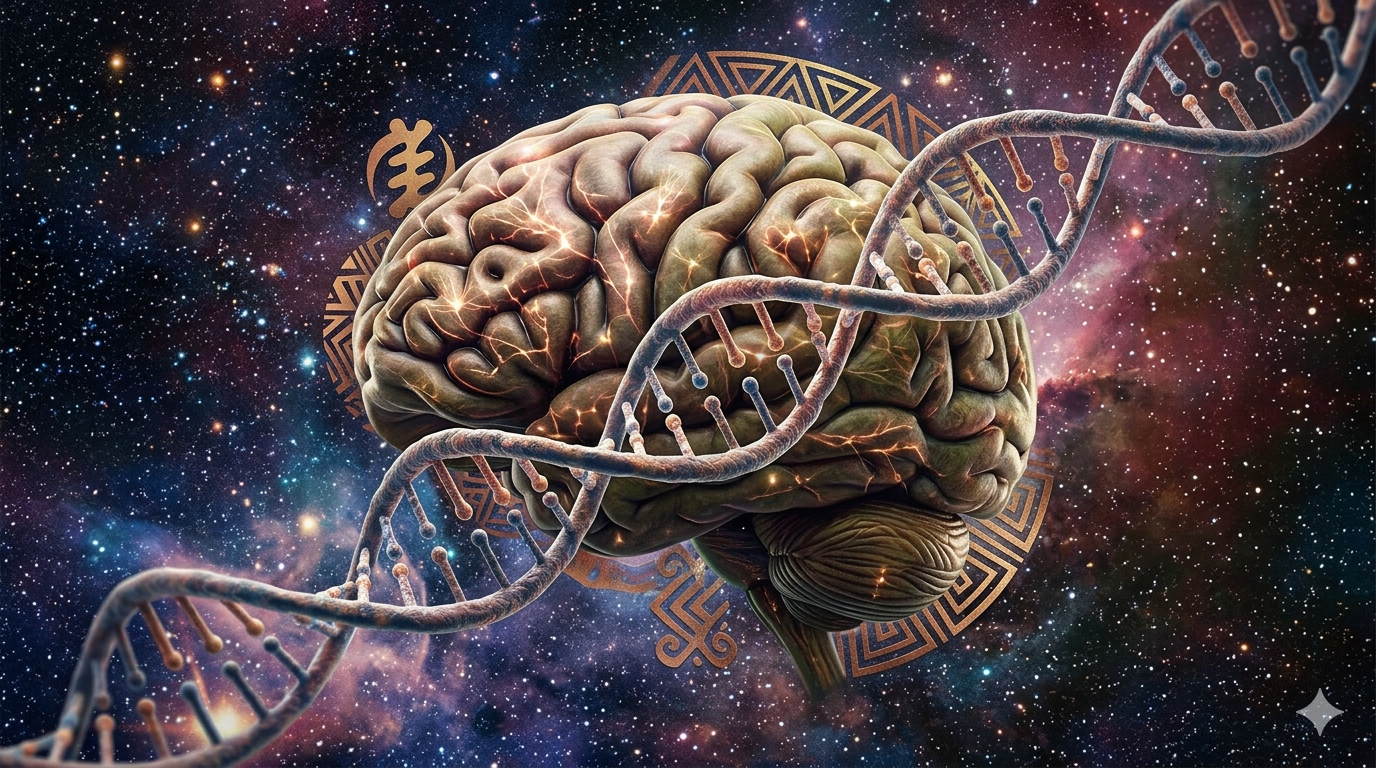
Modern neuroscience shows that habits are not just behaviors—they are deeply wired patterns in the brain. More importantly, research reveals something encouraging: your brain is built to change those patterns.
Why Habits Feel Automatic (And Hard to Break)
Habits form because your brain is designed to conserve energy.
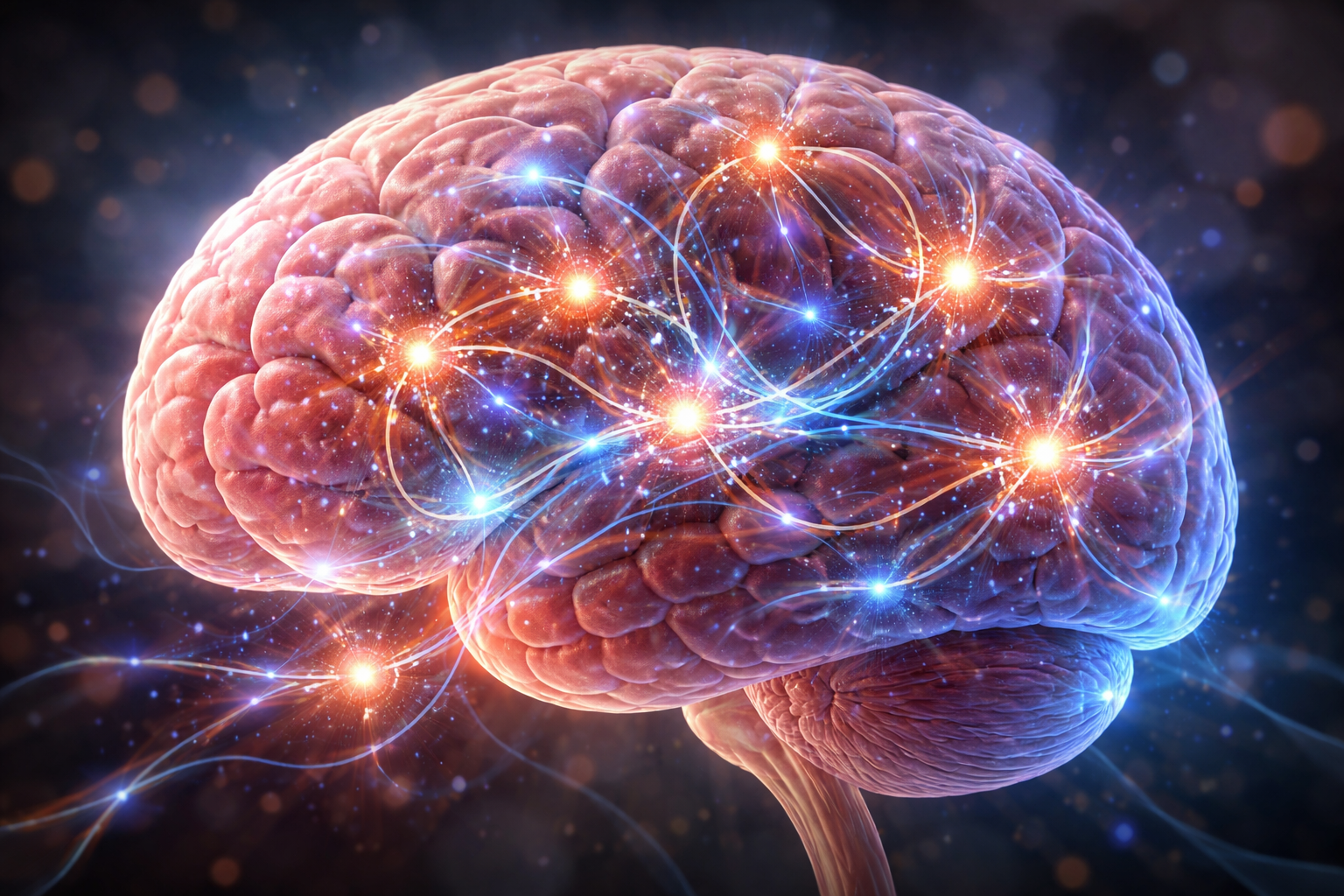
When you repeat a behavior consistently, it gets transferred to a part of the brain called the basal ganglia, which is responsible for automatic routines. This allows your brain to perform actions with minimal effort—freeing up mental energy for other tasks.
At the same time, the brain’s reward system—largely driven by dopamine—reinforces these behaviors.
Here’s how it works:
- You perform an action (e.g., checking your phone)
- You receive a reward (entertainment, distraction, relief)
- Dopamine strengthens the connection between the trigger and the action
Over time, this creates a habit loop:
Trigger → Behavior → Reward
According to research from Harvard Medical School, once this loop is established, the brain begins to run it automatically—even when the behavior is no longer beneficial.
The Brain Chemical That Makes Change Possible
While dopamine is often associated with reinforcing habits, it also plays a crucial role in changing them.
Studies published in Nature Neuroscience suggest that dopamine helps the brain evaluate outcomes and adjust behavior when something is no longer rewarding.
This means your brain is not “stuck” in bad habits. Instead, it constantly updates its patterns based on experience.
In simple terms:
- If a behavior stops feeling rewarding, the brain becomes more open to change
- If a new behavior feels better, the brain starts reinforcing it instead
This is why replacing habits works better than simply trying to stop them.
How the Brain Switches from Autopilot to Control
Breaking a habit requires activating a different part of the brain—the prefrontal cortex, which handles decision-making, focus, and self-control.
When you interrupt a habit, you are essentially shifting control from:
- Automatic system (basal ganglia) → to
- Conscious system (prefrontal cortex)
This shift doesn’t happen by accident—it requires awareness.
For example, I once noticed that I instinctively reached for my phone whenever I felt stuck on a task. The moment I became aware of that trigger, I could pause—and that pause made all the difference.
That pause is where change begins.
Awareness: The Most Underrated Tool for Habit Change
Awareness is not just a motivational idea—it has a neurological basis.
When you consciously observe your behavior, you activate the brain’s attention and control systems. This weakens the automatic loop and creates space for a different choice.
You can start building awareness by noticing:
- When the habit happens
- What you’re feeling at that moment
- What triggered the behavior
For example:
- Bored → open social media
- Stressed → snack unnecessarily
- Tired → procrastinate
Once you see the pattern, you can change it.
Practical, Science-Backed Strategies to Break Bad Habits
Understanding the brain is powerful—but applying that knowledge is what creates results.
Here are proven strategies grounded in neuroscience:
1. Identify Your Habit Loop
Break your habit into three parts:
- Trigger – What starts it?
- Behavior – What do you do?
- Reward – What do you get from it?
Example:
- Trigger: boredom at night
- Behavior: scrolling social media
- Reward: distraction
Once you identify this loop, you can change it.
2. Replace the Behavior (Don’t Just Remove It)
Your brain still expects a reward. If you remove the habit without replacing it, the loop remains incomplete.
Instead:
- Replace scrolling → with reading or light stretching
- Replace snacking → with water or herbal tea
The key is to keep the reward, but change the action.
3. Create Friction for Bad Habits
Make the habit harder to perform:
- Move distracting apps off your home screen
- Keep your phone in another room
- Avoid buying trigger foods
Even small barriers can disrupt automatic behavior.
4. Make Good Habits Effortless
At the same time, reduce friction for positive behaviors:
- Prepare healthy meals in advance
- Keep a book within reach
- Set up your workspace ahead of time
Your brain naturally chooses the easiest available option.
5. Use Immediate Rewards
The brain responds best to instant feedback, not delayed benefits.
- Track your progress visually
- Celebrate small wins
- Reward consistency (not perfection)
This helps dopamine reinforce the new behavior.
Why You Relapse (And Why It’s Normal)
One of the biggest mistakes people make is thinking that setbacks mean failure.
From a neuroscience perspective, your brain is balancing:
- Old, strong neural pathways
- New, weaker ones
Under stress, fatigue, or emotion, the brain often defaults to familiar patterns.
This is not weakness—it’s biology.
What matters is repetition:
Every time you choose the new behavior, you strengthen a new pathway.
The Hidden Skill Behind Habit Change: Mental Flexibility
Research shows that people who successfully change habits develop mental flexibility—the ability to adapt, reassess, and choose differently.
This skill allows you to:
- Break automatic patterns
- Respond instead of react
- Adjust behavior based on context
You can build this through:
- Mindfulness
- Reflection
- Intentional practice
What This Means for You
Breaking bad habits is not about discipline alone—it’s about working with your brain.
Once you understand:
- How habits form
- Why they feel automatic
- How the brain supports change
You stop fighting yourself—and start designing better systems.
Real change doesn’t happen overnight. But with the right approach, it becomes predictable and achievable.
Conclusion
Your brain is not your enemy when it comes to bad habits—it’s your greatest advantage.
Science shows that habits are learned patterns, not permanent traits. With awareness, the right strategies, and consistent effort, those patterns can be reshaped.
The goal isn’t perfection. It’s progress.
And every small, intentional change you make is your brain learning a better way forward.