







In an increasingly interconnected world, schools and educators play a pivotal role in shaping how young people understand themselves and others. Diversity, Equity, and Inclusion (DEI) are not just buzzwords — they are essential elements for building educational environments where every student feels valued, respected, and able to thrive. Teaching DEI thoughtfully helps students appreciate differences, engage with diverse perspectives, and develop critical thinking skills that extend far beyond the classroom.
This article breaks down what DEI means in practice, why it matters in education, and how teachers and schools can implement meaningful approaches that foster inclusive, equitable learning experiences.
What DEI Means in an Educational Setting
Diversity refers to the presence of differences within a group. In classrooms, this includes not only visible characteristics such as race, gender, and age, but also a range of experiences, socioeconomic backgrounds, learning styles, languages, and abilities. Equity goes beyond equality by ensuring fair access to opportunities and support based on individual needs. Inclusion means creating environments where all students feel welcomed, heard, and able to participate fully. Together, DEI encourages learners to appreciate differences and work collaboratively in diverse communities.
Why Teaching DEI Matters
Enhancing Academic and Social Growth
When students feel safe and respected, they are more likely to engage in learning, contribute to discussions, and take intellectual risks. Inclusive environments help reduce barriers to participation and support all learners in reaching their full potential. Research indicates that equitable and inclusive strategies correlate with improved academic outcomes and stronger social-emotional development.
Encouraging Broader Perspectives
A classroom that genuinely values diversity exposes students to multiple viewpoints and lived experiences. This not only enriches academic content but also expands students’ understanding of the world around them. By exploring global histories and cultural narratives, learners gain empathy and insight into systems of advantage and disadvantage.
Preparing Students for a Diverse Society
Modern workplaces and communities are increasingly multicultural. By prioritizing DEI in schools, educators help prepare students for collaboration with individuals from varied backgrounds, enhancing social skills, adaptability, and cross-cultural competence.
Core Strategies for Teaching DEI
To build authentic DEI education, schools must go beyond token gestures and integrate principles into everyday practice.
1. Build a Respectful and Inclusive Culture
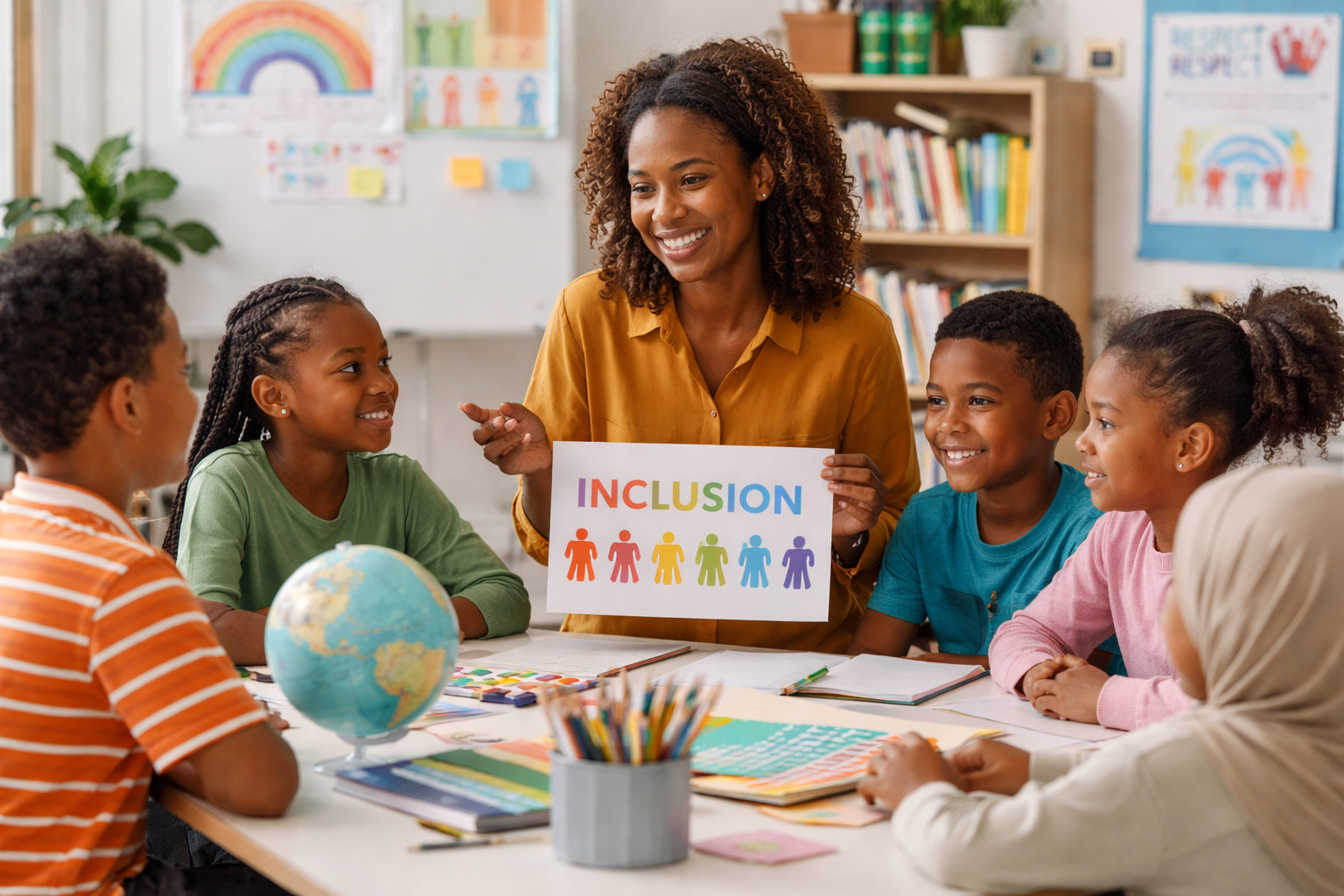
An inclusive classroom culture starts with establishing clear expectations for respect, empathy, and open-mindedness. Teachers should encourage students to listen actively, ask questions, and express their experiences without fear of judgment. This helps create psychological safety — a foundation for meaningful dialogue and learning.
2. Use Culturally Responsive Teaching
Culturally responsive teaching connects learning with students’ cultural contexts. This means selecting materials and examples that reflect the diversity of students’ lives and acknowledging their unique backgrounds in class discussions. For instance, literature lessons might include authors from various cultures, and history curricula can broaden perspectives beyond a single dominant narrative.
3. Implement Universal Design for Learning (UDL)
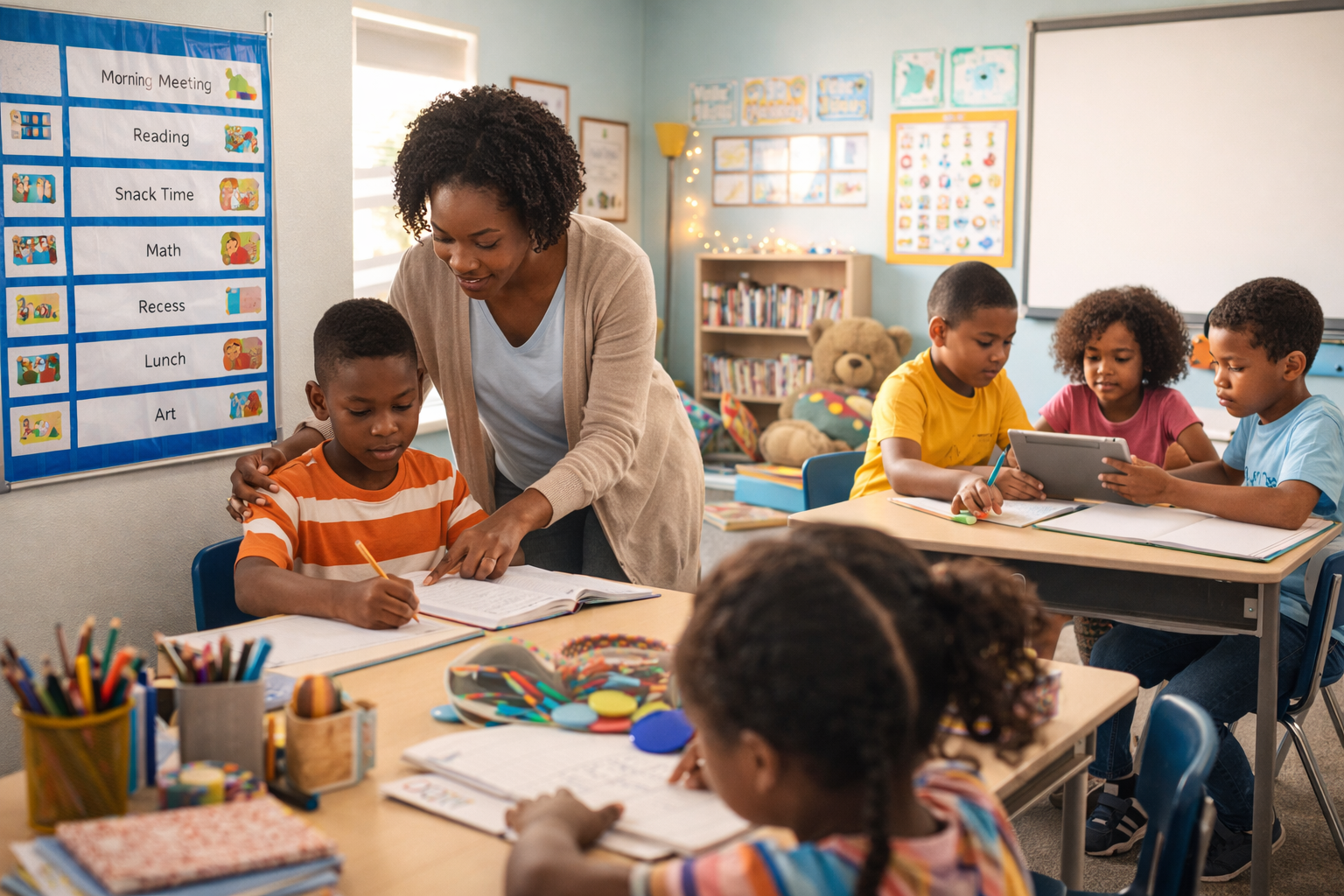
Universal Design for Learning is a framework that helps teachers design lessons accessible to all students. UDL encourages multiple means of representation (different ways of presenting information), expression (ways students can show what they know), and engagement (ways to motivate and involve learners). This flexible approach accommodates diverse learning styles and needs.
4. Reflect on Bias and Assumptions
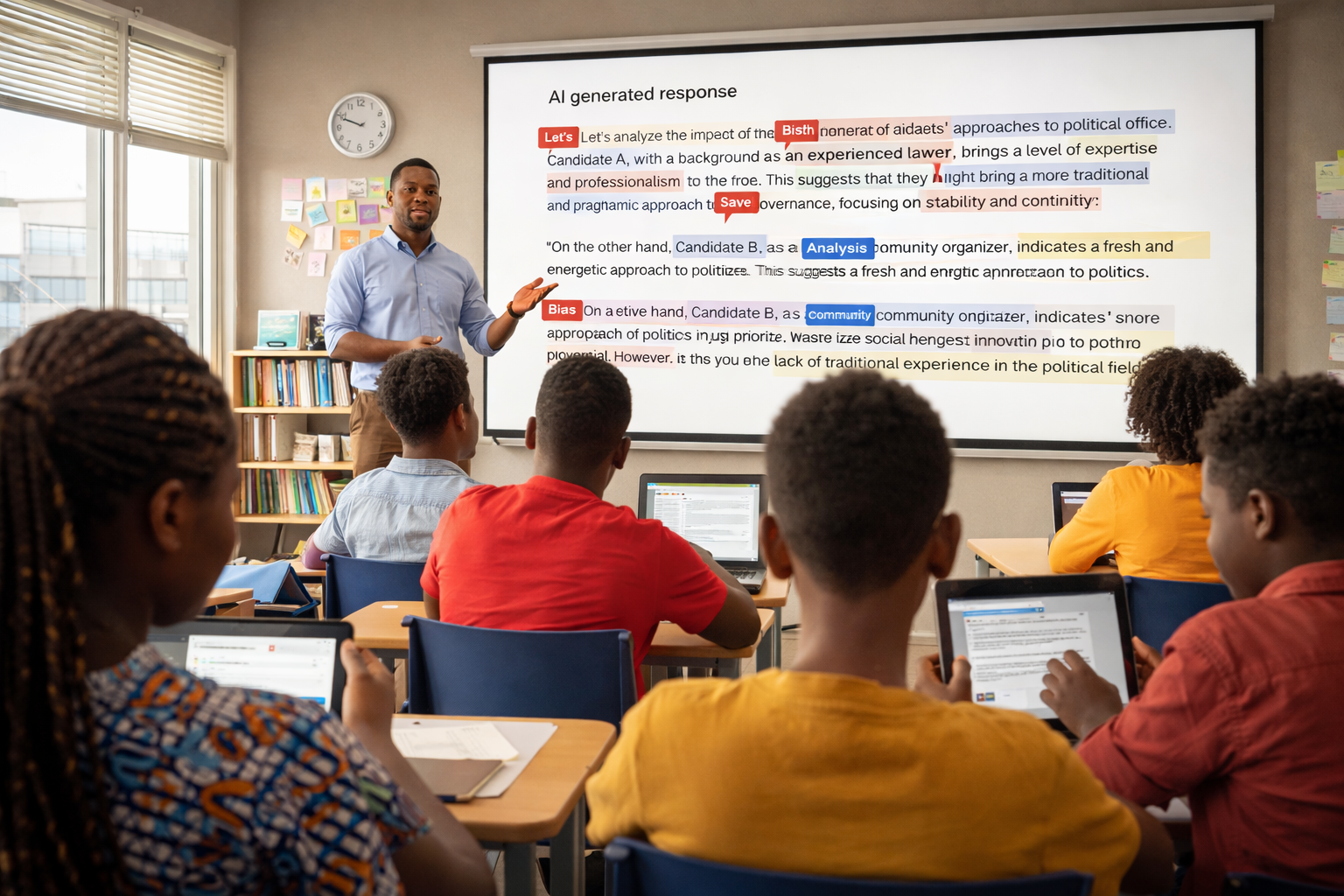
Teachers and students alike benefit from ongoing reflection about personal biases, stereotypes, and assumptions. Professional development and guided reflection help educators become more aware of their perspectives and how these can influence instruction and interactions. Encouraging students to reflect on their own views fosters empathy and critical thinking. (StudentScholarships)
5. Foster Student Voice and Leadership
DEI is most effective when students are active participants rather than passive recipients. Giving learners a platform to share their experiences — through student councils, open forums, or project-based assignments — helps them take ownership of their learning and empowers them to contribute to a more inclusive school culture.
Practical Classroom Activities
Here are some real-world ways to integrate DEI concepts into everyday lessons:
- Cultural Sharing Projects: Invite students to present on cultures, traditions, or languages that are part of their heritage.
- Collaborative Storytelling: Use storytelling as a tool for students to share personal experiences and listen to peers.
- Role-Playing Scenarios: Develop role-playing exercises that help students understand perspectives different from their own.
- Inclusive Literature Circles: Select books and texts that feature protagonists from diverse backgrounds and experiences.
- Bias Exploration Discussions: Facilitate guided conversations about stereotypes, media representation, and unconscious bias.
These activities not only make DEI concepts tangible but also provide students with skills in empathy, communication, and ethical reasoning. (NSHSS)
Addressing Challenges in DEI Teaching
Implementing DEI initiatives isn’t without challenges. Some educators worry about navigating sensitive topics or facing resistance from parents or community members. Others struggle with limited resources or lack of training.
Solutions include:
- Investing in continuous professional learning and coaching for teachers.
- Creating transparent communication channels with families to explain DEI goals and approaches.
- Establishing partnerships with community organizations to support inclusive programming.
By addressing these challenges proactively, schools can build stronger support systems that sustain DEI efforts over time.
Measuring Progress and Impact
It’s essential to monitor how DEI efforts are affecting students and school climate. Schools can collect data through surveys, focus groups, and classroom observations to understand where strengths and gaps exist.
Key indicators might include:
- Student sense of belonging and safety
- Participation rates in classroom discussions
- Representation of diverse perspectives in curriculum materials
- Feedback from teachers, students, and families
Regular review and adaptation ensure that DEI practices remain relevant and effective.
Conclusion
Teaching diversity, equity, and inclusion is a powerful way to prepare students for responsible citizenship in a diverse society. By fostering respect, critical thinking, and empathy, DEI-focused education creates learning environments where all students feel valued and capable of achieving success. Through culturally responsive practices, inclusive pedagogy, and intentional reflection, educators can nurture classrooms that reflect and celebrate the richness of human experience. As schools continue to evolve, DEI principles remain vital for cultivating equitable opportunities and helping every learner thrive.