








Why STEM Confidence Starts Early
In today’s rapidly evolving world, building a strong foundation in science, technology, engineering, and mathematics (STEM) is no longer optional—it is essential. STEM learning equips children with critical thinking, creativity, collaboration, and problem-solving skills that influence not only academic success but also lifelong adaptability.
Through my work supporting educators and observing early-years and primary classrooms over multiple school terms, I’ve seen a consistent pattern: children’s confidence in STEM rises or falls based less on ability and more on how learning environments are designed. In classrooms where curiosity is encouraged and mistakes are normalized, students engage deeply. In less supportive environments, many children disengage early, often internalizing the belief that STEM “isn’t for people like me.”
This article draws on classroom observations, established learning theory, and internationally recognized research to outline practical, research-backed strategies educators and caregivers can use to create inclusive, engaging, and equitable STEM learning environments—especially in early and middle childhood.
Why a Nurturing STEM Environment Matters
STEM education is not simply about memorizing formulas or facts. The National Research Council’s landmark report A Framework for K–12 Science Education (2012) emphasizes that high-quality STEM learning develops transferable habits of mind such as curiosity, persistence, experimentation, and problem-solving.
According to the NRC, students who engage in inquiry-driven STEM learning demonstrate stronger conceptual understanding and long-term retention than those taught through rote instruction.
However, research also shows that many learners—particularly girls, students from marginalized communities, and learners with disabilities—struggle to see themselves represented in STEM pathways.
UNESCO’s global education monitoring reports (2020–2021) identify several systemic barriers, including:
- Limited exposure to diverse STEM role models
- Teaching approaches that rely heavily on passive learning
- Learning environments that fail to accommodate diverse cognitive and sensory needs
Creating nurturing STEM spaces early helps counter these barriers before disengagement becomes entrenched.
Highlighting Diverse Role Models in STEM
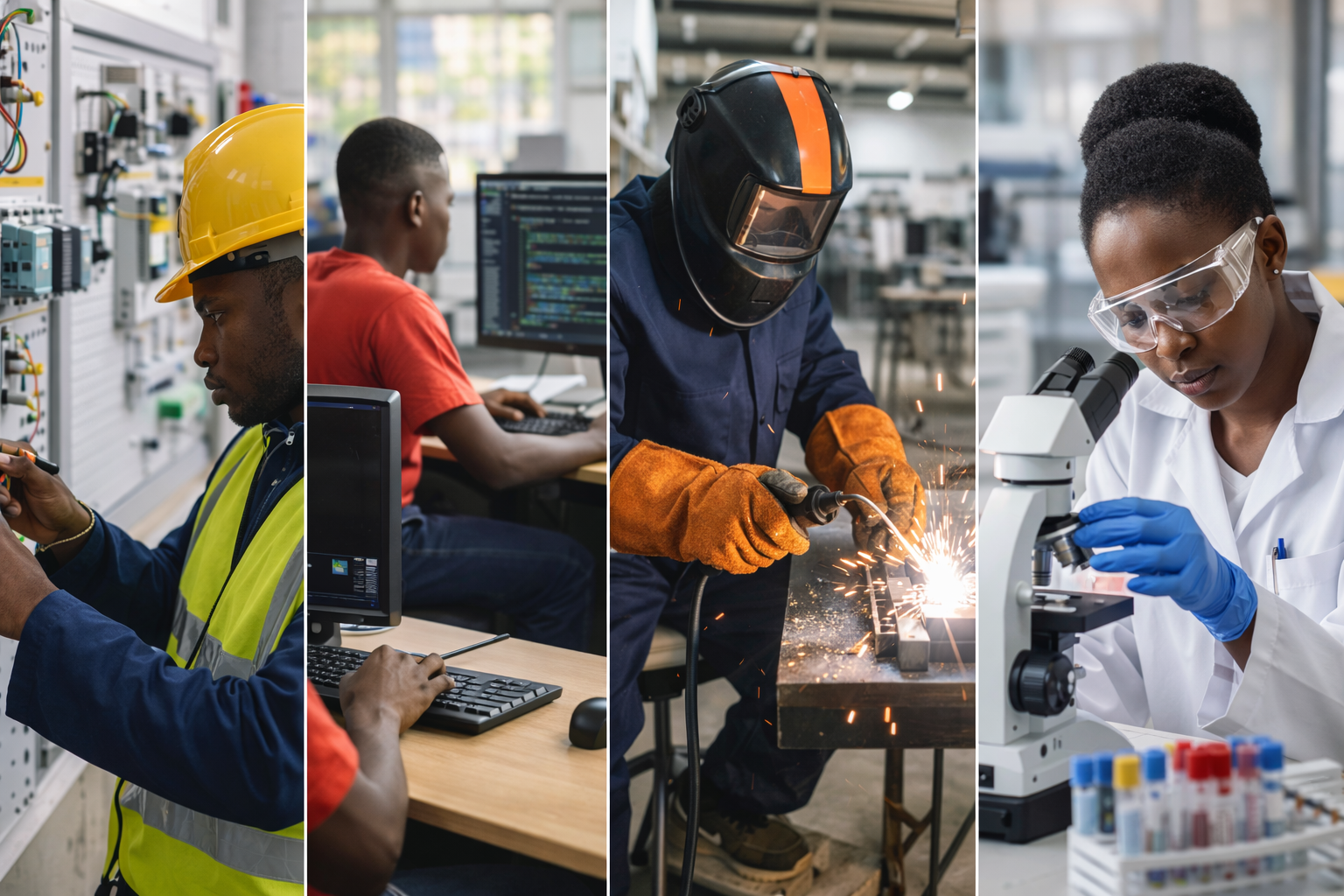
Children are significantly more likely to engage in STEM when they can see people like themselves succeeding in these fields.
OECD research (Education at a Glance, 2019) shows that early exposure to diverse STEM role models positively influences students’ self-efficacy, academic motivation, and long-term career aspirations.
In a Year 3 classroom I observed during a six-week STEM unit, teachers introduced short weekly profiles of scientists and engineers from diverse backgrounds. By the fourth week, students who had previously avoided group discussions began volunteering answers and asking follow-up questions—particularly girls and multilingual learners.
Practical strategies educators can implement immediately:
- Use books and media that feature scientists and engineers from varied cultural, gender, and socioeconomic backgrounds
- Incorporate brief discussions about real-world STEM professionals into lessons
- Highlight both historical and contemporary contributions from underrepresented groups
Encouraging Hands-On, Learner-Led STEM Exploration
Hands-on learning is a cornerstone of effective STEM education.
Inquiry-based and project-based learning approaches are grounded in constructivist theory, first articulated by Jerome Bruner (1961), which holds that learners build understanding most effectively through active exploration rather than passive reception.
Decades of educational research confirm that students retain concepts more deeply when they design, test, and refine solutions themselves.
Effective active-learning approaches include:
- Project-Based Challenges: Solving real-world problems over multiple sessions
- Student-Directed Inquiry: Allowing learners to generate and investigate their own questions
- Guided Inquiry Frameworks: Structured tasks that still allow flexibility and creativity
For example, I’ve observed a simple engineering task—building a paper bridge to hold increasing weight—prompt rich discussions around iteration, failure, and collaboration that worksheets rarely achieve prompts
Fostering Inclusive STEM Learning Spaces
Inclusive STEM environments are not defined by a single strategy, but by consistent practices that make all learners feel safe to explore, question, and fail productively.
UNESCO’s inclusive education research (2020) shows that classrooms that normalize mistakes and encourage dialogue report significantly higher engagement and persistence in STEM subjects.
Inclusive practices with strong evidence of impact:
- Encourage respectful discussion and multiple perspectives
- Explicitly frame mistakes as part of the learning process
- Connect STEM concepts to students’ lived experiences and local communities
When lessons feel relevant to students’ lives, motivation and comprehension increase—particularly for learners who might otherwise disengage.
Adapting STEM Learning for All Learners
Effective STEM instruction must accommodate learners with diverse educational needs, including students with special educational needs and disabilities (SEND).
The Universal Design for Learning (UDL) framework, developed by CAST (2018), emphasizes offering multiple means of:
- Engagement
- Representation
- Expression
This approach reduces cognitive barriers and improves access to complex concepts.
Practical adaptation strategies educators report as effective:
- Breaking tasks into smaller, manageable steps
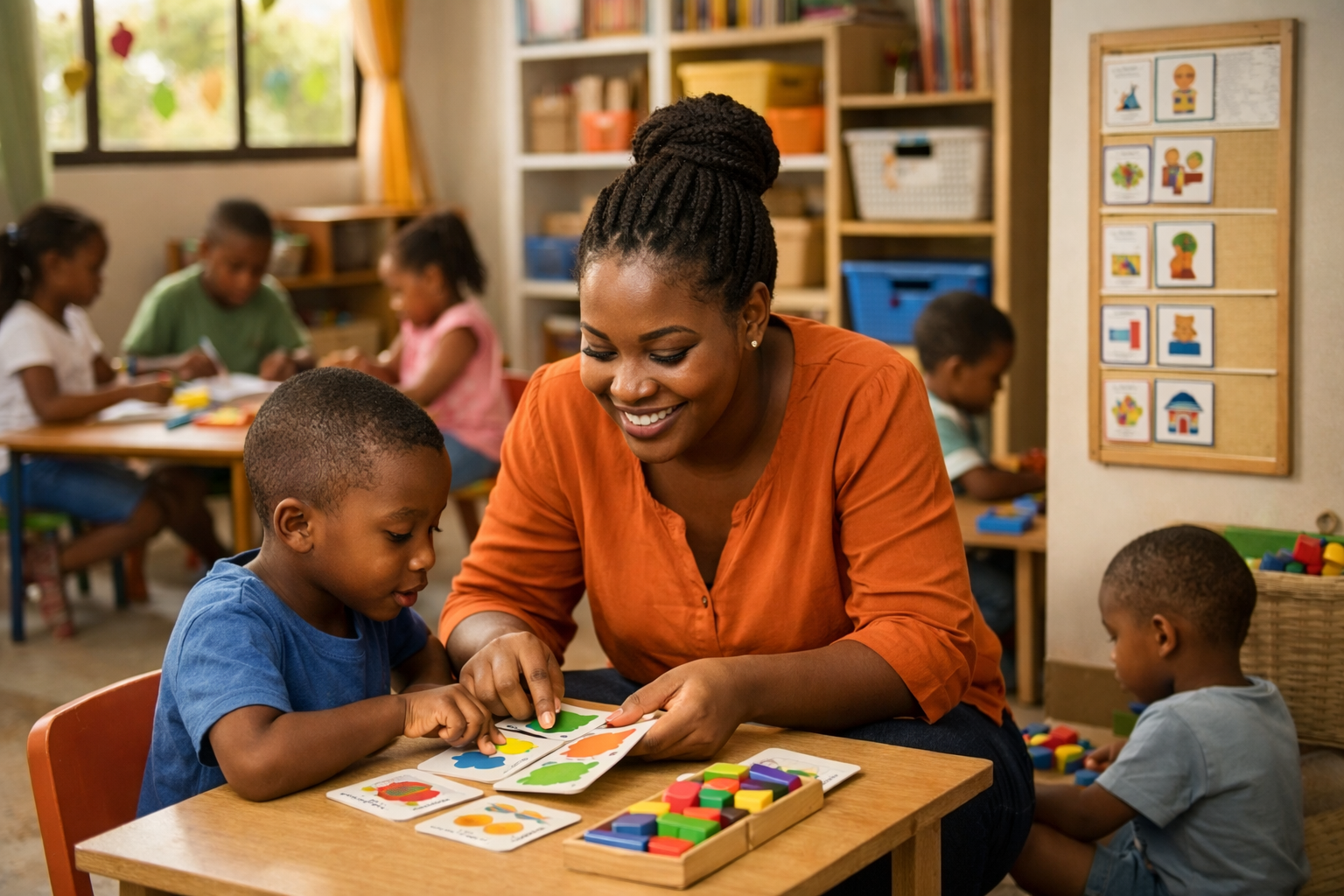
- Using visual, tactile, and hands-on materials
- Allowing varied pacing and multiple ways to demonstrate understanding
In practice, these adaptations consistently improve outcomes for all students—not only those with identified learning needs.
Reducing Educator Workload with High-Quality STEM Resources
Teacher workload is a growing concern globally.
OECD research on teacher effectiveness (2020) indicates that access to high-quality, curriculum-aligned instructional resources reduces burnout while maintaining—or improving—learning quality.
Helpful STEM teaching supports include:
- Pre-designed activity kits aligned with learning objectives
- Online libraries of age-appropriate STEM challenges
- Structured project guides that support student autonomy
Well-designed resources free educators to focus on facilitation and student engagement rather than constant lesson creation.
Extending STEM Learning Beyond the Classroom
STEM learning thrives when reinforced outside school settings.
Research from the Harvard Graduate School of Education (2017) shows that family involvement significantly strengthens children’s academic confidence and curiosity.
Simple, accessible ways caregivers can support STEM at home:
- Conducting safe experiments (e.g., baking soda and vinegar reactions)
- Using cooking to introduce measurement, ratios, and sequencing
- Discussing how everyday tools and technology function
These experiences reinforce the idea that STEM is part of everyday life—not just formal education.
The Long-Term Impact of Early STEM Engagement
Longitudinal studies funded by the National Science Foundation (2020) indicate that early, positive STEM experiences influence:
- Academic confidence
- Subject selection in later schooling
- Long-term career interests
Beyond academics, STEM learning cultivates transferable skills such as creativity, collaboration, resilience, and adaptability—benefiting learners across all disciplines.
Conclusion: Designing STEM Environments That Empower Every Child
Creating inclusive and engaging STEM learning environments requires intentional effort—but the impact is lasting.
By:
- Showcasing diverse role models
- Encouraging hands-on, inquiry-based learning
- Supporting diverse learning needs
- Extending STEM beyond the classroom
educators and caregivers can help children develop confidence, curiosity, and a sustained connection to STEM.
When learning spaces reflect all students and prioritize exploration over perfection, STEM education becomes not just accessible—but transformative. These environments nurture future problem-solvers, innovators, and informed citizens who can contribute meaningfully to their communities and the world.