










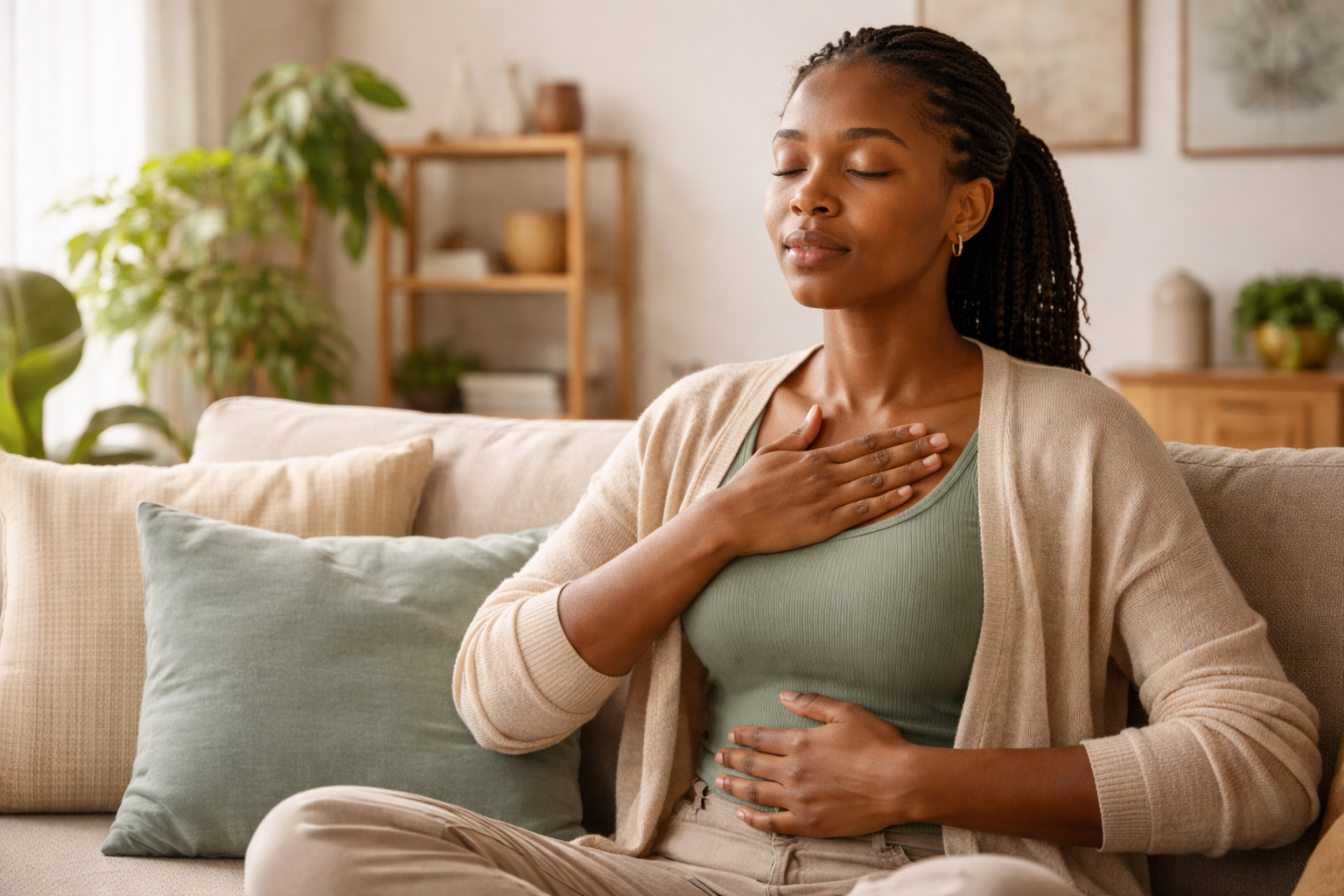
Managing blood pressure isn’t just about medication—it’s also about daily habits. While diet, exercise, and medical care remain essential, research-backed lifestyle practices like controlled breathing are gaining attention for their ability to support heart health naturally.
In fact, structured breathing techniques are now recognized by organizations like the American Heart Association as helpful tools for reducing stress—one of the key contributors to elevated blood pressure.
This guide explains how breathing affects your cardiovascular system, what science actually says, and how to apply simple techniques safely and effectively.
The Connection Between Breathing and Blood Pressure
Your breathing pattern directly influences your autonomic nervous system, which controls heart rate and blood vessel function.
There are two key components:
- Sympathetic nervous system (“fight or flight”)
Increases heart rate and blood pressure during stress - Parasympathetic nervous system (“rest and digest”)
Promotes relaxation and helps lower heart rate
Slow, controlled breathing—especially at a pace of about 5–6 breaths per minute—can activate the parasympathetic system. This may lead to:
- Reduced heart rate
- Relaxation of blood vessels
- Lower stress hormone levels
According to research referenced by the National Institutes of Health, slow breathing techniques may contribute to modest reductions in blood pressure, particularly in people with mild hypertension.
Why Managing Blood Pressure Is So Important
High blood pressure (hypertension) often develops without noticeable symptoms, yet it significantly increases the risk of:
- Heart disease
- Stroke
- Kidney damage
- Vision problems
The World Health Organization identifies hypertension as one of the leading global risk factors for premature death.
That’s why small, consistent habits—like breathing exercises—can play a supportive role alongside medical treatment.
What Science Says About Breathing Exercises
Clinical studies on slow-paced breathing and device-guided breathing have shown:
- Average reductions of 5–10 mmHg in systolic blood pressure in some individuals
- Improved heart rate variability (a marker of cardiovascular health)
- Reduced stress and anxiety levels
However, it’s important to understand:
Breathing techniques are not a cure for hypertension, but they can be a useful complementary strategy.
A Simple 5-Minute Breathing Routine (Beginner-Friendly)
This method is widely used in stress-reduction programs and is easy to practice anywhere.
Step-by-Step
- Sit comfortably or lie down
Keep your back straight and shoulders relaxed - Inhale through your nose (4 seconds)
Let your belly expand, not your chest - Pause briefly (1–2 seconds)
- Exhale slowly through your mouth (6 seconds)
Focus on a smooth, controlled release - Repeat for 5 minutes
Aim for about 5–6 breaths per minute
What Most Beginners Notice (Real-World Insight)
People who consistently practice this technique often report:
- Feeling calmer within a few minutes
- Reduced tension during stressful situations
- Improved focus after sessions
One common challenge is exhaling slowly enough—this is where most of the relaxation effect happens.
How Often Should You Practice?
Consistency matters more than intensity.
Most experts recommend:
- 1–2 sessions daily (morning and evening)
- Using it during stressful moments
- Practicing for at least 2–4 weeks to notice measurable effects
When Will You See Results?
- Immediate effect: Reduced stress and calmer breathing
- Short-term (1–2 weeks): Better stress control
- Long-term (4+ weeks): Possible mild improvements in blood pressure (varies by individual)
Additional Benefits Beyond Blood Pressure
Stress Reduction
Helps regulate cortisol and calm the nervous system
Improved Sleep
Slower breathing before bed can help you fall asleep faster
Better Focus
Enhances oxygen flow and mental clarity
Emotional Regulation
Supports mood stability and reduces anxiety
Who Should Use (and Avoid) Breathing Techniques?
Most Helpful For:
- People with mild to moderate stress
- Individuals with early-stage or borderline high blood pressure
- Anyone looking for a natural wellness habit
Use Caution If:
- You experience dizziness during breathing exercises
- You have severe cardiovascular or respiratory conditions
- You are on medication for blood pressure
Always consult a healthcare provider before making changes to your routine.
Common Mistakes That Reduce Effectiveness
- Breathing too fast → prevents relaxation response
- Shallow chest breathing → limits oxygen efficiency
- Inconsistency → reduces long-term benefits
- Expecting instant blood pressure changes → results take time
How Breathing Compares to Other Natural Methods
| Method | Best For | Speed of Effect |
|---|---|---|
| Breathing | Stress control | Immediate |
| Exercise | Overall heart health | Medium-term |
| Diet (low sodium) | Blood pressure control | Long-term |
| Meditation | Mental clarity & stress | Short–medium |
Best results come from combining these approaches, not choosing just one.
How to Combine Breathing With a Heart-Healthy Lifestyle
For stronger results, pair breathing exercises with:
- A balanced, low-sodium diet
- Regular physical activity
- Adequate hydration
- Quality sleep
- Routine medical checkups
This aligns with recommendations from the American Heart Association for managing blood pressure holistically.
When to Seek Medical Advice
Breathing techniques are supportive—not a replacement for care.
Consult a healthcare professional if:
- Your blood pressure readings remain consistently high
- You feel lightheaded or uncomfortable during practice
- You are already diagnosed with hypertension
Conclusion
Simple breathing techniques offer a practical, low-cost, and science-supported way to support healthy blood pressure and overall well-being.
By practicing slow, controlled breathing regularly, you can activate your body’s natural relaxation response—helping reduce stress and support cardiovascular health over time.
While not a substitute for medical treatment, this small daily habit can make a meaningful difference when combined with a healthy lifestyle.
Final Takeaway
If you’re looking for a simple place to start:
Spend just 5 minutes today focusing on slow, steady breathing
It’s one of the easiest habits to adopt—and one your heart may thank you for over time.