








The world is changing at a pace we have never witnessed before. From the rise of artificial intelligence to the evolution of global economies, massive cultural shifts, environmental crises, and unpredictable job markets, it’s clear that traditional learning methods alone can no longer prepare individuals for a dynamic future. This reality has given birth to a powerful concept that experts, educators, and forward-thinking institutions are embracing: Transformative Education.
More than just teaching facts, Transformative Education focuses on shaping individuals who are capable of critical thinking, creativity, adaptability, and lifelong learning — qualities that define success in the 21st century. But what exactly makes Transformative Education so essential, and why is it being hailed as the key to thriving in an ever-changing world?
In this comprehensive article, we explore the meaning, importance, and global impact of Transformative Education, supported by recent research and thought-leading studies.
What Is Transformative Education?
Transformative Education is an approach that goes beyond transferring knowledge from teacher to learner. Instead, it aims to reshape mindsets, expand perspectives, and develop the whole person — intellectually, emotionally, socially, and ethically.
It is rooted in the work of Jack Mezirow, who described transformative learning as a process where individuals critically reflect on their beliefs, assumptions, and experiences to form new, more empowered ways of thinking.
Key Characteristics of Transformative Education
- Critical reflection
- Real-world problem solving
- Collaboration and communication
- Emotional intelligence
- Global citizenship
- Creativity and innovation
- Lifelong learning mindset
In today’s world, these skills matter more than ever.
Why the World Needs Transformative Education Today
1. The Workforce Is Changing Faster Than Schools Can Adapt
A recent World Economic Forum report predicts that 44% of current job skills will be disrupted by 2030, driven largely by AI, automation, and technological innovation. Jobs that didn’t exist five years ago — like AI ethicist, cloud solution architect, drone operator, and sustainability consultant — are now in high demand.
Transformative Education equips learners with skills that don’t expire, such as:
- Adaptability
- Problem-solving
- Creativity
- Digital literacy
- Leadership
These are the kinds of skills that remain useful even as industries evolve.
2. Information Is Everywhere — but Wisdom Is Rare
In the digital era, information is available at our fingertips. But access to information does not automatically translate to knowledge or judgment.
Transformative Education helps learners:
- Evaluate information critically
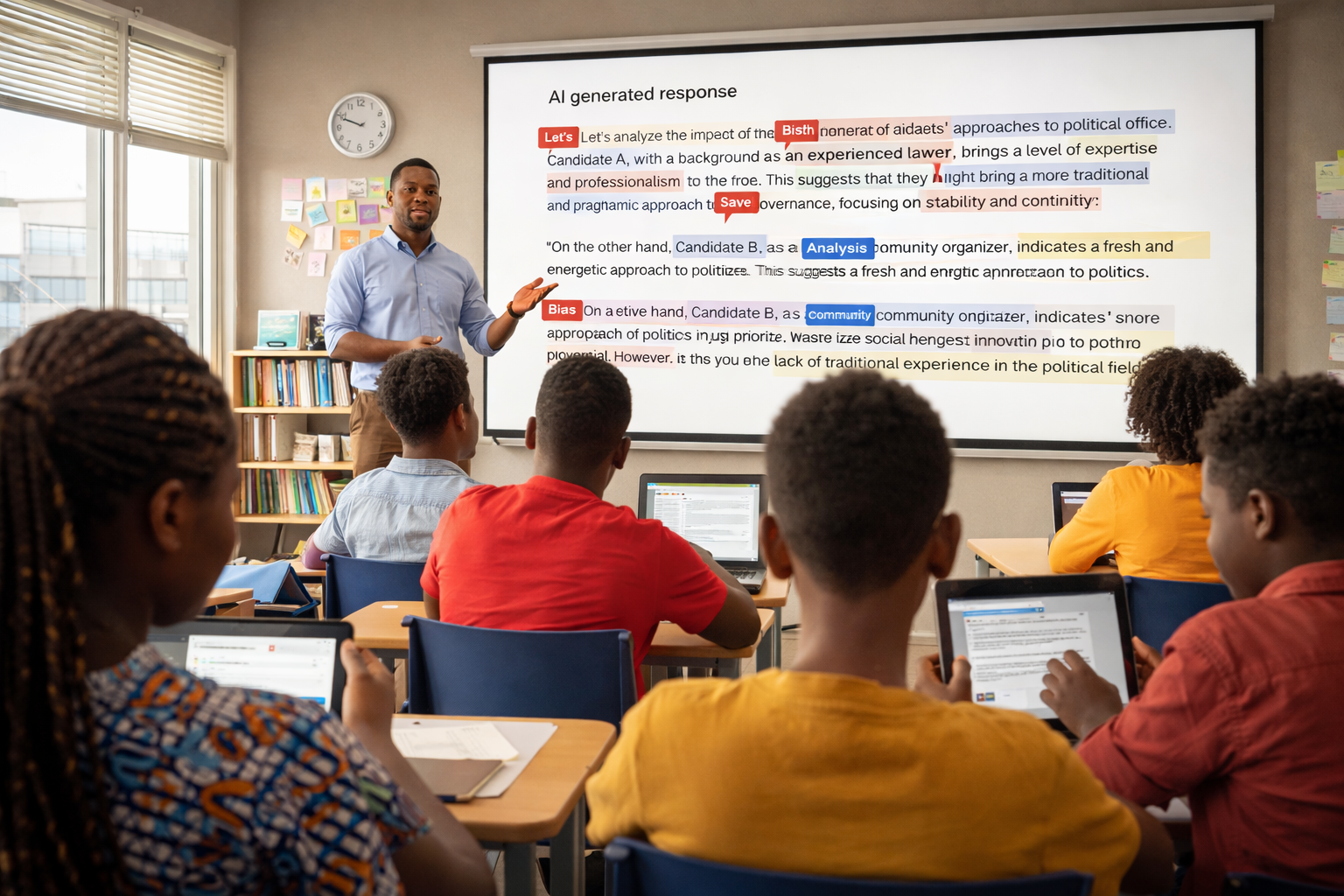
- Recognize bias and misinformation
- Think independently
- Make ethical decisions
According to a 2023 study by the OECD, students trained in reflective and inquiry-based approaches score significantly higher in critical thinking and problem-solving assessments than those trained in traditional memorization-based systems.
3. The World Needs Emotionally Intelligent Individuals
Emotional intelligence (EQ) is now considered one of the most important skills for personal and professional success. Employers across sectors — from finance to healthcare — value individuals who can:
- Collaborate
- Handle stress
- Resolve conflicts
- Communicate effectively
- Show empathy
Transformative Education integrates emotional and social learning, ensuring that learners develop both the mind and the heart.
4. Global Challenges Require Global Thinkers
The world is increasingly interconnected. Issues like:
- climate change
- global health crises
- economic inequality
- migration
- technological ethics
demand individuals who understand global systems and can collaborate across cultures.
Transformative Education promotes global citizenship, encouraging learners to see themselves as members of a shared world rather than isolated communities.
Core Pillars of Transformative Education
1. Critical Reflection
Learners analyze their own beliefs, question outdated assumptions, and consider new viewpoints. Reflection is the foundation of transformation.
2. Active Learning
Instead of absorbing information passively, students engage in discussions, projects, simulations, debates, and real-life problem-solving.
3. Student-Centered Approaches
The goal is not memorization but empowerment. Transformative Education encourages curiosity, responsibility, and independent thinking.
4. Experiential Learning
Hands-on experiences — such as internships, fieldwork, service projects, and lab experiments — help learners connect theory to real-world applications.
5. Technology-Integrated Learning
Unlike traditional systems, Transformative Education embraces technology as a tool for creativity, collaboration, and innovation.
6. Ethical and Value-Based Learning
Learners explore themes like justice, equity, sustainability, and human dignity — essential in shaping responsible global citizens.
How Transformative Education Prepares Individuals for the Future
1. It Builds Adaptability in Uncertain Times
The most successful individuals today are those who adapt quickly to shifting environments. Transformative Education instills flexibility, helping students embrace change rather than fear it.
2. It Encourages Lifelong Learning
Learning is no longer tied to classroom walls or age. Transformative Education nurtures curiosity, which fuels continuous personal and professional growth.
3. It Fosters Innovation and Creativity
As industries compete globally, creativity has become an economic asset. Transformative Education empowers learners to think outside the box, explore ideas, and innovate.
4. It Strengthens Problem-Solving Abilities
Whether tackling climate change or solving technical challenges at work, problem-solving is critical. Transformative Education trains learners to evaluate problems from multiple angles, collaborate, and develop thoughtful solutions.
5. It Promotes Mental Health and Well-Being
Schools that practice Transformative Education integrate emotional support, mindfulness, and social-emotional learning (SEL). Research shows students in SEL-driven programs experience:
- higher academic performance
- reduced anxiety
- improved relationships
- better classroom engagement
Transformative Education in Action: Real-World Examples
1. Finland’s Education System
Finland is widely recognized for its innovative and student-centered education model. Its curriculum emphasizes:
- collaboration over competition
- problem-based learning
- mental well-being
- teacher autonomy
This model has consistently produced high-performing students in a rapidly changing world.
2. Singapore’s Future-Ready Schools
Singapore integrates digital literacy, coding, and design thinking from an early age. The government invests heavily in training teachers to adopt Transformative Education methods.
3. Project-Based Learning in the United States
Schools like High Tech High in California use real-world projects instead of traditional exams. Students learn by doing — building robots, creating documentaries, solving community issues.
4. UNESCO’s Global Citizenship Education (GCED)
UNESCO promotes Transformative Education globally, helping countries integrate social justice, sustainability, and critical reflection into their school systems.
Challenges to Implementing Transformative Education
Although invaluable, Transformative Education faces several obstacles:
- Traditional exam-based systems with rigid structures
- Limited teacher training in modern pedagogies
- Insufficient digital infrastructure in developing countries
- Large class sizes
- Resistance to change from institutions or communities
However, educational innovation is accelerating. With more awareness and investment, these barriers are slowly breaking down.
Why Transformative Education Is the Future
The world we are stepping into requires:
- agile thinkers
- compassionate leaders
- tech-savvy individuals
- creative problem solvers
- globally aware citizens
Transformative Education produces exactly that. It doesn’t just prepare students for jobs — it prepares them for life.
The future belongs to learners who can collaborate, innovate, reflect, adapt, and think critically. And Transformative Education is the most powerful path to nurturing such humans.
Conclusion
In a world defined by constant change, uncertainty, and innovation, Transformative Education is not optional — it is essential. It provides learners with the skills, mindset, and values they need to thrive, no matter what the future holds.
From developing emotional intelligence to fostering creativity and global citizenship, Transformative Education is redefining how individuals learn, grow, and contribute to society.
As we move deeper into the digital age, the systems that embrace transformative learning will be the ones preparing future generations to succeed in a world that never stops evolving.
FAQ Section
1. What is Transformative Education?
Transformative Education is a learning approach that focuses on developing critical thinking, self-awareness, problem-solving, and adaptability. It encourages learners to question assumptions, reflect deeply, and apply knowledge to real-world challenges.
2. Why is Transformative Education important today?
It is vital because technological disruption, globalization, and shifting job markets require skills beyond memorization. Transformative Education equips learners with flexibility, creativity, emotional intelligence, and digital literacy—skills needed to thrive in a rapidly changing world.
3. How does Transformative Education differ from traditional education?
Traditional education centers on content delivery and standardized testing, while Transformative Education emphasizes active participation, reflection, collaboration, and personal growth. It prioritizes skills development over rote learning.
4. What skills does Transformative Education develop?
It fosters critical thinking, communication, leadership, creativity, problem-solving, adaptability, and resilience. It also builds digital competencies and emotional intelligence—major requirements in modern workplaces.
5. How can schools implement Transformative Education?
Schools can integrate project-based learning, experiential learning, technology-enhanced classrooms, inquiry-based discussion, mentorship programs, and real-world problem-solving activities. Training educators to facilitate learning rather than simply deliver content is also crucial.
6. Does Transformative Education improve career readiness?
Yes. Transformative Education aligns learning with real-world demands, ensuring students develop future-ready skills valued by employers, such as collaboration, digital proficiency, adaptability, and innovation.
7. What role do teachers play in Transformative Education?
Teachers act as facilitators, mentors, and guides. Instead of dictating information, they inspire curiosity, encourage dialogue, and support students in constructing their own understanding.