





Education shapes how individuals understand the world, develop essential skills, and participate meaningfully in society. Through direct involvement with inclusive classrooms and interactions with learners who have diverse abilities, one reality becomes clear: when education is adapted to meet individual needs, learners who once struggled can thrive.
For children and adults with special needs, access to appropriate education is not a privilege—it is a fundamental human right. Inclusive and well-structured special needs education plays a critical role in reducing barriers, building independence, and unlocking long-term potential. This article explores why special needs education is essential, how it benefits individuals and communities, and what effective support systems look like in practice.
Understanding Special Needs Education
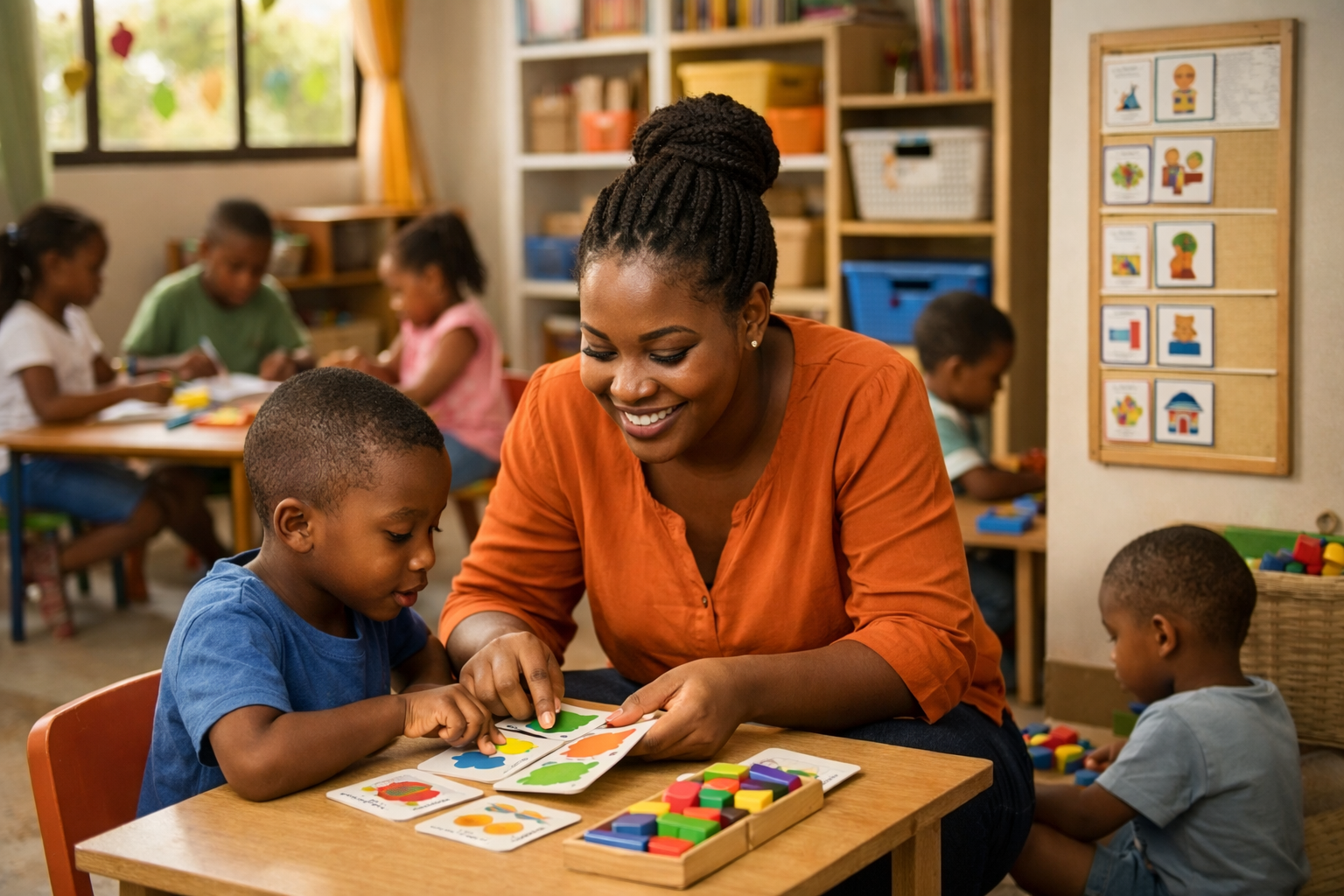
Special needs education refers to tailored teaching approaches designed to support learners who experience physical, intellectual, emotional, sensory, or developmental challenges. In educational settings where individualized learning plans are used, learners often demonstrate progress that would not be possible under standardized instruction alone.
Learners who may benefit from special education include individuals with:
- Learning disabilities such as dyslexia or dyscalculia
- Autism spectrum conditions
- Attention-related challenges such as ADHD
- Speech and language impairments
- Hearing or visual impairments
- Physical disabilities
- Emotional or behavioral difficulties
Rather than applying a one-size-fits-all model, special needs education adapts curriculum, teaching methods, and assessment strategies to align with each learner’s strengths and challenges. This approach is consistent with Universal Design for Learning (UDL) principles promoted by UNESCO.
Education as a Foundation for Equal Opportunity
Reducing Educational Inequality
In classrooms where specialized support is absent, learners with special needs are significantly more likely to fall behind academically or disengage from school entirely. However, when targeted interventions are introduced early, academic gaps narrow and learner confidence improves.
Research consistently shows that appropriate special education support leads to:
- Improved academic performance
- Reduced dropout rates
- Increased self-confidence
- Greater long-term independence
According to UNICEF, inclusive education systems reduce educational inequality and improve outcomes for learners with disabilities.
Source: UNICEF, Inclusive Education and Disability.
Protecting the Right to Learn
Inclusive special needs education reinforces the principle that education systems should adapt to learners—not exclude them. This aligns with the United Nations Convention on the Rights of Persons with Disabilities (CRPD), which recognizes inclusive education as a legal and moral obligation.
Source: United Nations, CRPD Article 24 – Right to Education.
Supporting Individual Growth and Development
Academic Progress at a Personalized Pace
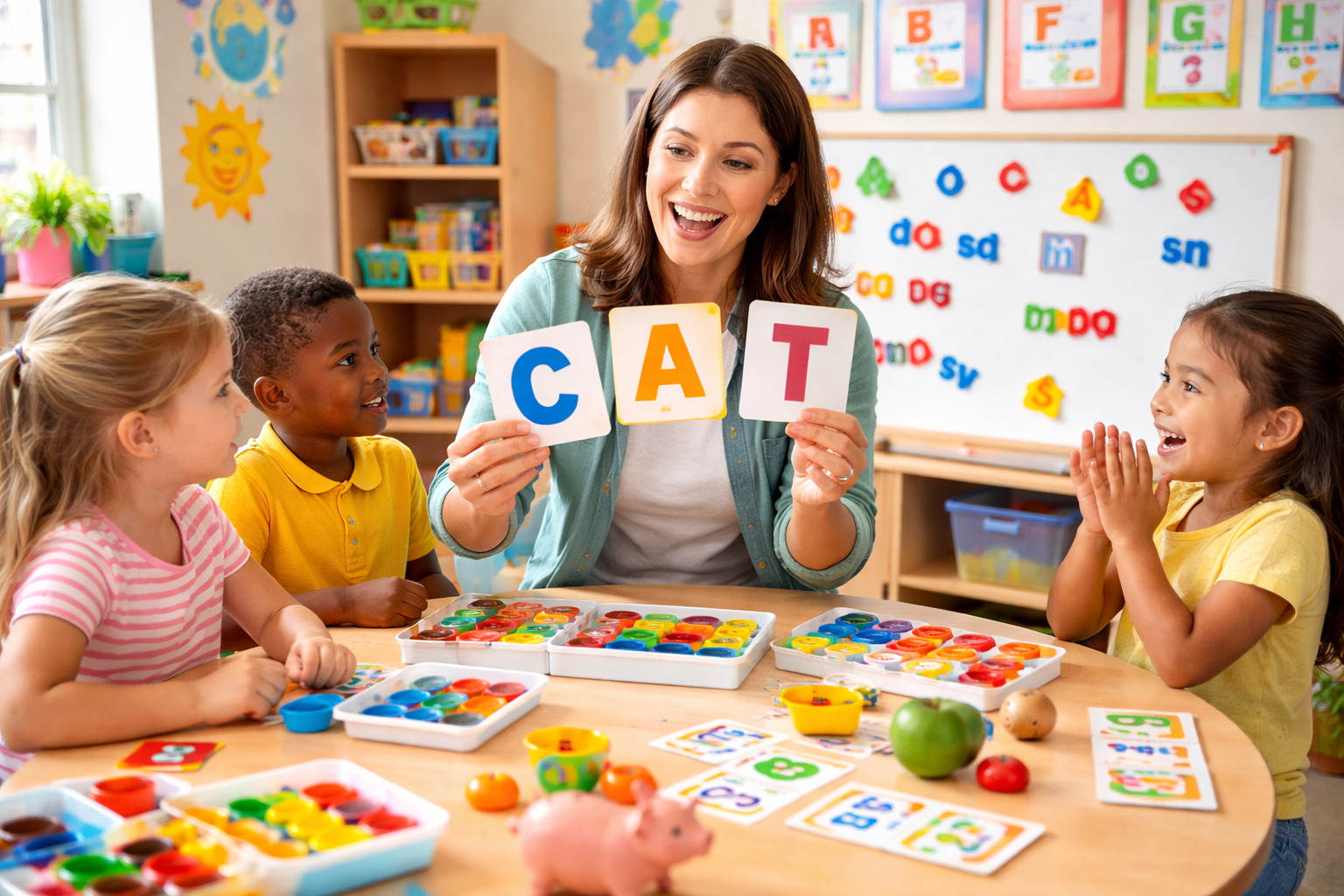
In practice, many learners with special needs process information differently. When educators apply evidence-based strategies such as Individualized Education Programs (IEPs), multisensory instruction, and assistive technologies, learners are better able to understand, retain, and apply knowledge.
Studies published by the National Center for Learning Disabilities indicate that personalized instruction significantly improves learning outcomes for students with learning differences.
Small, consistent progress—often observed over weeks or months—can have a lasting impact on academic confidence and motivation.
Building Life and Independence Skills
Special needs education extends beyond academic achievement. In many educational programs, learners are also taught essential life skills, including:
- Communication and social interaction
- Emotional regulation
- Problem-solving and decision-making
- Daily living and self-care skills
The World Health Organization (WHO) highlights that developing functional and social skills is critical for long-term independence and quality of life for individuals with disabilities.
Source: WHO, Disability and Health.
Emotional and Social Benefits of Special Needs Education
Strengthening Self-Esteem and Confidence
Repeated academic failure can negatively affect a learner’s self-esteem. In inclusive learning environments where instruction is adapted to individual strengths, learners experience success more frequently. Educators often observe improved participation, increased motivation, and stronger self-belief when learners feel understood and supported.
Positive educational experiences play a key role in shaping identity and emotional well-being.
Encouraging Social Inclusion
Inclusive classrooms promote meaningful interaction between learners of different abilities. This exposure fosters:
- Empathy and mutual respect
- Improved communication skills
- Reduced stigma and discrimination
According to UNESCO, inclusive education benefits all learners by promoting social cohesion and understanding.
Source: UNESCO, Global Education Monitoring Report on Inclusion.
The Role of Teachers and Specialists
Trained Educators Make a Difference
Effective special needs education depends on skilled professionals. Special education teachers, therapists, and support staff are trained to:
- Identify learning challenges accurately
- Apply evidence-based instructional strategies
- Adapt curricula and assessments
- Collaborate across multidisciplinary teams
Research from the Council for Exceptional Children (CEC) confirms that trained educators significantly improve learning outcomes for students with disabilities.
Collaboration With Families
Consistent collaboration between educators and families strengthens learning outcomes. In practice, regular communication helps align expectations, reinforce skills at home, and address emotional or behavioral challenges early.
Family engagement is widely recognized as a critical success factor in special education programs.
Benefits Beyond the Classroom
Preparing Learners for Employment
With appropriate educational support, many individuals with special needs develop job-ready skills and pursue meaningful employment. Vocational training programs often include:
- Career exploration
- Job coaching and internships
- Workplace communication skills
- Time management and responsibility
According to the International Labour Organization (ILO), inclusive education improves employment prospects for individuals with disabilities.
Positive Impact on Society
Societies that invest in special needs education benefit from:
- A more diverse and capable workforce
- Reduced long-term dependency on social services
- Stronger values of inclusion and equality
Education transforms potential limitations into valuable social contributions.
The Importance of Early Intervention
Identifying Needs Early
Early assessment and intervention are consistently linked to improved developmental outcomes. Neuroscience research shows that early support enhances cognitive, social, and communication development.
The Centers for Disease Control and Prevention (CDC) emphasizes that early intervention services significantly improve long-term learning and behavior outcomes.
Long-Term Educational Success
Learners who receive early and sustained support are more likely to succeed academically, socially, and emotionally. Early intervention creates a strong foundation for lifelong learning and independence.
Creating Inclusive Learning Environments
Adapting Schools for Accessibility
Inclusive education requires accessible learning environments, including:
- Wheelchair-accessible infrastructure
- Visual and auditory learning supports
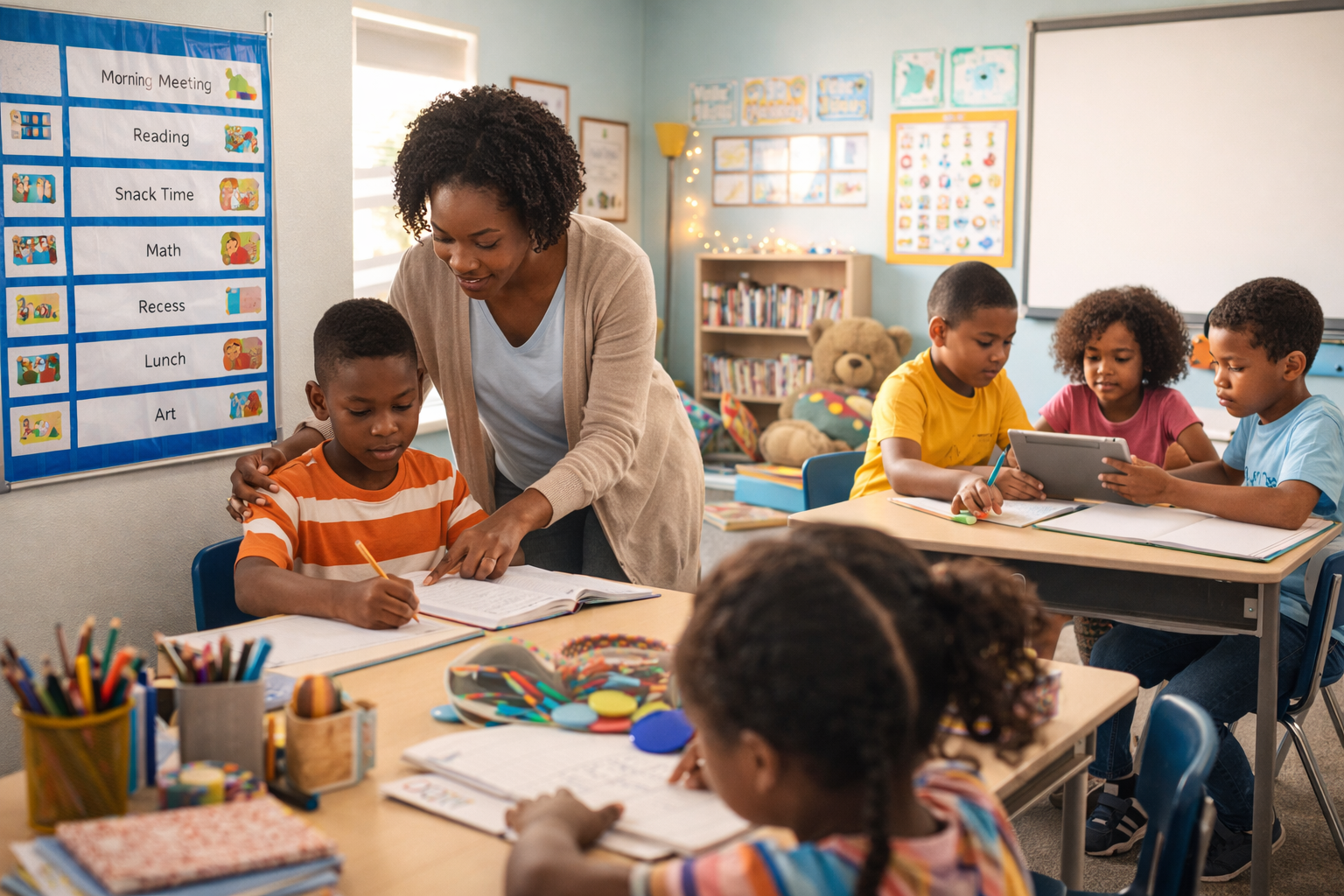
- Flexible classroom layouts
- Assistive technologies
These adaptations remove unnecessary barriers and promote full participation.
Promoting Acceptance and Awareness
Inclusion is not only structural but cultural. Schools that promote disability awareness and empathy help reduce misconceptions and create safer, more supportive learning environments for all learners.
Challenges and the Need for Continued Improvement
Despite progress, challenges remain, including limited funding, shortages of trained professionals, and gaps in awareness. Addressing these issues requires:
- Continued policy investment
- Ongoing teacher training
- Community education and advocacy
Sustainable improvement ensures that education systems evolve alongside learner needs.
Conclusion
Special needs education is not optional—it is essential to a fair, effective, and inclusive educational system. Through firsthand observation and extensive research, one conclusion stands out: when learners with special needs receive appropriate support, they gain confidence, independence, and purpose.
By investing in inclusive education, societies unlock human potential, strengthen social cohesion, and build a more compassionate future. Prioritizing special needs education is not only an educational responsibility—it is a commitment to equity, dignity, and shared progress.