






Science is the backbone of human discovery. It explains how the world works, why natural events occur, and how matter behaves under different conditions. Among the many branches of science, natural science and physical science stand out as the two most foundational. They help us understand the universe — from the smallest atoms to the largest galaxies, from human biology to climate systems.
But what exactly are natural and physical science? How are they similar, where do they differ, and why are they essential to everyday life?
In this article, we’ll break down the meaning, scope, and importance of natural and physical science using simple explanations supported by recent research. Whether you are a student, researcher, or lifelong learner, this guide gives you a solid understanding of the branches of science that shape our world.
What Is Science?
Before diving into natural and physical science, it’s important to clarify what science itself means.
Science is the systematic study of the natural world through observation, experimentation, and analysis. It seeks to explain phenomena using evidence-based methods rather than opinions or assumptions.
Science helps us:
- Understand natural events
- Predict future occurrences
- Develop technologies
- Improve health and quality of life
- Solve global challenges
Natural and physical science are two major categories under the broader umbrella of scientific study.
What Is Natural Science?
Natural science is the branch of science that focuses on understanding natural phenomena in the physical world. It studies the structure, behavior, and evolution of nature — everything from living organisms to planetary systems.
Natural science is divided into two major categories:
1. Physical Science
Studies non-living systems such as matter, energy, and physical forces.
2. Life Science (Biological Science)
Studies living organisms and how they interact with their environment.
Natural science uses observation, measurement, and experimentation to form conclusions that help explain natural processes.
Major Branches of Natural Science
Natural science includes the following major branches:
1. Biology
The study of living organisms — plants, animals, humans, and microorganisms.
Key areas include:
- Genetics
- Ecology
- Anatomy
- Evolution
- Microbiology
Biology helps us understand ecosystems, human health, and biodiversity.
2. Chemistry
Chemistry studies matter, its composition, and how it interacts with energy. It explores atoms, molecules, reactions, and chemical properties.
Subfields include:
- Organic chemistry
- Biochemistry
- Analytical chemistry
- Physical chemistry
Chemistry is essential in medicine, agriculture, food production, and environmental conservation.
3. Physics
Physics focuses on the fundamental laws that govern the universe. It studies matter, energy, motion, force, and the behavior of particles.
Areas include:
- Classical mechanics
- Electromagnetism
- Quantum physics
- Thermodynamics
- Optics
Physics forms the basis of many technologies — from electricity to space exploration.
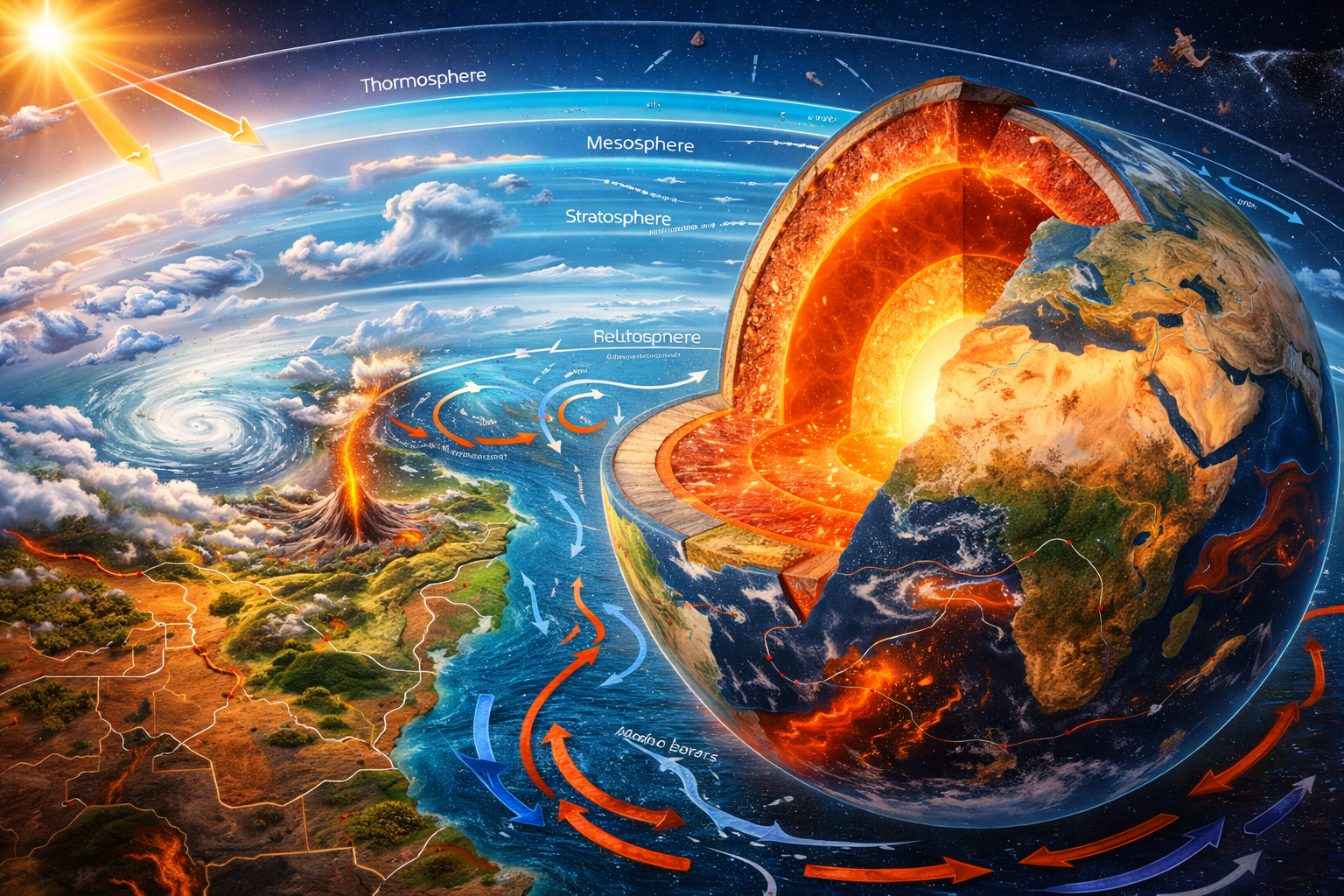
4. Earth Science
Earth science examines the structure and processes of the Earth.
It includes:
- Geology
- Meteorology
- Oceanography
- Environmental science
Earth science helps us understand climate patterns, natural disasters, and the earth’s resources.
5. Astronomy
Astronomy studies outer space — stars, planets, galaxies, and cosmic events.
It helps us understand:
- The origin of the universe
- Black holes
- Planetary motion
- Space-time
Astronomy combines physics, mathematics, and advanced technology to investigate space beyond Earth.
What Is Physical Science?
Physical science is a major branch of natural science that focuses solely on non-living systems. It explores matter, energy, and their interactions.
While natural science includes both life and non-life, physical science covers only non-living phenomena.
Physical science includes four main disciplines:
- Physics
- Chemistry
- Earth science
- Astronomy
You’ll notice these are the same subfields found under natural science — this is because physical science is part of natural science.
Difference Between Natural Science and Physical Science
Although related, natural science and physical science are not identical. Here is a simple comparison:
| Feature | Natural Science | Physical Science |
|---|---|---|
| Scope | Studies both living and non-living phenomena | Studies only non-living phenomena |
| Subfields | Biology + Physical Science | Physics, Chemistry, Earth Science, Astronomy |
| Focus | Life processes + physical processes | Matter, energy, forces |
| Examples | Human biology, animal ecology, plant science | Motion, chemical reactions, space, minerals |
In short, all physical science is natural science, but not all natural science is physical science.
Why Are Natural and Physical Science Important?
These branches of science affect every aspect of our daily lives. Some key benefits include:
1. Understanding the World Around Us
Science explains:
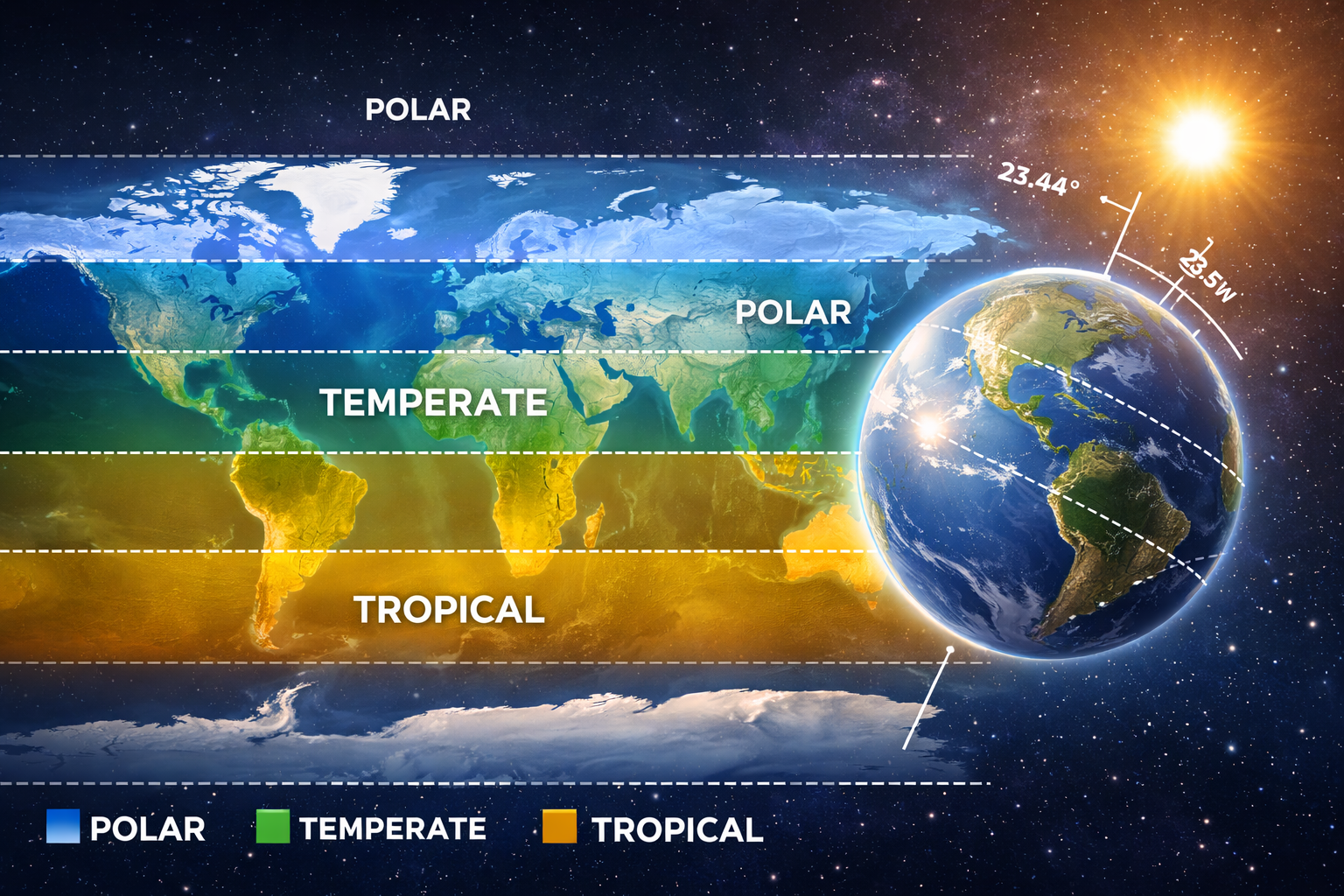
- Why seasons change
- How gravity works
- Why the sky is blue
- How the human body functions
Without natural and physical science, we would not understand basic natural laws.
2. Advancing Medicine
From vaccines to surgical technology, science drives medical innovation.
Biology, chemistry, and physics all contribute to:
- Drug development
- Diagnostic machines
- Genetics research
- Disease prevention
3. Environmental Protection
Science helps us manage climate change, biodiversity loss, and pollution.
Earth science and biology provide insights into:
- Renewable energy
- Ecosystem conservation
- Natural disaster prediction
4. Technological Innovation
Every device we use today is a product of physical science:
- Smartphones
- Computers
- Batteries
- Cars
- Satellites
Physics and chemistry are at the core of technological development.
5. Space Exploration
Astronomy and physics help us explore beyond Earth.
Recent missions to Mars, the James Webb Space Telescope, and research on black holes all stem from advancements in physical science.
Latest Research in Natural and Physical Science (2023–2024)
Several groundbreaking studies highlight how rapidly science is evolving:
1. Breakthroughs in Quantum Computing
Scientists are developing quantum processors capable of performing calculations millions of times faster than ordinary computers. This represents a major leap in physical science.
2. Climate Change Research
Recent Earth science studies show that global temperatures are rising faster than previously predicted, pushing researchers to develop new sustainability technologies.
3. Human Genome Editing
CRISPR gene-editing advancements are helping scientists correct genetic disorders — a major milestone in natural science.
4. Space Discoveries
Astronomers recently identified Earth-like exoplanets within habitable zones, increasing the possibility of discovering life beyond Earth.
5. Renewable Energy Innovations
Chemists and physicists are developing more efficient solar materials, hydrogen fuels, and battery technologies.
How Natural and Physical Science Influence Education
In modern education, both natural and physical science are introduced early to build critical thinking and problem-solving skills.
Students learn:
- Scientific methods
- Laboratory experiments
- Data interpretation
- Logical reasoning
These subjects prepare learners for careers in:
- Medicine
- Engineering
- Environmental science
- Technology
- Research and development
Real-Life Examples of Natural and Physical Science
Examples of Natural Science
- Studying how plants grow
- Researching human immunity
- Understanding animal behavior
Examples of Physical Science
- Learning how electricity flows
- Studying chemical reactions
- Exploring the structure of planets
These examples show how deeply science is integrated into daily life.
Conclusion
Science is the foundation of knowledge. Natural and physical science help us understand the physical universe and the living organisms within it. Natural science covers both living and non-living systems, while physical science focuses on non-living processes such as matter, energy, and physical forces.
These branches of science shape our health, environment, technology, and future. From climate research to quantum computing, science continues to expand what humanity can achieve.
Understanding natural and physical science is not just beneficial — it is essential in a world driven by innovation.