









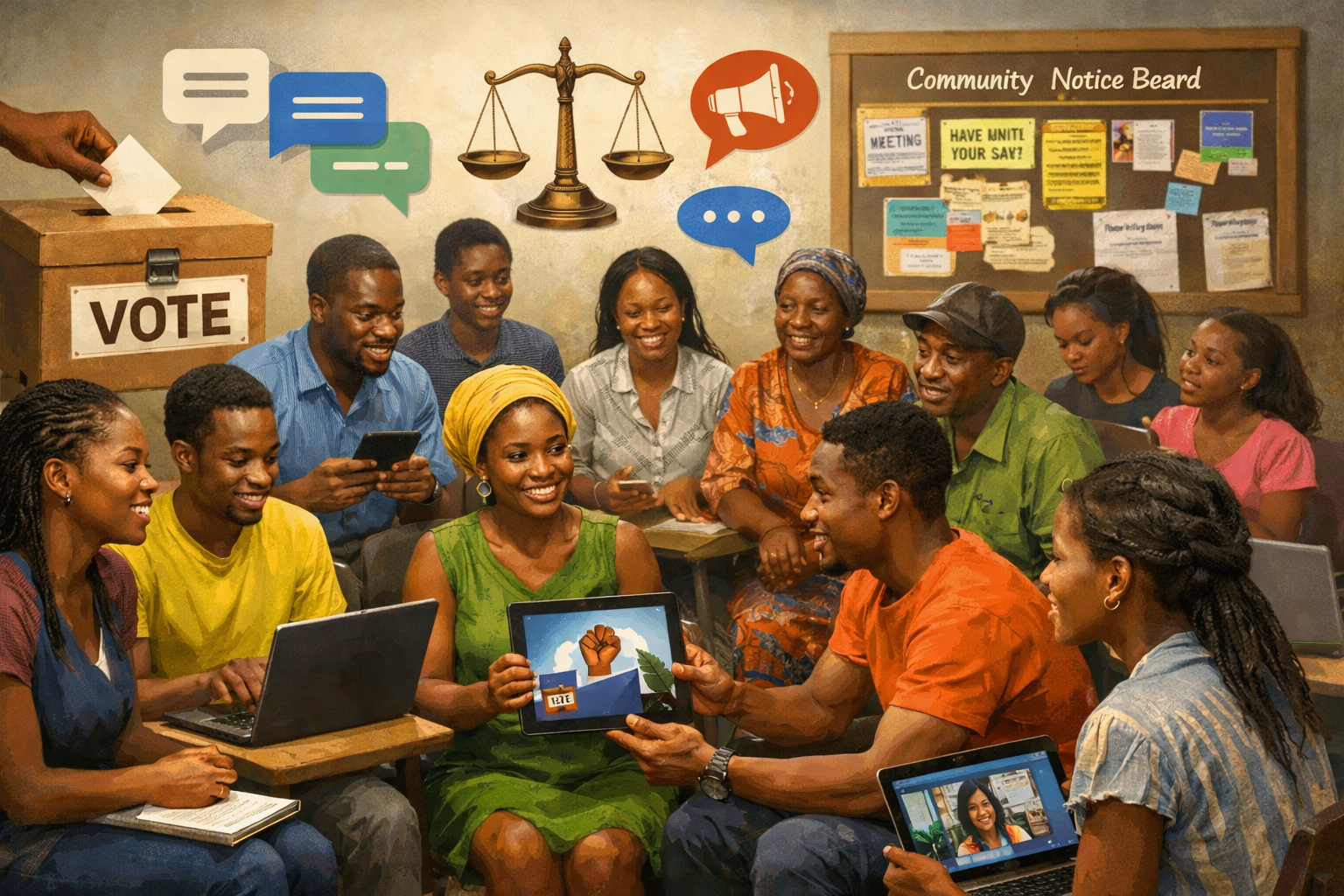
Civic education plays a critical role in shaping how individuals understand society, participate in public life, and contribute to democratic processes. Through work in educational settings, community discussions, and exposure to civic learning programs, it becomes clear that civic education is not simply about knowing how government works—it is about developing the ability and confidence to participate meaningfully in society.
In a world shaped by rapid political, social, and technological change, civic education helps people—especially young learners—build the knowledge, skills, and values needed to engage responsibly with their communities. Educational bodies such as UNESCO and the OECD consistently emphasize civic learning as a foundation for democratic stability and social cohesion.
This article offers a comprehensive and experience-informed exploration of civic education: what it is, why it matters, how it functions in practice, and how it can be strengthened to meet modern challenges.
What Is Civic Education?
Civic education refers to the process of teaching individuals about their rights, responsibilities, and roles within a society. In practice, effective civic education goes beyond memorizing facts about constitutions or political offices. It focuses on helping learners understand how societies function and how they can actively participate in shaping them.
In classroom and community learning environments, civic education typically aims to help individuals:
- Understand social, political, and legal systems
- Think critically about public issues
- Participate constructively in decision-making processes
- Respect diversity, democratic values, and the rule of law
Organizations such as UNESCO describe civic education as a core part of Global Citizenship Education (GCED), which integrates knowledge, skills, values, and attitudes necessary for responsible civic engagement.
Civic education can take place in schools, youth programs, community initiatives, informal learning spaces, and increasingly through digital and online platforms.
Why Civic Education Matters in Today’s World
Modern societies are complex and information-rich. Citizens are constantly exposed to conflicting viewpoints, digital misinformation, and global challenges such as inequality, climate change, and social justice. Educators and civic practitioners widely observe that without structured civic learning, many individuals struggle to evaluate information critically or engage constructively in public life.
Research referenced by institutions like the OECD shows that individuals with stronger civic knowledge are more likely to vote, engage in community activities, and trust democratic institutions.
Key reasons civic education matters include:
- Promoting democratic participation: Informed citizens are more likely to vote, engage in public dialogue, and hold institutions accountable.
- Strengthening social cohesion: Civic education encourages respectful engagement across differences in opinion, culture, and belief.
- Countering misinformation: Media and information literacy—now a core civic skill—helps learners identify bias and false narratives.
- Empowering young people: Civic education builds confidence, voice, and a sense of agency, particularly among youth.
When civic education is weak or absent, studies suggest that democratic participation declines and public trust becomes harder to sustain.
Core Components of Effective Civic Education
Educational research consistently shows that civic education is most effective when it addresses knowledge, skills, and values together, rather than treating civic learning as purely theoretical.
Knowledge and Understanding
Learners need a foundational understanding of how society is organized, including:
- Laws and legal systems
- Government institutions and their functions
- Human rights and civic freedoms
- Local, national, and global issues
This knowledge enables learners to interpret civic events and understand how decisions are made.
Skills for Civic Engagement
In both classroom and community programs, practical civic skills are essential. These include:
- Critical thinking and evidence-based reasoning
- Communication, discussion, and debate
- Collaboration and collective problem-solving
- Peaceful conflict resolution
Educators frequently observe that students who practice these skills through discussion and project-based learning demonstrate greater confidence in expressing their views responsibly.
Values and Attitudes
Civic education also shapes attitudes that guide behavior, such as:
- Respect for diversity and inclusion
- A sense of responsibility and fairness
- Empathy and social awareness
- Commitment to justice and equality
These values are repeatedly highlighted in global civic education frameworks as essential for healthy democratic societies.
Civic Education in Schools
Schools play a central role in civic education, particularly during childhood and adolescence. Experience from formal education settings shows that students engage more deeply when civic learning is connected to real-world issues rather than taught in isolation.
Classroom-Based Learning
Civic education may appear as a standalone subject or be integrated into social studies, history, or citizenship education. Effective classroom practices often include:
- Structured discussions on current events
- Case studies drawn from real social issues
- Group projects and collaborative problem-solving
- Student-led debates and initiatives
These approaches shift students from passive learning to active participation.
Experiential Learning Opportunities
Research and practice both show that civic education is most impactful when learners experience civic participation directly. Common examples include:
- Student councils and school governance
- Community service or service-learning projects
- Simulated elections, mock trials, or public forums
- Partnerships with local civic organizations
Such experiences help learners understand that civic participation is not abstract—it is lived and practical.
Civic Education Beyond the Classroom
Civic learning continues throughout life. Communities, families, media, and civil society organizations all contribute to civic development.
Community and Youth Programs
Community-based civic programs often provide inclusive spaces for dialogue, leadership development, and collective action. These programs are particularly important in contexts where access to formal education may be limited.
Digital and Media Literacy
In the digital age, civic education increasingly includes media literacy. Learners must be able to:
- Evaluate online sources critically
- Recognize misinformation and bias
- Engage respectfully in digital civic spaces
Educational researchers widely agree that digital civic competence is now essential for responsible citizenship.
Challenges Facing Civic Education
Despite its importance, civic education faces well-documented challenges.
Unequal Access
Economic inequality, conflict, and limited educational resources can restrict access to quality civic learning, especially in marginalized communities.
Political Sensitivity
Civic topics are often politically sensitive. In some settings, this leads to avoidance of open discussion, limiting students’ ability to engage critically with real issues.
Rapid Social Change
Globalization, migration, and technological change continually reshape civic life. Civic education must adapt to remain relevant and inclusive.
Addressing these challenges requires policy support, teacher training, and community involvement.
Strengthening Civic Education for the Future
Educational organizations and practitioners emphasize several strategies for improving civic education.
Inclusive and Learner-Centered Approaches
Civic education should reflect diverse perspectives and lived experiences so learners see themselves represented in civic life.
Teacher Training and Support
Teachers need ongoing training, resources, and institutional support to confidently facilitate civic discussions and experiential learning.
Linking Local and Global Citizenship
Modern civic education increasingly connects local civic action to global challenges, helping learners understand how individual actions contribute to wider social outcomes.
The Long-Term Impact of Civic Education
Long-term studies in democratic education indicate that effective civic learning contributes to:
- Higher civic participation
- Stronger democratic institutions
- More inclusive and peaceful communities
- Lifelong engagement in public life
Rather than producing passive observers, civic education nurtures informed, thoughtful participants capable of contributing to the common good.
Conclusion
Civic education is a foundational element of healthy societies. Drawing on educational practice, research, and global frameworks, it is clear that civic education equips individuals with the knowledge, skills, and values needed to understand their world and participate responsibly in shaping it.
In an era marked by complexity, misinformation, and social change, strong civic education is not optional—it is essential. By investing in inclusive, practical, and experience-based civic learning, societies can empower current and future generations to become active, informed, and responsible citizens.