





Home » learning

What Are the 7 Elements of Learning? A Framework for Students and Educators

Learning is not a mysterious talent reserved for a few gifted individuals. It is a structured cognitive process that follows identifiable psychological and neurological principles. When those principles are understood and applied deliberately, learning becomes faster, deeper, and more durable. As someone who has worked with students preparing for exams and professionals developing new skills,…
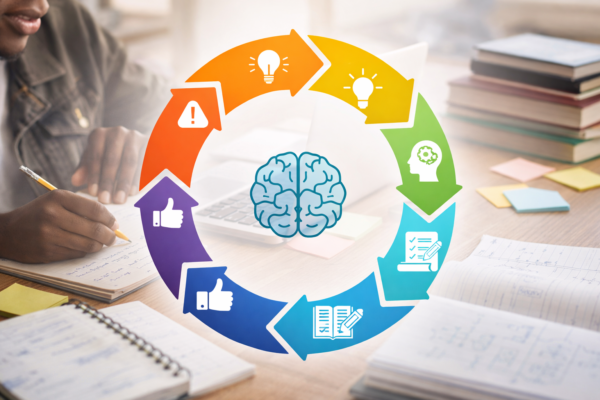

Diagram showing the 7 elements of learning—attention, motivation, prior knowledge, active engagement, practice, feedback, and application—arranged in a circular cognitive learning framework.

How Artificial Intelligence Is Transforming Education and Skills Development

Artificial intelligence (AI) is reshaping the way people learn, teach, and acquire skills for the modern workforce. From adaptive learning platforms to AI-driven administrative tools, education systems worldwide are leveraging AI to improve outcomes, personalize learning, and prepare learners for a rapidly evolving job market. This guide explores how AI is transforming education, the benefits,…

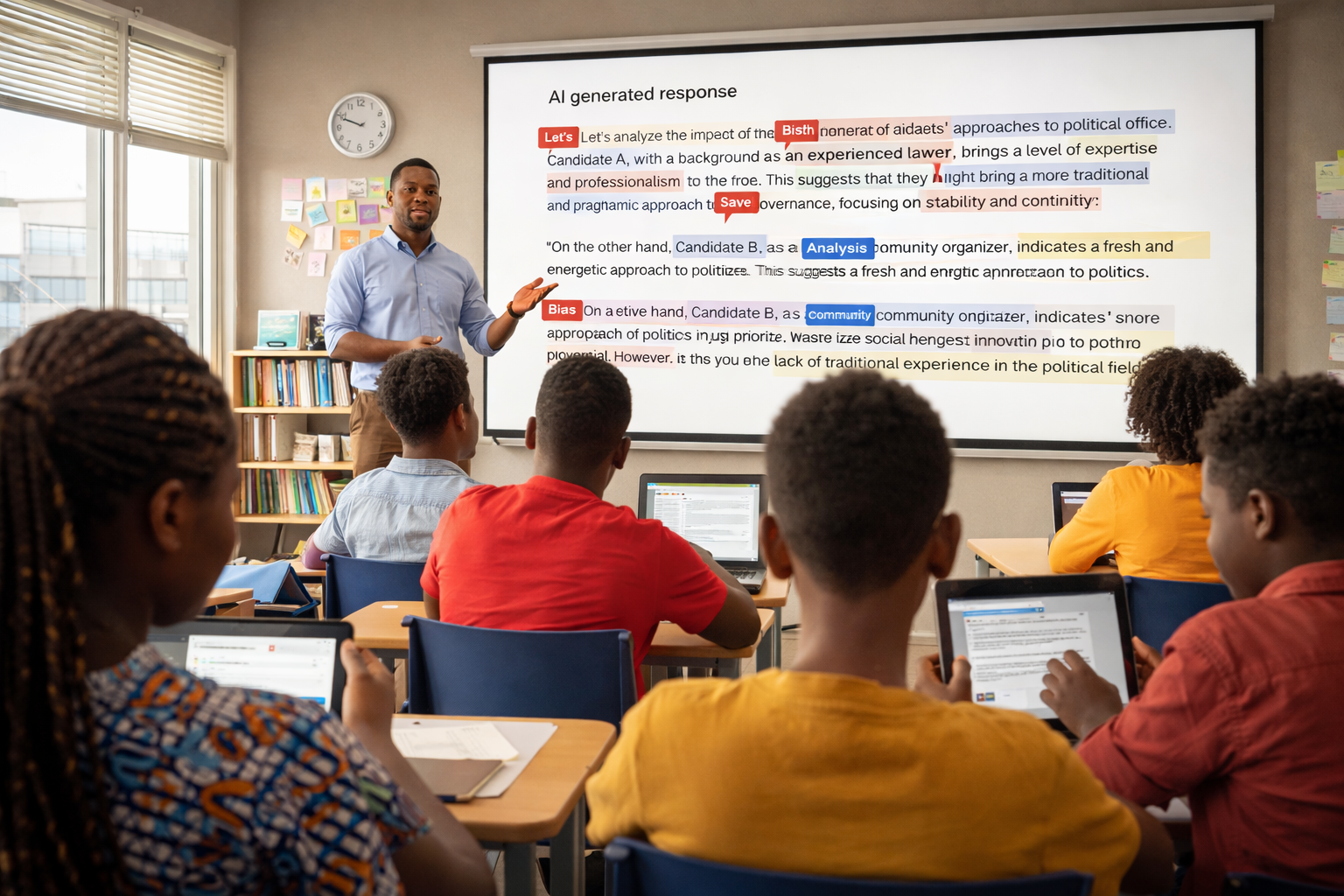
Students and teachers using AI-powered education tools in a modern classroom, illustrating personalized learning and data-driven insights

Online Learning vs. Traditional Classroom Education

Education has changed dramatically in the last two decades. I’ve personally experienced this shift firsthand — moving from a fully traditional classroom environment to online and blended learning formats for skill development and professional growth. That transition revealed something important: the effectiveness of a learning model depends far more on context and learner needs than…

Comparison of online learning and traditional classroom education showing a student studying on a laptop at home and students learning face-to-face in a classroom.

What Is Machine Learning? Real-World Explanation for Beginners

Machine learning is one of the most talked-about technologies today. It powers the recommendations you see online, helps smartphones recognize faces, supports doctors in analyzing medical data, and improves how apps predict traffic or detect fraud. From explaining technology concepts to non-technical audiences and analyzing how modern digital platforms operate, one thing becomes clear: machine…

Illustration explaining machine learning with real-world examples such as smartphones, online shopping, healthcare, and transportation.

Memory-Boosting Activities for Toddlers (Ages 1–3): Practical Play That Works

Memory doesn’t appear overnight — it develops gradually as young children interact with people, objects, and routines in their everyday world. During my years observing and working closely with toddlers in home and early-learning settings, I’ve seen how small, playful moments — singing a familiar song, searching for a favorite toy, or retelling a short…

Parent engaging a toddler in a memory-boosting learning activity using toys and puzzles

How Project-Based Learning Is Revolutionizing Modern Classrooms

What Is Project-Based Learning? Project-Based Learning is an instructional strategy in which students explore significant questions or challenges through extended projects. These projects require investigation, teamwork, problem solving, and reflection — all aimed at producing a tangible result or presentation. PBL shifts the teacher’s role from a lecturer to a facilitator, guiding students as they…

Students collaborating on a project-based learning activity in a modern classroom environment

What Are the Three Main Types of Curriculum?

In education, understanding the types of curriculum is fundamental to delivering meaningful learning experiences. Whether you’re a teacher, school administrator, curriculum developer, or education enthusiast, knowing how curriculum shapes learning is crucial. But what are the three main types of curriculum? How do they differ, and why does each matter in today’s classrooms and learning…

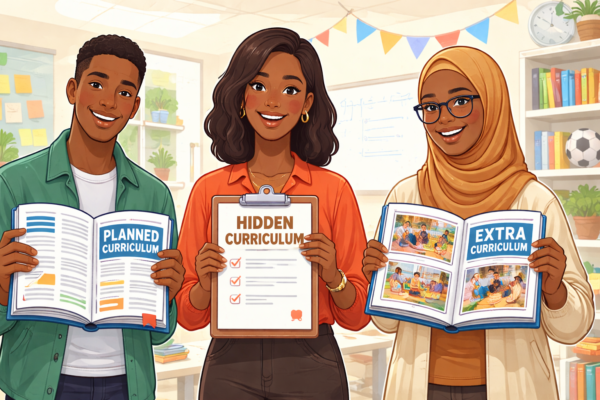
Diagram explaining the three main types of curriculum in education: formal, hidden, and null curriculum

Best Phonics Apps and Online Tools to Make Learning Fun

Learning to read is one of the most important milestones in a child’s educational journey. Phonics plays a key role in this process by helping learners understand the relationship between letters and sounds. When taught effectively, phonics builds a strong foundation for reading fluency, spelling, and comprehension. Today, technology offers many phonics apps and online…

Young children using tablets and laptops to learn reading and letter sounds through interactive phonics apps in a fun classroom and home learning environment.

Top AI Tools Every Teacher Should Use in the Classroom

In today’s fast-evolving educational landscape, AI tools are rapidly transforming how teachers teach and students learn. From automating grading to personalizing instruction, artificial intelligence is no longer just a buzzword — it’s a powerful ally in the classroom. As educators strive to meet diverse learning needs and prepare students for a digital future, the right…

Teacher using AI tools on a digital tablet in a modern classroom while students engage with interactive technology-based learning.