






What Is Project-Based Learning?
Project-Based Learning is an instructional strategy in which students explore significant questions or challenges through extended projects. These projects require investigation, teamwork, problem solving, and reflection — all aimed at producing a tangible result or presentation. PBL shifts the teacher’s role from a lecturer to a facilitator, guiding students as they navigate their learning journeys.
This method mirrors professional environments outside school walls, preparing learners for real solutions rather than theoretical answers.
Why PBL Matters Today
Making Learning Relevant and Purposeful
One of the biggest criticisms of traditional education is that it often feels disconnected from real life. PBL addresses this by anchoring lessons in authentic, meaningful problems. For example, students might research local environmental issues and design a campaign to address them, bridging classroom concepts with real community action.
When learners see the real-world impact of their efforts, their motivation and engagement naturally increase.
Major Benefits of Project-Based Learning
1. Deepens Understanding Through Active Engagement
Instead of memorizing facts for a test, students actively apply academic concepts while working on projects. This hands-on involvement promotes deeper comprehension and long-term retention of information.
For instance, designing a school recycling program requires students to integrate scientific knowledge, persuasive writing, and project management — making learning holistic rather than segmented.
2. Builds Essential 21st-Century Skills
PBL naturally fosters skills that are increasingly valued in the modern world:
- Critical thinking and problem-solving — students must assess information and devise solutions.
- Collaboration and communication — working in teams teaches negotiation, feedback, and shared responsibility.
- Creativity and innovation — unique project challenges encourage original thinking.
These competencies extend far beyond academics — they prepare learners for careers, leadership roles, and civic life.
3. Increases Engagement and Motivation
When projects align with student interests or real-world contexts, learners become invested in their education. Rather than passively absorbing lectures, students actively contribute to their own learning process.
This shift from passive to active learning often yields heightened enthusiasm, increased effort, and a more positive attitude toward education.
4. Supports Diverse Learners
Not all students excel in traditional test-based environments. PBL offers alternative ways to demonstrate mastery, accommodating a variety of learning styles and strengths. For example:
- Visual learners might develop a digital presentation.
- Hands-on thinkers might build a physical model.
- Writers might craft an in-depth report.
By giving students choice in how they express their understanding, PBL levels the playing field and highlights individual strengths.
5. Encourages Reflection and Metacognition
Reflection is an integral part of PBL. After completing a project, students assess what they’ve learned, what challenges they encountered, and how they overcame them. This introspective step builds metacognitive awareness — the ability to think about one’s own thinking and learning processes.
Reflection deepens understanding and helps learners transfer skills to future tasks.
Practical Examples of PBL in Action
Here are real classroom examples that illustrate how PBL can be implemented at different levels:
- Elementary School: Students design an age-appropriate playground, integrating math (measurements, geometry) and persuasive communication (presentations to school leaders). (Edu.com)
- Middle School: Learners partner with community organizations to address local challenges — like creating informational campaigns on nutrition — blending research, writing, and service.
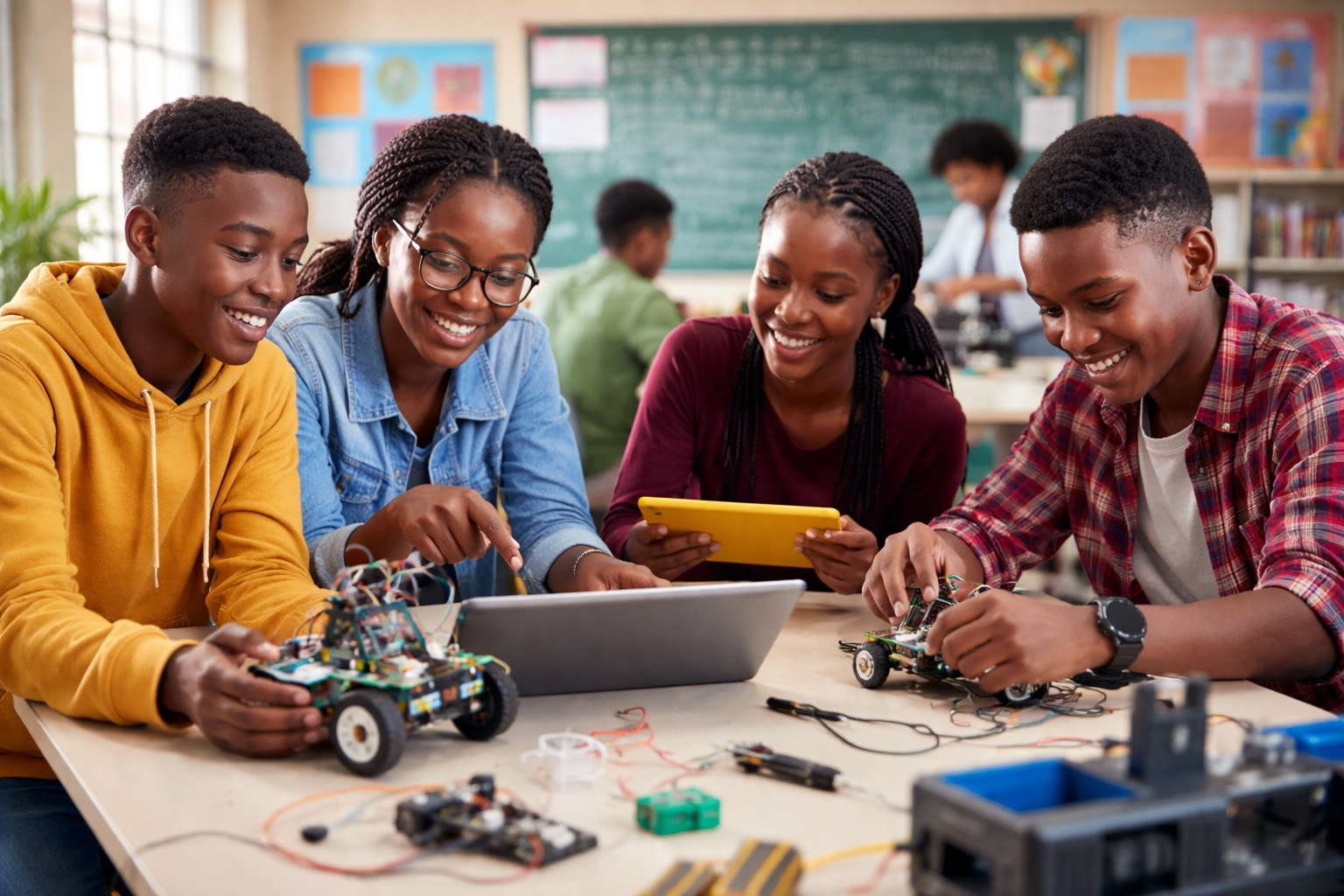
- High School: Teams might develop business proposals or environmental campaigns, demonstrating knowledge and skills across subjects and preparing for real world scenarios. (The Kintess School)
These examples highlight how projects can be both educational and personally meaningful.
How Teachers Facilitate PBL
Teachers in a PBL classroom serve as mentors and coaches. Rather than delivering information, they guide inquiry, support group dynamics, and help students navigate obstacles. This learner-centered approach fosters autonomy and resilience in students.
However, effective PBL doesn’t happen spontaneously. Successful implementation includes:
- Clear project goals and timelines
- Criteria for assessment (rubrics)
- Opportunities for feedback and revision
Proper planning ensures that projects are rigorous and aligned with learning standards.
Addressing Common Challenges
While PBL has many benefits, educators sometimes encounter hurdles:
- Assessment complexity: Evaluating both process and product requires thoughtful rubrics.
- Time investment: Deep projects can span weeks and may require careful scheduling.
- Teacher preparation: Effective facilitation demands new skills and professional development.
Awareness of these challenges allows schools to better support teachers and optimize PBL implementation.
Conclusion
Project-Based Learning represents a powerful shift in education — one that prioritizes meaningful engagement, real-world relevance, and essential life skills. By encouraging students to explore, collaborate, and reflect, PBL bridges the gap between classroom learning and real life. Whether learners are crafting community solutions, designing prototypes, or exploring societal challenges, this approach empowers them to become active participants in their education and better prepares them for future success.
Through thoughtful design and intentional facilitation, PBL can transform classrooms into dynamic learning environments where curiosity thrives and achievement is deeply rooted in experience.