






In an era dominated by smartphones, artificial intelligence, and ubiquitous internet connectivity, people are increasingly questioning the relevance of traditional schooling. With online learning platforms, virtual classrooms, and lifelong education options proliferating, is classroom-based schooling still the most effective way to learn? Or has the digital age rendered it obsolete? This blog explores the enduring value of traditional schooling, the challenges it faces, and how it can evolve to remain relevant in a rapidly changing world.
The Rise of Digital Learning: A Challenge to Traditional Schooling
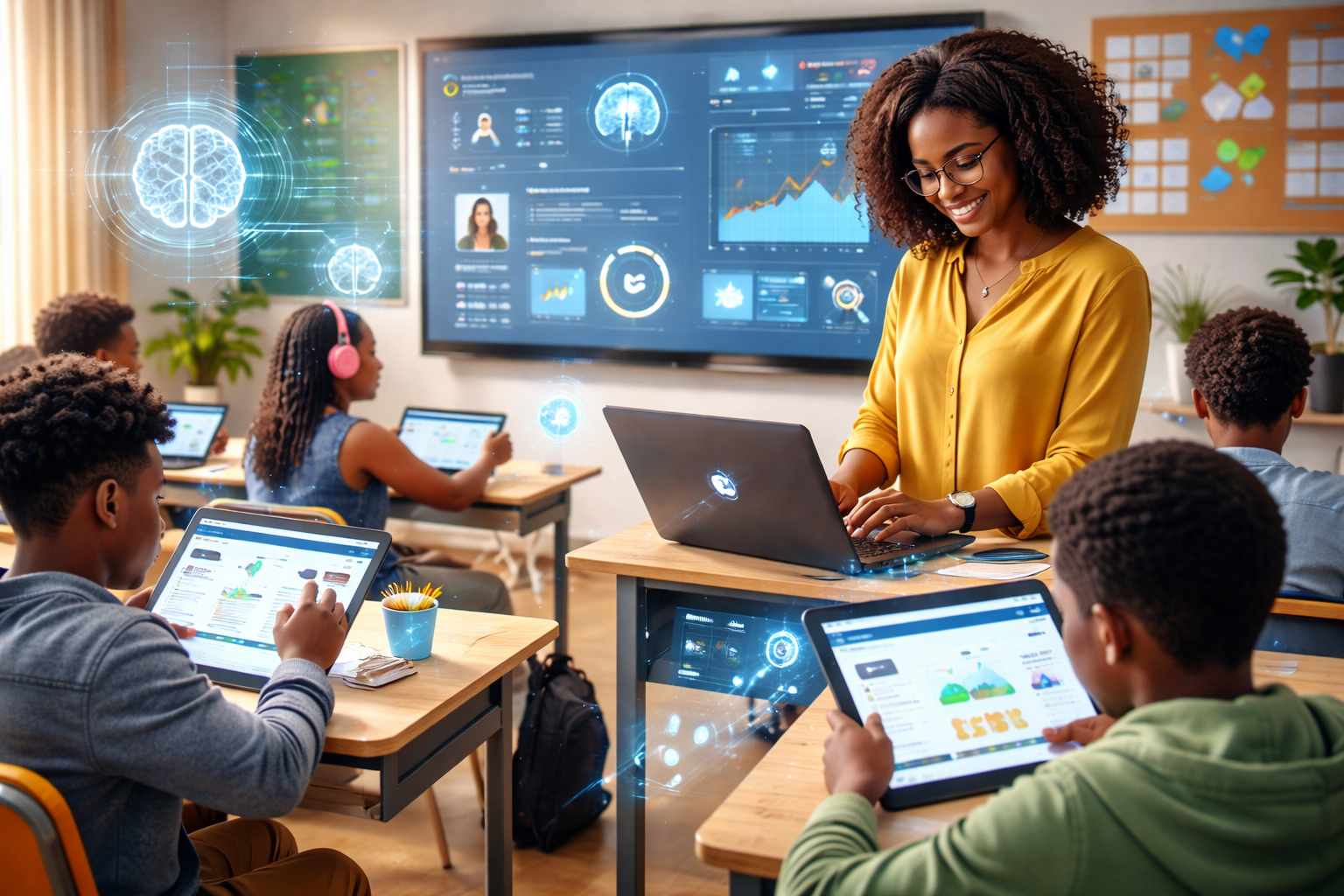
The digital age has brought tremendous disruption to education. Online learning platforms, mobile apps, and virtual classrooms make it possible for students to access courses from anywhere, often on flexible schedules. These technologies have introduced new models of learning—the self-paced course, micro-credentials, and AI tutors—that don’t require a physical classroom.
Recent comparisons between digital learning and traditional classroom education show significant gains in online student performance. According to a 2025 side-by-side comparison, students in structured online programs are reportedly performing 15–22% better on standardized assessments than their peers in traditional schools. (Bizcommunity) Online platforms leverage adaptive learning, personalized feedback, and engaging simulations — tools that traditional schooling often struggles to scale. (Bizcommunity)
Moreover, researchers note that the flexibility of digital education provides strong incentives for non-traditional learners — adults, working parents, and students in remote areas — to pursue continuous learning. (Enter to Study) UNESCO also warns, however, that unequal access to reliable internet, devices, and quality digital content may widen education inequality if not addressed. (UNESCO)
The Core Strengths of Traditional Schooling
1. Social and Interpersonal Development
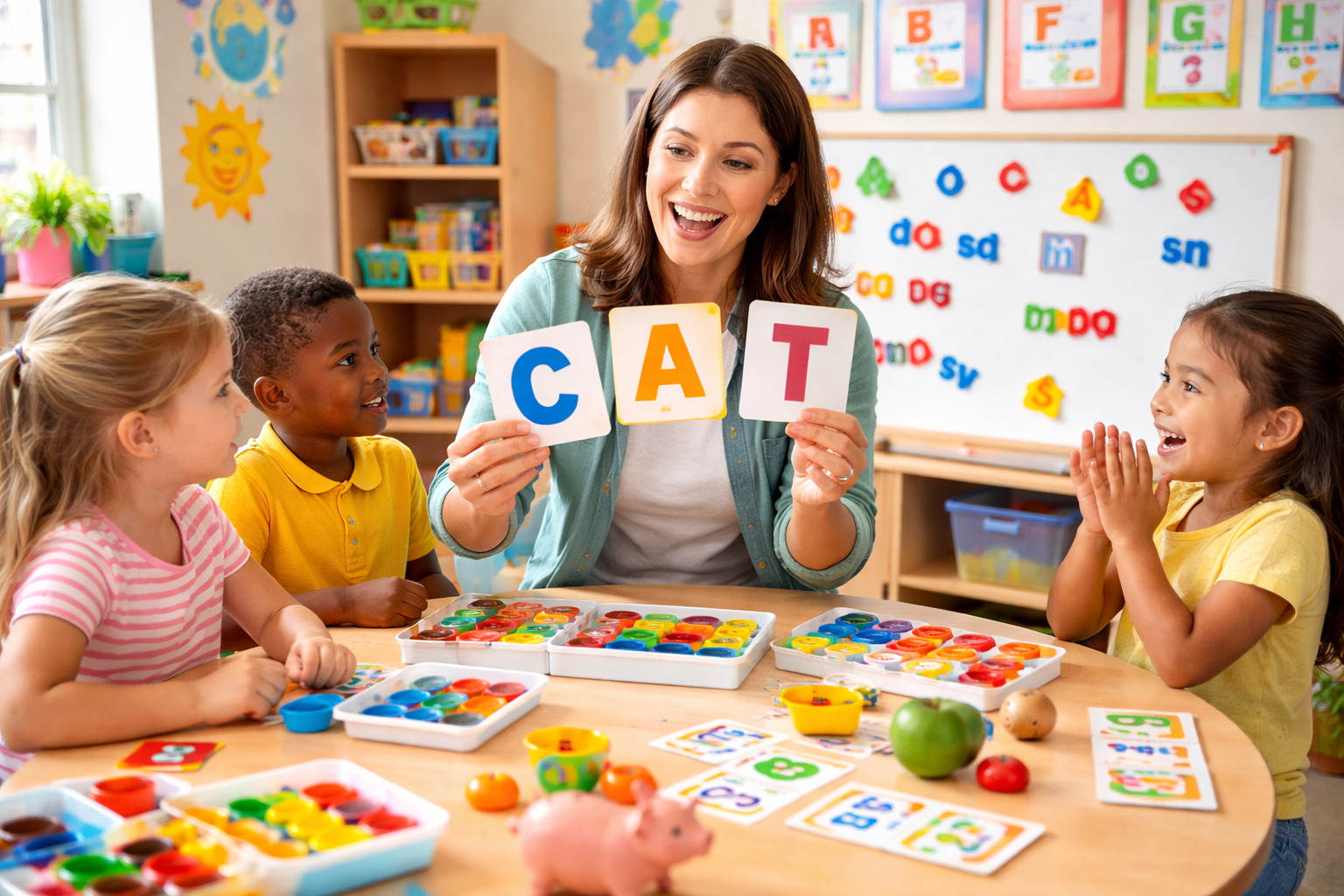
One of the most compelling arguments for traditional schooling is its role in fostering social skills. In physical classrooms, students engage in face-to-face discussions, group work, presentations, and extracurricular activities. These experiences help build communication skills, teamwork, and leadership—competencies that remain critical in the workplace and in civic life. (Education World Wide)
2. Structured Learning Environment
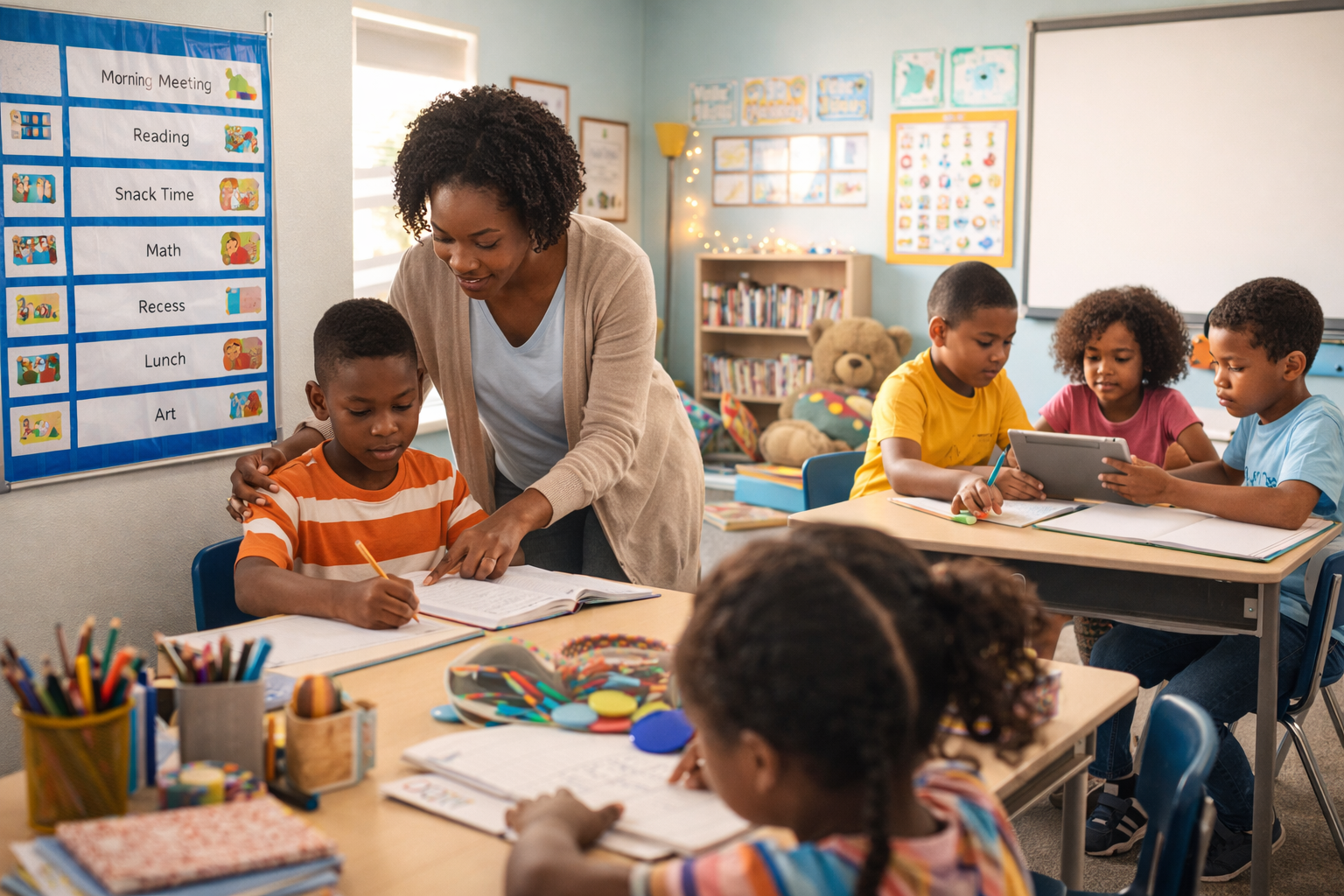
Traditional schools provide a well-defined structure. With fixed schedules, a standardized curriculum, and direct teacher supervision, they offer consistency, routine, and accountability. This structure helps many students stay focused, complete assignments on time, and benefit from regular feedback. (Education World Wide)
3. Quality of Teaching and Expertise
Experienced teachers in a classroom bring more than just subject knowledge — they offer mentorship, immediate feedback, and nuanced guidance. In-person educators can spot misunderstandings, adapt to students’ emotional states, and provide the human connection that many learners crave.
4. Equalizing Opportunity (in Some Contexts)
Traditional schooling remains a powerful equalizer in places where digital infrastructure is lacking. In regions with limited internet access or weak digital literacy, schools offer stable access to education. In fact, global reports show that many primary schools, especially in low-income countries, still have limited connectivity. (UNESCO)
5. Holistic Development
Schooling is not just about academics. Traditional schools provide a holistic education — physical education, arts, sports, social events, moral education, and more. These elements contribute to personal growth in ways that purely digital education may struggle to replicate fully.
What the Research Says: Digital vs Traditional — Pros and Cons
Comparative Studies and Learning Outcomes
A 2024 study from the International Academic Journal of Education & Literature comparing traditional classroom teaching with online learning in middle schools found nuances in effectiveness. While online learning offers certain advantages, the study also highlighted that traditional schooling continues to support content-understanding in ways that online-only formats might not fully replicate. (IAR Consortium)
Another 2024-2025 research on digital tools versus traditional teaching methods examined how digital tools improve student performance in mathematics. The results showed a 24.2% improvement in test scores for students using interactive digital tools, compared with about 8.3% for those using traditional worksheets. (arXiv) This suggests that digital tools can dramatically support learning, but they may be more effective when integrated with physical teaching environments.
A study from 2023 published in the Global Educational Studies Review analyzed student performance and satisfaction between online platforms and traditional classrooms. It found that while online platforms excel at self-paced learning and flexibility, many learners still preferred traditional classrooms for the immediate feedback, teacher interaction, and social experience. (GESR Journal)
Equity, Access, and the Digital Divide
UNESCO’s investigation into digital learning revealed significant inequities: fewer than half of primary schools globally are reliably connected to the internet. (UNESCO) These disparities mean that a shift toward exclusively digital learning risks leaving behind students in under-resourced or rural communities. Access remains a critical factor in whether digital education can truly replace traditional schooling — or if both must coexist.
Lifelong Learning and Flexibility
UNESCO’s 2023 report on lifelong learning highlights that education is no longer confined to youth — digital technologies make it possible to learn throughout life. (UNESCO Documentation) But traditional schooling still holds a central place in foundational education and in building the social framework for continued learning.
Challenges Facing Traditional Schooling in the Digital Era
- Rigid Structures
Traditional schooling often struggles with flexibility. Fixed timetables, rigid curricula, and standardized tests can make it difficult to adapt to individual learners’ pace and needs — something digital models are better suited for. - Cost and Resource Constraints
Operating physical schools requires significant infrastructure, maintenance, and human resources. For many countries and school systems, this creates a challenge in scaling quality education affordably and equitably. - Technology Integration
Although many traditional schools have adopted digital tools (e.g., smartboards, educational software), they may lack the pedagogical capacity to leverage these tools fully. Without teacher training and curriculum redesign, technology may not add value, or worse, distract. - Institutional Resistance to Change
Education systems are often bureaucratic. Change can be slow, and educational traditions are deeply embedded. Some schools struggle to innovate or adopt hybrid or digital models because of entrenched administrative and cultural barriers.
How Traditional Schooling Can Evolve to Stay Relevant
To remain relevant in the digital age, traditional schooling must adapt — combining its strengths with the flexibility and innovation of digital learning. Here are some ways this can happen:
1. Adopt Hybrid and Blended Learning Models
By merging physical classrooms with online components, schools can deliver a hybrid model that leverages the best of both worlds. Students can benefit from face-to-face interaction while also gaining access to personalized, digital content that reinforces or supplements in-class learning.
2. Invest in Teacher Training for Digital Pedagogy
Teachers need professional development to integrate digital tools effectively. Training should focus not just on how to use technology, but also on how to design interactive, student-centered lessons and assess learning in new ways.
3. Prioritize Digital Equity and Access
For traditional schools to stay relevant, they must also help close the digital divide. This involves investing in internet connectivity, providing devices where needed, and creating partnerships to supply open educational resources (OER). Educational policymakers should ensure that all students can benefit from both in-person schooling and digital learning opportunities. UNESCO’s advocacy in this area remains vital. (UNESCO)
4. Revise Assessment and Curriculum Models
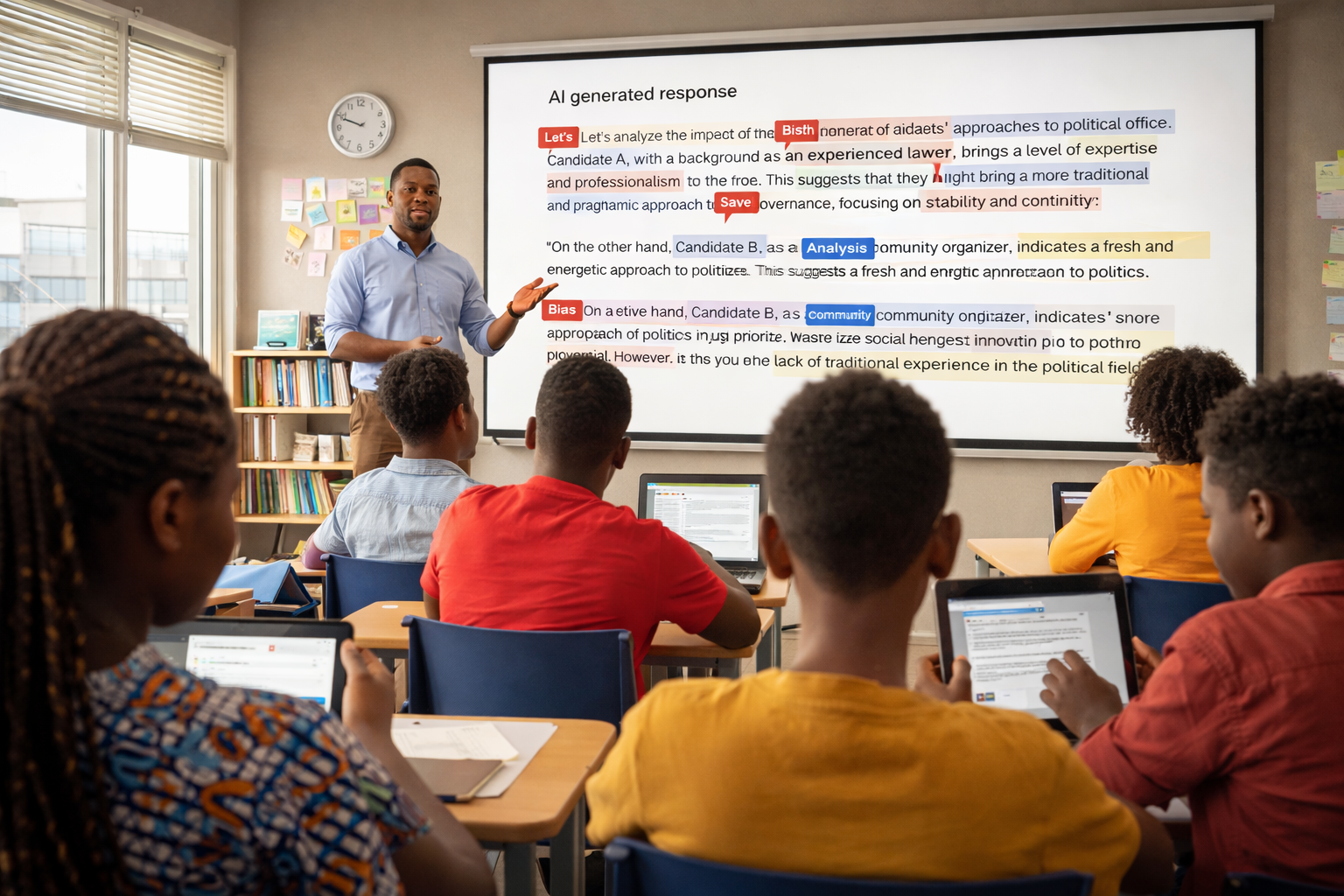
Rather than rely solely on end-of-term exams and standardized testing, schools can adopt alternative assessments — project-based learning, portfolio assessments, and digital simulations. Curricula can be revised to include digital literacy, critical thinking, AI awareness, and other future-ready competencies.
5. Strengthen Social and Emotional Learning (SEL)
Traditional schooling holds an edge in building social capital. Schools should double down on social–emotional learning, collaboration, and interpersonal experiences. These are not only important for personal development but also for mental health and lifelong success.
6. Encourage Lifelong Learning Mindset
Traditional schools can help cultivate a culture of lifelong learning — by promoting continuous skill development, offering evening or weekend programs, micro-credentials, and pathways to further education. Aligning schooling more closely with adult education frameworks ensures students see their educational journey as ongoing.
Is Traditional Schooling Still Relevant? The Verdict
Yes — traditional schooling remains deeply relevant in the digital age, but not in its old “business-as-usual” form. Its value lies in:
- Social development and interpersonal learning
- Structured environments that support accountability and mentorship
- Equalizing opportunities in contexts where digital access is limited
- Providing holistic education beyond just academic content
However, traditional schooling must evolve. The future of education is not a binary choice between “in-person or online.” Rather, hybrid models, digitally enriched curricula, and inclusive access will define the most effective systems.
In many ways, the best education systems will blend the strengths of both — using technology to personalize learning at scale while preserving the human connection, structure, and community that only in-person schooling can offer.
Looking Ahead: What Policymakers, Educators, and Parents Should Do
- Policymakers
- Prioritize investment in digital infrastructure for schools.
- Create policy frameworks that support blended learning, teacher training, and equity.
- Encourage research on hybrid models and alternative assessments.
- School Leaders & Teachers
- Embed digital literacy and future-ready skills into the curriculum.
- Facilitate professional development in technology integration and hybrid pedagogy.
- Strengthen social-emotional learning and peer collaboration.
- Parents & Students
- Advocate for schools to adopt hybrid models.
- Encourage conversation around digital access and investment in devices.
- Embrace lifelong learning by exploring micro-credentials, evening classes, or online courses in addition to school.
Conclusion
The digital age has sparked a profound rethinking of how we learn. While traditional schooling faces pressure from online platforms, it remains a cornerstone of education due to its social, structural, and developmental strengths. But relevance in the 21st century demands that it adapt.
By combining the best parts of online learning — personalization, flexibility, digital literacy — with the enduring benefits of in-person education — community, mentorship, structure — traditional schooling can not only survive but thrive. The future of education will not be the triumph of digital over analog, but a thoughtful fusion of both.
Traditional schooling still matters — and, with the right reforms, it can continue to shape well-rounded, capable, and connected learners in a rapidly changing world.