







In today’s rapidly evolving world, fostering a strong foundation in science, technology, engineering, and mathematics (STEM) is no longer optional—it’s essential. STEM learning equips children with critical thinking, creativity, and problem-solving skills that serve them both in school and throughout life. Yet, many young learners face barriers to fully engaging with these subjects, whether due to a lack of resources, limited representation, or environments that don’t actively nurture curiosity.
Transforming classrooms and homes into places where all children can confidently explore STEM concepts helps close opportunity gaps and inspires the next generation of innovators. This article explores strategies educators and caregivers can use to create equitable, engaging, and supportive STEM learning spaces that resonate with diverse young minds.
Why a Nurturing STEM Environment Matters
STEM education isn’t just about memorizing formulas and facts; it’s about building habits of mind that enable children to question, experiment, and investigate. These skills—critical thinking, creativity, collaboration, and communication—are universally valuable and help young learners navigate challenges both inside and outside the classroom.
However, many students struggle to see themselves reflected in STEM roles or feel that these fields are “not for people like me.” These perceptions often stem from limited exposure to diverse role models, a lack of relevant resources, or learning settings that don’t support all learners equally.
Highlighting Diverse Role Models in STEM
Children need to imagine themselves as future scientists, engineers, and tech leaders. When learners see people from different backgrounds succeeding in STEM, it broadens their sense of possibility. Integrating stories, profiles, and examples of diverse professionals helps students connect STEM concepts with real people who look like them and share their experiences.
What this might look like in practice:
- Include books, videos, and classroom discussions featuring engineers, scientists, and tech innovators from varied backgrounds.
- Celebrate contributions from women and underrepresented groups in STEM fields to help shift perceptions early.
Encouraging Hands-On, Learner-Led Exploration
Active learning shifts the focus from passive listening to doing—where students design experiments, test ideas, and solve real problems. This approach deepens understanding and builds confidence because learners experience concepts rather than just hearing about them.
Strategies for Active Learning
- Project-Based Challenges: Encourage students to work on projects that require planning, investigation, and iteration.
- Student-Directed Inquiry: Ask learners to pose questions and design ways to explore answers.
- Use Inquiry Frameworks: Resources like student project frameworks help structure hands-on exploration while allowing flexibility.
Even simple activities—like exploring properties of materials or planning a small engineering challenge—can spark excitement and ownership of learning.
Fostering Inclusive Learning Spaces
A supportive STEM environment ensures every child feels safe to ask questions, make mistakes, and engage with curiosity. Inclusivity is more than a classroom rule; it’s a mindset that values diverse perspectives and learning styles.
Effective practices include:
- Encouraging open dialogue and allowing students to take intellectual risks.
- Connecting lessons to students’ interests, communities, and everyday experiences.
When children see how STEM relates to their lives, motivation increases and concepts become more meaningful.
Reducing Educator Load with Ready-Made Tools
Teachers are often stretched thin, balancing lesson planning, classroom management, and varied student needs. Using established STEM teaching resources can help reduce preparation time while maintaining engagement and impact.
Helpful tools include:
- Pre-designed activity kits that align with age-appropriate STEM concepts.
- Online libraries of interactive challenges and project guides.
These resources provide structured activities that still allow students to lead and explore.
Adapting STEM for All Learners
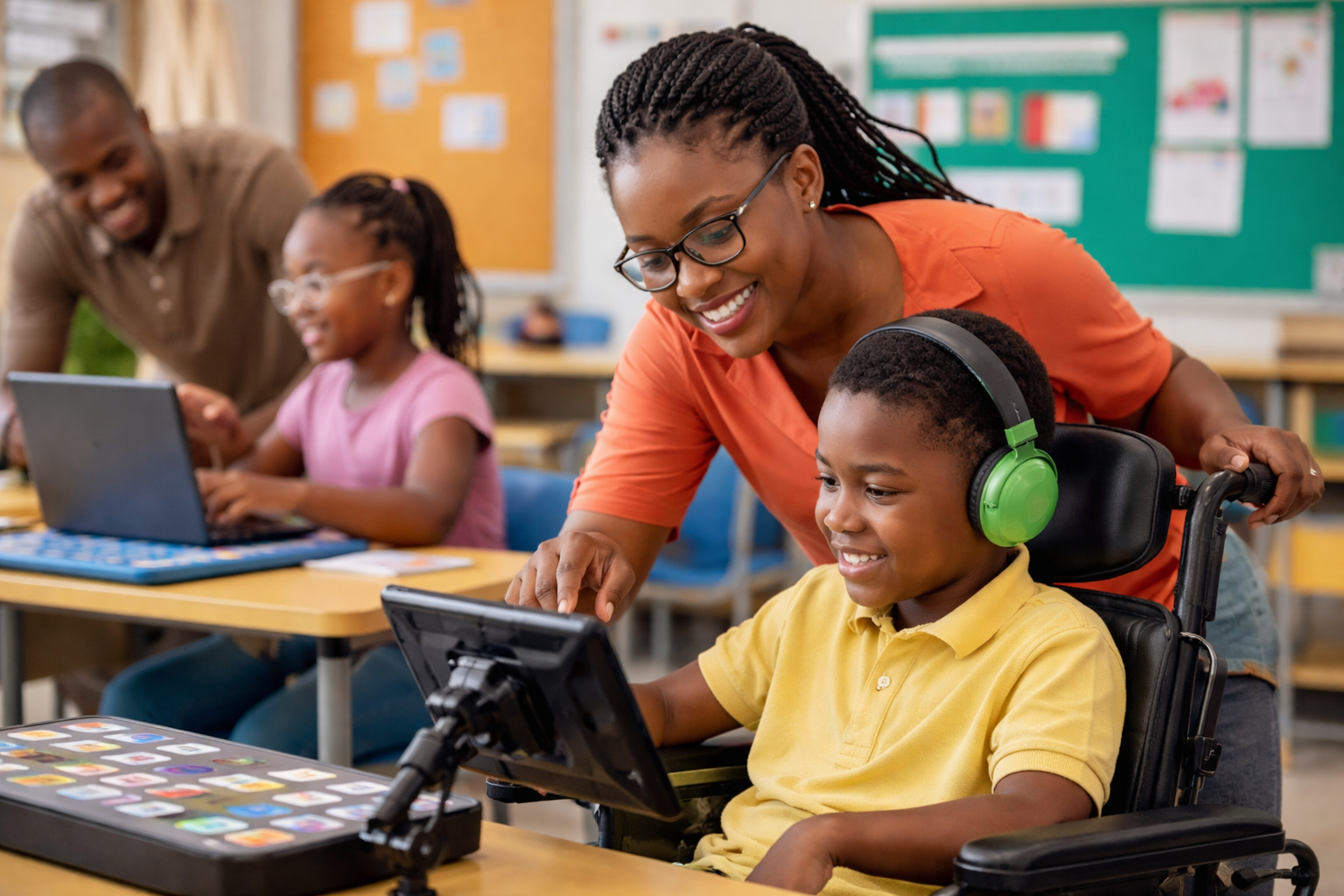
STEM classrooms must adapt to support learners with diverse educational needs, including students with special educational needs and disabilities (SEND). Thoughtful adjustments—like breaking tasks down into manageable steps or offering sensory-friendly materials—help ensure meaningful participation for all.
Adaptation ideas:
- Modify activities to suit different learning preferences.
- Provide alternative materials and pacing options.
- Use visual supports and hands-on tools to reinforce concepts.
Inclusive adaptations not only benefit students with specific needs but often enhance learning for everyone.
Extending STEM Beyond the Classroom
While classroom learning is critical, STEM education thrives when reinforced at home and in the community. Everyday environments—homes, community centers, parks—are rich sources for STEM learning when caregivers intentionally connect daily experiences to science and math concepts.
For example:
- домашних experiments (like simple chemistry with baking soda and vinegar)
- measuring while cooking to introduce math concepts
- discussing how household gadgets work to explore technology principles
These everyday engagement opportunities nurture curiosity and reinforce that STEM isn’t confined to textbooks or labs. (Smart Parenting In Nigeria)
The Broader Impact: Long-Term Benefits of STEM Engagement
Research shows that early, positive experiences with STEM build confidence and help shape future aspirations. When students feel capable and connected to STEM learning, they are more likely to pursue advanced study and careers in these fields.
STEM education also supports a broader range of transferable skills—creative problem-solving, collaboration, and resilience—that benefit learners in every discipline and throughout life. (en.stemsmart.net)
Conclusion
Empowering every young learner to engage with STEM begins with intentional environments that value curiosity, inclusion, and real-world relevance. By showcasing diverse role models, providing interactive learning experiences, supporting all learners’ needs, and leveraging both classroom and home environments, educators and caregivers can help children build confidence and competence in STEM. When learning spaces become welcoming and reflective of all students, we open doors for future innovators, thinkers, and leaders across every community.
Creating these conditions isn’t just beneficial—it’s transformative for children and for the society they will shape tomorrow.