







Science is everywhere—in the kitchen, the backyard, the sky, and even in the questions children ask every day. For a 7-year-old, science is not a school subject filled with definitions and formulas; it is a way of understanding the world through curiosity and imagination. When explained correctly, science can become one of the most enjoyable and meaningful conversations you have with a child.
This guide explains how to introduce scientific ideas to a 7-year-old in a way that feels natural, engaging, and easy to understand. Whether you are a parent, teacher, or caregiver, the goal is not to make a child memorize facts but to help them think, ask questions, and enjoy learning.
Understanding How a 7-Year-Old Thinks
Before explaining science, it helps to understand how children at this age process information.
At seven years old, children:
- Think concretely rather than abstractly
- Learn best through stories, visuals, and hands-on activities
- Ask “why” questions frequently
- Understand simple cause-and-effect relationships
- Have short attention spans but strong curiosity
This means complex theories and technical terms can easily confuse them. However, they are excellent at grasping ideas when those ideas are connected to things they already know.
Start With Everyday Experiences
The easiest way to explain science is to connect it to daily life. Children learn faster when new ideas feel familiar.
For example:
- Cooking becomes a lesson about heat and changes in matter
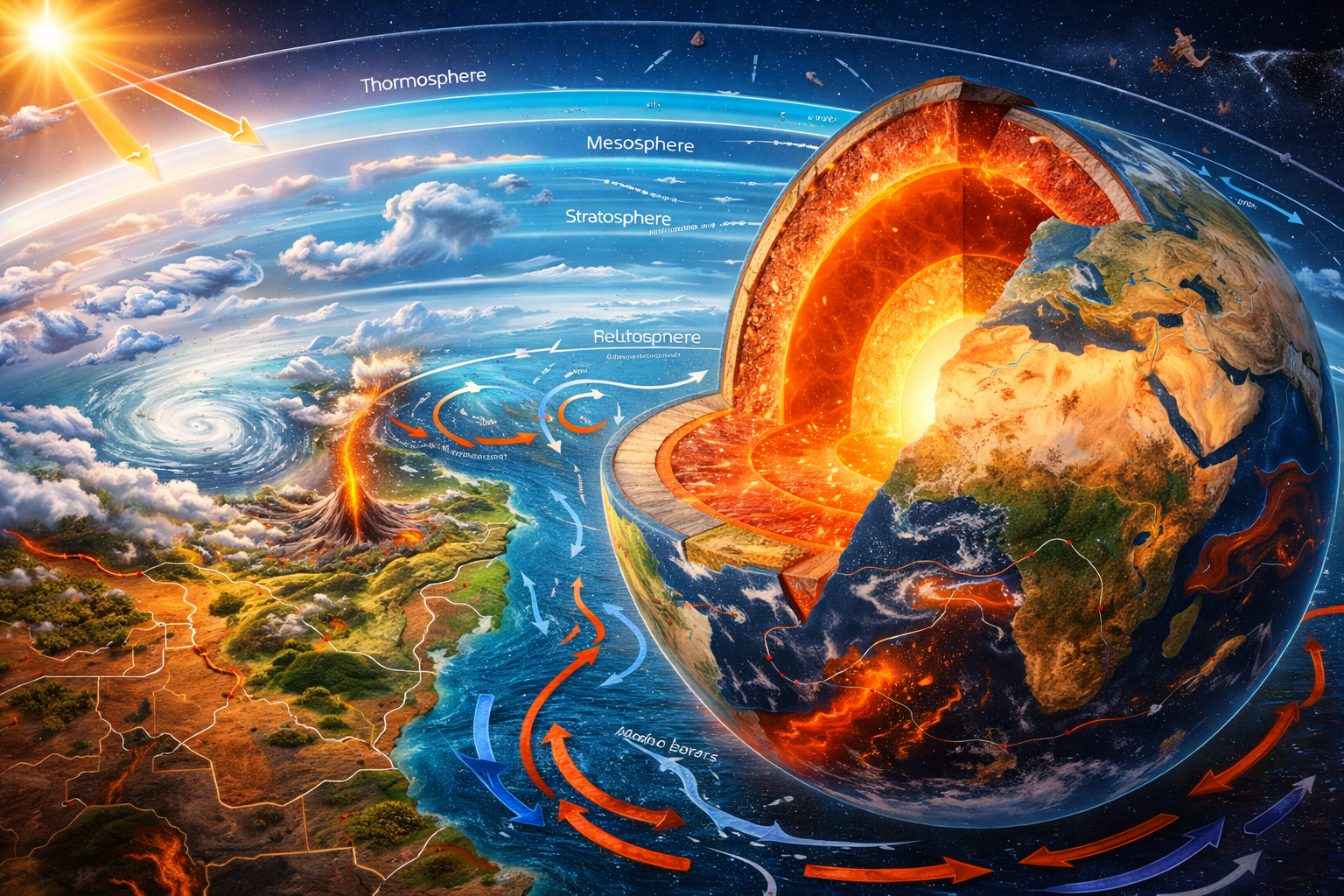
- Rain introduces concepts like clouds and water cycles
- Shadows help explain light and the movement of the sun
- Plants growing in the yard can introduce life science
Instead of starting with definitions, start with observations. Ask questions like:
- “What do you think will happen if…?”
- “Have you noticed why this works this way?”
- “Why do you think that changed?”
This approach turns science into a conversation rather than a lecture.
Use Simple Language Without Oversimplifying
You do not need advanced vocabulary to explain scientific ideas. Simple words are enough—as long as the meaning stays accurate.
Instead of saying:
“Photosynthesis is the biochemical process by which plants convert light energy into chemical energy.”
You could say:
“Plants use sunlight to make their own food, just like we use food to get energy.”
The key is clarity, not complexity. Avoid jargon unless the child asks about it, and when they do, explain it in plain terms.
Turn Science Into Stories
Children naturally respond to storytelling. Framing science concepts as stories helps them remember and understand better.
For instance:
- Electricity can be explained as tiny helpers carrying energy through wires
- The heart can be described as a strong pump moving blood around the body
- The sun can be introduced as a giant star that helps life grow on Earth
Stories make abstract ideas feel alive and relatable. They also give children mental images they can easily recall later.
Encourage Questions—Even If You Don’t Have All the Answers
A curious child will ask many questions, some of which may surprise you. You don’t need to know everything to teach science effectively.
If you don’t know the answer:
- Admit it honestly
- Suggest finding the answer together
- Use books, simple videos, or experiments to explore
This shows children that learning is a process and that it’s okay not to know everything. It also builds trust and models lifelong learning.
Use Hands-On Activities and Experiments
Science becomes exciting when children can see and touch it. Simple experiments help ideas stick.
Some easy activities include:
- Mixing baking soda and vinegar to show chemical reactions
- Growing beans in a cup to observe plant growth
- Using a magnet to explore attraction and repulsion
- Floating and sinking objects in water to learn about density
Hands-on learning:
- Improves understanding
- Builds confidence
- Makes science fun instead of intimidating
You don’t need special equipment—many experiments can be done with household items.
Break Big Ideas Into Small Pieces
Large scientific concepts can overwhelm young learners. The solution is to introduce them step by step.
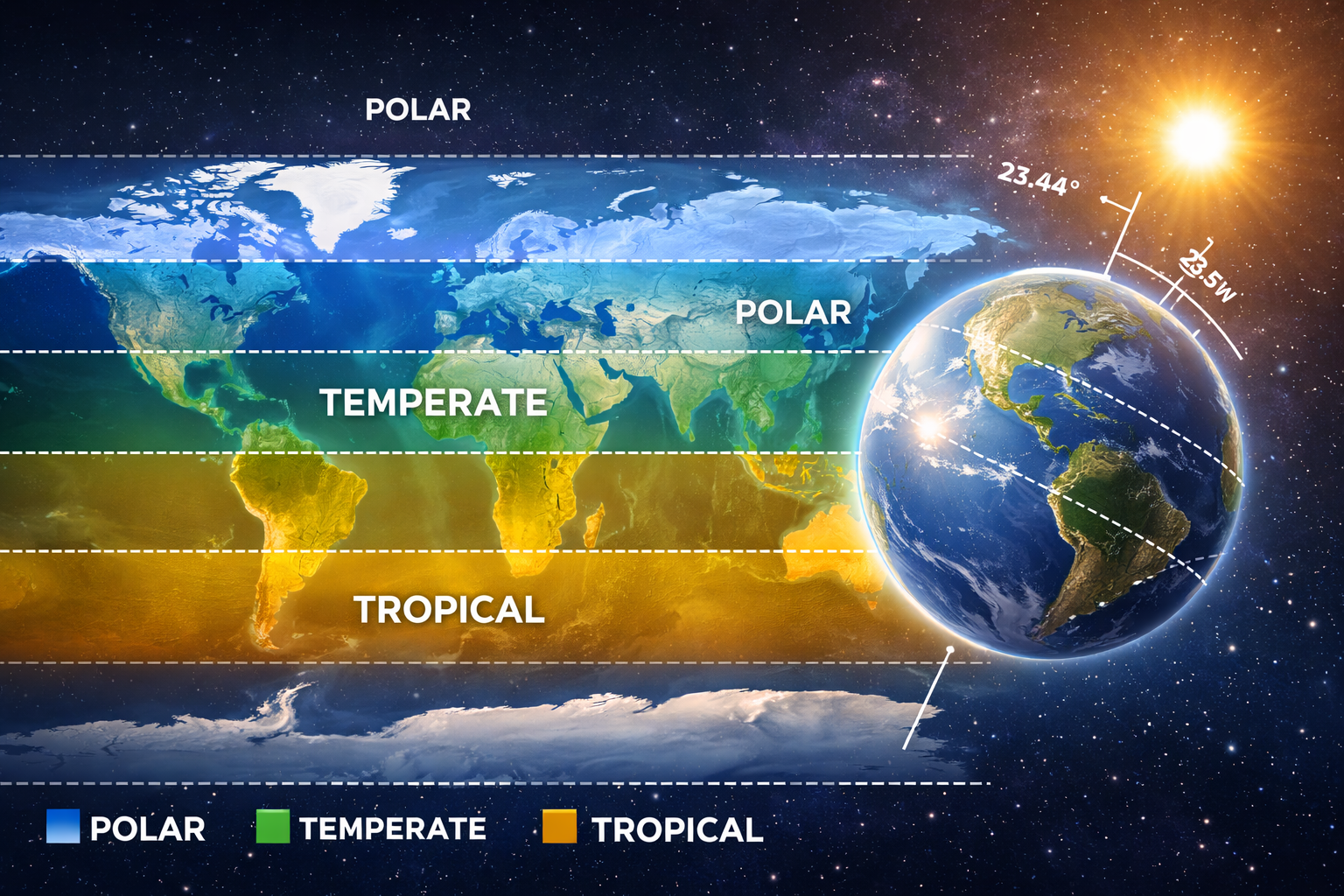
For example, instead of explaining “climate” all at once:
- Start with weather
- Talk about sunny and rainy days
- Explain seasons
- Gradually introduce long-term weather patterns
Each small piece builds toward a bigger understanding without causing confusion.
Use Visual Aids Whenever Possible
Visual learning is powerful at this age. Pictures, drawings, diagrams, and physical objects help children understand faster.
Helpful visual tools include:
- Picture books
- Simple charts or drawings
- Educational videos designed for children
- Real-life objects (plants, rocks, toys)
If a child can see it, they are more likely to understand it.
Relate Science to Their Interests
Children learn best when the topic connects to something they already love.
If a child enjoys:
- Space → talk about planets and stars
- Animals → explain habitats and food chains
- Sports → discuss muscles, energy, and movement
- Building toys → introduce balance and structures
By linking science to their interests, learning feels exciting rather than forced.
Avoid Making Science Feel Like a Test
Science for young children should never feel like an exam. There is no need for pressure, correction, or perfection.
Instead:
- Praise curiosity and effort
- Let them explore ideas freely
- Avoid correcting every mistake immediately
Mistakes are part of learning. Often, children correct themselves naturally as they observe more.
Repeat Ideas in Different Ways
Repetition helps children remember, but repetition does not mean repeating the same explanation word for word.
You can:
- Explain an idea verbally
- Show it with a picture
- Demonstrate it with an activity
- Bring it up again in a different context
This strengthens understanding without boredom.
Be Patient and Positive
Some concepts take time to sink in. A child may not understand immediately—and that’s okay.
Stay patient:
- Allow them to think at their own pace
- Revisit topics later
- Keep explanations calm and encouraging
A positive experience with science at a young age builds confidence and interest that can last a lifetime.
Why Early Science Conversations Matter
Introducing science in a simple and enjoyable way helps children:
- Develop critical thinking skills
- Become comfortable asking questions
- Build problem-solving abilities
- Gain confidence in learning
More importantly, it teaches them that learning is not limited to classrooms—it happens everywhere.
Final Thoughts
Explaining science to a 7-year-old is not about teaching complex facts. It is about nurturing curiosity, encouraging questions, and helping them see the world with wonder and understanding.
By using everyday examples, simple language, stories, hands-on activities, and patience, you can turn science into an exciting part of a child’s daily life. When science feels approachable and fun, children are more likely to stay curious, confident, and eager to learn as they grow.
The most important lesson you can teach is this: asking questions is always a good thing—and the world is full of answers waiting to be discovered.