






In today’s fast-changing world, education is undergoing a profound transformation. What once depended mainly on chalkboards, textbooks, and fixed classroom hours is now evolving into a dynamic, technology-driven experience. Digital tools and platforms are reshaping how students learn, how teachers instruct, and how knowledge is shared—making education more personalized, engaging, and accessible to learners everywhere. This shift isn’t just about using gadgets; it’s about rethinking the very goals and methods of learning to meet the needs of the 21st-century learner.
The New Face of Learning: From One-Size-Fits-All to Personalized Instruction
Personalized Learning Powered by Intelligent Systems
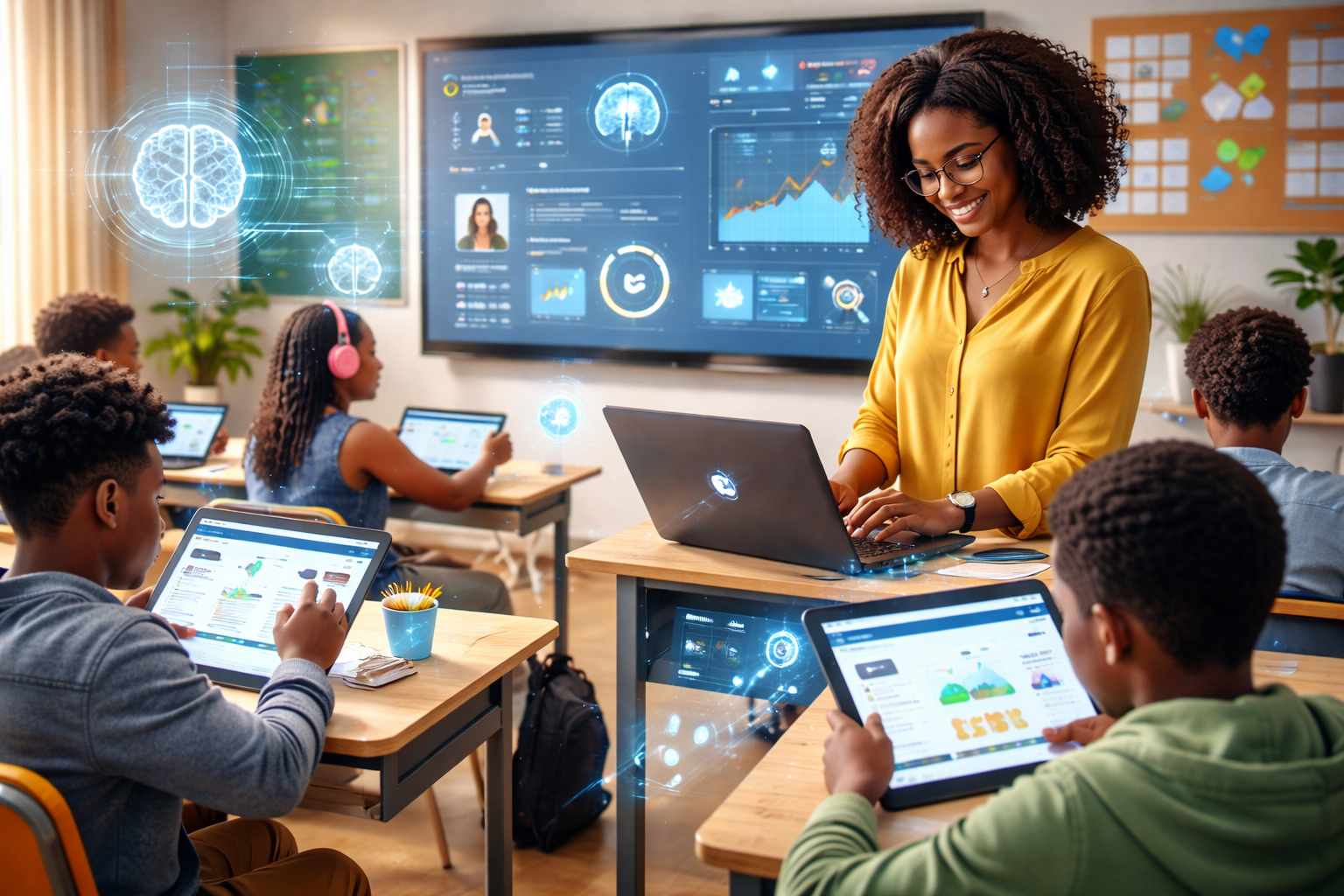
One of the most impactful ways technology is transforming education is by enabling personalized learning. Traditional classrooms often follow a uniform pace, challenging students who learn at different speeds. Today, adaptive learning platforms use artificial intelligence (AI) to tailor educational content to each individual’s needs. These systems analyze performance in real time and adjust lessons accordingly, helping learners focus on areas where they need the most support and avoid needless repetition. This ensures students spend their time efficiently and meaningfully.
Helping Teachers Teach Better
Far from replacing educators, these technologies augment their capabilities. AI-powered tools automate routine administrative tasks such as grading, attendance tracking, and progress reporting. This frees up valuable time for teachers to focus on mentoring, curriculum design, and interactive classroom activities. By acting as a teaching partner, technology enhances educators’ effectiveness.
Breaking Down Barriers: Accessibility and Flexibility
Online and Blended Learning
Digital platforms have expanded access to education beyond physical classrooms. Online courses and virtual classrooms enable learners to study from virtually anywhere—whether they’re located in remote areas or balancing work and family responsibilities. The COVID-19 pandemic accelerated this trend, demonstrating that distance learning platforms can support continuous education when traditional systems are disrupted.
Blended learning models, which combine in-person and online instruction, are also gaining traction, offering flexibility without compromising the benefits of face-to-face interaction.
Mobile Learning (M-Learning)
The rise of smartphones and tablets has made mobile learning (m-learning) a powerful tool for engagement. Learners can access educational content, complete assignments, and interact with peers on the go. This mobility eliminates geographical and time constraints that once limited learning opportunities, making education more inclusive and convenient for all ages.
Immersive Experiences: Transforming Engagement with VR and AR
Beyond Textbooks: Virtual and Augmented Reality
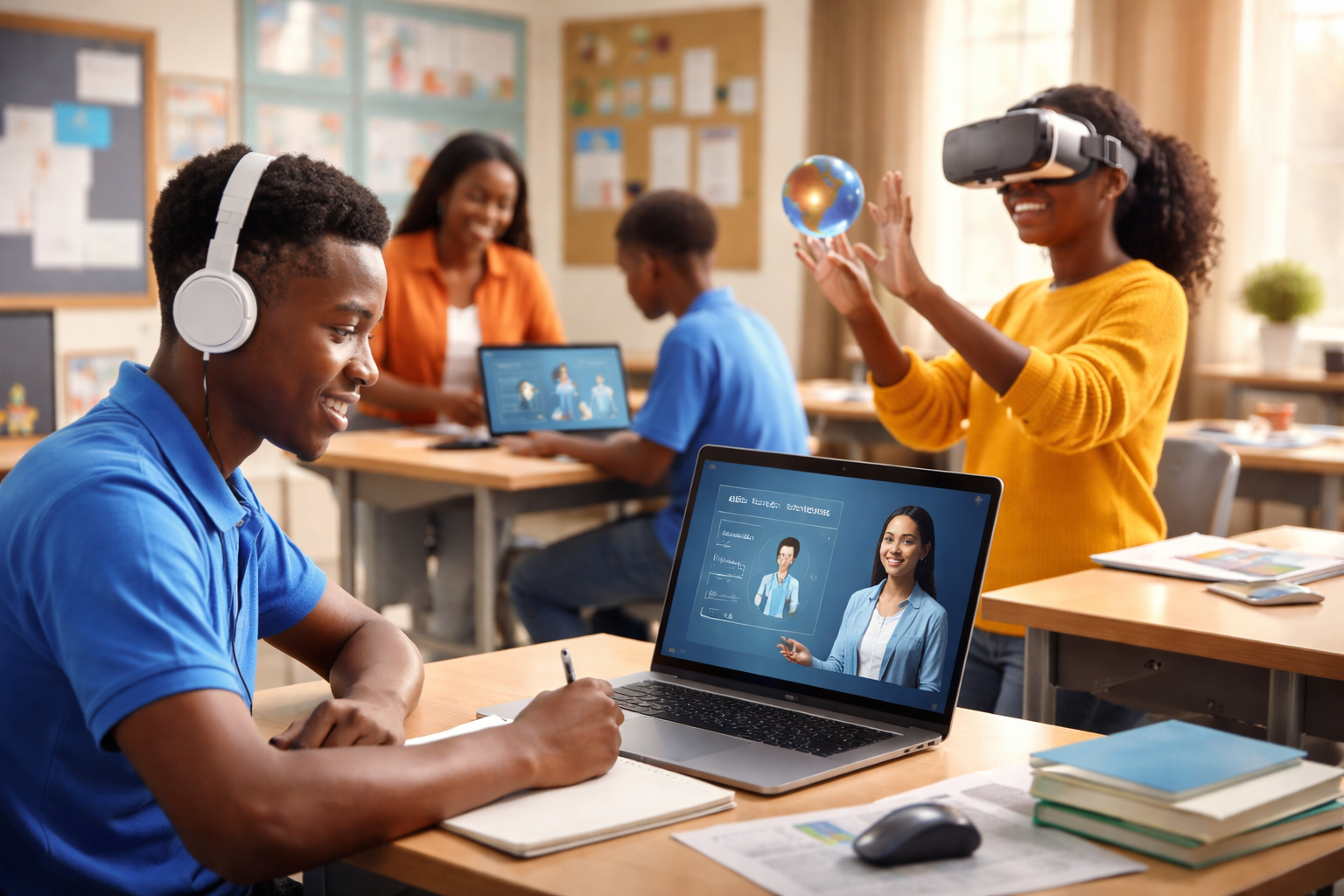
Technologies like virtual reality (VR) and augmented reality (AR) bring lessons to life by creating immersive learning environments. Students can explore historical sites, examine complex scientific phenomena, or practice skills in virtual labs—activities that were once limited to imagination or expensive field trips. These immersive experiences help deepen understanding and make abstract concepts tangible. (lurnable.com)
For example, a student studying ancient civilizations might “walk” through reconstructed ruins using VR, while a biology learner could interact with a virtual cell in 3D space—making learning both interactive and memorable.
Gamification for Motivation
Gamification—integrating game mechanics into learning—also boosts engagement. Points, badges, and progress tracking motivate students to participate actively, turning educational activities into more engaging experiences, especially for younger learners.
Collaboration, Communication, and Global Learning
Digital Tools for Connection
Technology fosters collaboration and communication. Tools such as discussion boards, shared online workspaces, and video conferencing allow students to work together across distances, exchange ideas, and solve problems collaboratively. This mirrors how teams operate in many modern workplaces and prepares learners for real-world challenges.
Global Access to Expertise
Online learning also opens doors to global expertise. Students can access lectures from international universities, participate in global study groups, and connect with peers from different cultures—expanding learning far beyond local classrooms.
Real-World Impact: Case Studies and Global Trends
Evidence-Based Gains
Research shows that students using adaptive digital tools often demonstrate significant learning improvements. Some programs yield learning gains equivalent to nearly two extra years of progress in less time, highlighting the potential of well-designed technology interventions.
National Innovation Initiatives
Countries around the world are actively integrating technology into education policy. For instance, equitable access to AI tools and digital infrastructure is becoming part of broader education reforms, aimed at equipping students with skills for tomorrow’s jobs. (The Guardian)
Challenges and Ethical Considerations
While technology offers immense benefits, it also presents challenges that require thoughtful solutions:
- Equity and Access: Not all students have equal access to devices or high-speed internet. Addressing this digital divide is essential to ensure inclusive benefits.
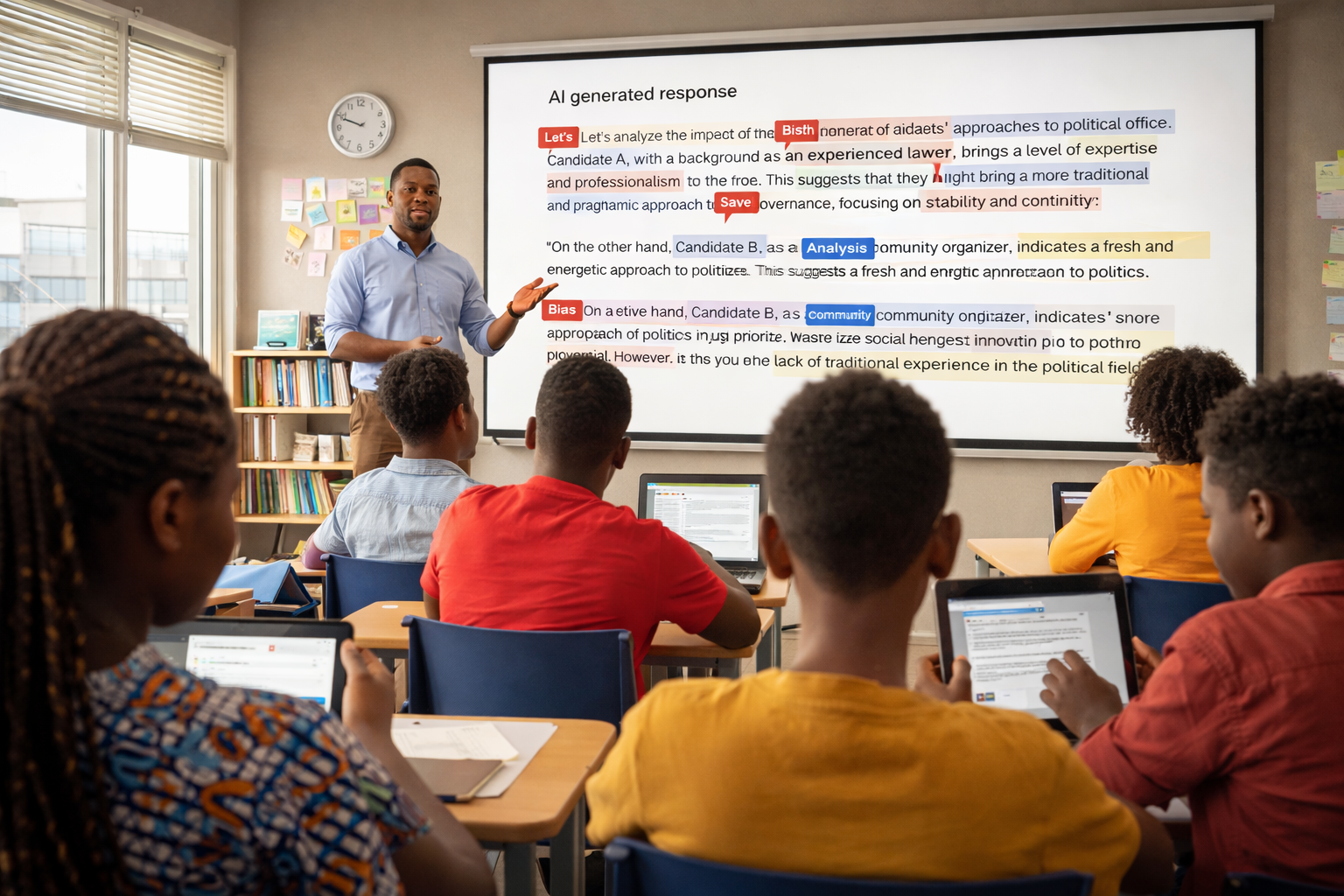
- Data Privacy: Digital tools collect sensitive learning data; safeguarding student information is critical to protect privacy.
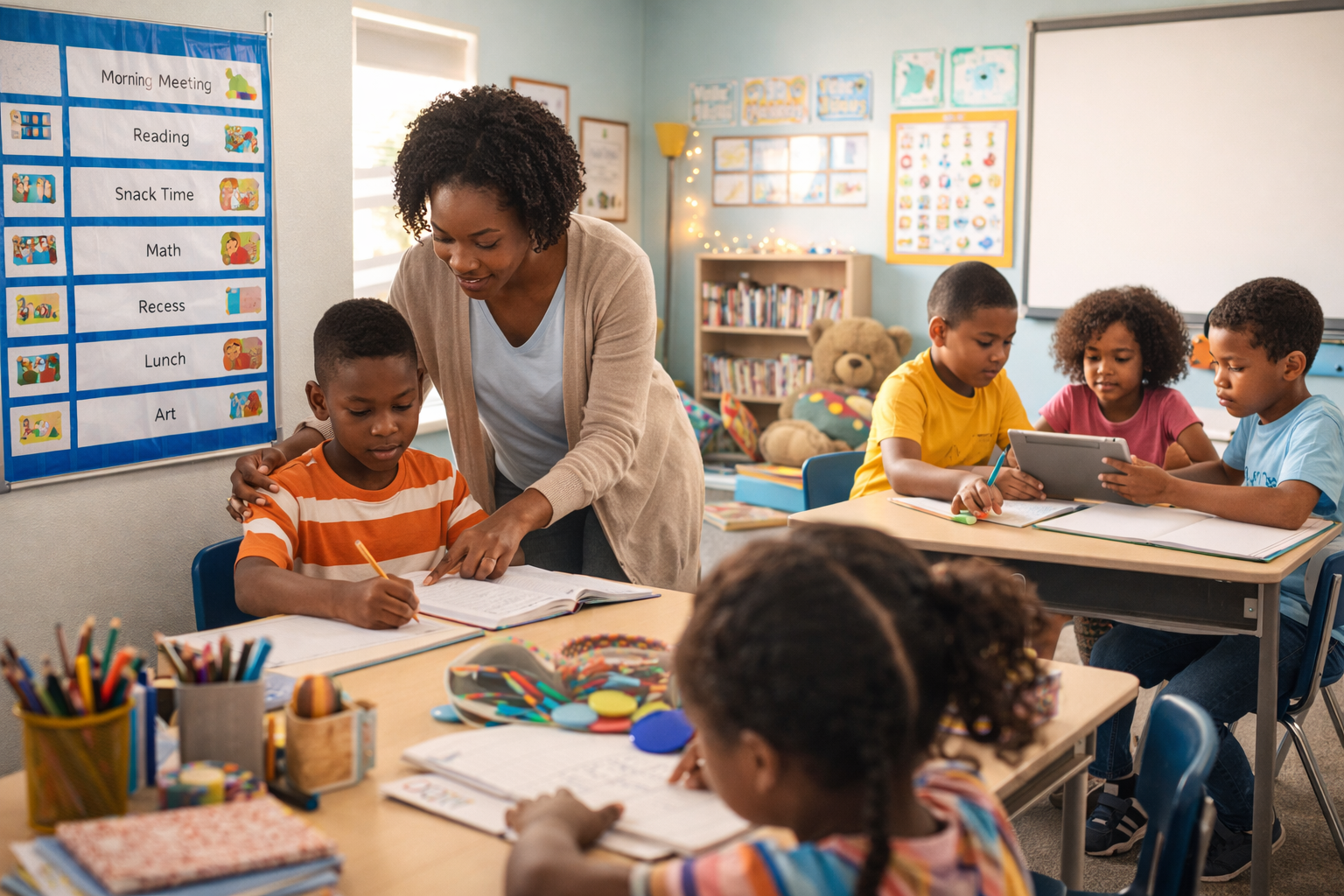
- Balancing Tech and Human Interaction: Technology should enhance—not replace—the vital role of teachers and human connection in learning.
Ensuring responsible use of technology involves robust policies, continuous teacher training, and ethical standards that prioritize student welfare and educational goals.
Conclusion
Technology is reshaping education in profound and lasting ways. From personalized learning with AI to immersive experiences powered by VR and global collaboration tools, digital innovations are enhancing how knowledge is acquired and shared. These changes are not just technological upgrades—they represent a shift toward more flexible, engaging, and learner-centered education systems that can adapt to diverse needs and evolving future demands.
However, realizing the full promise of technology in education requires equitable access, strong data protections, and a commitment to maintaining the human heart of learning. With thoughtful implementation, education can become more inclusive, effective, and exciting for learners around the world.