






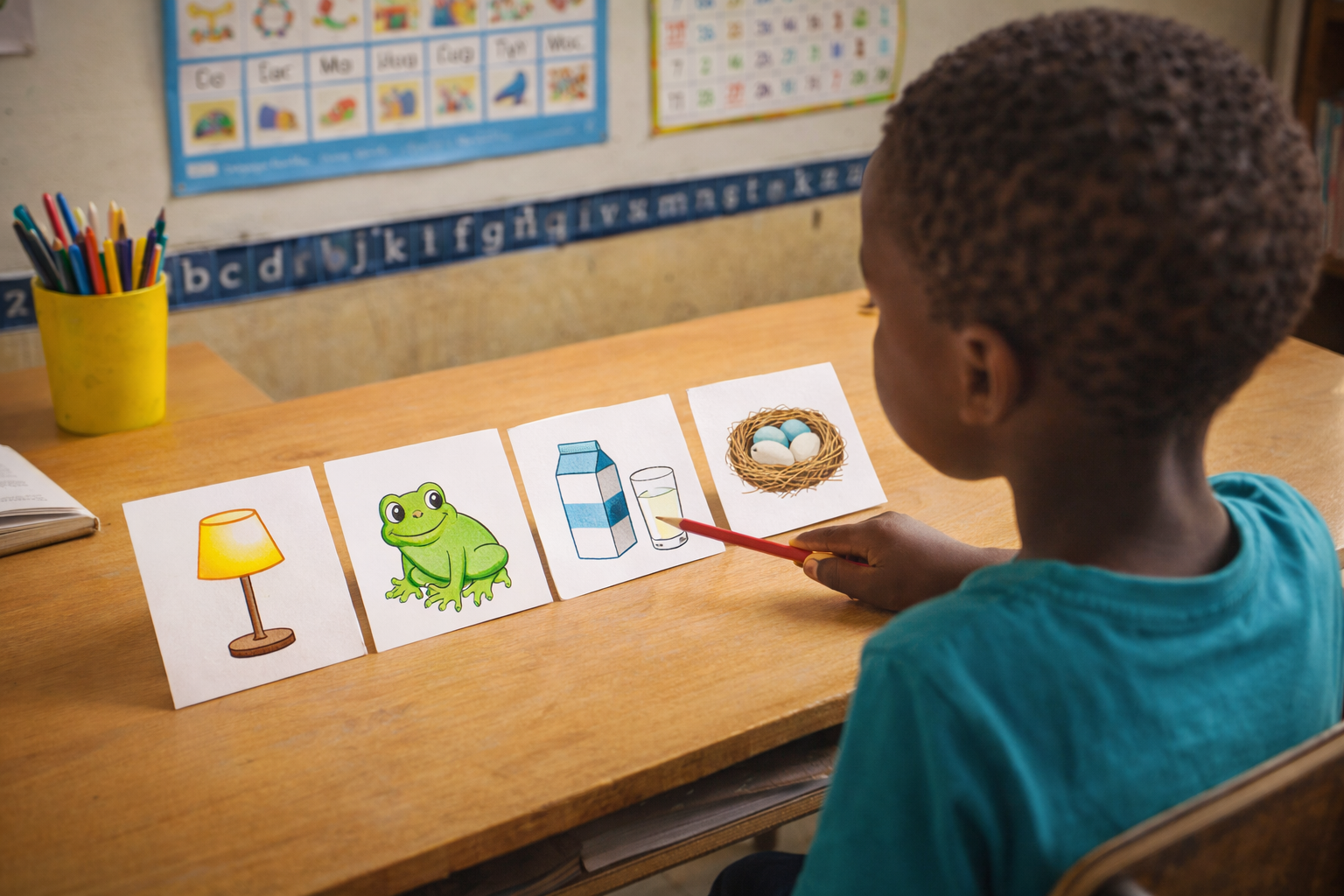




Learning to read is one of the most important milestones in a child’s education. Strong reading skills allow students to understand new ideas, succeed academically, and develop confidence in their learning abilities. Because reading is such a foundational skill, educators have spent decades researching the most effective ways to teach it.
One of the most widely supported approaches is phonics instruction—teaching children how letters and combinations of letters represent sounds in spoken language. Phonics helps students decode unfamiliar words, which is a critical step toward becoming fluent readers.
However, while research strongly supports phonics as a key component of early literacy instruction, educators and researchers continue to ask an important question: How much phonics instruction do students actually need?
The answer is not simply “as much as possible.” Instead, evidence suggests that phonics works best when it is part of a balanced and structured reading program that also develops vocabulary, comprehension, and meaningful engagement with texts.
What Phonics Instruction Involves
Phonics instruction focuses on helping children understand the relationship between letters and sounds. This knowledge allows students to break unfamiliar words into smaller sound units and blend those sounds together to read the word.
For example, when a child learns the sounds represented by the letters c, a, and t, they can combine those sounds to read the word cat. As students progress, they learn more complex sound patterns such as:
- sh as in ship
- ea as in team
- igh as in light
Effective phonics instruction typically includes:
- Learning individual letter sounds
- Blending sounds to read words
- Recognizing common spelling patterns
- Practicing decoding through reading activities
- Applying sound patterns when writing and spelling
These foundational skills allow children to understand how written language represents spoken language.
What Research Says About Phonics Instruction
Decades of research show that systematic phonics instruction improves early reading development.
One of the most influential studies on reading instruction was conducted by the National Reading Panel, which analyzed hundreds of research studies on literacy. The panel concluded that systematic phonics instruction significantly improves children’s word recognition, spelling, and reading comprehension, particularly in the early grades.
Similarly, the International Literacy Association emphasizes that phonics is a critical component of effective reading instruction when it is combined with other elements of literacy development such as vocabulary building and reading comprehension.
Cognitive scientists studying how the brain processes written language have reached similar conclusions. Research by Mark Seidenberg shows that learning sound-letter relationships helps children develop efficient decoding systems that allow them to recognize words quickly and automatically.
Together, these findings demonstrate that phonics plays an essential role in helping children become skilled readers.
Why Phonics Matters for Early Readers
Phonics provides several important benefits that support long-term literacy development.
1. Improved Word Recognition
Children who understand sound-letter relationships can decode unfamiliar words rather than guessing their meaning from context.
2. Better Spelling Skills
Because spelling and reading rely on similar sound patterns, phonics instruction helps students understand how words are constructed.
3. Increased Reading Confidence
When children can decode new words independently, they become more confident readers.
4. Stronger Reading Comprehension
Accurate word recognition allows students to focus on understanding the meaning of what they read rather than struggling to identify words.
These benefits explain why phonics is widely recognized as a key component of early reading instruction.
When Too Much Phonics Becomes a Problem
Although phonics is essential, it should not dominate the entire reading curriculum.
Some literacy researchers describe phonics as a “constrained skill.” Once students understand the core principles of sound-letter relationships, they can apply these skills automatically while reading. Literacy expert Timothy Shanahan notes that phonics instruction is most effective when it is explicit, systematic, and limited to the early stages of reading development.
If phonics instruction continues for too long or becomes overly repetitive, it can create several challenges:
- Reduced time for reading meaningful texts
- Limited vocabulary development
- Less opportunity to build comprehension skills
- Decreased student engagement
Phonics should therefore function as a foundation, not the entire structure of literacy instruction.
How Much Phonics Instruction Do Students Need?
Research suggests that short, consistent phonics lessons are most effective, especially during the early grades.
Many literacy specialists recommend 20–30 minutes of focused phonics instruction per day in kindergarten through second grade. This amount of time allows students to learn decoding strategies without taking away from other important literacy activities.
The remaining reading instruction time should include:
- Guided reading
- Vocabulary development
- Writing practice
- Reading comprehension discussions
- Independent reading
This balanced approach ensures that students develop both decoding skills and language comprehension.
Why Different Students Need Different Levels of Instruction
Not all children learn to read at the same pace. In a typical classroom, some students quickly master phonics patterns, while others require additional support and practice.
Students with reading difficulties, including Dyslexia, often benefit from more structured and repeated phonics instruction. Research from the Institute of Education Sciences shows that targeted small-group instruction can significantly improve reading outcomes for struggling readers.
At the same time, students who already understand basic phonics skills may benefit more from:
- Independent reading
- Writing activities
- Vocabulary development
- Critical thinking about texts
Effective reading instruction therefore requires flexibility and differentiated teaching strategies.
Practical Classroom Strategies for Teaching Phonics
Teachers can strengthen phonics instruction by combining structured lessons with meaningful reading experiences.
Some effective strategies include:
Explicit Phonics Instruction
Teach sound-letter relationships directly and demonstrate how they are used in real words.
Decodable Texts
Provide reading materials that allow students to practice newly learned phonics patterns.
Word Building Activities
Students manipulate letters to create different words.
Example:
- cat
- bat
- hat
- sat
Small-Group Instruction
Teachers can provide additional phonics practice for students who need extra support.
These strategies allow students to apply phonics knowledge while building reading confidence.
Example of an Effective Literacy Block
Many schools schedule a daily literacy block lasting between 90 and 120 minutes.
An example structure might look like this:
15 minutes — phonemic awareness activities
30 minutes — phonics instruction
25 minutes — guided reading
15 minutes — vocabulary development
15 minutes — independent reading
This balanced schedule allows students to develop both technical reading skills and deeper language understanding.
How Parents Can Support Phonics Learning at Home
Parents also play an important role in reinforcing reading skills.
Simple activities can strengthen phonics learning outside the classroom.
Read Together Every Day
Listening to fluent reading helps children learn pronunciation and rhythm.
Play Sound Games
Ask children to identify the first sound in words.
Example:
“What sound does dog start with?”
Practice Blending Sounds
Break words into individual sounds and ask children to blend them.
Example:
/c/ /a/ /t/ → cat
These activities make phonics practice engaging and reinforce classroom learning.
The Future of Reading Instruction
In recent years, many schools have adopted teaching methods based on what researchers call the science of reading. This approach combines insights from cognitive science, linguistics, and education research to understand how children learn to read.
Science-based reading instruction typically includes:
- systematic phonics instruction
- phonemic awareness development
- vocabulary building
- reading comprehension strategies
- frequent exposure to meaningful texts
This integrated approach reflects growing agreement among researchers that effective literacy instruction requires both foundational decoding skills and strong language development.
Conclusion
Phonics remains one of the most powerful tools for teaching children how to read. By helping students understand how letters represent sounds, phonics provides the foundation for decoding unfamiliar words and building reading fluency.
However, phonics alone is not enough. Once students understand basic sound-letter relationships, they benefit from spending more time reading meaningful texts, expanding their vocabulary, and developing deeper comprehension skills.
The most effective reading instruction strikes a balance. Phonics provides the essential starting point, while broader literacy experiences help students develop confidence, curiosity, and a lifelong love of reading.
When these elements work together, children gain the skills they need not only to read—but to understand, explore, and enjoy the world of written language.