




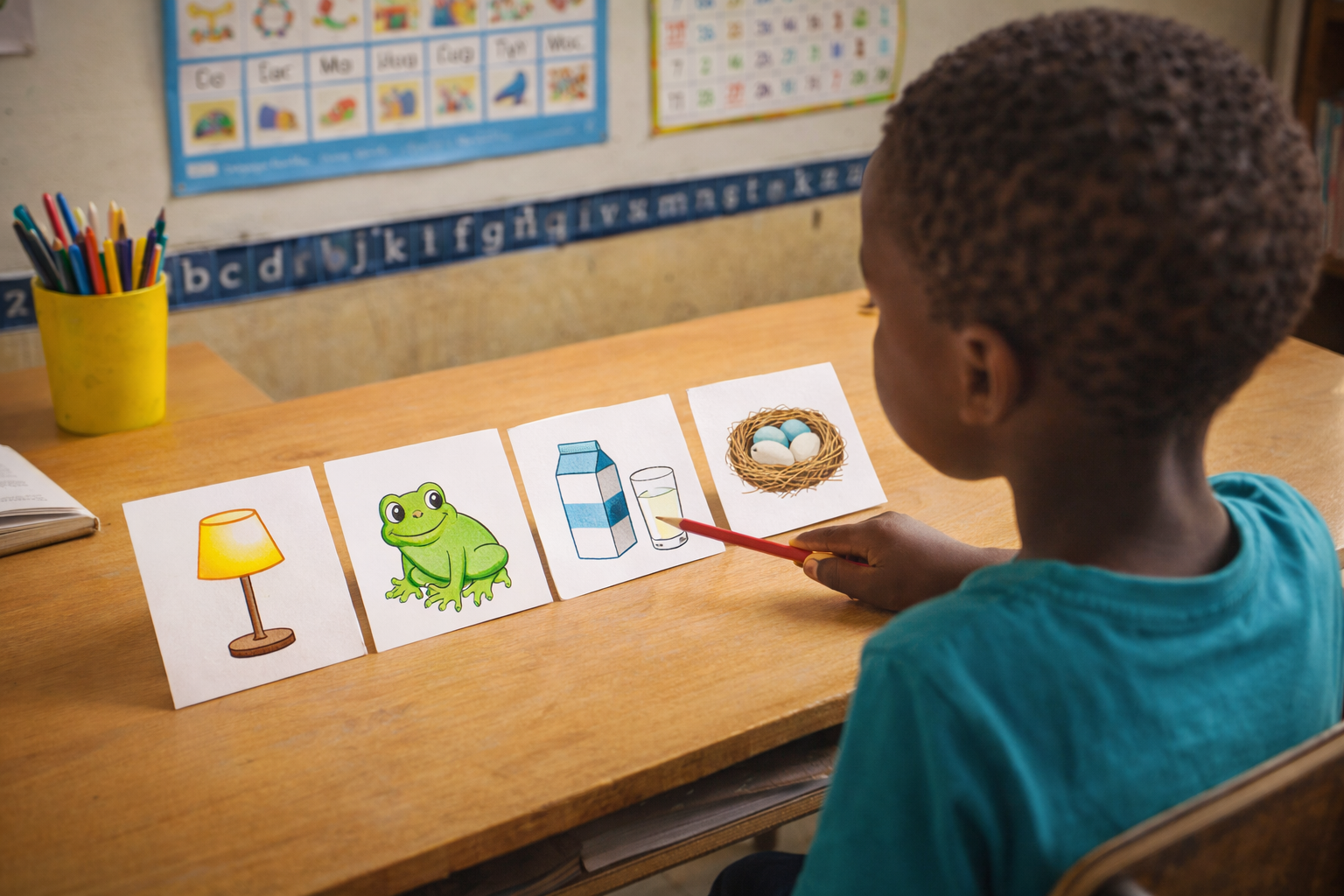



The Global Youth Ambassador Program for Literacy 2026, organized by the World Literacy Foundation, is an opportunity for young people to gain real-world experience in advocacy, leadership, and community impact.
If you’re between 16 and 25 years old and passionate about education, this program can help you develop practical skills while contributing to the fight against global illiteracy.
But beyond the excitement, an important question remains:
Is this program worth your time—and how can you actually get selected?
This guide gives you a clear, realistic breakdown of what the program offers, what participants actually do, and how to improve your chances of acceptance.
Why Literacy Programs Like This Matter
Literacy is one of the most critical foundations for education, employment, and economic development. Yet, millions of children and young people around the world still lack basic reading and writing skills.
Programs like this exist to:
- Raise awareness about literacy challenges
- Mobilize young people to take action
- Support community-based education initiatives
Youth-led advocacy has become increasingly important because young people can influence their peers, communities, and online audiences more effectively.
What Is the Youth Ambassador Program 2026?
The program is a 3-month global initiative (June–September 2026) designed to train young people to become literacy advocates.
Participants join a diverse network of youth from multiple countries and work on:
- Awareness campaigns
- Fundraising initiatives
- Community-based literacy projects
According to the organizers, the program aims to combine learning with real-world impact, not just theoretical training.
What You’ll Actually Do in the Program
Unlike many programs that focus only on training, this one includes practical activities.
1. Training and Learning Modules
You’ll go through structured sessions covering:
- Advocacy strategies
- Campaign planning
- Communication and public speaking
- Fundraising techniques
2. Advocacy Campaigns
Participants are expected to:
- Raise awareness about literacy issues
- Share educational content on social media
- Engage their local communities
3. Fundraising Activities
You may:
- Organize small campaigns or events
- Encourage donations to literacy initiatives
This is a key part of the program and requires active participation.
4. Community Impact Projects
Some participants choose to:
- Start literacy clubs
- Partner with schools or local groups
- Run small education-focused initiatives
Key Benefits of the Program
Practical Experience
You gain hands-on experience in:
- Leadership
- Project coordination
- Communication
Global Networking
You connect with:
- Youth from different countries
- Like-minded individuals interested in social impact
Skill Development
You’ll build skills in:
- Public speaking
- Digital advocacy
- Team collaboration
Recognition and Certification
Participants who complete the program typically receive:
- A certificate of participation
- Recognition for their contributions
Program Timeline (2026)
Here are the important dates:
- Applications Open: April 1, 2026
- Deadline: May 12, 2026
- Program Starts: June 8, 2026
- Training Modules: June 15 – July 26
- Advocacy & Fundraising: July 27 – August 30
- Celebration Week: August 31 – September 6
- Final Submission: September 6
Expect a structured schedule with both learning and action phases.
Who Can Apply?
To be eligible, you must:
- Be 16–25 years old
- Have an interest in literacy, education, or social impact
- Be active on social media or willing to learn
- Have access to a smartphone or computer with internet
- Commit approximately 30 hours over 3 months
How Competitive Is the Program?
Programs like this often receive many applications globally, so selection is competitive.
Applicants are typically evaluated based on:
- Passion for literacy and education
- Communication ability
- Willingness to take initiative
- Commitment to completing the program
How to Increase Your Chances of Being Selected
Here are practical tips that can improve your application:
1. Show Genuine Interest
Explain clearly:
- Why literacy matters to you
- Any related experience (even small efforts count)
2. Highlight Leadership or Initiative
Mention:
- School projects
- Volunteer work
- Online campaigns
3. Be Specific in Your Application
Avoid generic answers like:
- “I want to help people”
Instead say:
- “I plan to create awareness campaigns in my community using social media…”
4. Demonstrate Commitment
Make it clear that you can:
- Complete tasks
- Participate actively
- Contribute ideas
Realistic Expectations (What Most People Don’t Know)
Before applying, it’s important to understand:
- This is not a paid job
- You will need to dedicate time consistently
- Some activities (like fundraising) may feel challenging
- Results depend on your level of participation
The value comes from skills, experience, and exposure—not immediate financial reward.
Is This Program Worth It?
The program is a good fit if you:
- Want experience in leadership or advocacy
- Are interested in education and social impact
- Want to build your profile for future opportunities
It may not be ideal if you:
- Are looking for paid opportunities
- Cannot commit time consistently
- Prefer short-term or passive programs
How to Apply
To apply:
- Visit the official World Literacy Foundation website
- Complete the application form
- Submit before the deadline
Make sure your responses are clear, specific, and genuine.
Final Thoughts
The Global Youth Ambassador Program for Literacy 2026 is more than just a volunteer opportunity—it’s a platform to gain real-world experience, develop valuable skills, and contribute to a global cause.
While it requires commitment and effort, it can be a meaningful step for young people looking to grow personally and make an impact.
If you’re willing to participate actively and take initiative, this program can open doors to future opportunities in leadership, education, and social impact.
Bottom line:
This program is not just about joining—it’s about what you do with the opportunity.