




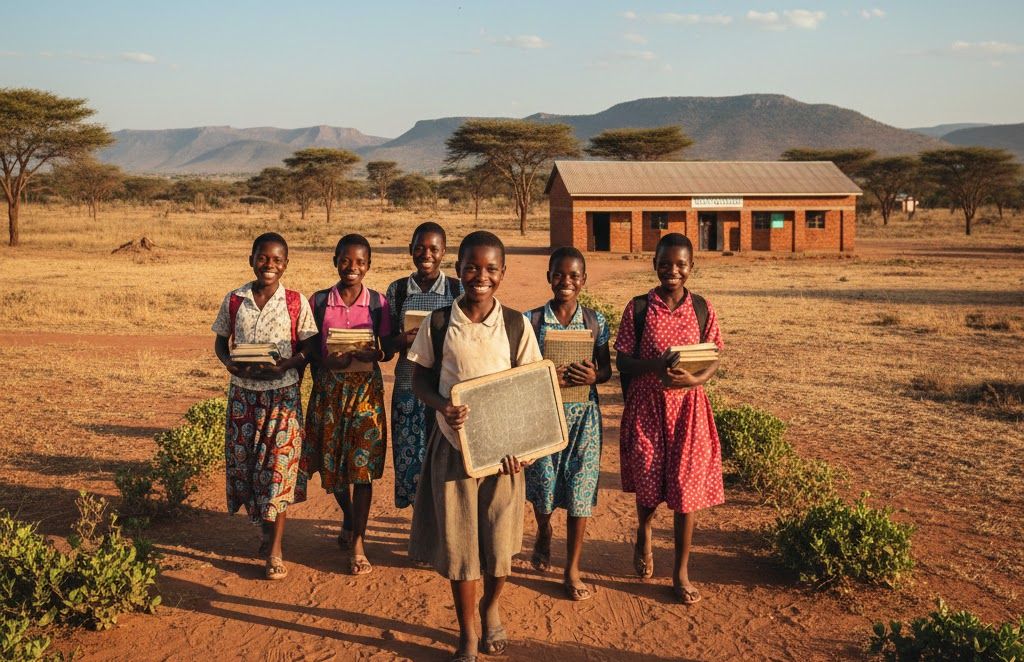
Education is widely recognized as one of the most powerful tools for personal growth and social development. Yet, across many parts of Africa, millions of girls still face significant barriers to accessing quality education. Girls’ education in Africa is not just a women’s issue; it is a societal challenge that affects economic growth, public health, governance, and future generations. Understanding these challenges and why they matter is essential for anyone who cares about sustainable development and equality.
This article explores the current state of girls’ education in Africa, the key obstacles holding girls back, and the practical steps that can help close the gap. By looking at real issues and realistic solutions, we can better appreciate why this challenge cannot be ignored.
Understanding the State of Girls’ Education in Africa
Over the past few decades, African countries have made progress in expanding access to education. Enrollment rates at the primary school level have improved, and awareness about the importance of educating girls has grown. However, major gaps remain, especially as girls move from primary to secondary and higher education.
In many regions, girls are still more likely than boys to drop out of school early. Factors such as poverty, cultural expectations, and safety concerns continue to limit their educational opportunities. While the situation varies from country to country, the broader pattern shows that girls’ education in Africa remains uneven and fragile.
Why Girls’ Education Matters
Educating girls has far-reaching benefits that extend beyond the individual. When girls receive quality education:
- They are more likely to earn stable incomes and support their families.
- Child and maternal health outcomes improve.
- Communities experience lower rates of early marriage and child labor.
- Nations benefit from a more skilled and productive workforce.
These outcomes highlight why investing in girls’ education is not a luxury, but a necessity for long-term development.
Key Challenges Facing Girls’ Education in Africa
Despite growing recognition of its importance, several interconnected challenges continue to hinder girls’ access to education.
Poverty and Economic Barriers
Poverty remains one of the biggest obstacles to girls’ education in Africa. In low-income households, families often struggle to cover basic needs such as food and healthcare. School-related expenses, including uniforms, books, and transportation, can feel like an added burden.
When resources are limited, families may prioritize boys’ education, believing it offers better economic returns. Girls may be expected to contribute to household chores or income-generating activities instead of attending school.
Cultural Norms and Gender Roles
Deeply rooted cultural beliefs and traditional gender roles also play a significant role. In some communities, girls are expected to marry early or focus on domestic responsibilities. Education may be seen as unnecessary or even undesirable for girls, especially beyond primary school.
These attitudes can discourage girls from pursuing education and reduce parental support for their schooling. Changing such norms requires sustained community engagement and education.
Early Marriage and Teenage Pregnancy
Early marriage and teenage pregnancy are closely linked to school dropout rates among girls. Once married or pregnant, many girls are forced to leave school permanently. This not only limits their future opportunities but also perpetuates cycles of poverty and dependency.
Lack of access to reproductive health education and services further increases the risk of early pregnancy, making it harder for girls to complete their education.
Safety and School Environment
Safety concerns are another critical issue. Long distances to school, inadequate transportation, and unsafe learning environments can discourage attendance. In some cases, girls face harassment or violence on their way to school or within school premises.
Schools that lack proper sanitation facilities, especially separate toilets for girls, can also contribute to absenteeism, particularly during menstruation.
Barriers Within the Education System
Beyond social and economic factors, structural issues within education systems also affect girls’ learning experiences.
Limited Access to Secondary and Higher Education
While primary school enrollment has improved in many African countries, access to secondary and higher education remains limited. Schools may be too far away, overcrowded, or under-resourced. As academic demands increase, girls who lack support at home may struggle to keep up.
Shortage of Trained Teachers
The quality of education is closely tied to the availability of well-trained teachers. In some regions, teacher shortages lead to large class sizes and reduced individual attention. The lack of female teachers can also affect girls’ comfort and motivation, especially during adolescence.
Language and Learning Materials
In multilingual societies, instruction may be delivered in a language that is not spoken at home. This can make learning more difficult, particularly for young girls who may already have limited exposure to formal education. Inadequate or outdated learning materials further reduce the effectiveness of teaching.
The Long-Term Impact of Limited Girls’ Education
When girls are denied education, the consequences extend far beyond the classroom.
Economic Consequences
Girls who leave school early are more likely to work in low-paying, informal jobs with little job security. This limits their earning potential and reduces overall economic productivity. On a national level, low levels of female education can slow economic growth and innovation.
Health and Social Outcomes
Education is strongly linked to better health outcomes. Educated women are more likely to make informed decisions about nutrition, healthcare, and family planning. Without education, girls face higher risks of poor health, maternal complications, and limited access to essential services.
Intergenerational Effects
The impact of girls’ education does not stop with one generation. Educated mothers are more likely to send their children to school, creating a positive cycle of learning and opportunity. Conversely, when girls miss out on education, their children are also more likely to face similar challenges.
Practical Steps Toward Improving Girls’ Education in Africa
Addressing the challenges facing girls’ education in Africa requires coordinated efforts at multiple levels.
Strengthening Policy and Government Commitment
Governments play a central role in creating inclusive education systems. Policies that reduce school fees, improve infrastructure, and enforce compulsory education laws can make a significant difference. Investing in teacher training and school facilities is equally important.
Community Engagement and Awareness
Changing attitudes toward girls’ education starts at the community level. Local leaders, parents, and educators can work together to challenge harmful norms and highlight the benefits of educating girls. Community-based programs that involve families tend to be more effective and sustainable.
Supporting Girls Directly
Targeted support can help girls stay in school. This may include:
- Scholarships or financial assistance for school expenses
- Safe transportation options
- Access to menstrual health products and education
- Counseling and mentorship programs
Such measures address practical barriers while empowering girls to continue their education.
Partnerships with Non-Governmental Organizations
Many non-governmental organizations and local initiatives are already working to improve girls’ education across Africa. Partnerships between governments, communities, and these organizations can expand successful programs and reach more girls.
The Role of Education in Building a Fairer Future
Girls’ education is not only about classrooms and textbooks. It is about dignity, opportunity, and the right to choose one’s future. When girls are educated, they gain the confidence and skills needed to participate fully in society.
A well-educated female population contributes to stronger institutions, healthier families, and more resilient economies. These benefits underline why girls’ education should remain a top priority across Africa.
Conclusion
Girls’ education in Africa remains a pressing challenge, shaped by economic hardship, cultural norms, and systemic barriers. While progress has been made, millions of girls are still denied the chance to learn and grow through education. The cost of inaction is high, affecting not only individual girls but entire communities and nations.
By understanding the challenges and supporting practical, inclusive solutions, societies can move closer to ensuring that every girl has access to quality education. This is not just an investment in girls; it is an investment in Africa’s future. Addressing this challenge today lays the foundation for a more equitable, prosperous, and informed tomorrow.