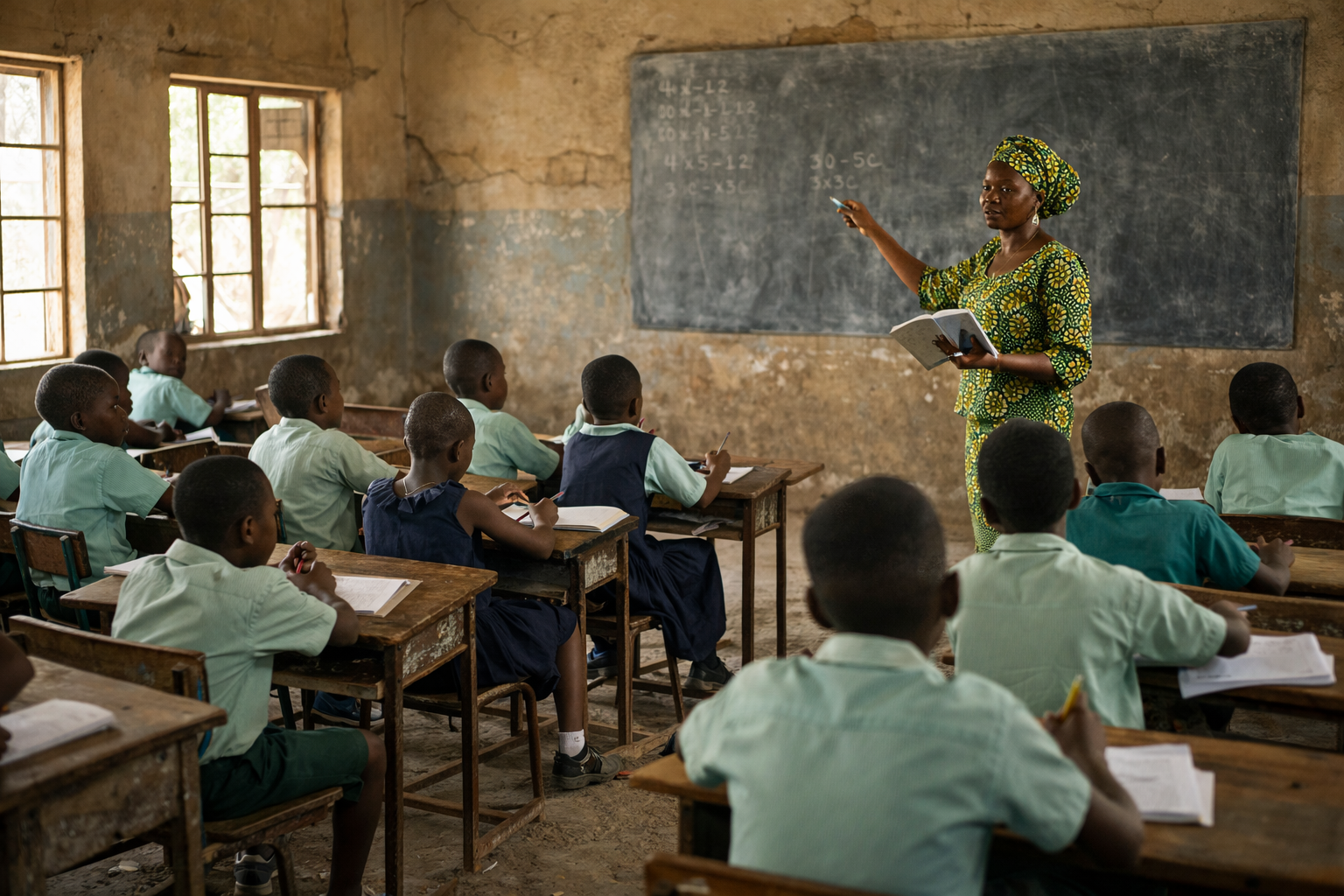






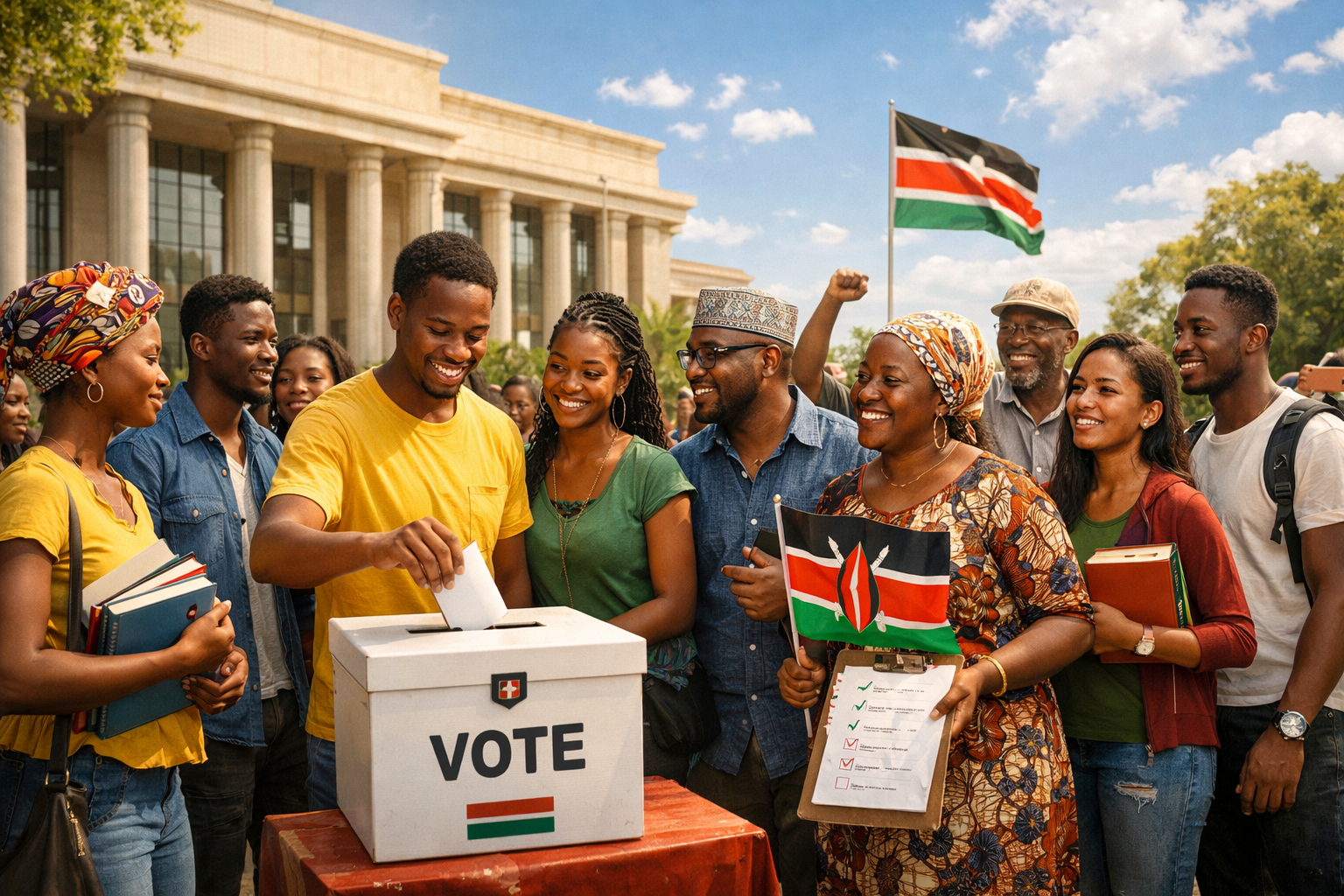
Civic education is more than a school subject—it is a practical guide for living responsibly in society. From my experience studying and teaching civic concepts, one consistent pattern stands out: individuals who understand civic education tend to engage more thoughtfully with their communities, respect laws more consciously, and participate more actively in democratic processes.
In a time marked by political misinformation, social tension, and declining civic participation in many societies, civic education plays a critical role in shaping informed, responsible, and ethical citizens. According to international education frameworks such as those promoted by UNESCO, civic education equips people with the knowledge, skills, and values needed to participate meaningfully in democratic life.
This article explains the five core functions of civic education, using clear explanations, real-life relevance, and practical examples. It is especially useful for students, educators, and examination candidates, as well as anyone interested in understanding how societies function.
Understanding Civic Education
Civic education is the systematic study of citizens’ rights, duties, values, and responsibilities within a political and social system. It focuses on the relationship between individuals and the state, the rule of law, democratic governance, and peaceful coexistence.
Most national education curricula—and international bodies like UNESCO—define civic education as a tool for building active citizenship, not passive obedience. Its purpose extends beyond theory to shaping attitudes, behaviors, and participation in everyday life.
1. Promoting Responsible Citizenship
One of the primary functions of civic education is to promote responsible citizenship. It teaches individuals what is expected of them as members of society and how their personal choices affect the wider community.
How Civic Education Builds Responsibility
Through civic education, citizens learn to:
- Obey laws and respect public institutions
- Pay taxes and contribute to national development
- Respect the rights and freedoms of others
- Act ethically in public and private life
In classroom discussions and community programs I’ve observed, students who understand these principles are more likely to act responsibly, not out of fear of punishment, but from a sense of civic duty.
Why Responsible Citizenship Matters
Societies function best when citizens act responsibly. Civic education helps reduce issues such as lawlessness, intolerance, and corruption by emphasizing accountability, fairness, and respect for the rule of law—principles that underpin stable democratic systems.
2. Developing Political Awareness and Participation
Another essential function of civic education is developing political awareness and encouraging active participation in governance.
Building Political Knowledge
Civic education introduces citizens to:
- The structure and functions of government
- The roles of the executive, legislature, and judiciary
- Electoral processes and voting rights
- Political parties and public policy
This foundational knowledge enables citizens to make informed decisions during elections and public debates, rather than relying on rumors or misinformation.
Encouraging Active Participation
Beyond knowledge, civic education motivates citizens to:
- Vote in elections
- Attend community or town-hall meetings
- Participate in peaceful advocacy
- Hold leaders accountable through lawful means
Research and democratic practice consistently show that informed participation strengthens democracy and improves governance outcomes.
3. Teaching Rights and Duties of Citizens
Civic education plays a crucial role in teaching citizens their rights and duties, emphasizing that both must exist in balance for a society to remain just and orderly.
Understanding Citizens’ Rights
Civic education explains fundamental rights commonly protected by national constitutions and international human rights instruments, such as:
- Right to life and human dignity
- Freedom of speech and expression
- Freedom of association and religion
- Right to fair hearing and equality before the law
When citizens understand their rights, they are better prepared to recognize injustice and seek lawful remedies.
Understanding Civic Duties
Equally important are civic duties, including:
- Respecting laws and legitimate authority
- Protecting public property
- Promoting peace and unity
- Defending the nation when legally required
By teaching both rights and duties, civic education discourages abuse of freedom and promotes social responsibility.
4. Promoting National Unity and Social Cohesion
In culturally, religiously, or ethnically diverse societies, civic education serves as a powerful tool for promoting national unity and peaceful coexistence.
Fostering Tolerance and Mutual Respect
Civic education encourages citizens to:
- Respect cultural and religious differences
- Reject discrimination and prejudice
- Embrace shared national values
In practical terms, this helps reduce social tension and fosters cooperation across different groups.
Strengthening National Identity
By teaching national symbols, shared history, and collective values, civic education helps citizens develop a sense of belonging. People who feel connected to their nation are more likely to work together toward common goals and long-term development.
5. Developing Moral Values and Civic Virtues
Another key function of civic education is the development of moral values and civic virtues that guide both personal behavior and public life.
Core Civic Values Promoted
Civic education emphasizes values such as:
- Honesty and integrity
- Justice and fairness
- Respect for human dignity
- Discipline and self-control
- Cooperation and tolerance
These values are essential for ethical decision-making in daily life.
Impact on Society
Societies where citizens uphold strong civic values often experience:
- Lower tolerance for corruption
- Greater trust in public institutions
- Peaceful conflict resolution
- Stronger community relationships
Civic education therefore contributes not only to individual character development but also to sustainable national growth.
Why Civic Education Matters in Modern Society
Modern societies face challenges such as misinformation, political polarization, and declining civic engagement. Civic education helps address these issues by:
- Encouraging critical thinking
- Teaching citizens how to evaluate information
- Promoting dialogue over conflict
- Building confidence in lawful civic participation
Educational bodies and democratic institutions consistently recognize civic education as a foundation for stable governance and social harmony.
Practical Examples of Civic Education in Everyday Life
Civic education is most effective when applied in real situations, such as:
- Voting after carefully evaluating candidates and policies
- Respecting traffic laws and public property
- Participating in community development projects
- Speaking out peacefully against injustice
- Engaging respectfully in discussions on national issues
These everyday actions demonstrate the real purpose of civic education in shaping responsible citizens.
Exam and Study Tip
When answering questions on the functions of civic education:
- Clearly state each function
- Explain its importance to individuals
- Link it to societal development
This approach shows both understanding and application, which examiners value.
Conclusion
The five functions of civic education—promoting responsible citizenship, developing political awareness, teaching rights and duties, fostering national unity, and building moral values—are essential for both personal development and societal progress.
Civic education equips citizens with the knowledge, attitudes, and skills needed to participate meaningfully in public life. When applied consistently, it leads to stronger democratic institutions, peaceful coexistence, and a more just society.
Ultimately, civic education is not just an academic subject—it is a lifelong foundation for responsible living and active citizenship.