





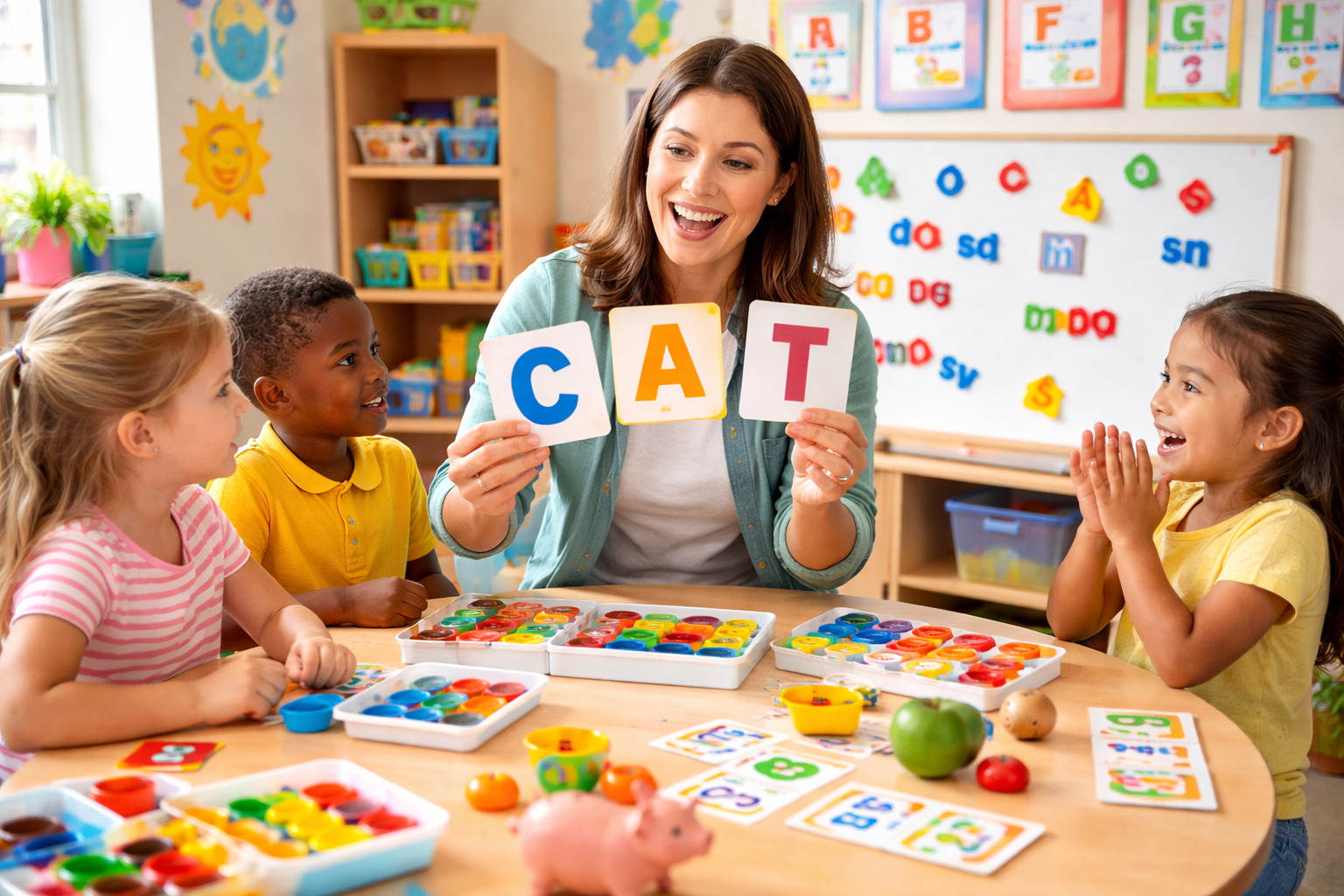
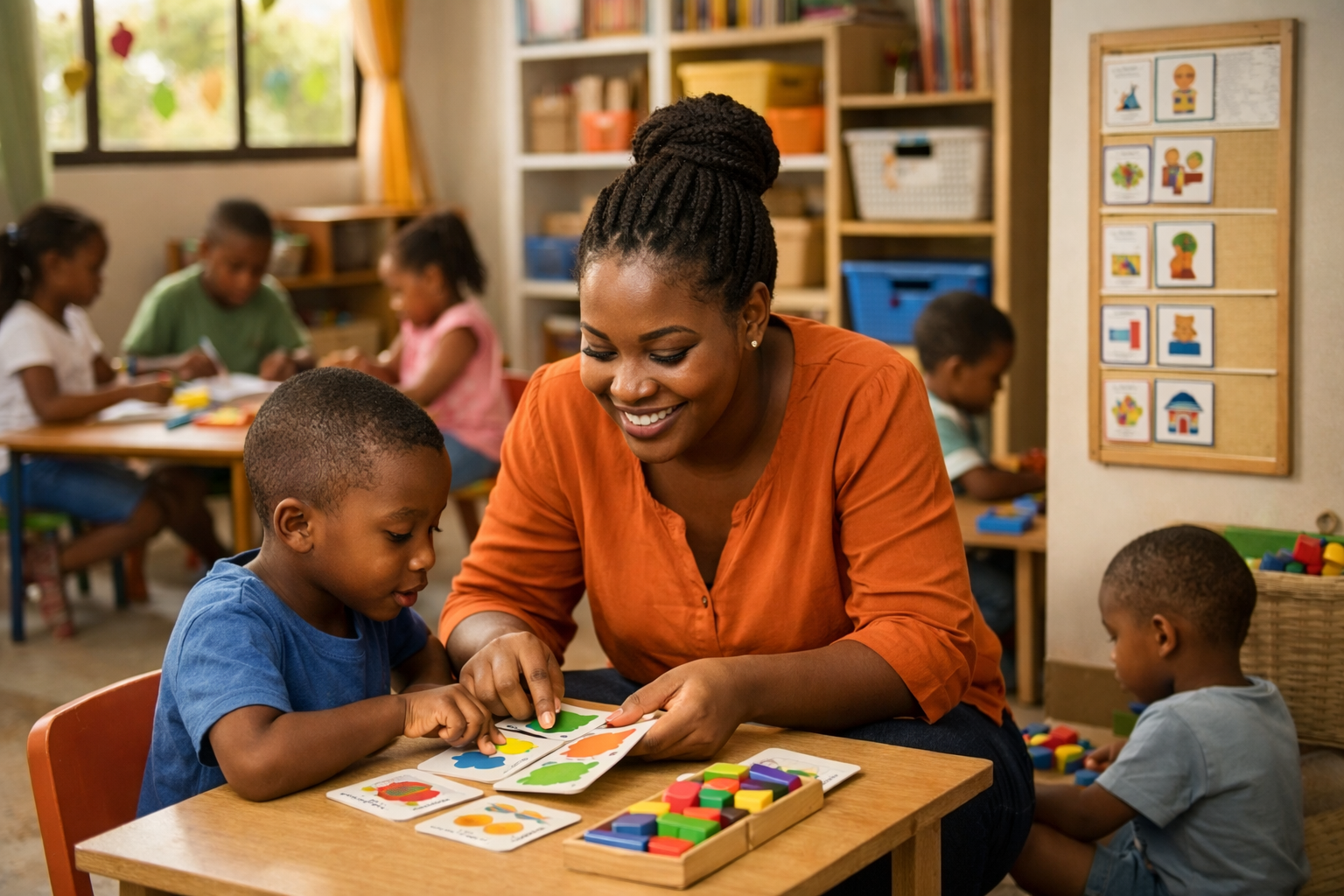


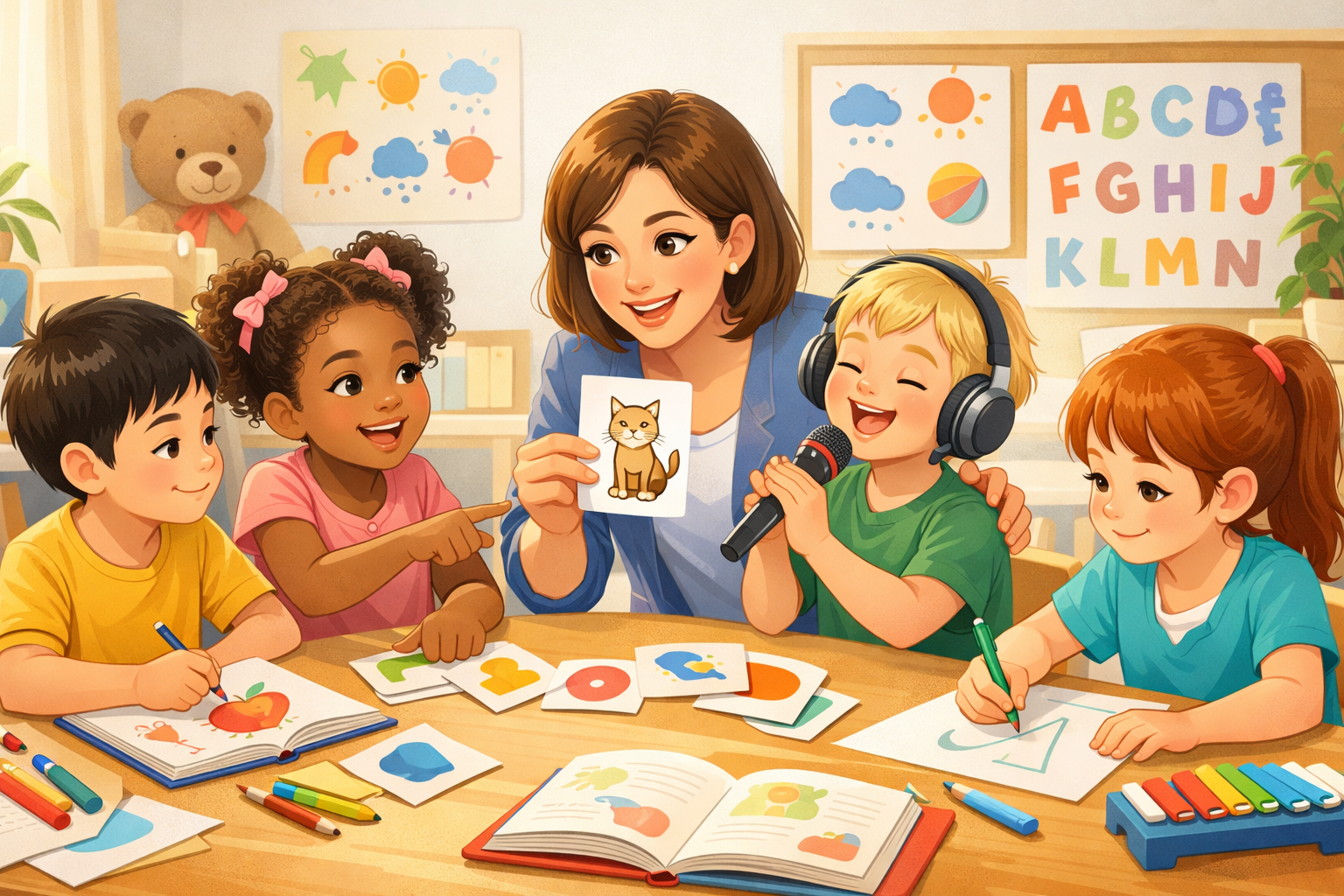
Helping children learn English does not require expensive programs or digital subscriptions. Through hands-on activities, daily interactions, and play-based learning, children can naturally and confidently build strong English skills.
From working with young learners and observing how children respond to different learning styles, one thing becomes clear: children learn English best when learning feels meaningful, interactive, and pressure-free. This guide brings together practical experience, proven educational principles, and expert-backed strategies to help parents, teachers, and caregivers support children’s English development using free and accessible activities.
This article focuses on free and effective English activities for kids that support vocabulary, reading, writing, listening, and speaking — at home or in learning environments.
Why English Activities Matter for Children
Children do not learn language the same way adults do. They acquire language through use, repetition, and meaningful interaction, not memorization alone.
Educational organizations such as UNESCO emphasize that early language learning is most effective when children actively engage with language in real contexts rather than through passive instruction alone. Consistent exposure to English through activities allows children to understand how language works naturally.
Well-designed English activities help children:
- Build communication confidence
- Develop vocabulary in context
- Strengthen reading and writing foundations
- Improve listening and speaking skills
- Associate learning with curiosity and enjoyment
From practical experience, children who learn through activities tend to participate more willingly and retain new words longer than those taught through drills alone.
Key Principles of Effective English Activities for Kids
Child-Friendly and Age-Appropriate
Children’s learning abilities develop in stages. According to the British Council, younger learners benefit most from visual aids, songs, and movement-based activities, while older children can handle structured reading, writing, and guided discussions.
Activities should match:
- Age
- Attention span
- Language level
When activities are too advanced, children disengage; when they are appropriate, confidence grows.
Interactive and Engaging
Research on child development consistently shows that active learning improves retention. The American Academy of Pediatrics highlights that children learn more effectively through interaction than through passive listening.
In practice, activities that involve speaking, acting, drawing, or problem-solving lead to faster language growth than worksheets alone.
Consistent but Flexible
Short, regular practice sessions work better than long, infrequent ones. Flexibility allows children to learn without pressure, which is critical for language confidence.
Vocabulary-Building Activities for Kids
Vocabulary is the foundation of language learning. Children need repeated exposure to words in meaningful contexts.
Picture and Word Matching
Using images alongside words helps children associate meaning visually and cognitively.
This method aligns with findings from Reading Rockets, which emphasize visual support as a key factor in early literacy development.
Effective activities include:
- Matching picture cards to words
- Labeling household objects
- Creating simple picture dictionaries
From experience, children remember words faster when visuals are connected to real objects they see daily.
Everyday Word Discovery
Daily routines naturally create vocabulary opportunities. Talking about food, clothing, animals, and surroundings makes learning relevant.
Language experts agree that context-based vocabulary learning improves long-term retention more than isolated word lists.
Reading Activities That Build Confidence
Reading supports vocabulary growth, comprehension, and sentence structure awareness.
Story Reading and Retelling
Reading stories aloud introduces children to natural sentence patterns and pronunciation. The British Council recommends shared reading as a powerful tool for language acquisition.
After reading, children can:
- Retell the story
- Describe characters
- Predict outcomes
These activities strengthen comprehension and oral expression.
Sight Word Practice
Sight words improve reading fluency by reducing decoding effort. According to Reading Rockets, recognizing high-frequency words automatically helps children read with greater confidence.
Effective strategies include:
- Flashcards
- Word hunts in books
- Simple reading games
Writing Activities for Young Learners
Writing allows children to apply vocabulary and sentence structure actively.
Simple Sentence Creation
Starting with short, familiar sentences helps children build confidence.
Gradually expanding sentences aligns with scaffolding techniques used in language education, where learners build skills step by step.
Creative Writing Prompts
Creative prompts encourage imagination while reinforcing language use.
Examples:
- Write about your favorite toy
- Describe your best day
- Finish a story starter
From practical observation, children engage more when writing topics connect to their experiences.
Listening and Speaking Activities
Listening and speaking are essential for real-life communication.
Listening Games
Listening activities improve sound recognition and comprehension. Educational research highlights listening as a core input skill necessary for language development.
Activities include:
- Listening to songs or short stories
- Following instructions
- Identifying sounds
Conversation Practice
Regular conversation builds fluency and confidence. Language specialists emphasize that mistakes are a natural part of learning, and over-correction can discourage participation.
Simple conversation starters include:
- Talking about daily activities
- Describing pictures
- Asking and answering questions
Play-Based English Learning Activities
Play-based learning is strongly supported by child development research.
Role-Play and Pretend Games
According to the American Academy of Pediatrics, play supports language, social skills, and cognitive growth.
Role-play activities such as pretending to shop or visit a doctor allow children to use English naturally in real-life scenarios.
Word and Language Games
Games encourage repetition without stress. Memory games, word puzzles, and guessing games reinforce learning through enjoyment.
Using Songs and Rhymes for English Learning
Songs and rhymes support pronunciation, rhythm, and memory.
Why Songs Work
The British Council notes that music helps children remember language patterns and sounds more easily due to repetition and melody.
Simple Singing Activities
Children can:
- Sing along to English songs
- Act out lyrics
- Learn action-based rhymes
These activities support both listening and speaking skills.
Free English Activities for Home and Classroom Use
Effective English learning does not depend on materials.
Examples include:
- Storytelling without books
- Drawing and describing pictures
- Paper-based word games
- English conversations during routines
Consistency matters more than resources.
Supporting Children’s Progress in English
Adult support significantly influences learning outcomes.
Helpful strategies:
- Praise effort, not perfection
- Correct mistakes gently
- Encourage regular practice
- Make English part of daily life
Positive reinforcement increases motivation and confidence.
Common Mistakes to Avoid
Based on observation and educational research, common mistakes include:
- Long, forced study sessions
- Excessive correction
- Comparing children to others
- Turning learning into pressure
Children learn best when they feel safe and supported.
Conclusion
Free English activities for kids can be highly effective when grounded in real experience, educational research, and child-centered principles. By focusing on interaction, play, and real-life language use, children can develop strong English skills without expensive tools.
With patience, consistency, and encouragement, parents and educators can create an environment where English learning feels natural, enjoyable, and meaningful — laying a foundation that supports lifelong communication skills.