





Understanding the early stages of a child’s development can be confusing, especially when terms like preschool and early childhood are used interchangeably. While the two concepts are closely related, they are not the same.
Knowing the difference helps parents, caregivers, and educators make informed decisions about a child’s learning environment and development.
This guide explains:
- What early childhood means
- What preschool is
- The key differences between them
- Why both are important for children’s growth
Quick Answer: Preschool vs Early Childhood
| Term | Meaning |
|---|---|
| Early Childhood | A stage of human development from birth to about 8 years old |
| Preschool | A structured learning program for children typically ages 3–5 |
In simple terms:
Early childhood is a developmental stage, while preschool is an educational program within that stage.
Understanding Early Childhood
Early childhood refers to the developmental period from birth to approximately eight years of age. Experts widely recognize this phase as one of the most critical periods in human development.
According to UNICEF, the early years are when children develop the foundations for learning, behavior, and health that last throughout life.
During early childhood, children experience rapid growth in several areas:
- Brain development
- Physical growth
- Language and communication skills
- Social and emotional development
- Cognitive abilities such as thinking and problem-solving
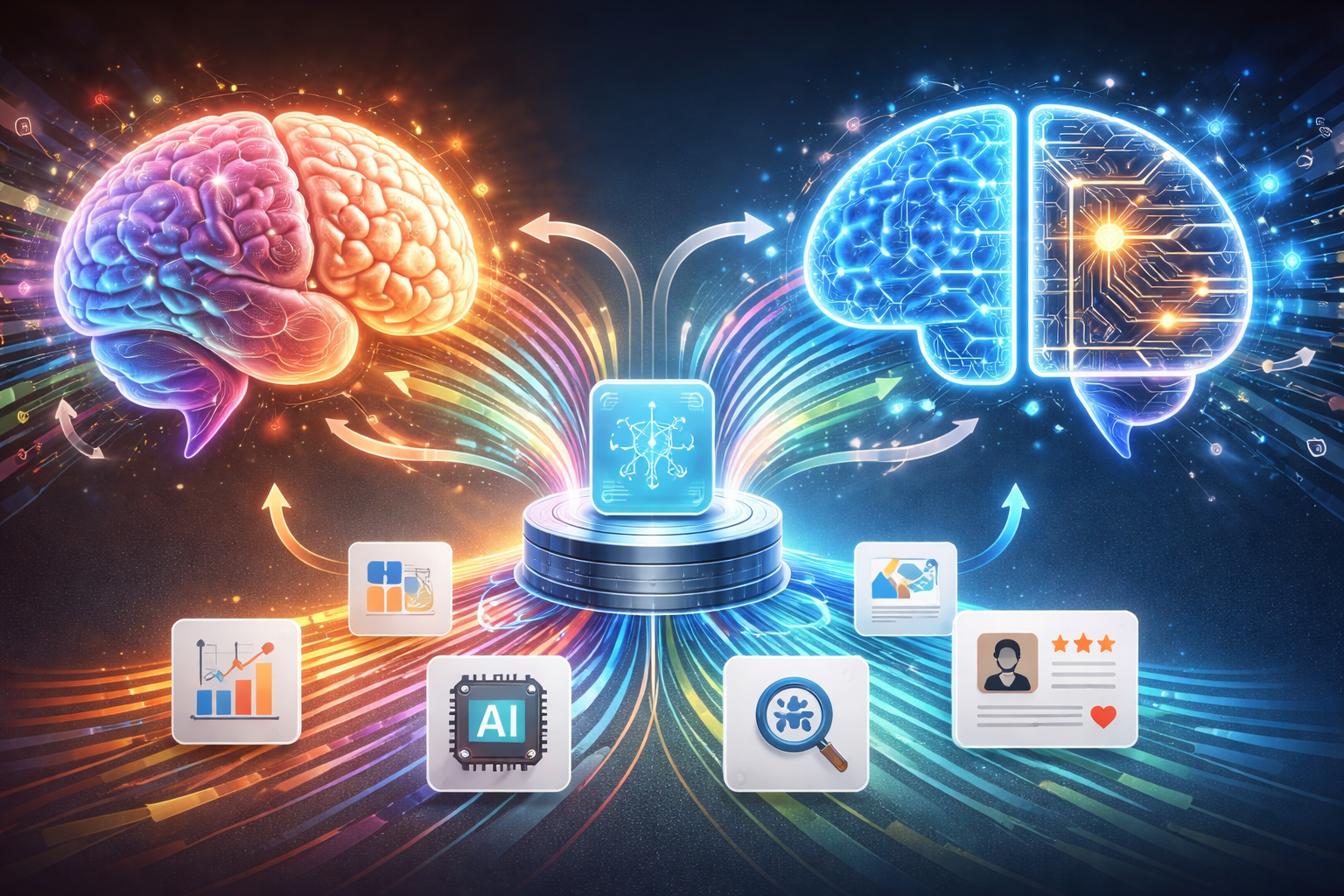
Research from the Harvard Center on the Developing Child shows that early experiences shape the architecture of the developing brain, influencing how children learn and interact with the world.
Key Characteristics of Early Childhood
Early childhood development does not happen only in schools. It includes all experiences that influence a child’s growth, such as interactions at home, in childcare centers, and in community settings.
Typical characteristics of this stage include:
- Learning through play and exploration
- Developing communication and language skills
- Building relationships with parents, caregivers, and peers
- Learning routines and basic independence
- Developing curiosity and creativity
Parents, caregivers, educators, and communities all play important roles in supporting healthy development during this period.
What Is Preschool?
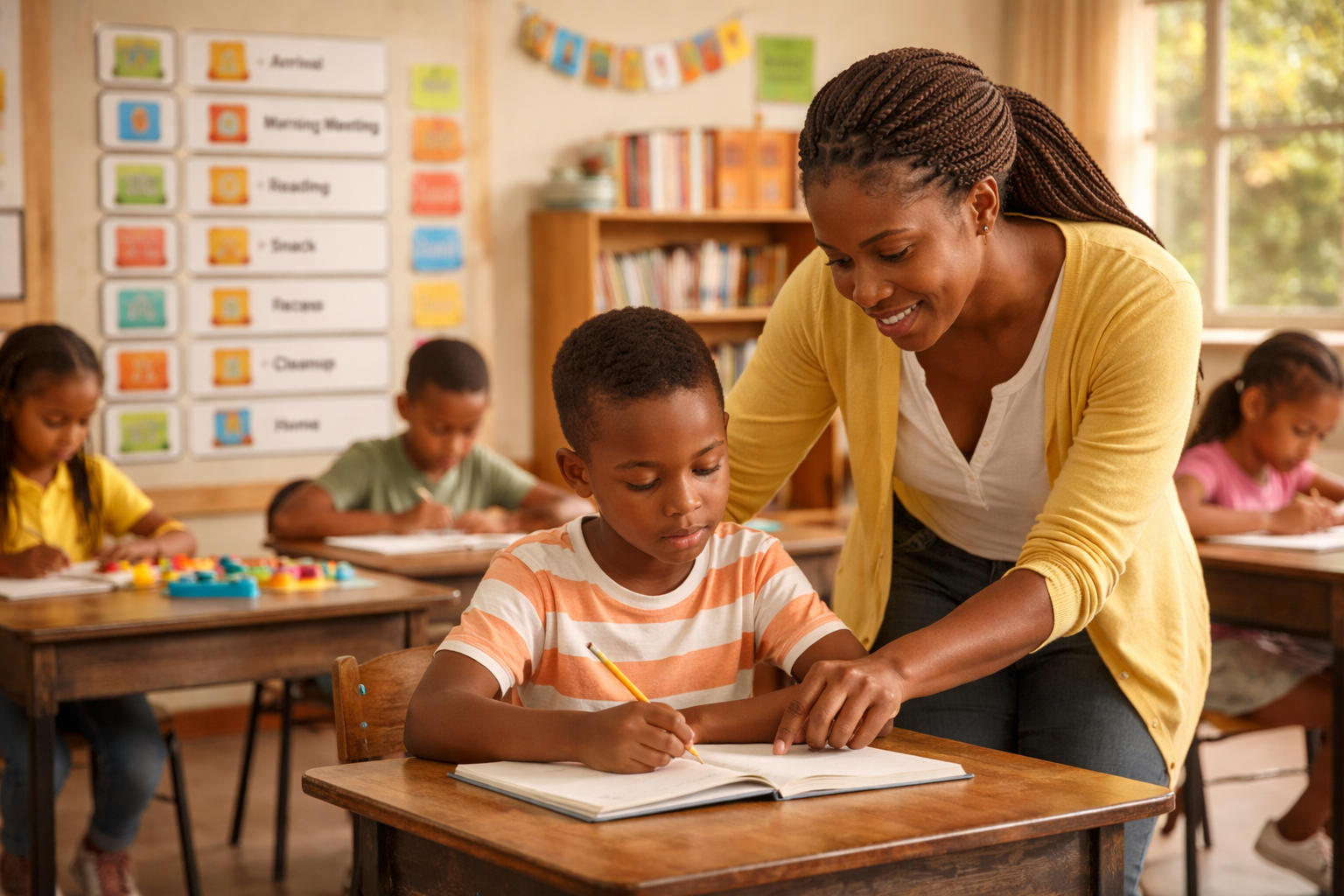
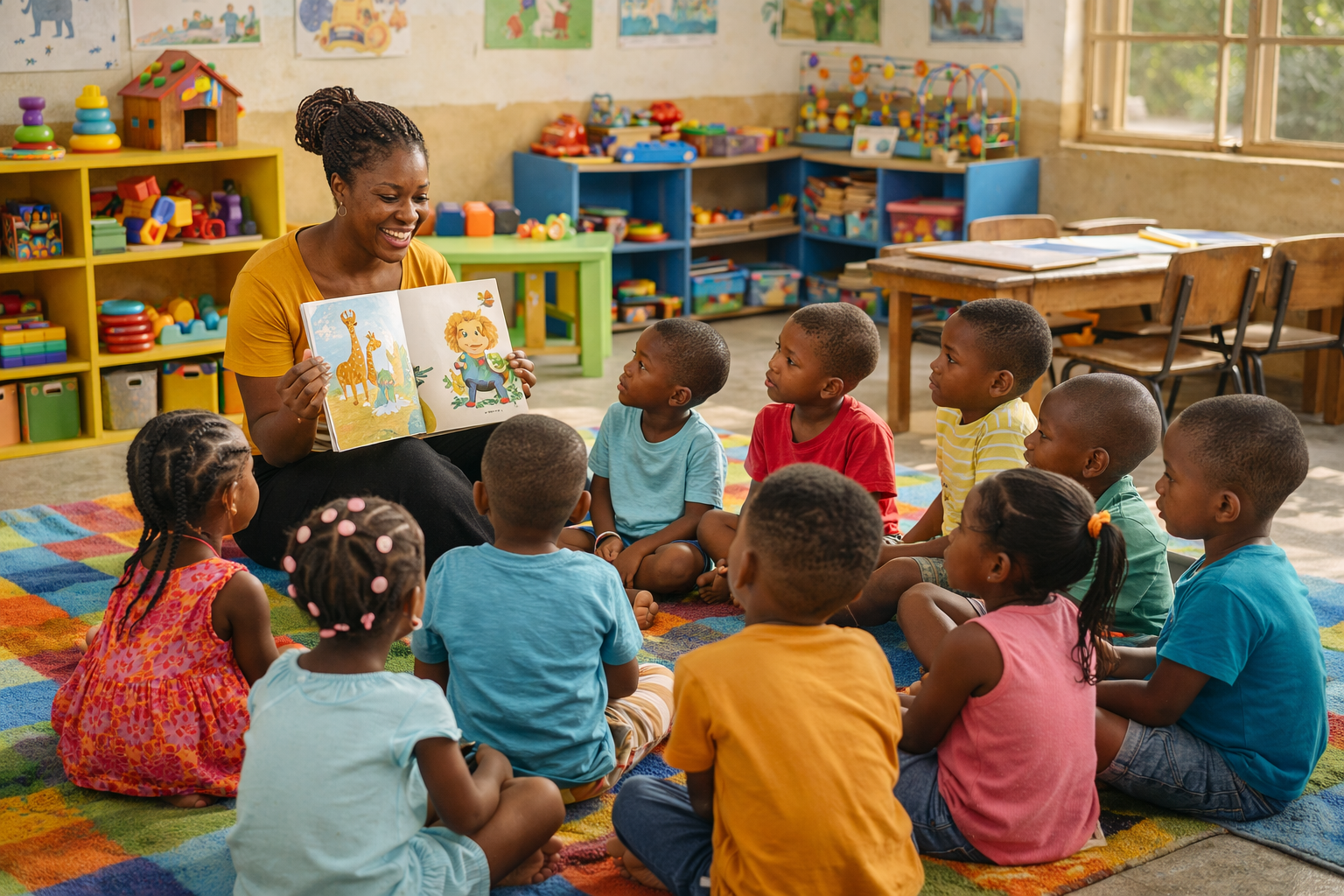
Preschool is a structured early learning program designed for young children, usually between the ages of three and five, before they begin kindergarten or primary school.
Unlike early childhood, which describes a developmental stage, preschool refers to a specific educational setting.
According to the National Association for the Education of Young Children, high-quality preschool programs focus on nurturing children’s social, emotional, cognitive, and physical development through age-appropriate learning activities.
Preschool environments are typically designed to introduce children to group learning while still emphasizing play, creativity, and exploration.
What Children Learn in Preschool
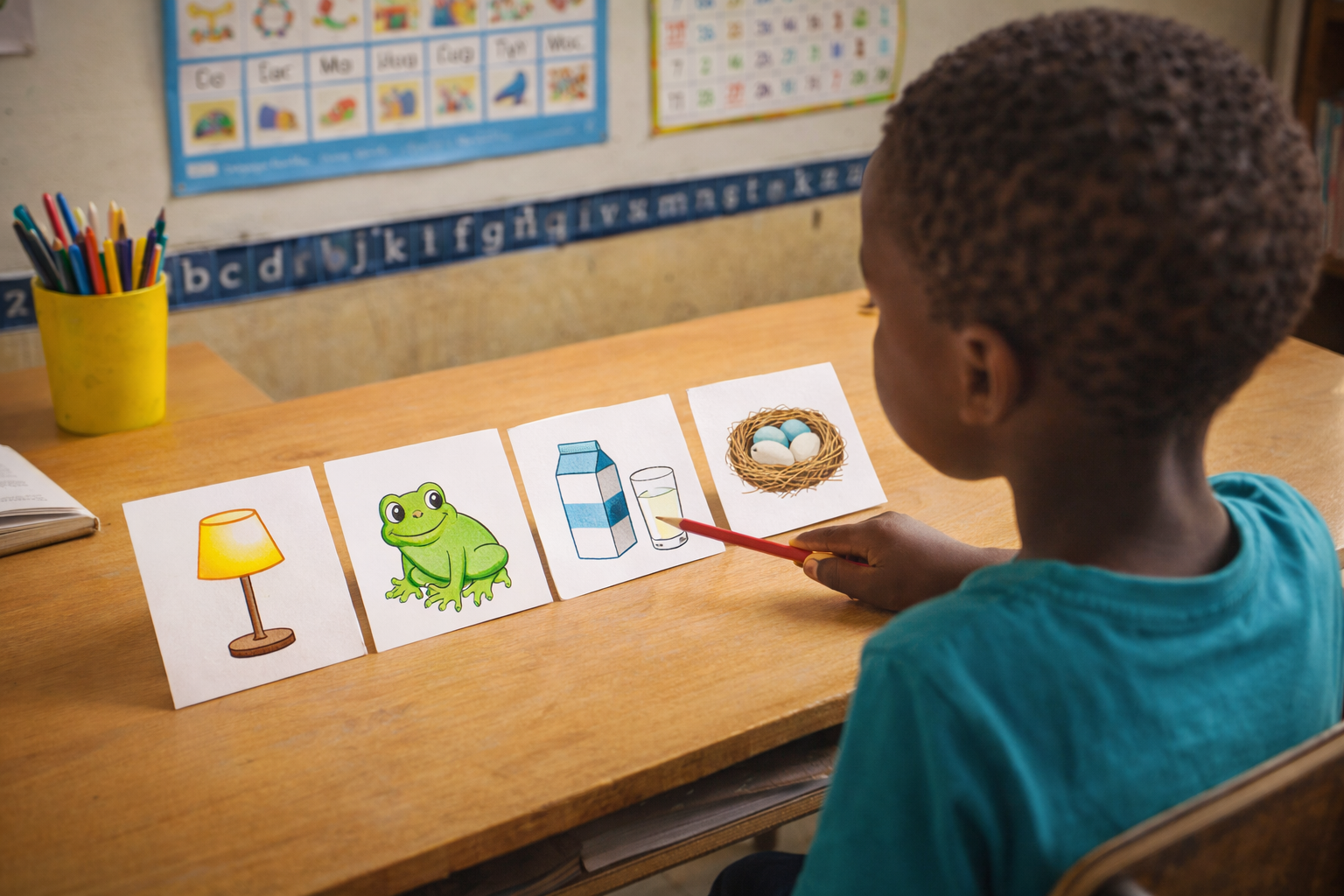
Most preschool programs use play-based learning, which research shows helps young children absorb new concepts naturally.
Common learning areas include:
Early literacy
- Recognizing letters
- Listening to stories
- Learning new vocabulary
Basic math concepts
- Counting
- Recognizing shapes and patterns
Social development
- Sharing
- Cooperation
- Taking turns
Creative expression
- Drawing
- Music
- Storytelling
- Role-playing
Classroom routines
- Following instructions
- Participating in group activities
- Developing independence
These experiences help prepare children for the structure of primary school.
The Main Difference Between Preschool and Early Childhood
The difference between these terms becomes clearer when viewed in context.
- Early childhood refers to the entire stage of development from birth to around eight years old.
- Preschool is one type of educational program within that stage, usually attended between ages three and five.
In other words:
Preschool is part of the broader early childhood period.
Simple Comparison
| Aspect | Early Childhood | Preschool |
|---|---|---|
| Meaning | A stage of development | An educational program |
| Age Range | Birth to about 8 years | Usually 3 to 5 years |
| Focus | Overall growth and development | School readiness and social learning |
| Setting | Home, childcare, community programs | Preschool centers or early learning schools |
Why Early Childhood Development Matters
Early childhood lays the foundation for lifelong learning and well-being.
Research summarized by the World Health Organization shows that positive early experiences improve children’s cognitive development, emotional health, and future educational outcomes.
During these years:
- Brain connections form rapidly
- Children develop social awareness
- Emotional regulation begins to develop
- Language skills expand quickly
Children who grow up in supportive environments are more likely to develop strong learning habits and social skills.
The Role of Parents and Caregivers
Parents and caregivers are often a child’s first and most influential teachers.
Everyday interactions—such as talking, reading, and playing—provide essential learning opportunities.
Simple ways families support early development include:
- Reading books together daily
- Encouraging children to ask questions
- Playing educational games
- Talking about everyday experiences
- Providing safe opportunities for exploration
These small interactions help children develop confidence, curiosity, and communication skills.
The Role of Preschool in Early Education
While early childhood includes many types of learning experiences, preschool offers structured opportunities for social interaction and guided learning.
Attending preschool can help children become comfortable with group environments and classroom routines before entering primary school.
Benefits of Preschool Education
High-quality preschool programs can provide several advantages.
1. Social Development
Children learn to interact with peers, cooperate, and manage simple conflicts.
2. School Readiness
Preschool introduces routines such as listening to teachers, participating in group activities, and following instructions.
3. Language Development
Frequent communication with teachers and classmates helps expand vocabulary and communication skills.
4. Cognitive Development
Activities like puzzles, storytelling, and imaginative play strengthen problem-solving abilities.
5. Confidence and Independence
Children develop self-confidence as they explore new activities and environments.
Studies reviewed by the Organisation for Economic Co-operation and Development show that children who participate in quality early childhood education programs often perform better academically later in school.
When Should a Child Start Preschool?
Most children begin preschool between ages three and four, although readiness varies from child to child.
Signs a child may be ready include:
- Showing curiosity about other children
- Being able to follow simple instructions
- Communicating basic needs verbally
- Showing interest in structured activities
Parents should consider their child’s personality, social readiness, and developmental stage when choosing the right time.
Preschool vs Daycare: What’s the Difference?
Many parents also wonder how preschool differs from daycare.
| Feature | Preschool | Daycare |
|---|---|---|
| Primary focus | Early learning and development | Child supervision and care |
| Structure | More structured curriculum | Flexible daily routines |
| Age range | Usually 3–5 years | Infants through school-age |
| Learning activities | Education-focused | Play and caregiving |
Some daycare centers also include early learning programs similar to preschool.
Choosing the Right Preschool Program
Parents looking for a preschool should consider several important factors.
A high-quality program typically includes:
- Trained and caring teachers
- A safe and stimulating environment
- Age-appropriate learning activities
- Opportunities for creative play
- Good communication between teachers and families
The goal is to find an environment where children feel safe, curious, and excited to learn.
Supporting Early Childhood Learning at Home
Even if a child attends preschool, learning continues at home every day.
Parents can reinforce development through simple activities such as:
- Reading together daily
- Encouraging imaginative play
- Asking open-ended questions
- Providing art and creative materials
- Limiting screen time and encouraging active play
These everyday interactions strengthen the skills children develop in early learning programs.
Conclusion
Preschool and early childhood are closely connected but represent different concepts in child development and education.
Early childhood refers to the critical developmental period from birth to around eight years old, when children grow rapidly in physical, cognitive, social, and emotional ways.
Preschool, on the other hand, is a structured learning program typically designed for children between three and five years old that helps prepare them for formal schooling.
Understanding the difference allows parents, caregivers, and educators to better support children during these formative years and provide learning experiences that help them thrive.