










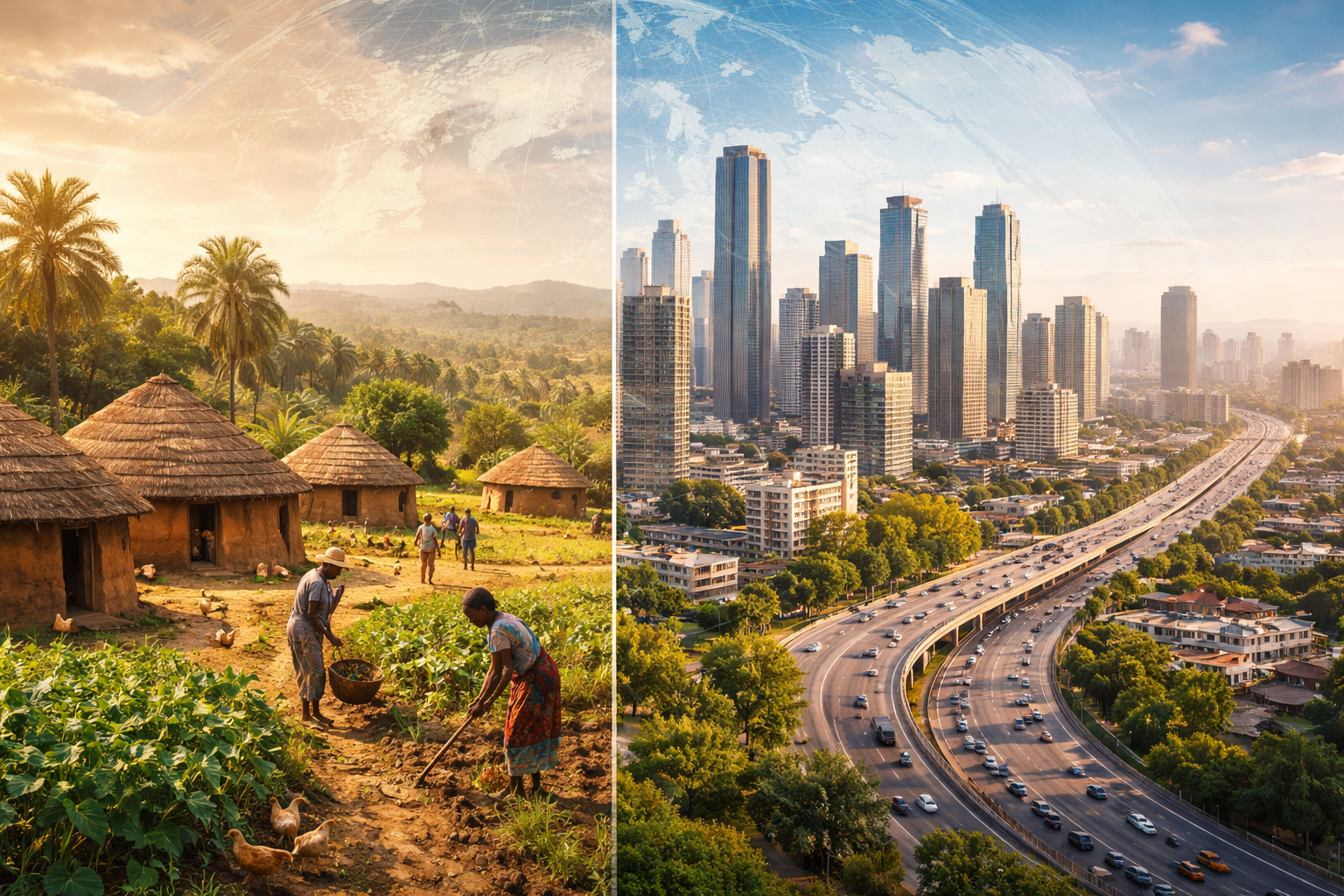
Look closely at any city, village, or region, and you’ll notice something powerful: places are shaped by people.
From the layout of streets to the design of homes, from farming systems to religious landmarks, culture leaves visible marks on the landscape. This is what cultural geography seeks to understand—how human beliefs, traditions, and lifestyles transform physical spaces into meaningful places.
In today’s globalized world, understanding cultural geography is more important than ever. It helps us explain:
- Why cities look different across regions
- How traditions influence land use
- What happens when global and local cultures collide
In this guide, you’ll explore real-world examples, expert insights, and practical applications of cultural geography.
What Is Cultural Geography? (Expert Perspective)
Cultural geography is a branch of human geography that studies how culture shapes the organization and appearance of places.
The concept of cultural landscapes was popularized by Carl Sauer, who argued that human activity transforms natural environments into cultural expressions.
According to this perspective, landscapes are not just natural—they are “cultural products” shaped by human interaction over time.
Cultural geography examines:
- Architecture and settlement patterns
- Language and identity
- Religion and sacred spaces
- Land use and agriculture
In simple terms:
It explains why places look and function the way they do.
How Culture Shapes Landscapes
A landscape reflects the relationship between people and their environment. Over time, everyday decisions—how we build, farm, worship, and organize society—leave lasting physical marks.
1. Architecture and Building Design
Buildings are one of the clearest expressions of culture.
Case Study: Traditional Hausa Architecture (Nigeria)
In northern Nigeria, traditional Hausa homes are:
- Built with mud walls for insulation
- Designed around courtyards for family interaction
- Adapted to hot climates
These features reflect:
- Climate knowledge
- Social structure
- Cultural traditions
Case Study: Alpine Houses (Europe)
In mountainous regions of Europe:
- Houses have steep roofs to prevent snow buildup
- Thick walls retain heat
Culture and environment work together to shape design.
2. Land Use and Agriculture
Cultural traditions strongly influence how land is used.
Case Study: Rice Terraces in the Philippines
The Banaue Rice Terraces are:
- Carved into mountains over 2,000 years ago
- Built using indigenous knowledge
According to UNESCO, these terraces represent a sustainable interaction between humans and nature.
Case Study: Nomadic Pastoralism (Sahel Region)
In parts of Africa:
- Communities move livestock across regions
- Land use is flexible and seasonal
This reflects adaptation to:
- Dry climates
- Cultural traditions of mobility
3. Urban Planning and Settlement Patterns
Cities are shaped by history, culture, and power structures.
Case Study: Grid Cities vs Organic Cities
- Cities like New York use grid systems (planned, structured)
- Older cities like Fez (Morocco) have organic layouts (narrow, winding streets)
These differences reflect:
- Colonial planning
- Cultural norms
- Historical development
4. Language and Cultural Identity
Language shapes how people interact with space.
- Place names reflect history and identity
- Language boundaries often define cultural regions
Example:
In multilingual countries, signage and communication vary by region, reinforcing cultural identity.
5. Religion and Sacred Landscapes
Religion creates some of the most meaningful cultural landscapes.
Case Study: Mecca (Saudi Arabia)
The city of Mecca is structured around religious practices:
- Pilgrimage routes
- Sacred architecture
- Ritual spaces
Religious beliefs directly shape the city’s layout and global importance.
Types of Cultural Landscapes (Academic Framework)
Cultural landscapes are generally classified into three types:
1. Designed Landscapes
- Parks, gardens, planned cities
- Reflect intentional human design
2. Organically Evolved Landscapes
- Farming regions, historic towns
- Developed over time through daily use
3. Associative Landscapes
- Sacred or symbolic places
- Valued for spiritual or cultural meaning
This classification is widely used in heritage and geography studies.
Globalization and Cultural Geography
Globalization is reshaping cultural landscapes worldwide.
Positive Effects
- Cultural exchange
- Access to global ideas
- Growth of international cities
Challenges
Cultural Homogenization
Cities begin to look similar due to:
- Global brands
- Modern architecture
Loss of Local Identity
Traditional practices may decline.
According to UNESCO, globalization can threaten cultural heritage if not managed carefully.
Why Cultural Geography Matters Today
1. Promotes Cultural Awareness
Understanding cultural landscapes helps people appreciate diversity.
2. Supports Sustainable Development
Planners can design solutions that respect local traditions.
3. Preserves Cultural Heritage
Recognizing cultural value helps protect historic sites.
4. Improves Urban Planning
Cities become more inclusive and functional when culture is considered.
Real-World Applications of Cultural Geography
Cultural geography is not just theory—it has practical uses:
Urban Planning
Designing cities that reflect local culture and needs.
Tourism
Promoting cultural heritage sites responsibly.
Environmental Management
Using traditional knowledge for sustainable practices.
Heritage Conservation
Protecting historical and cultural landmarks.
A Practical Way to Observe Cultural Geography
Next time you walk through your area, ask:
- Why are buildings designed this way?
- What cultural influences are visible?
- How do people use space differently?
This simple exercise helps you see geography in everyday life.
Conclusion
Cultural geography reveals a powerful truth:
Landscapes are not just natural—they are cultural expressions.
From traditional villages to global cities, human beliefs and practices shape the world around us.
As globalization continues to influence societies, the challenge is to:
- Embrace progress
- Preserve identity
By understanding cultural geography, we gain a deeper appreciation of:
- Diversity
- History
- Human creativity
Every place has a story—and cultural geography helps us understand how that story is written into the land itself.