








In a world where screens compete for children’s attention, creative arts offer something powerful and irreplaceable—a hands-on way for kids to think, feel, and grow.
From my experience working with children in creative learning settings, one thing stands out: give a child simple art materials, and you’ll quickly see their confidence, focus, and personality come alive. A quiet child begins to tell stories through drawings. An energetic child channels energy into building and creating.
Creative arts are not just “fun activities”—they are essential tools for emotional development, cognitive growth, and lifelong skills.
This guide breaks down exactly:
- Why creative arts matter (with research-backed insights)
- The best types of activities for each age group
- Simple, practical ways to get started at home—even on a budget
Why Creative Arts Matter for Children (Backed by Research)
Creative activities do much more than keep children busy—they actively shape how they think and interact with the world.
According to the American Academy of Pediatrics, creative play supports brain development, emotional health, and problem-solving skills in children.
Let’s break this down:
1. Builds Emotional Expression (Especially for Quiet Kids)
Many children struggle to express feelings with words. But give them crayons or clay, and suddenly, emotions come out naturally.
In practice, children often:
- Draw situations they don’t fully understand
- Act out emotions through role-play
- Use storytelling to process experiences
This makes creative arts a safe emotional outlet, especially during stressful or confusing moments.
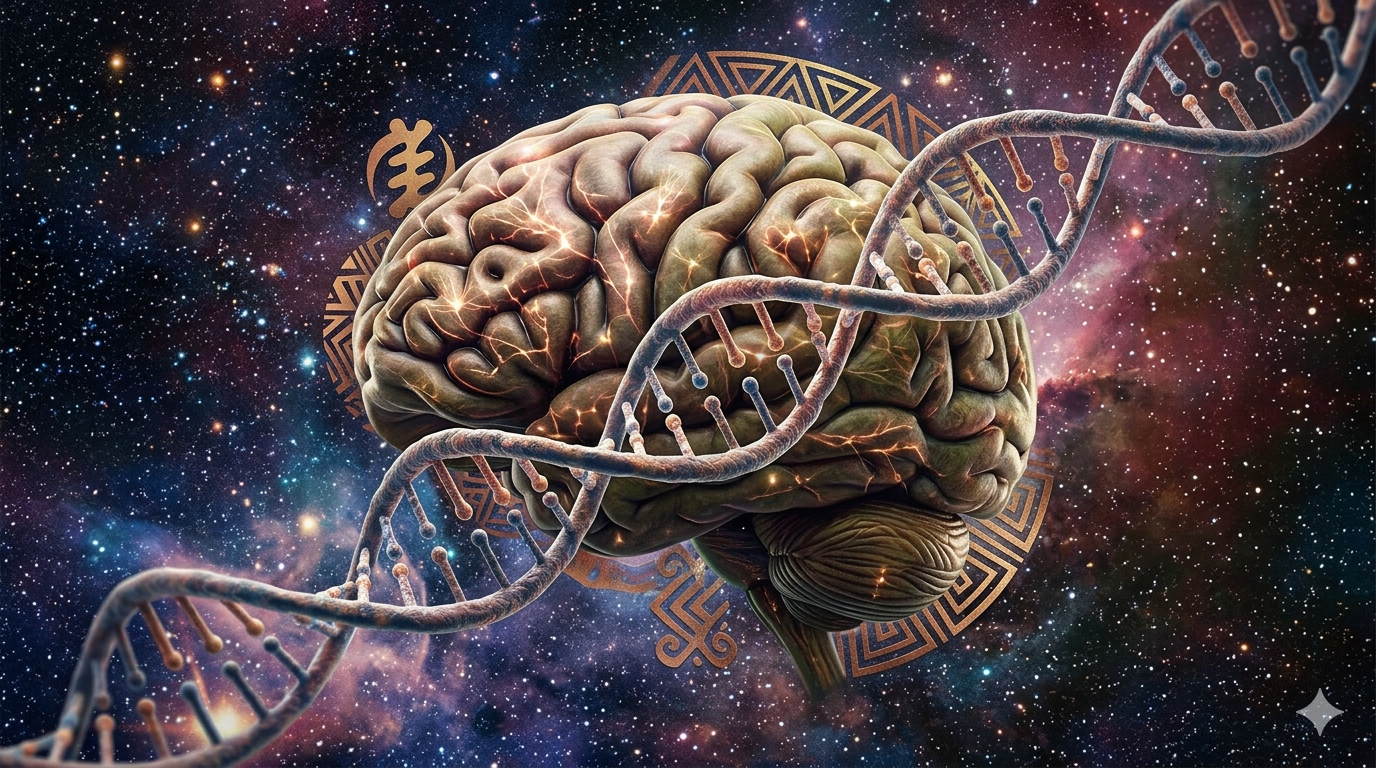
2. Strengthens Brain Development and Learning Ability
Research in early childhood education shows that activities like drawing, music, and crafts stimulate neural connections linked to memory, focus, and pattern recognition.
Organizations like UNESCO emphasize that integrating arts into learning improves academic outcomes and cognitive flexibility.
In simple terms: creative kids often become better learners.
3. Boosts Confidence Through Small Wins
One of the most powerful things I’ve observed is how children react after completing a simple project.
Even something as small as:
- Finishing a drawing
- Building a paper craft
- Performing a short skit
…creates a sense of achievement.
Over time, this builds confidence, independence, and willingness to try new things.
4. Improves Problem-Solving Skills Naturally
Creative activities force children to make decisions:
- “What color should I use?”
- “How do I fix this?”
- “What happens if I try this instead?”
These small decisions build critical thinking skills without pressure.
5. Supports Emotional Well-Being and Stress Relief
Creative expression has been linked to reduced stress and improved mood in children.
The National Endowment for the Arts highlights how arts engagement supports emotional resilience and mental well-being.
This is especially important in today’s fast-paced, high-pressure environments.
Types of Creative Arts (And What Each One Develops)
Not all creative activities develop the same skills. A balanced mix gives the best results.
Visual Arts (Best for Focus and Motor Skills)
Examples:
- Drawing, painting, coloring
- Collage and craft-making
- Clay modeling
What kids develop:
- Hand-eye coordination
- Patience and attention to detail
- Visual thinking
Performing Arts (Best for Confidence and Communication)
Examples:
- Singing and dancing
- Acting and role-play
- Puppetry
What kids develop:
- Public confidence
- Communication skills
- Teamwork
Literary Arts (Best for Thinking and Expression)
Examples:
- Story writing
- Poetry
- Journaling
What kids develop:
- Vocabulary and language skills
- Imagination
- Structured thinking
Craft-Based Activities (Best for Creativity + Problem-Solving)
Examples:
- DIY crafts
- Recycled material projects
- Beadwork or simple designs
What kids develop:
- Resourcefulness
- Planning skills
- Creativity under constraints
Age-Appropriate Creative Activities (What Works Best)
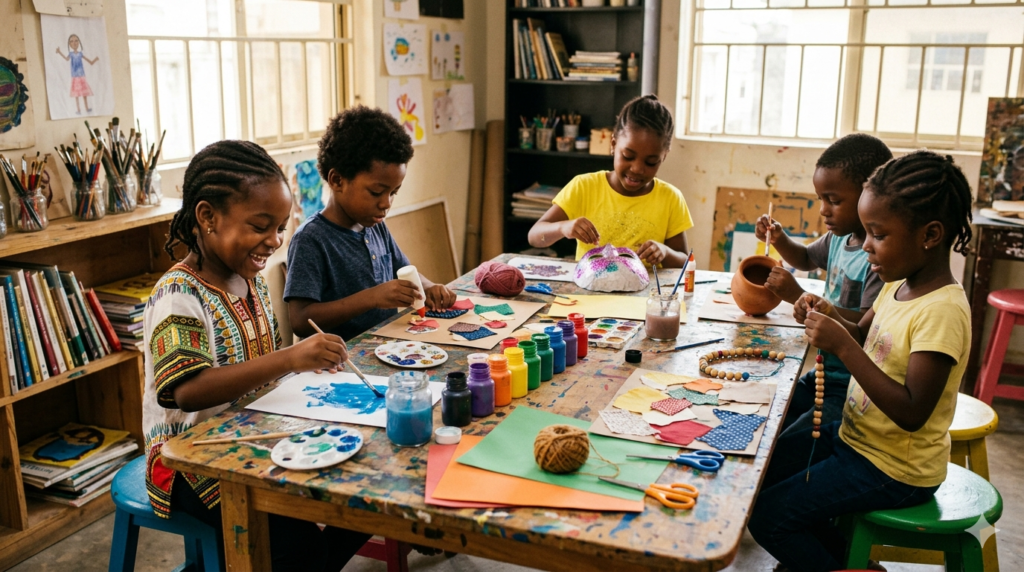
Ages 2–4 (Exploration Stage)
Best Activities:
- Finger painting
- Playdough
- Singing simple songs
Focus on messy exploration, not perfection.
Ages 5–8 (Discovery Stage)
Best Activities:
- Drawing and simple crafts
- Storytelling and pretend play
- Beginner music
This is where interests start forming.
Ages 9–12 (Skill-Building Stage)
Best Activities:
- Structured art projects
- Creative writing
- Drama and performance
Let kids choose what they enjoy most—this boosts long-term engagement.
7 Simple Ways to Encourage Creative Arts at Home (Even on a Budget)
You don’t need expensive tools—just the right approach.
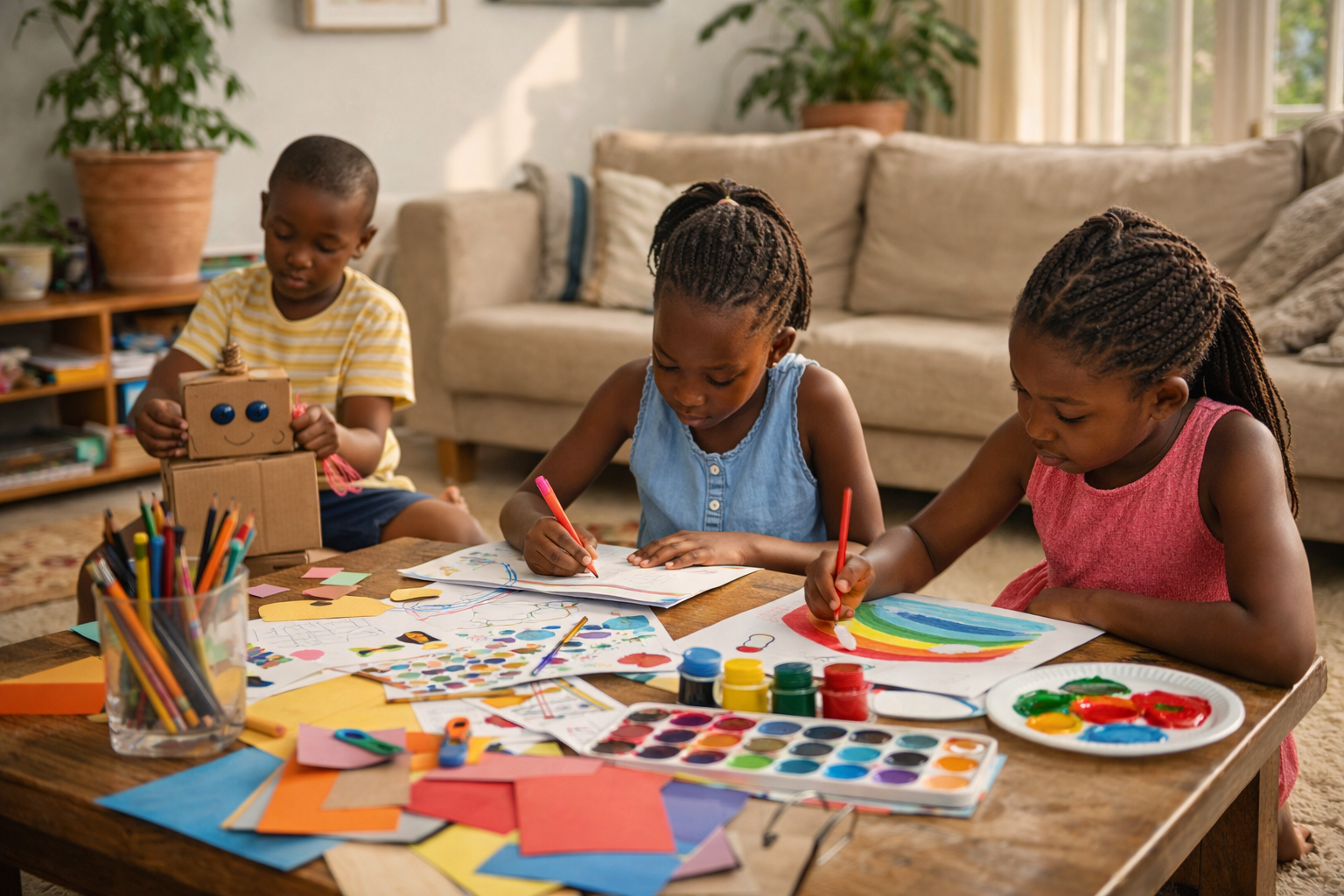
1. Create a Small “Creative Corner”
It could be:
- A table
- A box of supplies
- Even a floor mat
Consistency matters more than size.
2. Start With Basic Materials
You only need:
- Paper, pencils, crayons
- Glue and scissors
- Old newspapers, cartons
Many of the best activities come from simple materials.
3. Let Kids Lead (Avoid Over-Correcting)
One common mistake parents make is saying:
- “Draw it this way”
- “That’s not correct”
Instead, allow freedom. Creativity thrives without strict rules.
4. Replace Some Screen Time With Creative Time
Even 20–30 minutes daily can make a noticeable difference.
5. Join Them Occasionally
From experience, children stay more engaged when adults participate—even briefly.
It strengthens both motivation and bonding.
6. Praise Effort, Not Just Results
Say:
- “I like how you tried something new”
- “That’s a creative idea”
This builds confidence and resilience.
7. Keep It Short and Fun
If a child gets bored, stop.
Forcing creativity often kills interest.
3 Quick, Low-Cost Creative Activities You Can Start Today
1. The “Draw Your Day” Activity (10 minutes)
Ask your child to draw:
- Their favorite moment today
Builds reflection and emotional awareness.
2. DIY Story Game
Start a story:
- “Once upon a time…”
Let your child continue.
Boosts imagination and communication.
3. Recycled Craft Challenge
Give:
- Empty boxes
- Bottles
- Paper
Ask:
“What can you create from this?”
Signs Creative Activities Are Working
You’ll start noticing:
- Better focus
- Increased confidence
- More curiosity
- Improved communication
These are strong indicators of healthy development.
Common Challenges (And Real Solutions)
“My child isn’t interested”
Try different formats (art, music, drama).
Keep sessions short.
Make it playful.
“I don’t have time”
Use weekends.
Encourage independent creativity.
Combine with playtime.
“Art supplies are expensive”
Use recycled materials.
Focus on basics.
Explore nature-based art.
Long-Term Benefits of Creative Arts
Children who engage in creative activities often develop:
- Strong problem-solving skills
- Emotional intelligence
- Adaptability
- Confidence in expressing ideas
These are future-proof skills valuable in any career path.
Final Thoughts
Creative arts are not just an “extra activity”—they are a foundation for how children think, feel, and grow.
You don’t need to be an expert or spend a lot of money.
What matters most is:
- Consistency
- Encouragement
- Freedom to explore
Start small, stay consistent, and you’ll begin to see something powerful:
A child who is not just learning—but creating, expressing, and thriving.