






Hauwa Yusuf

Home » Archives for Hauwa Yusuf » Page 4

How to Build Critical Thinking Skills Through Educational Activities

In today’s rapidly evolving world, critical thinking is no longer optional — it’s essential. With information overload, complex global challenges, and ever-changing workplaces, individuals who can evaluate evidence, analyze assumptions, and make reasoned judgments are better equipped for success. As an educator with five years of experience facilitating classroom discussions and problem-solving activities, I’ve seen…

Students collaborating in a classroom discussion, analyzing ideas and solving problems together to build critical thinking skills through educational activities.

What Are the Seven Stages in Curriculum Development?

Every effective education system — from primary schools to universities and training programs — depends on one foundational element: curriculum. The curriculum shapes what students learn, how they learn, and why they learn it. It impacts everything from instructional strategies to assessment tools and long-term student success. But how do educators and policymakers design a…

Educators collaborating on curriculum planning using charts, lesson frameworks, and digital tools in a modern classroom setting

What Are the 4 C’s of Curriculum Development?

Understanding the Role of Curriculum Development in Modern Education In today’s rapidly evolving educational landscape, curriculum development has become more dynamic and strategic than ever before. Teachers, education policymakers, and curriculum designers are no longer solely concerned with what students should learn — they are asking how learners can best develop the competencies needed to…

Illustration showing the 4 C’s of curriculum development—communication, collaboration, critical thinking, and creativity—in modern education.

Top AI Tools Every Teacher Should Use in the Classroom

In today’s fast-evolving educational landscape, AI tools are rapidly transforming how teachers teach and students learn. From automating grading to personalizing instruction, artificial intelligence is no longer just a buzzword — it’s a powerful ally in the classroom. As educators strive to meet diverse learning needs and prepare students for a digital future, the right…

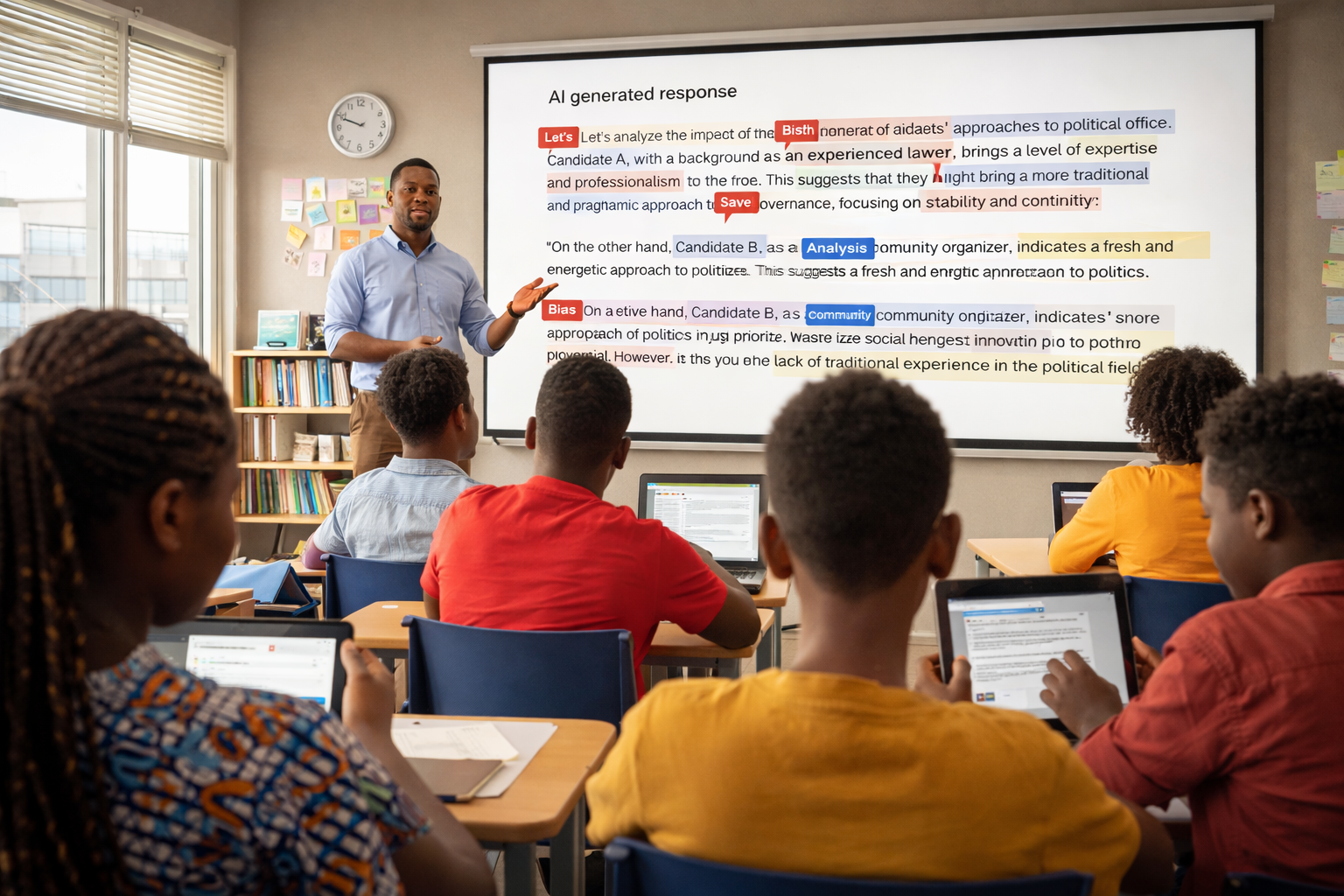
Teacher using AI tools on a digital tablet in a modern classroom while students engage with interactive technology-based learning.

Do Kids with ADHD Struggle with Math?

Mathematics is a core academic subject, yet for many children, it presents ongoing difficulty. These challenges often become more pronounced for students with ADHD (Attention-Deficit/Hyperactivity Disorder). Educators, parents, and caregivers frequently ask: Do kids with ADHD struggle with math more than their peers? And if so—why? The answer is complex, rooted in both the neurological…

A child with ADHD concentrating on solving math problems in a classroom setting with supportive learning materials.

What Kind of Course Is Special Education? A Complete Guide

In classrooms around the world, educators work with students of diverse learning styles, abilities, and needs. One of the most impactful academic fields that prepares teachers and professionals for this challenge is special education. Whether you’re a prospective teacher, parent, or student considering further study, understanding what kind of course special education is can help…

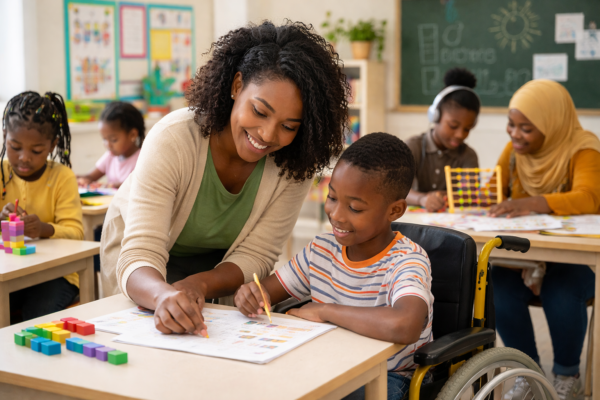
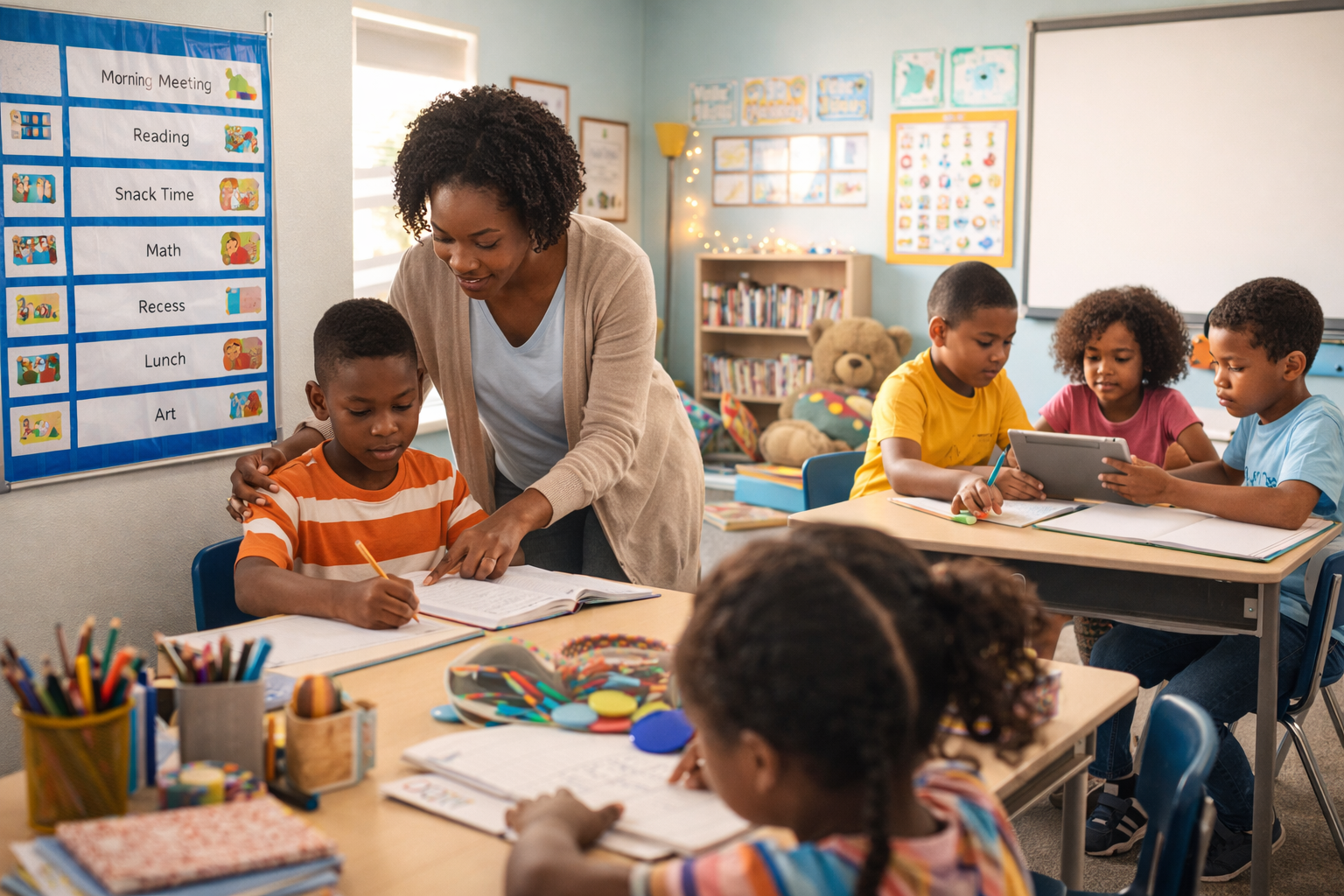
Special education teacher working one-on-one with a diverse group of students in an inclusive classroom using learning support materials.

The Art of Teaching: Practices Every Educator Should Know

Teaching is at once craft and science. It’s an interpersonal art—built on rapport, clarity, and empathy—and a practice increasingly informed by rigorous research. Whether you’re a new teacher, a university lecturer, or a seasoned educator looking to refresh your approach, this guide distills the latest evidence into classroom-ready principles and concrete techniques you can use…

Teacher guiding students in active learning classroom

The benefits of experiential learning: why hands-on is better

Learning by doing isn’t a trend — it’s a research-backed approach that outperforms passive instruction in many meaningful ways. In this post I’ll explain what experiential learning is, summarize the strongest recent evidence for why hands-on approaches work, lay out the specific benefits (retention, engagement, transferable skills, creativity, and motivation), and finish with practical tips…

Discover why experiential learning (hands-on learning) boosts retention, engagement, creativity

Why Is Special Needs Education Important?

Education shapes how individuals understand the world, develop essential skills, and participate meaningfully in society. Through direct involvement with inclusive classrooms and interactions with learners who have diverse abilities, one reality becomes clear: when education is adapted to meet individual needs, learners who once struggled can thrive. For children and adults with special needs, access…

Inclusive classroom with a teacher supporting students with disabilities during a special needs education lesson.