


Hauwa Yusuf

Home » Archives for Hauwa Yusuf

How Schools Can Integrate AI Without Sacrificing Critical Thinking Skills

Artificial intelligence is rapidly transforming classrooms. From adaptive learning platforms to AI-powered writing assistants, schools are experimenting with tools that promise efficiency and personalization. Yet one question continues to surface among educators and school leaders: Can schools integrate AI without weakening students’ critical thinking skills? Based on emerging research, classroom pilots, and guidance from global…
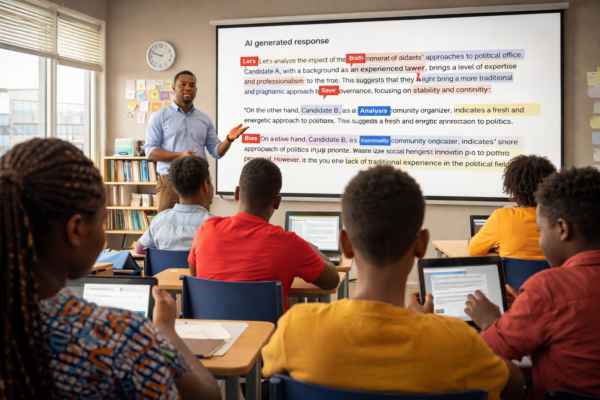
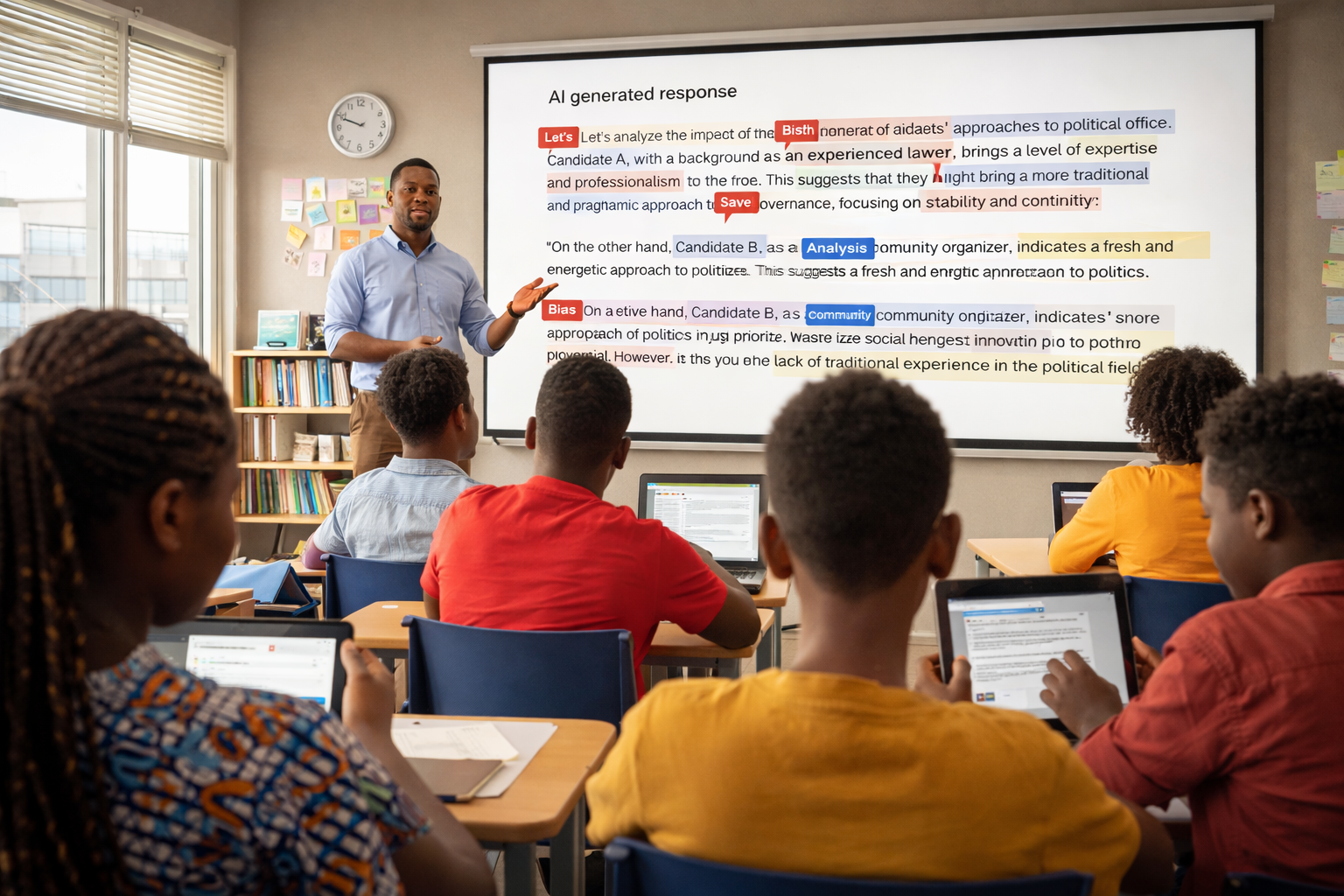
Teacher guiding students as they analyze AI-generated content in a classroom discussion about critical thinking and responsible AI use in schools.

How to Support Students With Autism in the Classroom

Creating an inclusive classroom is not simply a goal—it is a professional responsibility. Over the past decade working in inclusive elementary and middle school classrooms, I have seen firsthand how small, intentional adjustments can dramatically improve outcomes for students on the autism spectrum. Students with autism spectrum disorder (ASD) can thrive academically, socially, and emotionally…

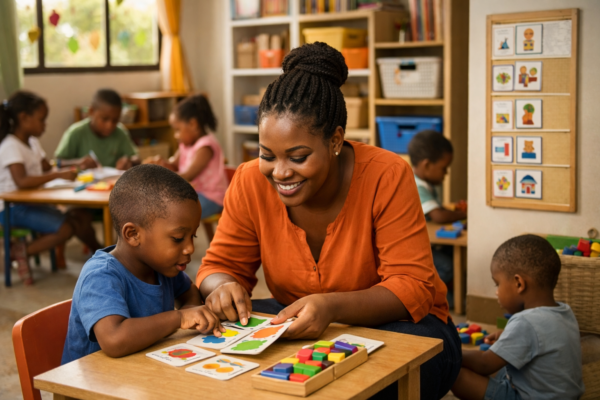
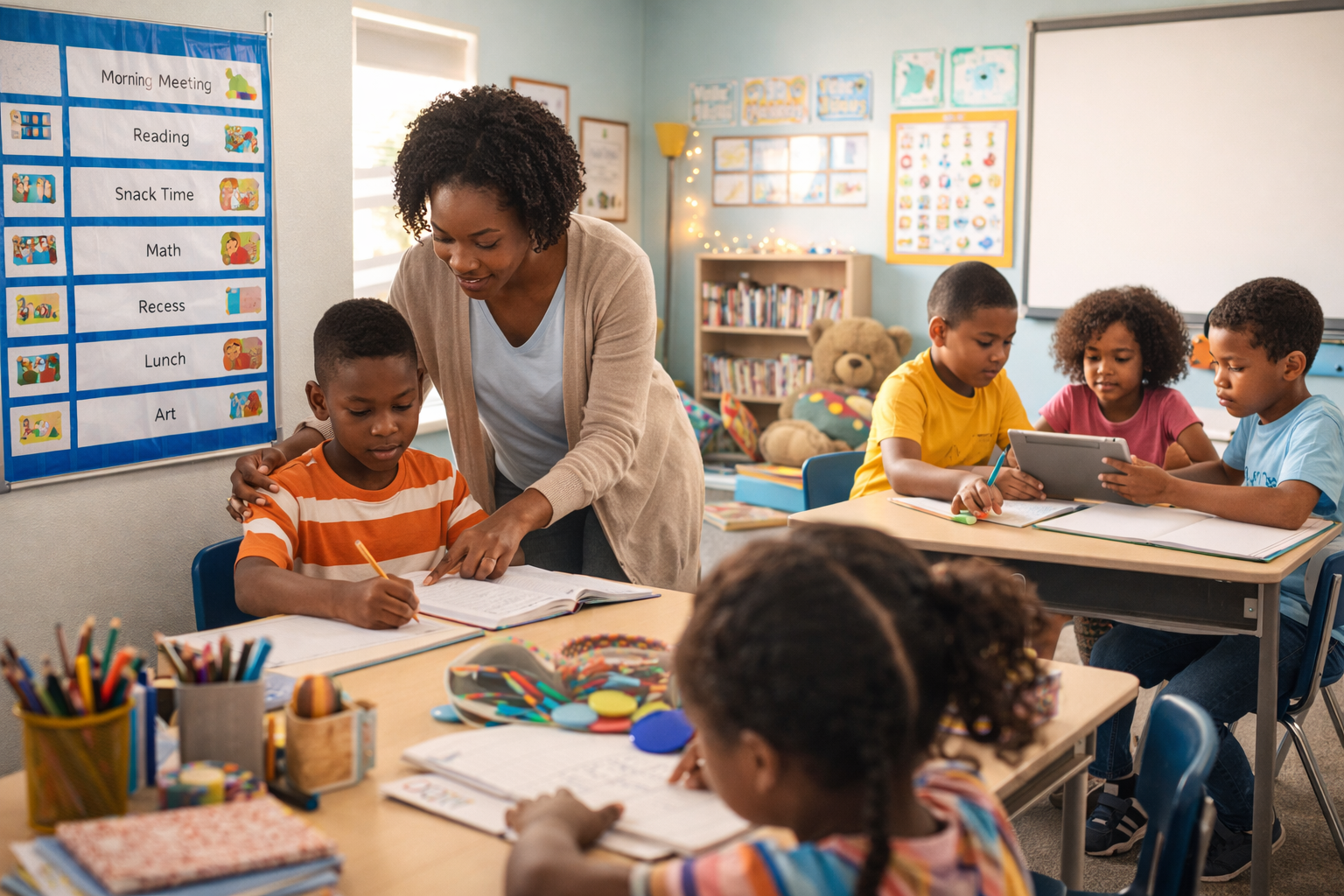
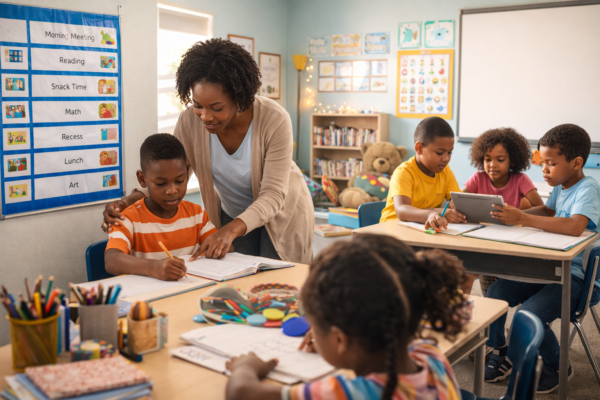
Elementary classroom with visual schedule and teacher supporting a student with autism during structured learning activity

The Quality of Education in Nigeria: Data, Realities, and What Must Change

Education is one of the most powerful drivers of national development. It shapes economic growth, reduces poverty, strengthens democratic institutions, and determines a country’s global competitiveness. In Nigeria, education is widely regarded as the primary pathway to opportunity and upward mobility. However, while access to schooling has expanded, serious concerns remain about learning quality, infrastructure,…

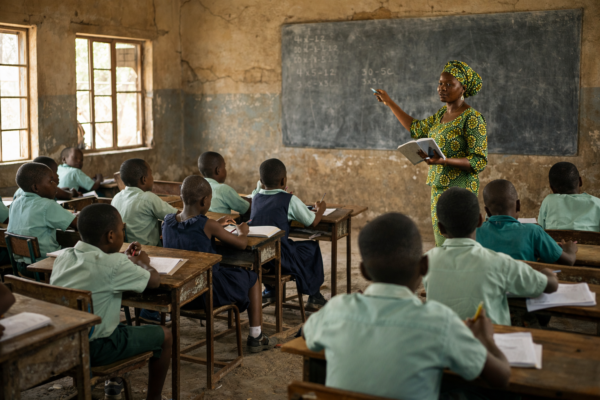
Students learning in a Nigerian classroom with mixed infrastructure conditions, highlighting education quality challenges in Nigeria

Best Language Learning Apps in 2026: Expert Guide to Choosing the Right One

Learning a new language no longer requires enrolling in expensive classroom courses. Today, high-quality mobile apps make it possible to build vocabulary, improve pronunciation, and practice conversation from your smartphone. But not all language learning apps are equally effective. After personally testing multiple platforms over several months — including structured daily practice, speech exercises, and…

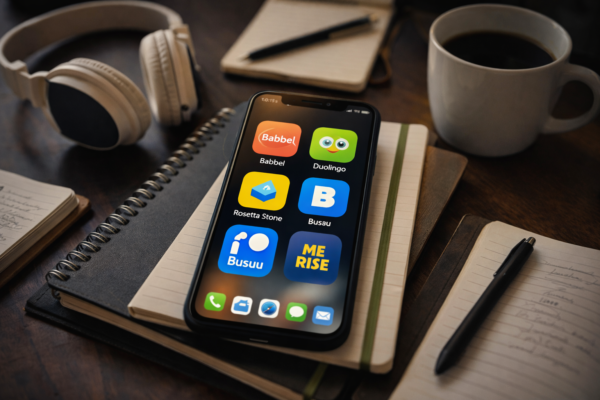
Smartphone displaying Duolingo, Babbel, Rosetta Stone, and Busuu apps for learning languages, surrounded by study materials.

What Is the Big Five in Education? Meaning, Research, and Practical Classroom Applications

When educators refer to the “Big Five” in education, they are usually talking about the Big Five personality traits. This scientifically validated psychological framework explains differences in behavior, motivation, and learning styles. These traits — known formally as the Five-Factor Model (FFM) — are: Originally developed through decades of personality research and refined by psychologists…

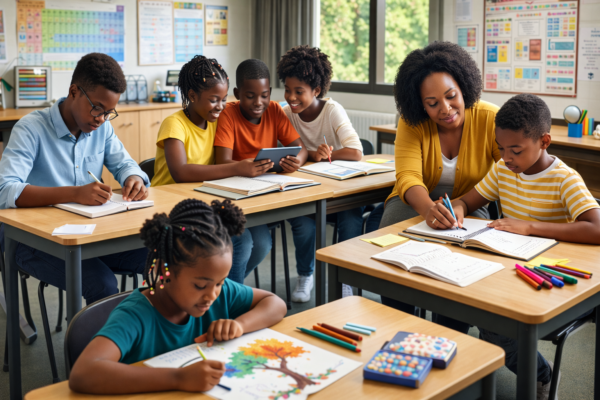
Illustration showing diverse students demonstrating the Big Five personality traits in a classroom setting, including collaboration, independent study, creativity, organization, and emotional regulation.

Can AI Help Students with Disabilities? Evidence-Based Guide to Inclusive Education

Short answer: Yes — when implemented thoughtfully, artificial intelligence (AI) can significantly improve accessibility, personalization, communication, and independence for students with disabilities. But AI is not a magic solution. Its effectiveness depends on ethical design, educator training, accessibility standards, and proper oversight. This guide explores: Why Inclusive Education Still Faces Barriers According to the World…

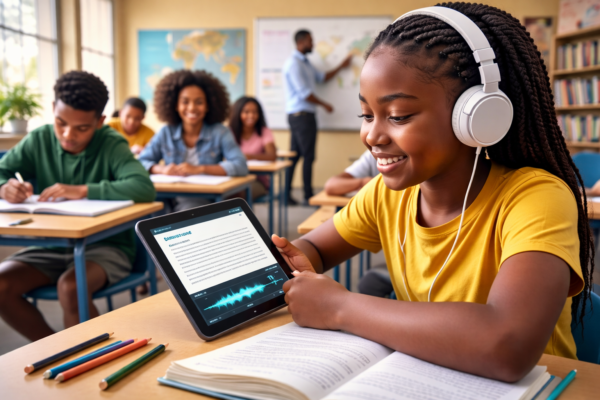
Student with dyslexia using AI text-to-speech software in an inclusive classroom supported by adaptive learning technology

What Are the 7 Elements of Learning? A Framework for Students and Educators

Learning is not a mysterious talent reserved for a few gifted individuals. It is a structured cognitive process that follows identifiable psychological and neurological principles. When those principles are understood and applied deliberately, learning becomes faster, deeper, and more durable. As someone who has worked with students preparing for exams and professionals developing new skills,…

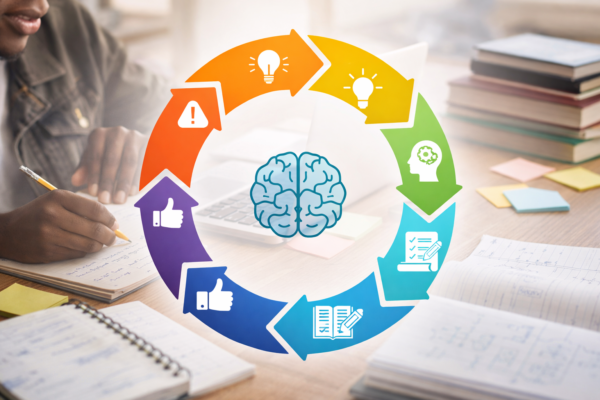
Diagram showing the 7 elements of learning—attention, motivation, prior knowledge, active engagement, practice, feedback, and application—arranged in a circular cognitive learning framework.

What Are the 5 Main Goals of Education in Nigeria?

Education is one of Nigeria’s most strategic instruments for national development, social cohesion, and individual empowerment. The philosophical foundation and specific goals of education in Nigeria are formally defined in the National Policy on Education, a document issued by the Federal Ministry of Education that guides how education is planned and implemented nationwide. (Scribd) Nigeria’s…

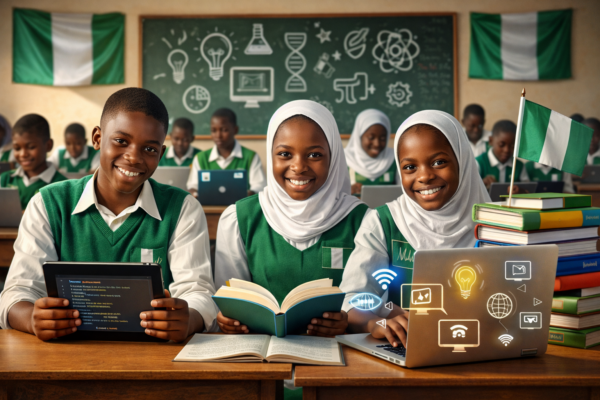
igerian students in a classroom learning about democracy, national unity, STEM, and personal growth as part of Nigeria's five main education goals

Which African country has the Best Education System?

An expert, data‑backed comparison based on UNESCO, World Bank & global university rankings Updated for 2026 with the latest verified education performance data. Introduction — What “Best Education System” Really Means Education is a multidimensional system: it’s not just about university prestige, but also literacy, enrollment, equity, learning outcomes, and investment. This article combines global…

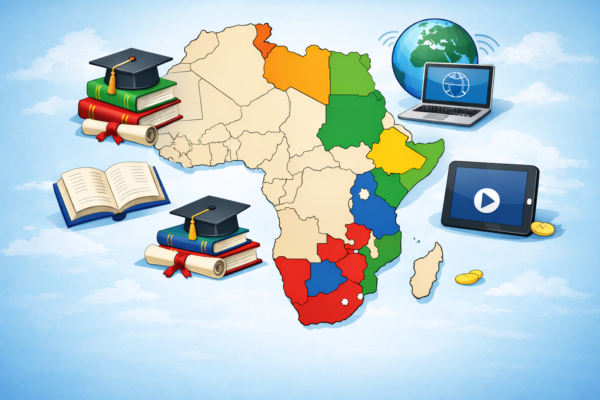
Map of Africa highlighting top education systems: Mauritius, South Africa, Tunisia, Kenya, Rwanda, and Botswana, with icons representing literacy, universities, and innovation in education.