




Special education is evolving faster than ever. In my experience working alongside special education teachers and observing inclusive classrooms, one thing has become clear: strategies that worked even five years ago are no longer enough on their own. New research, updated policies, and advances in technology are reshaping how educators support students with diverse learning needs.
Today’s teachers are expected not only to deliver instruction, but to create inclusive, emotionally supportive, and data-informed learning environments that help all students succeed. Staying informed about current special education trends is no longer optional — it is essential for effective teaching, compliance, and student outcomes.
This cornerstone guide explores five evidence-based trends shaping modern special education, explains why they matter, and offers practical insights teachers can apply immediately.
1. Inclusive Education and Co-Teaching Models
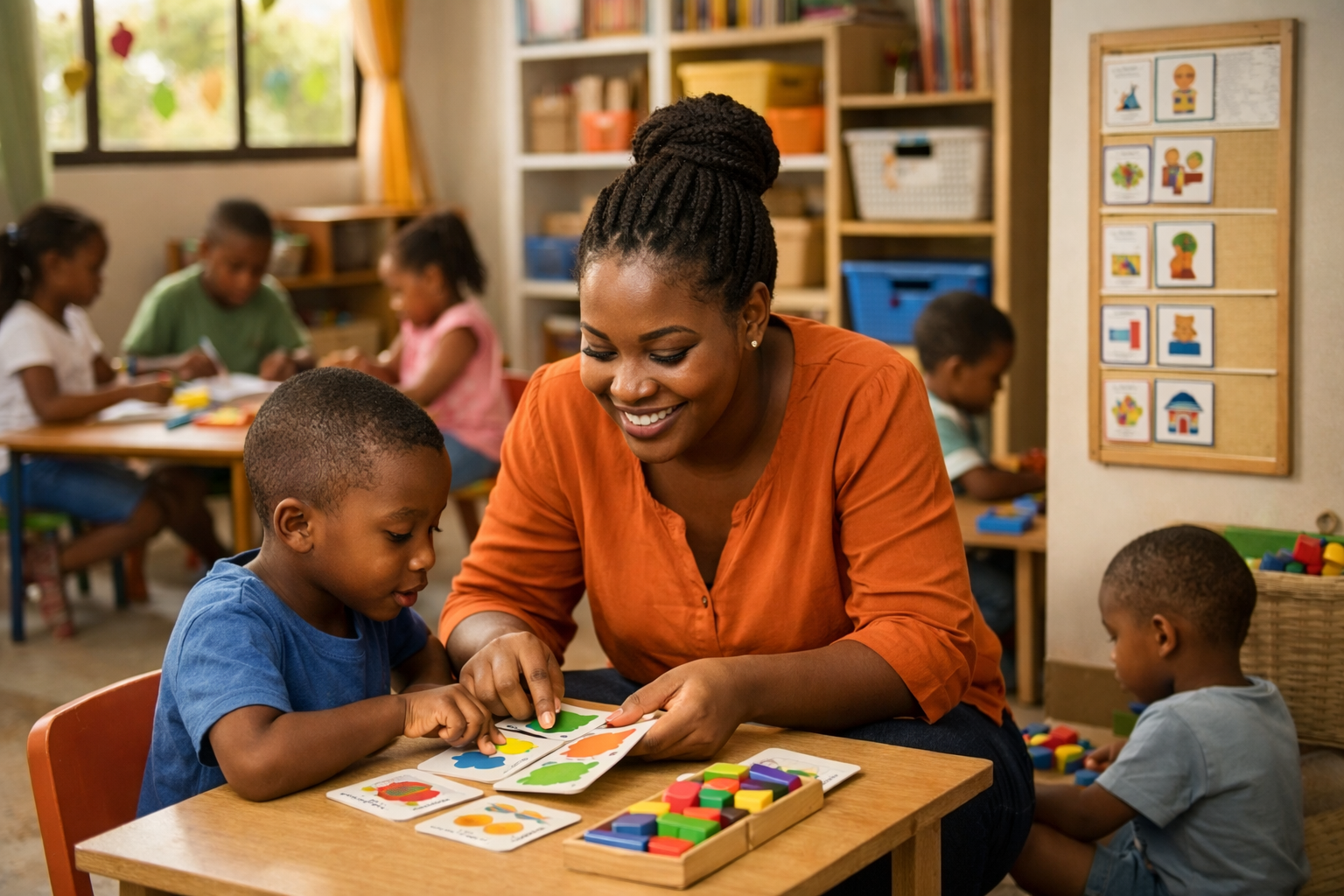
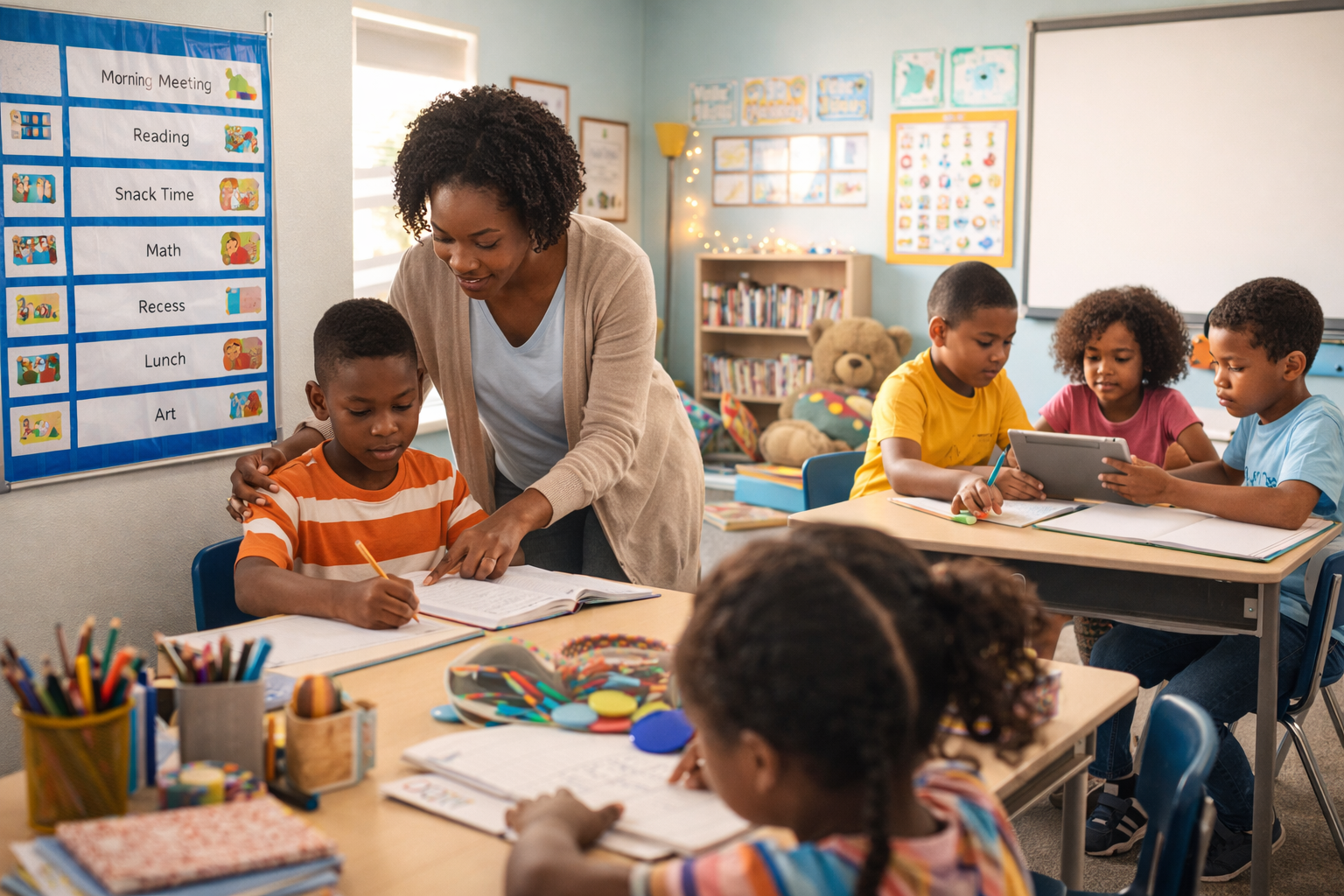
Inclusive education has become a central pillar of special education policy and practice worldwide. Rather than isolating students with disabilities in separate classrooms, schools are increasingly prioritizing placement in general education settings whenever appropriate.
What Inclusive Education Looks Like Today
In practice, inclusion goes far beyond placing students in the same room. Effective inclusion focuses on meaningful access to the curriculum, aligned with the least restrictive environment (LRE) mandate of the Individuals with Disabilities Education Act (IDEA) (U.S. Department of Education).
Common inclusive strategies include:
- Co-teaching models, where general and special educators share instructional responsibility
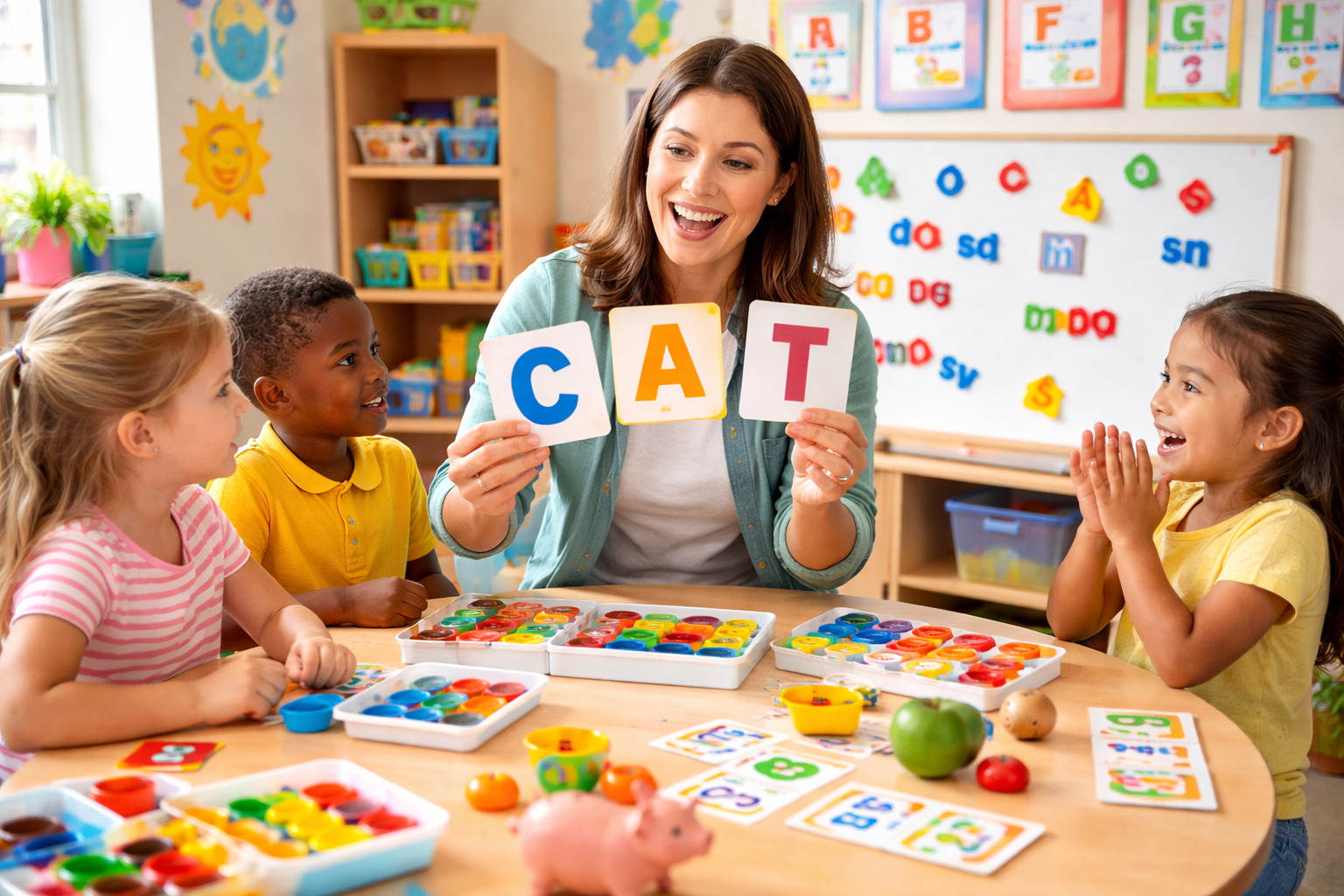
- Differentiated instruction, adjusting content, process, and assessment
- Universal Design for Learning (UDL) frameworks that provide multiple ways to engage, represent information, and demonstrate understanding (CAST, 2018)
In classrooms I’ve observed, co-teaching works best when both teachers plan together consistently, rather than dividing roles informally.
Why This Trend Matters
Multiple studies show that inclusive classrooms can lead to improved academic achievement and stronger social outcomes for students with disabilities when proper supports are in place (UNESCO; U.S. Department of Education). General education students also benefit through increased collaboration skills and empathy.
Key takeaway: Inclusion succeeds when it is intentional, well-supported, and aligned with evidence-based practices — not when it is treated as simple placement.
2. Technology-Driven Assistive Tools
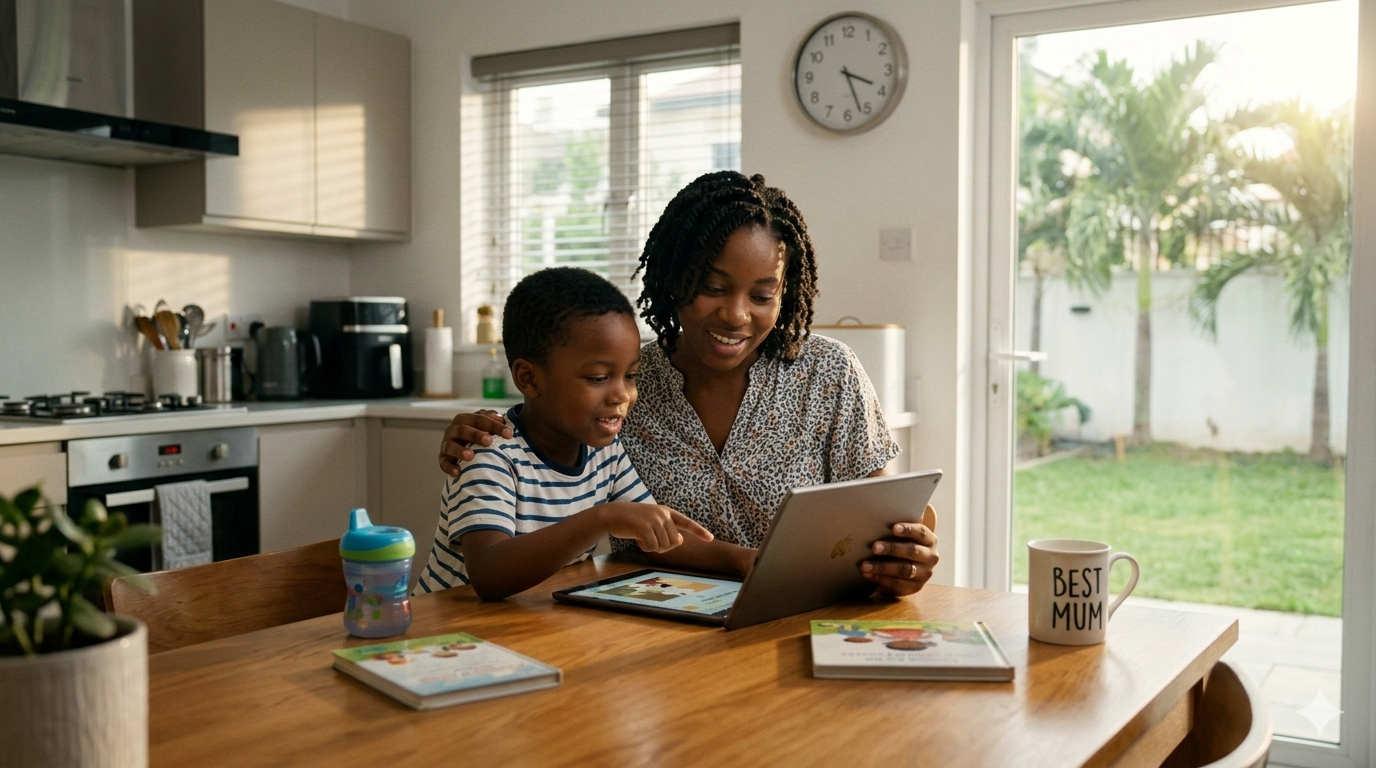
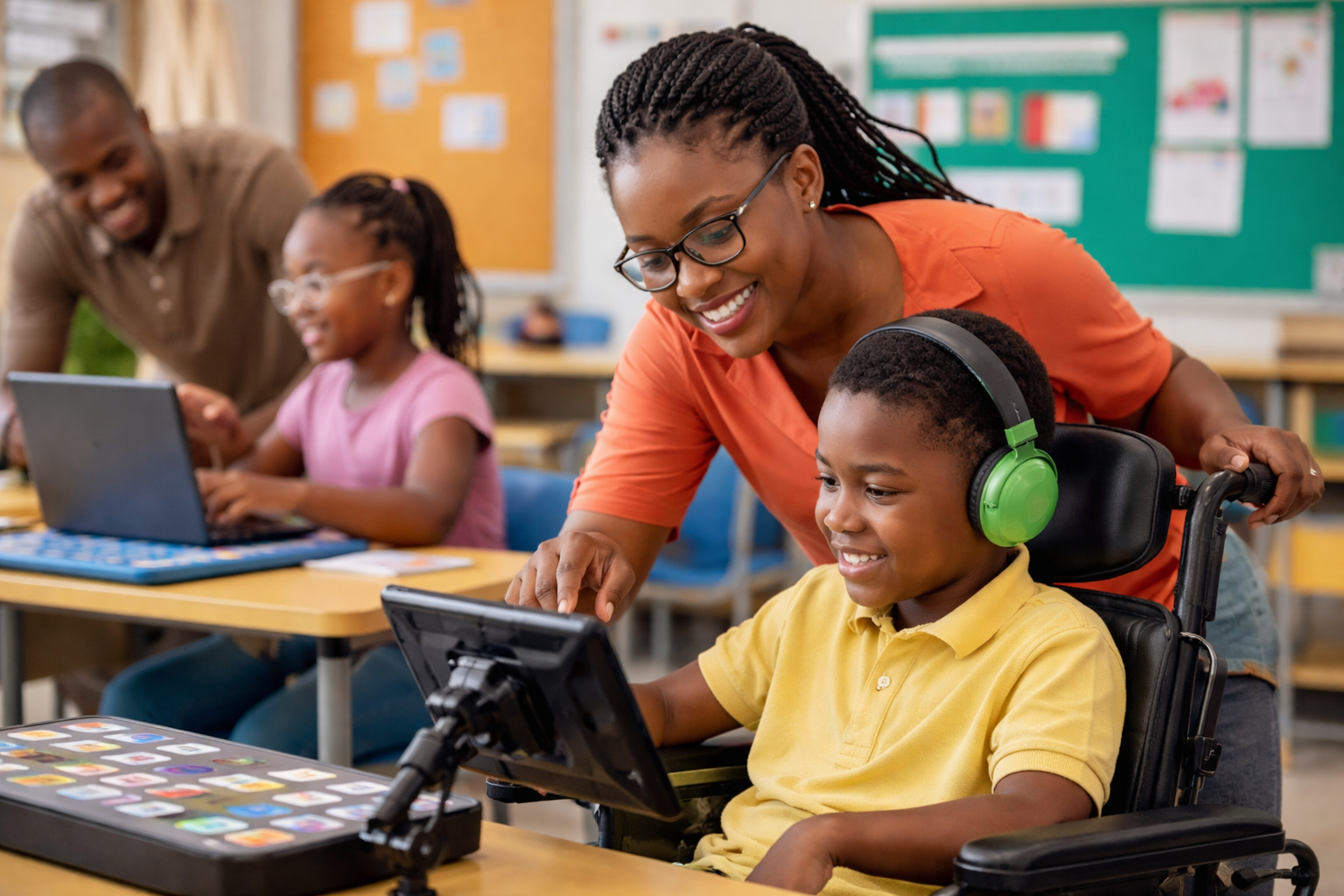
Technology has transformed special education by reducing barriers that once limited student participation. Assistive technology (AT) tools are now more affordable, accessible, and customizable than ever before.
Common Assistive Technologies in Today’s Classrooms
Teachers are increasingly using:
- Text-to-speech and speech-to-text tools to support literacy and writing
- Visual schedules and behavior support apps for students with autism or ADHD
- Adaptive learning platforms that adjust difficulty based on student performance
- Augmentative and Alternative Communication (AAC) devices for nonverbal or minimally verbal students
According to the National Center for Education Statistics, assistive technology improves access to grade-level content and supports student independence when implemented correctly.
Effective Use in Practice
One common mistake I’ve seen is introducing too many tools at once. Research and practice both suggest starting with one targeted tool, modeling its use, and monitoring progress before expanding (Council for Exceptional Children).
Key takeaway: Assistive technology enhances instruction — it does not replace strong teaching or individualized planning.
3. Personalized Learning Through Data-Driven IEPs
Individualized Education Programs (IEPs) remain the foundation of special education, but their design and implementation are becoming more data-driven and student-centered.
How IEPs Are Evolving
Modern IEP practices increasingly emphasize:
- Frequent formative data collection, not just annual assessments
- Student involvement in goal setting and self-monitoring
- Flexible instructional strategies that adjust as progress data changes
- Collaboration with families and multidisciplinary teams
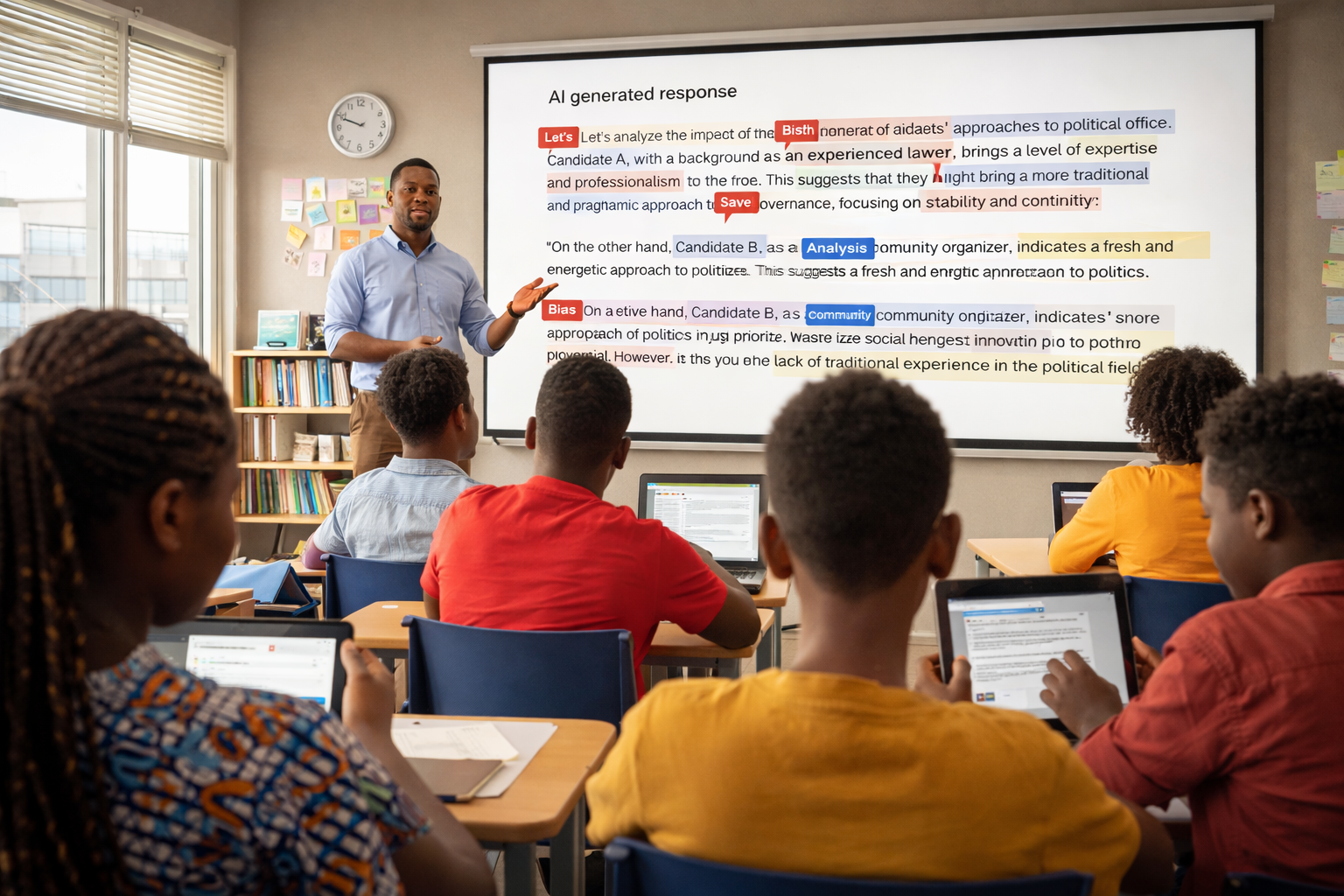
Digital IEP platforms now allow teachers to track progress in real time, improving accuracy and compliance (U.S. Department of Education).
Why This Matters for Students
Personalized learning grounded in data helps ensure that goals are realistic, ambitious, and responsive. When students understand their goals and see their progress, engagement and motivation increase — a pattern consistently supported in special education research.
Key takeaway: Data should guide instruction, not sit unused in compliance paperwork.
4. Social-Emotional Learning (SEL) as a Core Component
Social-emotional learning has become a priority in special education, particularly for students who face challenges with emotional regulation, social communication, or self-advocacy.
Key SEL Skills in Special Education
Teachers are increasingly embedding instruction in:
- Emotional awareness and self-regulation
- Positive peer interaction and communication
- Problem-solving and conflict resolution
- Self-advocacy and resilience
Many programs align with the CASEL framework, which identifies five core SEL competencies (CASEL, 2020).
Evidence Supporting SEL
Research shows that SEL improves academic outcomes, classroom behavior, and long-term independence, particularly for students with disabilities (Collaborative for Academic, Social, and Emotional Learning).
From a classroom perspective, consistent SEL practices often lead to fewer disruptions and stronger teacher–student relationships.
Key takeaway: Emotional safety is foundational to academic learning — especially in special education.
5. Increased Focus on Teacher Training and Collaboration
Another major trend is the recognition that effective special education depends on well-supported educators.
What This Looks Like in Schools
Schools are investing more in:
- Ongoing professional development in evidence-based practices
- Training on neurodiversity and disability awareness
- Collaboration with therapists, counselors, and specialists
- Professional learning communities (PLCs) and interdisciplinary teams
According to the Council for Exceptional Children, collaboration significantly improves instructional consistency and reduces teacher burnout.
Long-Term Impact
Well-trained, collaborative teachers are more adaptable, confident, and effective. Just as importantly, shared responsibility ensures that no single educator is carrying the full weight of complex student needs.
Key takeaway: Strong systems support strong teachers — and strong teachers support students.
Practical Steps Teachers Can Take Today
Adapting to these trends does not require a complete instructional overhaul. Based on both research and classroom observation, small, intentional changes are often most effective:
- Start with one inclusive strategy and refine it
- Introduce assistive technology gradually
- Use student data weekly to guide instruction
- Embed simple SEL routines into daily lessons
- Actively seek collaboration and shared planning time
Progress in special education is built through reflection, flexibility, and continuous learning.
Conclusion: The Future of Special Education Is Intentional and Inclusive
Special education is moving toward a more inclusive, personalized, and holistic approach. The five trends explored — inclusive education, assistive technology, data-driven IEPs, social-emotional learning, and enhanced teacher collaboration — reflect a shared goal: helping every student reach their full potential.
For teachers, staying informed about these developments is essential not only for compliance, but for professional growth and meaningful impact. When applied thoughtfully, these trends create classrooms that are supportive, equitable, and responsive to diverse learning needs.
While tools, policies, and strategies will continue to evolve, one constant remains: dedicated teachers who are willing to adapt, learn, and advocate make the greatest difference of all.