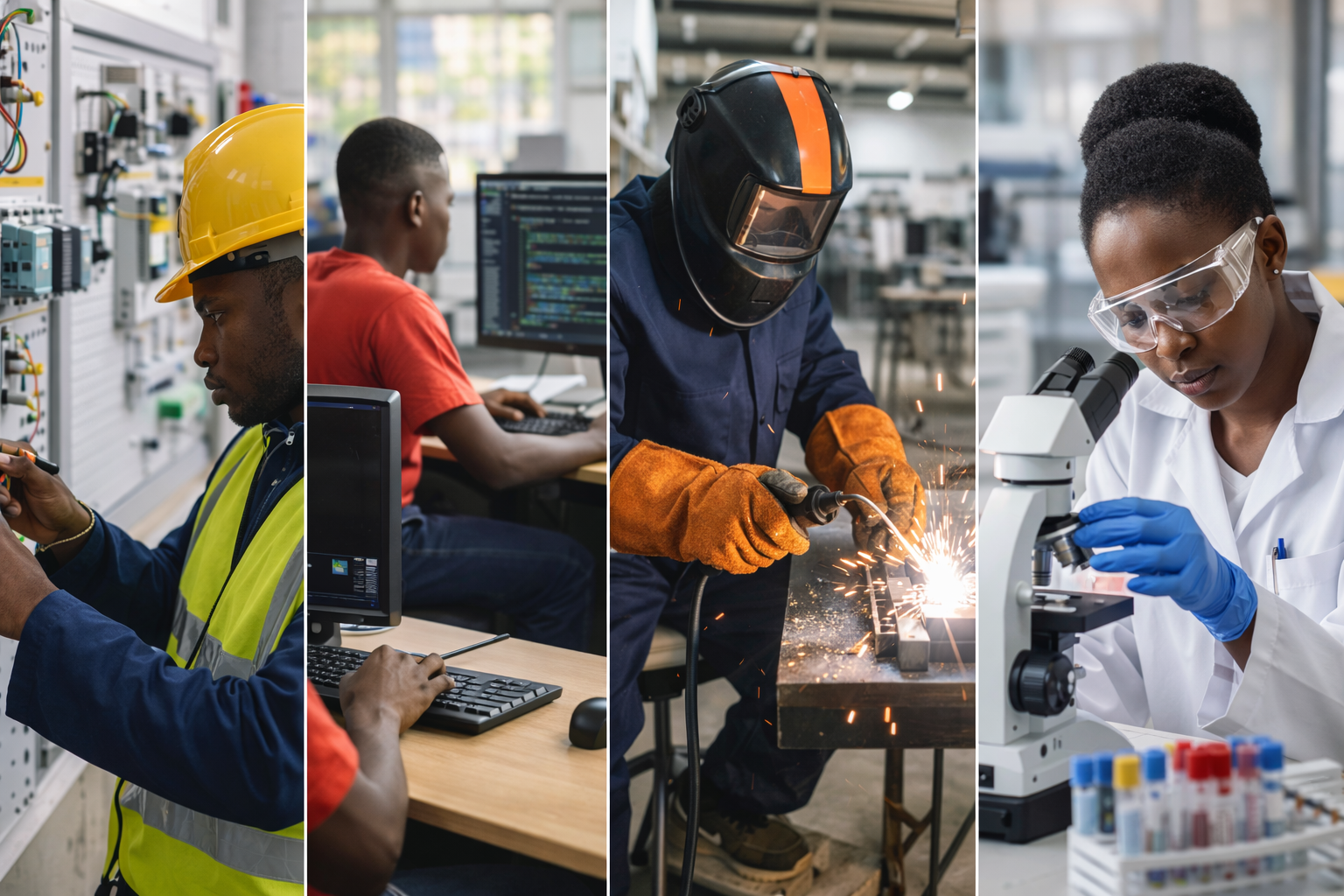









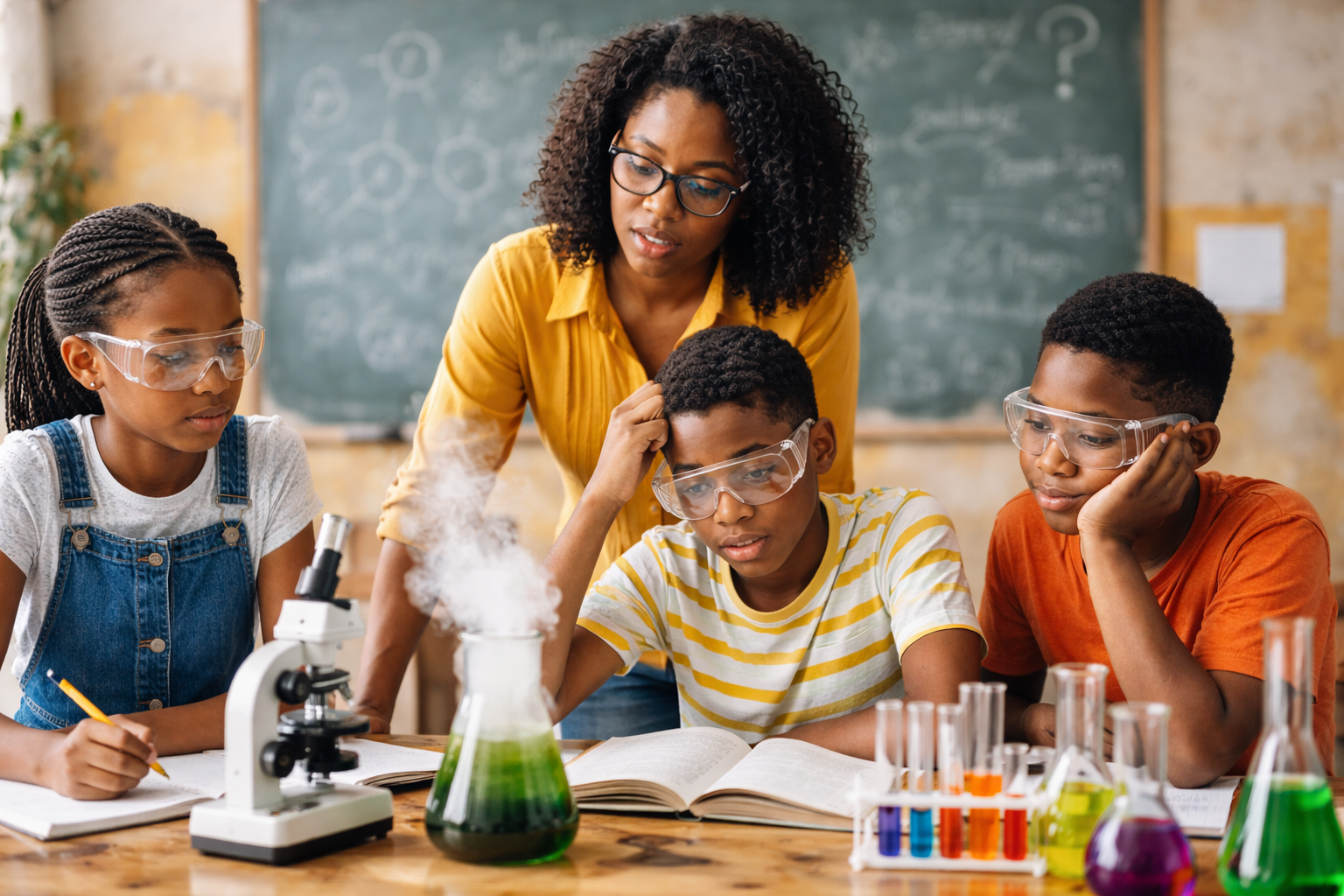
Science education is a critical driver of national development, innovation, and long-term economic resilience. Across Africa, where over 60% of the population is under the age of 25, strengthening science education is not merely an academic concern—it is a strategic necessity. From addressing public health challenges to accelerating industrial growth and climate resilience, science education underpins the continent’s capacity to compete in a rapidly evolving global economy.
Drawing on observed realities within African education systems, existing policy discussions, and widely reported institutional data, this article examines the current state of science education in Africa, the key barriers limiting its effectiveness, and the most promising pathways for sustainable improvement. The analysis is intended for educators, policymakers, researchers, development partners, and students seeking a clear, credible, and practical overview of the subject.
Why Science Education Matters for Africa’s Development
Science education equips learners with problem-solving skills, analytical thinking, and technical competencies essential for modern economies. Countries that invest consistently in science and STEM education are better positioned to:
- Strengthen healthcare systems and biomedical research
- Drive technological innovation and industrialization
- Respond effectively to environmental and climate challenges
- Develop a skilled workforce aligned with global labor market demands
In many African contexts, limited scientific capacity has resulted in continued reliance on imported expertise and technology. Expanding access to quality science education offers a pathway toward self-reliance, job creation, and inclusive growth.
Current State of Science Education in Africa
Science education outcomes across Africa remain uneven. While some countries have introduced curriculum reforms and expanded higher education access, many primary and secondary schools continue to face structural constraints.
Based on classroom observations reported by educators, development agencies, and academic institutions, common characteristics include:
- Increased enrollment without corresponding expansion of facilities
- Limited access to functional science laboratories, particularly in rural schools
- Shortages of qualified science teachers in physics, chemistry, and mathematics
- Strong student interest in science subjects but minimal hands-on experimentation
These challenges point to systemic gaps that cannot be resolved through isolated interventions alone.
Key Challenges Facing Science Education in Africa
Inadequate Infrastructure and Learning Resources
In many public schools, science is taught primarily as theory due to the absence of basic laboratory infrastructure. Teachers frequently report working without essential equipment, reagents, or safety facilities. In some rural areas, unreliable electricity and limited internet connectivity further restrict access to modern science instruction.
The lack of practical exposure significantly reduces conceptual understanding and weakens student motivation, particularly at the secondary school level.
Shortage of Qualified Science Teachers
Teacher quality remains one of the most critical determinants of science learning outcomes. Across several African countries, trained science teachers are in short supply, with urban schools often absorbing the majority of available specialists.
Contributing factors include:
- Limited access to specialized teacher training programs
- Low retention due to poor working conditions and remuneration
- Minimal professional development opportunities after initial certification
As a result, non-specialists are frequently assigned to teach science subjects, affecting both instructional quality and student performance.
Overcrowded Classrooms and Instructional Constraints
Rapid population growth and expanded school enrollment have led to overcrowded classrooms in many regions. Large class sizes limit the feasibility of:
- Safe laboratory experimentation
- Individualized student support
- Inquiry-based and interactive teaching methods
This environment often reinforces rote memorization rather than critical scientific inquiry.
Curriculum and Assessment Misalignment
In several education systems, science curricula remain outdated or disconnected from local realities. Excessive emphasis on memorization and high-stakes examinations discourages creativity, experimentation, and real-world application of scientific knowledge.
Assessments that prioritize theoretical recall over practical competence reduce incentives for schools to invest in laboratory-based learning.
Socioeconomic and Gender Barriers
Poverty continues to limit access to quality science education. Families with constrained resources may struggle to afford textbooks, laboratory fees, or supplementary learning materials.
Gender disparities persist in parts of the continent, where cultural expectations and limited role models discourage girls from pursuing science-related fields. This underrepresentation reduces the overall talent pool and slows scientific advancement.
Opportunities and Pathways for Improvement
Despite persistent challenges, several developments present realistic opportunities to strengthen science education across Africa.
Increased Investment in STEM Education
Many African governments, supported by international development partners, have increased funding for STEM education initiatives. These investments target:
- School infrastructure and laboratory development
- Teacher education and recruitment
- Curriculum modernization aligned with global standards
When transparently managed and sustained over time, such investments contribute to measurable learning improvements.
Technology-Enabled Science Learning
Digital innovation is expanding access to science education, even in resource-constrained environments. Virtual laboratories, open educational resources, and online teacher training platforms have proven effective in supplementing traditional instruction.
Mobile technology, in particular, has enabled students and teachers in underserved areas to access instructional content previously unavailable through physical infrastructure alone.
Contextualized and Relevant Curriculum Reform
There is growing recognition that science education must reflect African realities to remain meaningful. Contextualized curricula link scientific concepts to everyday experiences, such as:
- Agricultural science in farming communities
- Environmental science tied to local climate challenges
- Health science connected to community health priorities
This approach improves engagement, retention, and practical understanding.
Strengthening Teacher Training and Professional Support
Sustainable improvement in science education depends on continuous teacher development. Effective strategies include:
- Ongoing professional learning programs
- Incentives for deployment in underserved regions
- Mentorship and peer-learning networks
Well-supported teachers are more confident, innovative, and effective in the classroom.
Promoting Gender Inclusion in Science
Targeted initiatives aimed at girls’ participation in science have demonstrated positive outcomes. Successful programs emphasize:
- Visible female role models in STEM fields
- Safe and inclusive learning environments
- Community engagement and advocacy
Expanding gender inclusion strengthens educational equity and national scientific capacity.
Role of Higher Education and Research Institutions
Universities and research institutions play a central role in advancing science education by:
- Training future science educators
- Conducting research aligned with local development needs
- Collaborating with schools, industries, and policymakers
Stronger linkages between higher education and basic education systems enhance curriculum relevance and teaching quality.
Policy, Governance, and Long-Term Planning
Lasting progress in science education requires coherent policy frameworks and consistent implementation. Effective education policies prioritize:
- Equitable resource allocation
- Evidence-based monitoring and evaluation
- Long-term commitment beyond political cycles
Without continuity, reforms risk fragmentation and limited impact.
Conclusion
Science education in Africa remains a critical lever for sustainable development. While challenges such as inadequate infrastructure, teacher shortages, and curriculum gaps persist, the continent also possesses significant opportunities for transformation. Strategic investment, technology integration, contextualized curricula, and inclusive policies can collectively reshape science education outcomes.
By strengthening science education systems, African countries can empower young people, stimulate innovation, and build resilient societies capable of addressing both current and future challenges. Coordinated action among governments, educators, institutions, and communities will determine how effectively this potential is realized.