



Below is a ready-to-publish WordPress version of the blog post — properly formatted with H1–H3 headings, bullet points, optimized structure, and keywords based on ‘special education’.
In today’s evolving education system, special education plays a critical role in ensuring that every student — regardless of ability — receives the support they need to succeed academically, socially, and emotionally. Unlike traditional classrooms, special education is uniquely tailored to students with learning disabilities, behavioral challenges, developmental delays, and giftedness that requires customized instruction.
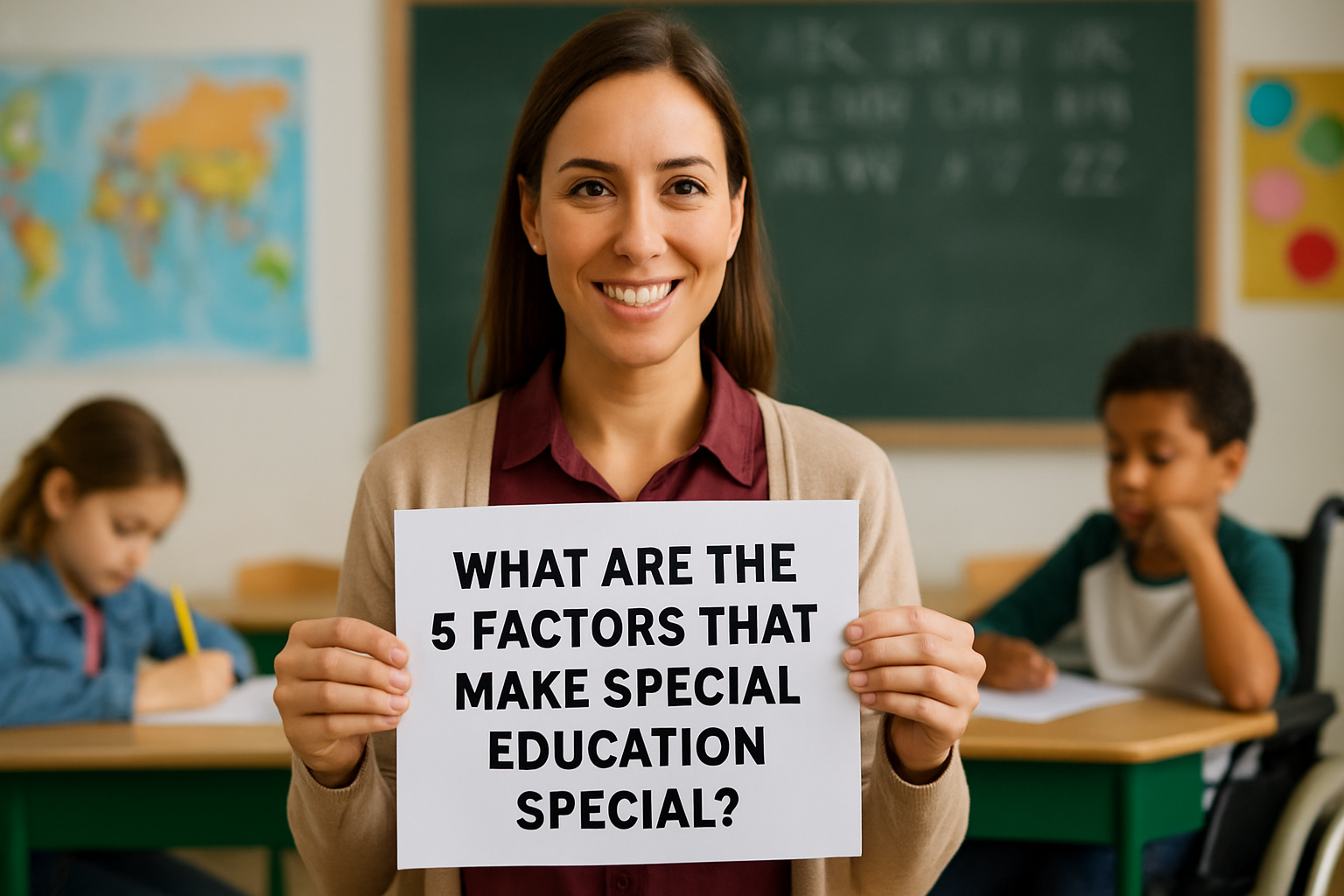
But what exactly makes special education “special”? What sets it apart? And why does it require specialized training, strategies, and collaboration?
In this post, we’ll explore five factors that make special education truly unique — supported by recent research and real-world insights.
1. Individualized Education Programs (IEPs): Personalized Learning at Its Core
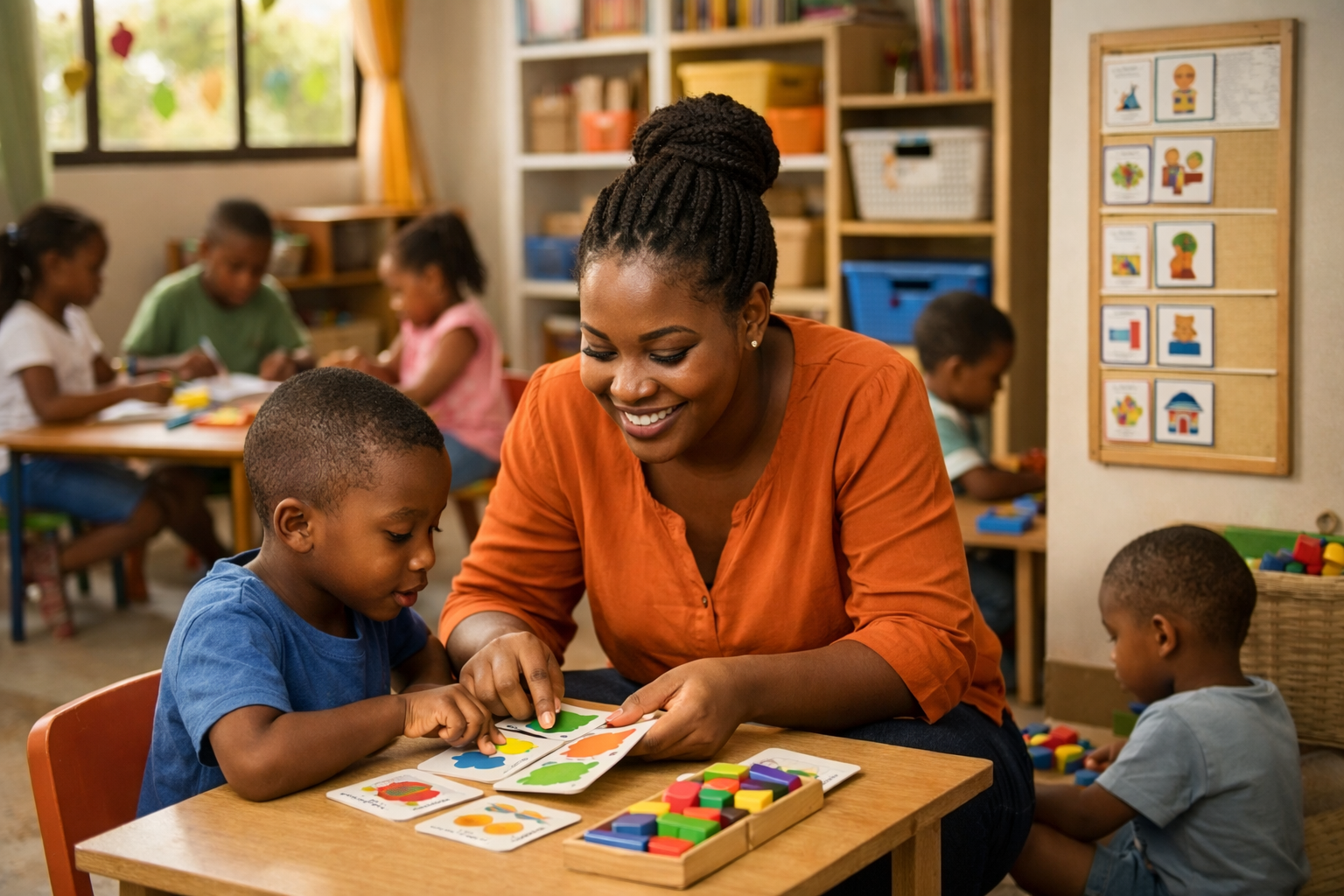
The foundation of special education lies in the Individualized Education Program (IEP) — a structured plan created for each student based on their specific needs.
According to a 2023 report by the U.S. Department of Education, over 7.5 million students currently receive special education services through IEPs — proving just how essential individualized instruction has become.
What Makes IEPs Special?
Each IEP includes:
- A clear profile of the student’s strengths and challenges
- Academic and behavioral goals
- Tailored teaching strategies and support tools
- Accommodations and modifications
- A dedicated team of teachers, therapists, and parents
Unlike traditional schooling, special education does not follow a “one-size-fits-all” model. An IEP ensures personalized success and measurable progress over time.
Key takeaway: IEPs offer legally protected, customized support — something standard classrooms cannot provide in the same depth.
2. Inclusive & Flexible Teaching Methods
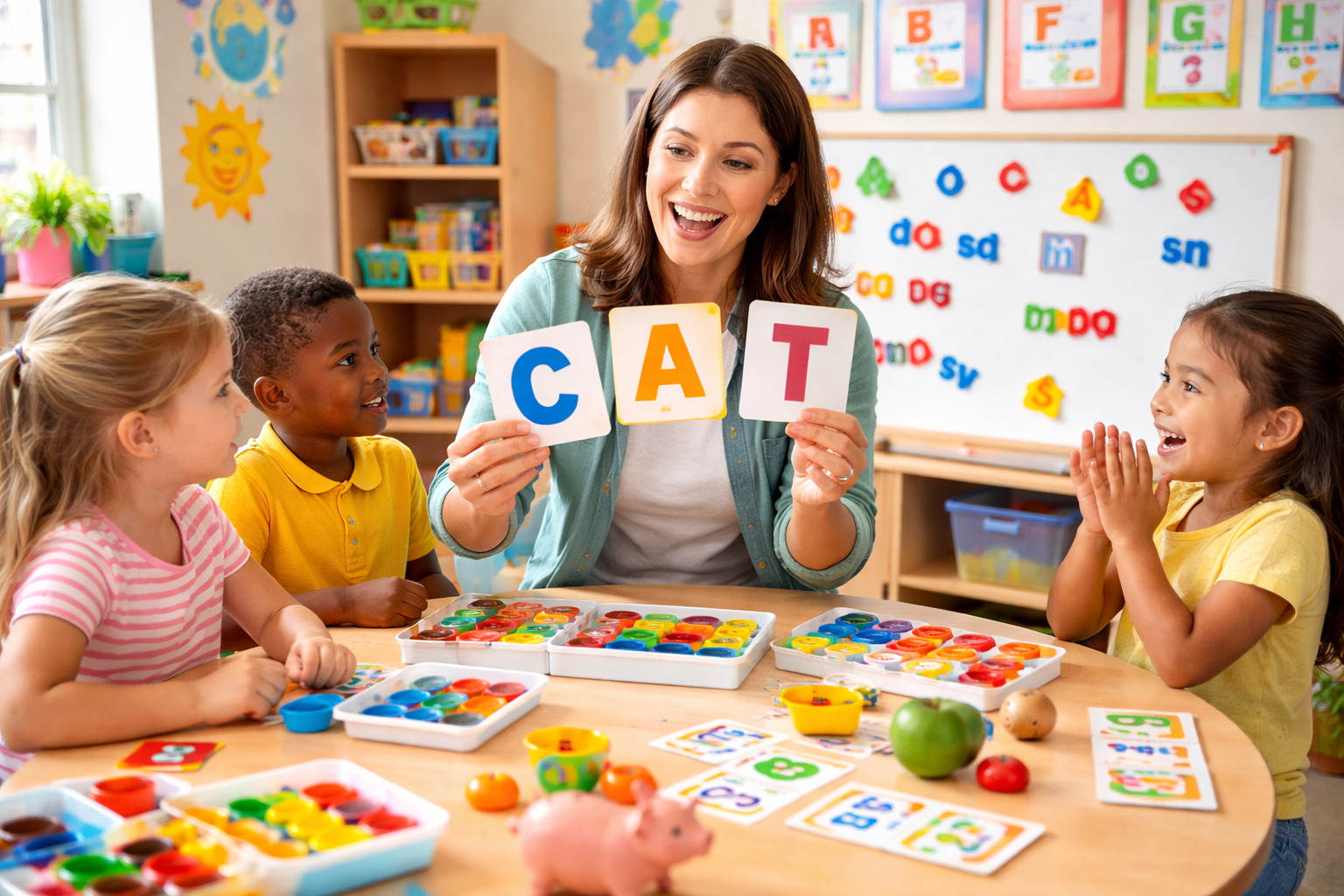
Special education uses diverse teaching strategies designed to suit different learning styles. This flexibility helps students better understand and retain information.
A 2023 study from the Harvard Graduate School of Education found that students with learning difficulties showed higher achievement when exposed to multisensory learning and scaffolded instruction.
Common Teaching Strategies in Special Education
| Strategy | Purpose |
|---|---|
| Differentiated Instruction | Adapting lessons to student levels |
| Multisensory Learning | Using visuals, movement, and sound |
| Task Analysis | Breaking skills into small steps |
| Behavior Interventions | Building emotional regulation |
| Scaffolded Learning | Gradual skill development |
Key takeaway: Special education embraces multiple pathways to learning — giving every student a chance to succeed.
3. Assistive Technology & Tools for Accessibility
Technology has transformed special education, making learning more interactive, engaging, and accessible.
According to the National Center for Learning Disabilities (2024), the use of assistive technology has increased classroom participation by up to 60% for students with learning challenges.
Examples of Assistive Technology
- Text-to-speech and speech-to-text software
- Visual schedules and timers
- Augmentative & Alternative Communication (AAC) devices
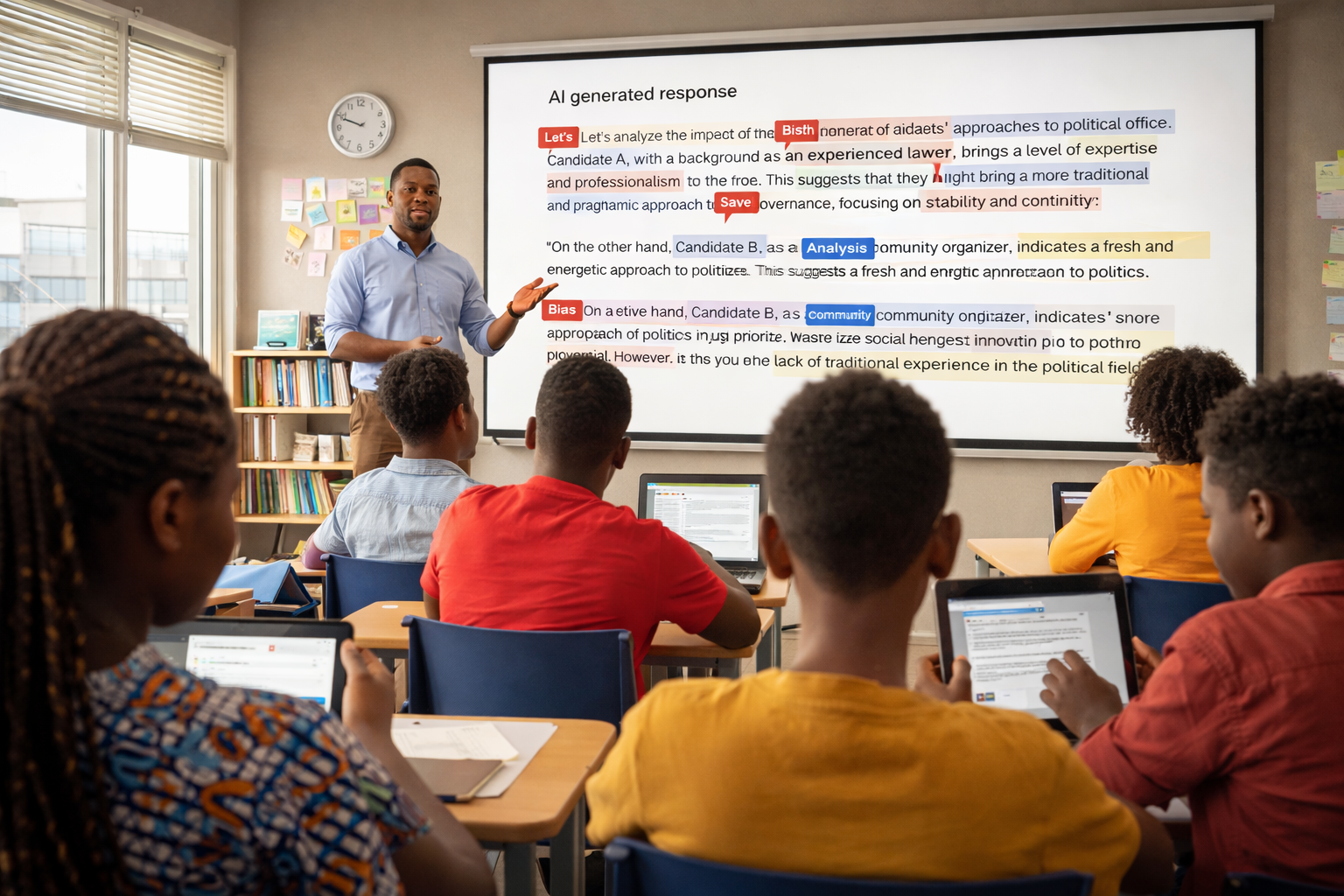
- Learning apps and AI tutors
- Audiobooks and interactive e-learning tools
These tools allow students to express understanding in alternative ways — reducing frustration and promoting independence.
Key takeaway: Assistive technology removes learning barriers and empowers students to thrive.
4. Strong Collaboration Between Teachers, Parents & Specialists
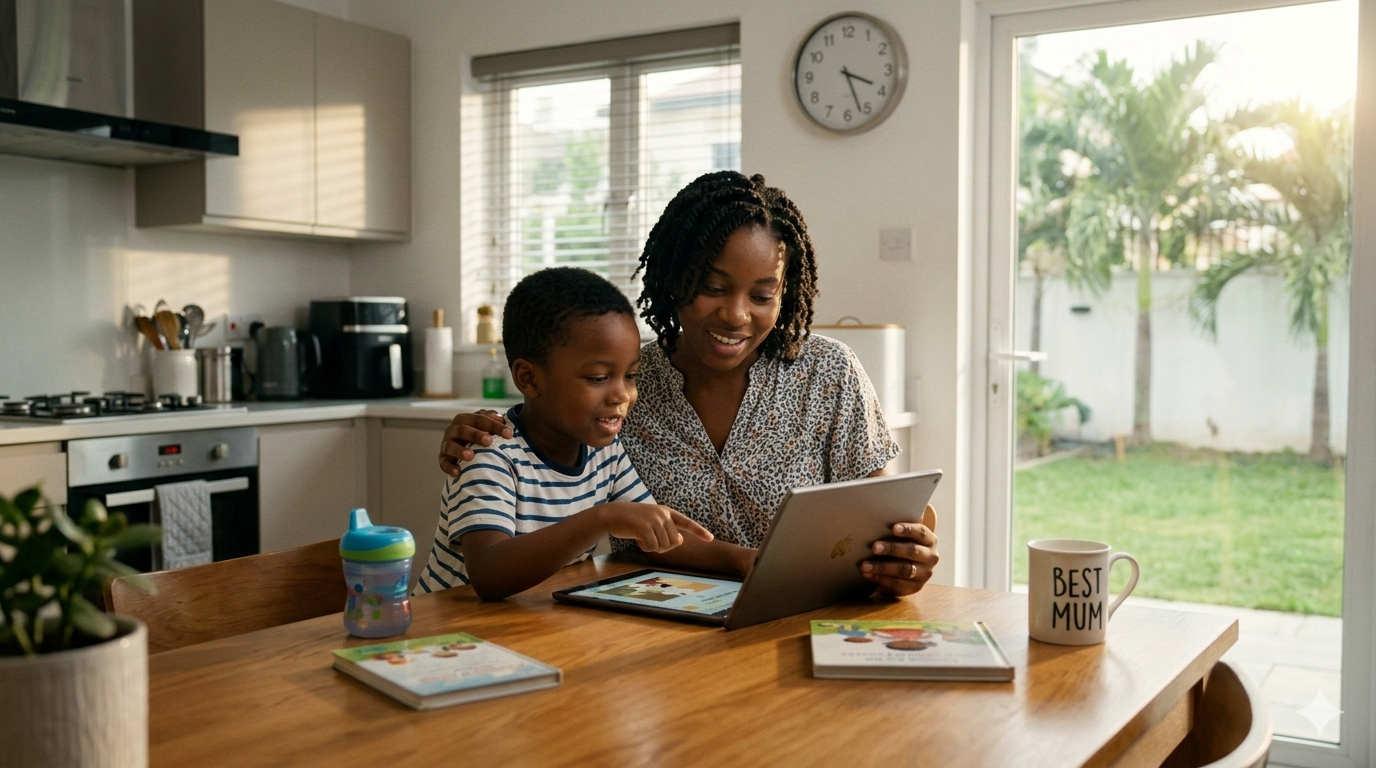
Special education is a team effort. Teachers, parents, therapists, psychologists, and administrators all work together to support the student’s development.
A 2022 study by UNESCO found that students who received multi-disciplinary support experienced 30% better progress in academic, emotional, and social skills compared to students without such collaboration.
Why Collaboration Matters
- Ensures consistent strategies at home and school
- Promotes stronger communication and monitoring
- Helps identify early signs of progress or regression
- Builds a supportive system around the child
Parents are not just observers — they are active partners in the student’s education and growth.
Key takeaway: Special education succeeds because it brings together different experts to support each child.
5. Focus on Life Skills, Social Growth & Emotional Development
While many traditional schools prioritize test scores, special education focuses on developing real-life skills and emotional resilience.
Core Areas of Life Skills Training
- Self-care and personal responsibility
- Emotional regulation
- Social interaction and communication
- Decision-making and problem-solving
- Vocational and workplace skills
A 2023 publication in the Journal of Special Education showed that programs integrating social-emotional learning (SEL) saw a 40% improvement in student engagement and classroom behavior.
Key takeaway: Special education prepares students not only for academics — but for independent living beyond the classroom.
Summary: What Makes Special Education Special?
| Factor | Why It Matters |
|---|---|
| Individualized Education Programs | Personalized learning and measurable goals |
| Flexible Teaching Methods | Supports diverse learning styles |
| Assistive Technology | Makes education accessible |
| Collaboration & Support | Builds a strong development system |
| Life Skills & Emotional Growth | Focuses on long-term success |
Special education is not simply an alternative — it’s a necessity for creating inclusive and equitable learning environments for all students.
Final Thoughts: The Future of Special Education
While special education has made remarkable progress, challenges still exist — including funding, teacher training, digital access, and stigma around disabilities.
But positive trends are emerging:
✔ AI-powered personalized learning
✔ Skill-based assessments
✔ Teacher training in digital pedagogy
✔ Stronger policy support for inclusion
✔ Focus on mental health and emotional safety
The future of education is not about choosing traditional or special education — it’s about merging the best elements of both.
The goal is simple: every child deserves a chance to learn, grow, and succeed.