


Education is a right—not a privilege. Yet, for millions of learners with disabilities or unique learning needs, traditional learning environments may not always provide the support required for success. That’s where special education comes in. But what exactly does special education mean? Why is it important? And what are its goals and guiding principles?
In this comprehensive guide, we answer the question: What is special education?, explore its objectives, highlight its core principles, and discuss how modern research and policy are shaping its application around the world.
What Is Special Education? A Clear Definition
Special education refers to tailored instructional programs designed to meet the unique learning needs of students with disabilities or exceptionalities. These can include physical, intellectual, emotional, or developmental challenges. The aim is not to segregate learners but to provide equitable access to meaningful education through customized support and services.
According to the Individuals with Disabilities Education Act (IDEA) in the United States, special education is “specially designed instruction, at no cost to parents, to meet the unique needs of a child with a disability.” This includes:
- Customized teaching strategies
- Specialized materials
- Accessible learning environments
- Individualized supports
Special education is implemented across global education systems and may encompass inclusive classrooms, resource rooms, self-contained classes, or blended support models.
Why Special Education Matters
Every student learns differently. While many thrive in standard classrooms, children with learning challenges may struggle without support. Research consistently shows that early and appropriate intervention leads to:
- Better academic outcomes
- Increased social and emotional growth
- Long-term life success
- Higher self-esteem and independence
The UN Convention on the Rights of Persons with Disabilities (CRPD) recognizes inclusive education as a human right. Countries that implement effective special education policies help ensure learners are not left behind due to disability or learning barriers.
Core Goals of Special Education
Special education is not just about support—it is about equity, inclusion, and empowerment. Below are its primary goals:
1. Ensuring Equal Access to Education
Special education aims to remove barriers that limit a student’s ability to access the curriculum. This means providing the tools and accommodations necessary for students to participate fully in learning.
Examples:
- Wheelchair-accessible classrooms
- Assistive technologies (speech-to-text, audiobooks)
- Braille materials or sign language support
2. Promoting Individualized Learning
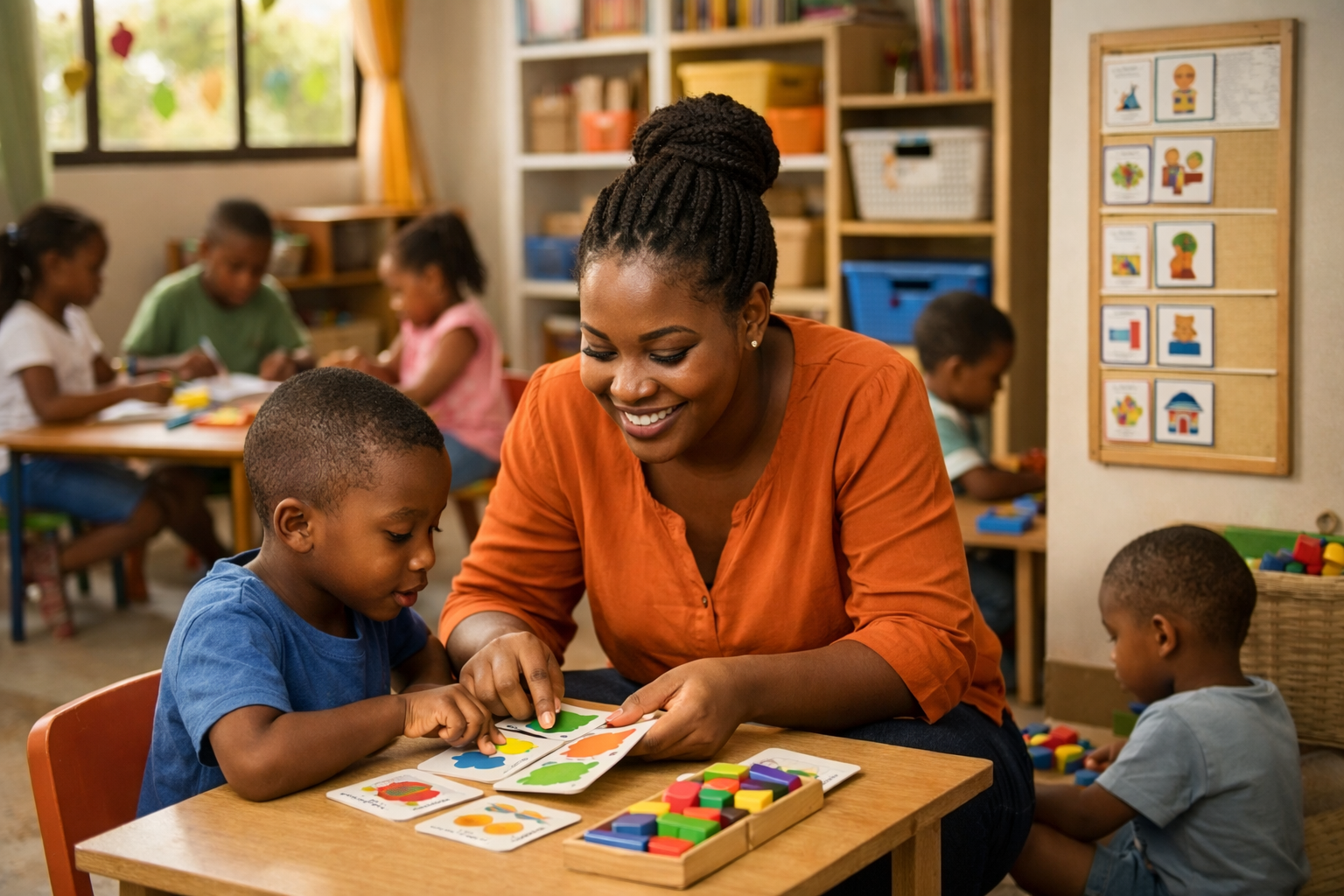
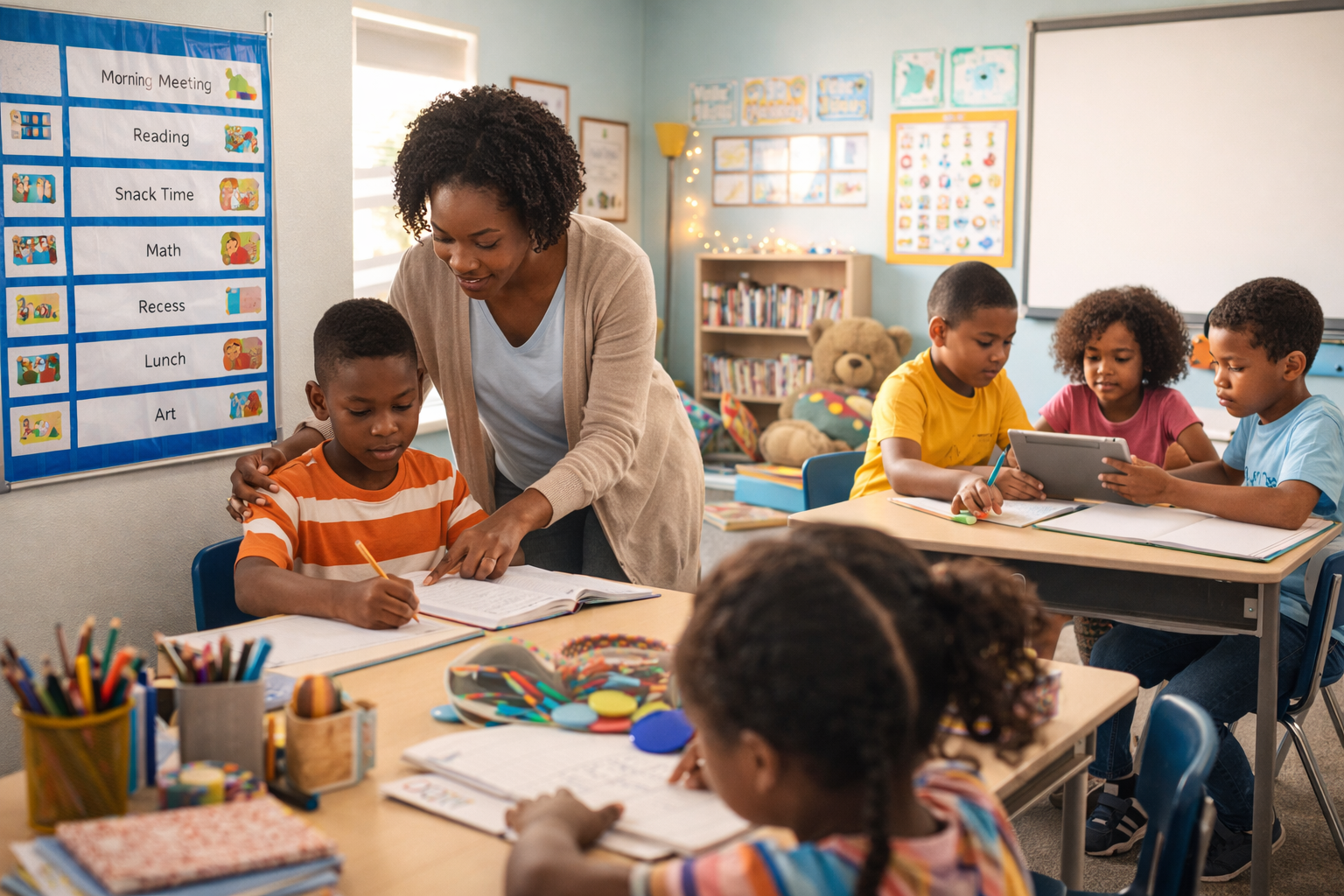
No two learners are exactly alike. Special education recognizes this by creating Individualized Education Programs (IEPs) tailored to a student’s strengths and needs.
A typical IEP includes:
- Academic goals
- Support services (therapists, aides)
- Assessment strategies
- Progress monitoring
Research shows that individualized planning improves student engagement and achievement.
3. Building Functional and Life Skills
For many learners, academic success is just one part of education. Special education also focuses on life skills necessary for independence:
- Communication
- Daily living skills
- Social interaction
- Self-advocacy
- Emotional regulation
These skills help students transition smoothly into adult life.
4. Encouraging Inclusive Participation
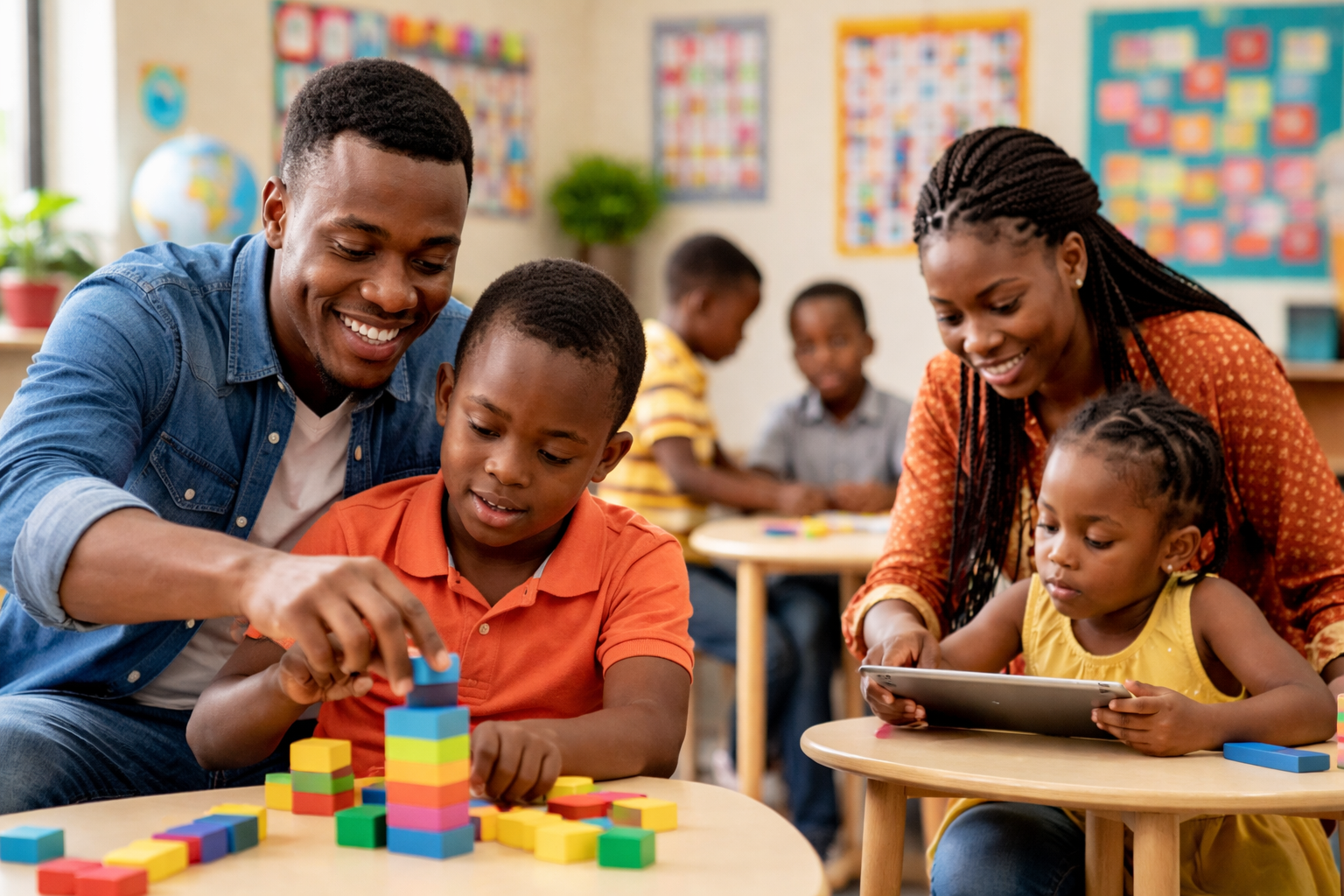
Inclusion means students with disabilities learn alongside their peers whenever possible. This promotes mutual respect, reduces stigma, and fosters community.
Inclusive classrooms benefit all students by:
- Enhancing empathy
- Supporting peer learning
- Reflecting real-world diversity
5. Supporting Families and Caregivers
Special education also extends support beyond school. It includes:
- Parent training
- Counseling services
- Family engagement in goal setting
- Regular communication
Strong family–school partnerships enhance student outcomes.
Key Principles of Special Education
Understanding the principles behind special education helps explain how it works. These principles guide teachers, schools, and policymakers.
1. Individualized Support
Every learner is unique. Special education uses assessment data and teaching expertise to develop customized plans that address specific strengths and challenges.
This means:
- Flexible curriculum pacing
- Multiple modes of instruction (visual, auditory, kinesthetic)
- Assistive tools where necessary
2. Least Restrictive Environment (LRE)
One of the most important concepts in special education is the Least Restrictive Environment. Students should learn alongside their non-disabled peers to the maximum extent appropriate.
This can include:
- Fully inclusive classrooms
- Part-time resource support
- Collaborative teaching models
Research shows that students in inclusive settings often perform better academically and socially.
3. High Expectations for All Learners
Special education rejects low expectations. It is rooted in the belief that all students, regardless of challenges, can learn and succeed. Teachers set ambitious yet realistic goals and provide support to help learners reach them.
This includes:
- Differentiated instruction
- Regular progress monitoring
- Adjusted assessment methods
4. Collaborative Teamwork
Special education involves a network of professionals working together:
- Classroom teachers
- Special educators
- Speech and language therapists
- Occupational therapists
- Psychologists
- Parents or caregivers
Team collaboration ensures a holistic approach to student growth.
5. Evidence-Based Instruction
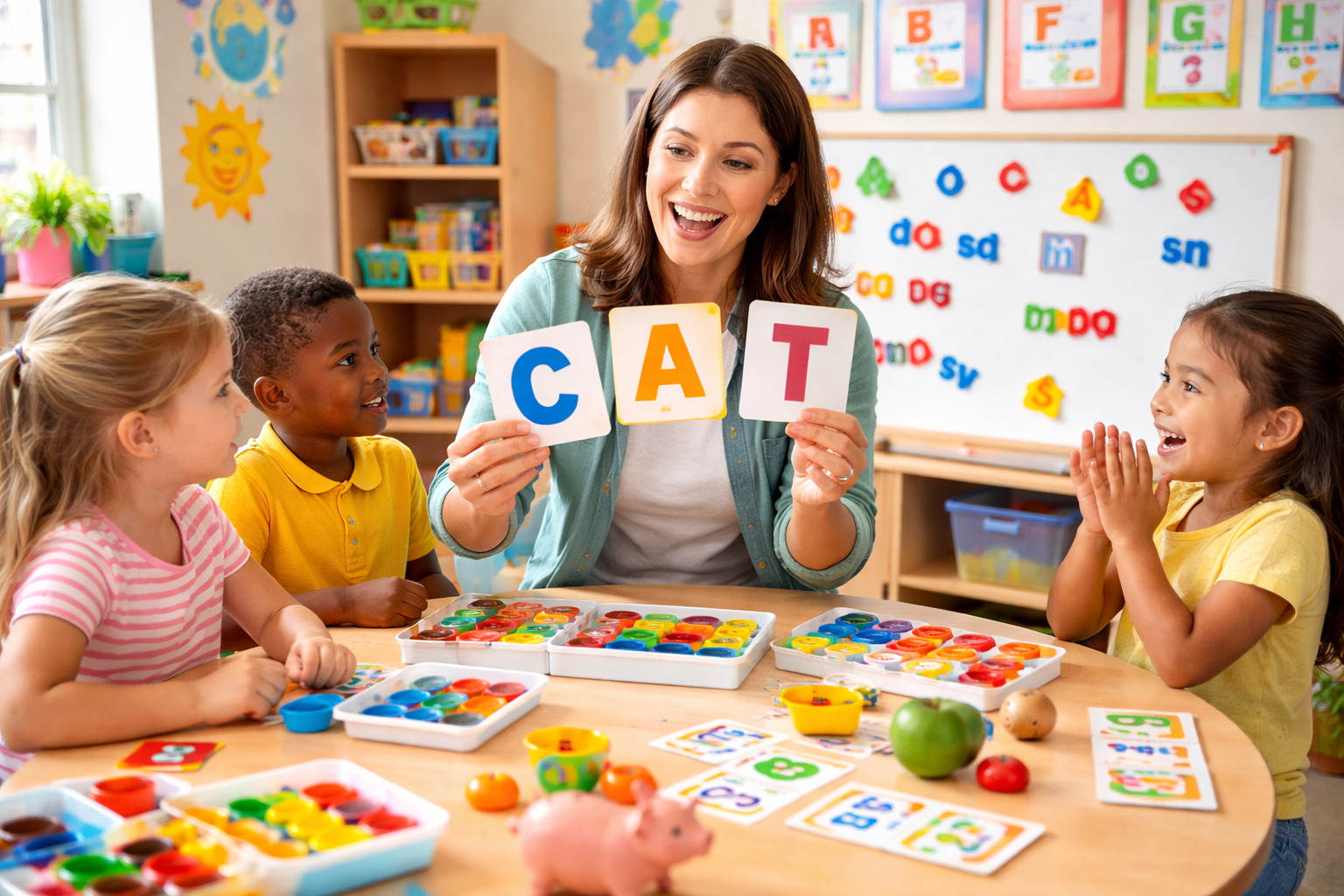
Effective special education is grounded in research. Teachers use proven instructional strategies that improve learning outcomes.
Examples include:
- Structured literacy approaches
- Task analysis
- Positive behavioral interventions
- Multisensory instruction
Recent studies show that evidence-based practices significantly boost academic and behavioral performance in learners with exceptionalities.
Types of Special Education Services
Special education is diverse and responsive to student needs. Common service models include:
1. Inclusive Classrooms
Students with and without disabilities learn together with appropriate supports. This is often considered best practice when feasible.
2. Resource Room Support
Students spend part of the day in a specialized setting for targeted instruction.
3. Self-Contained Classes
Specialized classrooms with small teacher-student ratios for more intensive support.
4. Co-Teaching Models
General and special educators teach together in the same classroom.
5. Related Services
Additional services such as occupational therapy, speech therapy, counseling, or physical therapy.
Who Qualifies for Special Education?
Eligibility varies by country, but common qualifying conditions include:
- Intellectual disabilities
- Learning disabilities (e.g., dyslexia)
- Autism spectrum disorders
- Emotional or behavioral disorders
- Sensory impairments (vision, hearing)
- Physical disabilities
- Speech and language delays
Eligibility is typically determined through comprehensive evaluations involving educators, psychologists, and specialists.
Latest Research and Global Trends
Inclusion and Student Outcomes
Recent research published by the UNESCO Institute for Statistics highlights that inclusive education boosts both academic and social outcomes for learners with and without disabilities.
Universal Design for Learning (UDL)
UDL is gaining traction as a framework that supports all learners through flexible curricula and multiple methods of instruction.
Assistive Technology and Accessibility
Technological advances—such as speech-to-text tools, screen readers, and adaptive devices—are transforming access to learning for students with diverse needs.
Challenges in Special Education
Despite strides in policy and practice, many challenges remain:
1. Resource Limitations
Some schools lack funding for specialized materials, training, or staffing.
2. Teacher Preparedness
Effective special education requires ongoing professional development — something not all systems provide equally.
3. Stigma and Misconceptions
Students with disabilities may face social barriers or lowered expectations from peers and educators.
4. Inconsistent Policy Implementation
Even when laws mandate inclusive practices, real-world implementation varies.
What Parents Should Know
If your child may benefit from special education:
- Request an evaluation through your school or district.
- Understand your rights under local education law.
- Participate in IEP meetings and ask questions.
- Advocate for assistive technology and accommodations.
- Stay involved with progress monitoring and communication.
Parental engagement is one of the strongest predictors of student success.
Frequently Asked Questions (Quick Summary)
Q: What is special education?
Special education is customized instruction and support designed to meet the unique learning needs of students with disabilities.
Q: What are the main goals of special education?
The primary goals are access, inclusion, individualized learning, functional skill development, and student empowerment.
Q: Who qualifies for special education?
Eligibility includes students with documented disabilities or exceptional learning needs, determined through evaluation.
Q: What is an IEP?
An Individualized Education Program (IEP) is a customized plan outlining a student’s goals and required accommodations.
Q: What is the Least Restrictive Environment?
LRE means students should learn with non-disabled peers as much as possible, with supports as needed.
Conclusion: Empowering Every Learner
Special education is a powerful, evidence-based approach that ensures all students have access to meaningful education. By setting individualized goals, embracing inclusive practices, and using research-based strategies, educators and families can help students with diverse needs thrive academically, socially, and emotionally.
Understanding what is special education is the first step toward building a more equitable and inclusive learning environment — one where every student’s potential can flourish.